







Economic status quo spells doom for Pinoys, says Nazal
Published Jun 2, 2026 09:53 am


At A Glance
- Nazal warns of economic strain, citing high inflation, weak peso, rising oil prices, heavy debt, and governance issues as simultaneous pressures hurting ordinary Filipino families.
- He urges urgent reforms, stressing fiscal discipline, energy independence, food security, clean transport, and honest governance to make the economy more resilient to shocks.
- He calls for national transition, pushing for renewable energy, modern agriculture, reduced oil dependence, and timely government spending to protect families and support workers, farmers, fisherfolk, and small businesses.
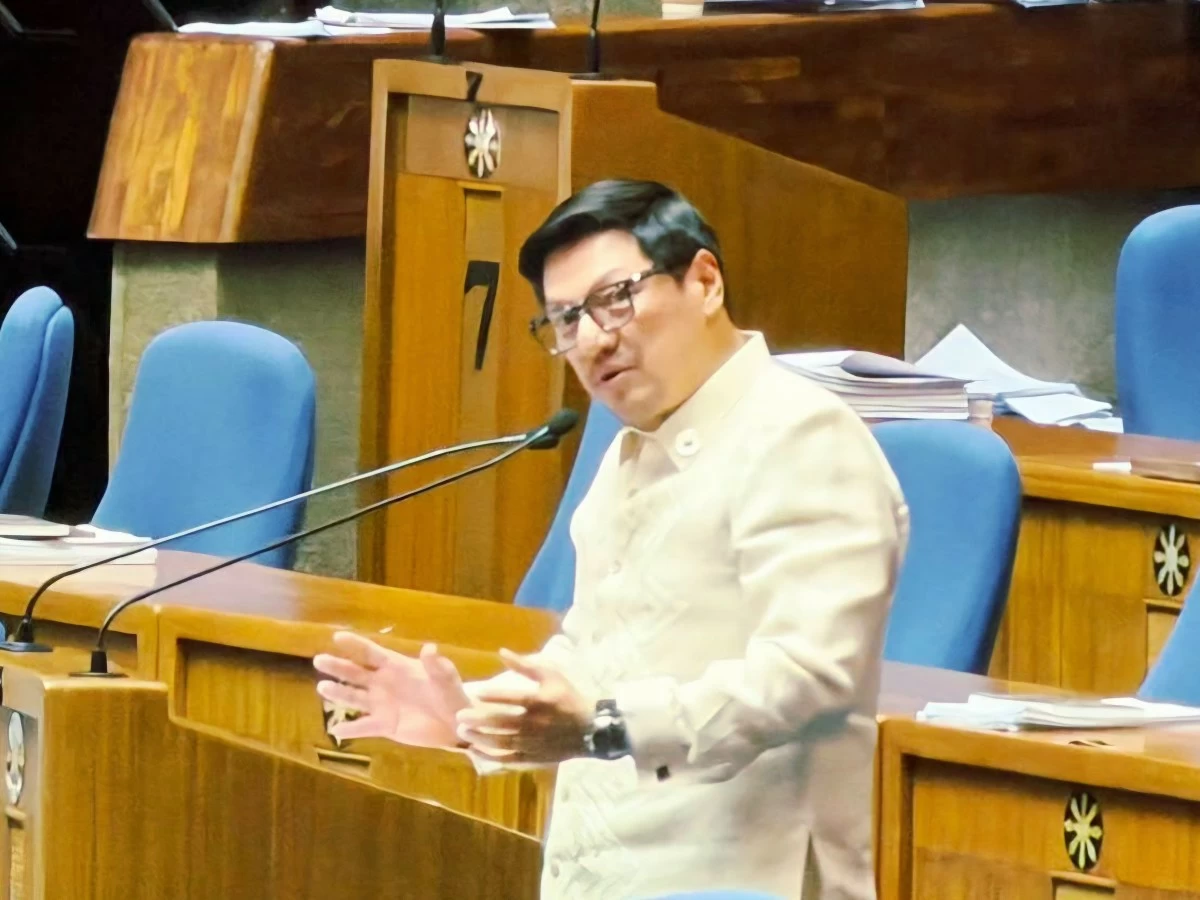
Bagong Henerasyon (BH) Party-list Rep. Robert Nazal (Facebook)
The confluence of negative economic developments that have sticken the Philippines is giving Bagong Henerasyon (BH) Party-list Rep. Robert Nazal feelings of doom and gloom.
As such, Nazal prodded the government to undertake "urgent action", and told it that it "cannot afford to be complacent and continue with its business as usual attitude" when many Filipino people are already suffering.
“My concern is simple: when high inflation, heavy debt, weak peso, rising oil prices, expensive farm inputs, slow investments, and governance issues happen at the same time, the ordinary Filipino suffers first,” the assistant minority leader said on Tuesday, June 2.
While the situation is not yet critical, Nazal says the state of the economy is fueling widespread pessimism across all sectors and most especially, among the ordinary Filipinos.
“Hindi ito pananakot (This is not fearmongering). This is a call for responsible and urgent action. Kapag humihina ang ekonomiya, ang unang tinatamaan ay ang ordinaryong pamilyang Pilipino — sa presyo ng pagkain, gasolina, pamasahe, kuryente, gamot, tuition, at araw-araw na gastusin,” Nazal said.
(When the economy weakens, the first to be affected are ordinary Filipino families — in the prices of food, gasoline, fares, electricity, medicine, tuition, and daily expenses.)
Nazal said the status quo cannot be maintained and key reforms should be made to address the present realities while making the economy as a whole more resilient to external shocks and emerging trends.
For the party-list solon, the warning signs are clear: debt-to-GDP (gross domestic product) ratio is fast approaching the critical 60 percent level; the peso remains weak and shows no sign of rebounding soon; and inflation is very high and is expected to worsen in the coming months.
“Para sa ordinaryong Pilipino, hindi ito mga numero lamang. Ibig sabihin nito: mas mahal ang bigas, isda, gulay, karne, LPG (liquefied petroleum gas), pamasahe, kuryente, gamot, at school expenses. Kahit may trabaho ang tao, kung mas mabilis tumaas ang presyo kaysa sa sweldo, mas naghihirap pa rin ang pamilya,” Nazal said.
The businessman-turned-House member stressed that a “serious national transition” must begin now and it must have the full support of the entire government with the help of the private sector.
What to do?
One of the first steps is to reduce the country’s dependence on imported oil, which Nazal said was made more clearly than ever when fuel prices skyrocketed as a result of the ongoing conflict between Iran and the United States (US).
Nazal said a faster transition to new energy vehicles, particularly battery electric vehicles should be undertaken and it must start at the government level with its own fleet of vehicles.
“Hindi ito mangyayari overnight, pero kailangan nang simulan (This won't happen overnight, but it must be started). Every liter of imported fuel we save helps protect Filipino consumers from global oil shocks,” he explained.
The development of renewable energy (RE) such as solar must be scaled up and its utilization more widespread, particularly in the agriculture and fisheries sectors.
With a gradual shift away from chemical-based fertilizers and by adopting new energy solutions, Nazal said the agriculture sector will not only be more resilient, but will also be more sustainable.
"We need fiscal discipline, energy independence, food security, honest governance, modern agriculture, clean transport, and real support for workers, farmers, fisherfolk, and small businesses. Food security must now be treated as national security. Kapag mahina ang local agriculture, every typhoon, drought, oil shock, peso depreciation, or global conflict becomes a direct burden on Filipino families,” Nazal said.
Nazal also emphasized the need to protect our fiscal space, meaning the government’s ability to spend for its people. He says ballooning debts, tax leakages and delayed infrastructure projects due to corruption all result in less services for the people.
“Government spending must be timely and productive. Delayed projects mean delayed jobs, delayed income, and delayed growth. Public funds should never be used as a political tool. Ang pera ng bayan ay dapat maramdaman ng bayan — sa trabaho, pagkain, kalsada, paaralan, ospital, irigasyon, at kabuhayan,” he said.
"Hindi ito usaping pulitika lamang (This isn't simply a political issue). This is about the daily life of every Filipino family. Kung kikilos tayo ngayon, may pag-asa. But if we delay, the price will be paid by our people,” he added.