






Manila Bulletin
 Philippines
National
Advocacy groups, residents oppose P26-B waste-to-energy project in Smokey Mountain
Philippines
National
Advocacy groups, residents oppose P26-B waste-to-energy project in Smokey Mountain
Philippines
National
Advocacy groups, residents oppose P26-B waste-to-energy project in Smokey Mountain
Advocacy groups, residents oppose P26-B waste-to-energy project in Smokey Mountain
By Jel Santos
Published Jun 2, 2026 02:28 pm


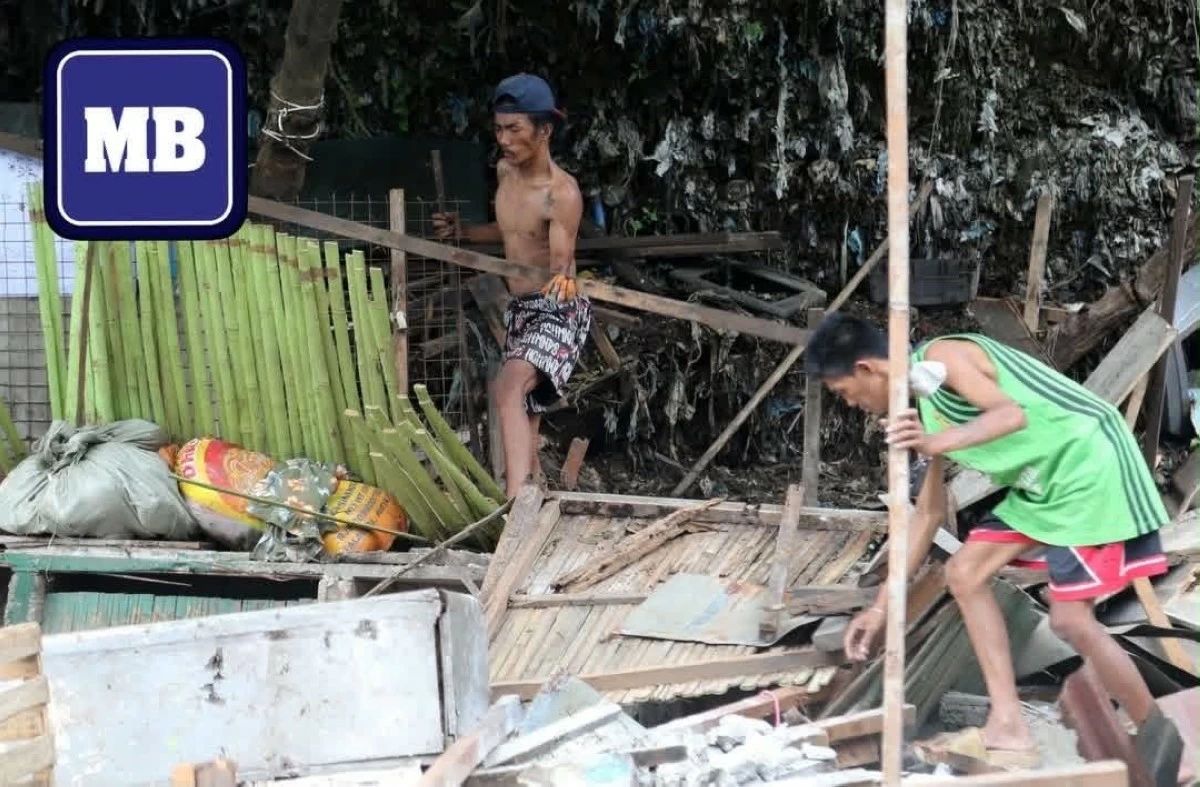
(MB FILE PHOTO)
Various advocacy groups and residents of Smokey Mountain in Tondo, Manila have expressed opposition to the proposed P26-billion waste-to-energy (WtE) facility planned in the area, citing concerns over potential displacement, loss of livelihood, and possible environmental and health impacts.
First proposed in 2025, the 100-megawatt WtE facility is designed to process up to 3,000 tons of solid waste daily and convert it into electricity.
During a dialogue hosted by the National Anti-Poverty Commission (NAPC), representatives from the Global Alliance for Incinerator Alternatives-Asia Pacific (GAIA-Asia Pacific), Ecowaste Coalition, Greenpeace Philippines, and local community organizations discussed what they described as the possible risks associated with the project.
According to research cited by GAIA-Asia Pacific, waste incineration may pose health and environmental concerns due to the release of air pollutants and the generation of by-products such as bottom ash, fly ash, boiler ash, and wastewater.
The group also said waste incineration contributes to greenhouse gas emissions.
“Pigilan po natin ang mga pasilidad na makakasira sa komunidad at maglalagay sa marami sa panganib (Let us stop facilities that will harm communities and put many people at risk),” Anora Madrid of Samahan ng Maralita sa Smokey Mountain said in a statement.
Likewise, the GAIA-Asia Pacific raised concerns over the potential economic and social effects of the project, including the possible displacement of communities and the impact on waste workers whose livelihoods depend on the recovery and recycling of discarded materials.
“The local and international evidence is resoundingly clear that WtE incineration makes the poor poorer and drives cities into debt. What will happen to the tens of thousands of waste workers in Manila if all of the waste is used to feed the WtE facility?” said Brex Arevalo of GAIA-Asia Pacific.
For its part, Greenpeace Philippines argued that waste-to-energy incineration is not a sustainable solution to the country’s waste management challenges.
“Solutions must be humane and rooted in the real needs and rights of affected communities. Reuse systems and renewable energy can help, and real renewable energy does not burn waste, depend on plastic, or endanger communities,” Eunille Santos of Greenpeace stated.
The groups urged government agencies and project proponents to consider alternative waste management strategies that prioritize waste reduction, reuse, recycling, and community welfare.
As of posting time, project proponents had yet to issue a statement addressing the concerns raised during the dialogue. The Manila Bulletin remains open to publishing their response.