







Trust is built when red tape ends
Published Jun 1, 2026 12:05 am


FROM THE MARGINS
It was an honor to join the 8th anniversary celebration of the Anti-Red Tape Authority (ARTA) at the National Food Authority Building in Quezon City. Together with my colleagues, Dr. Gilbert Llanto and Mr. Aristeo Dequito, I witnessed a gathering that underscored a vital truth: good governance is not achieved through slogans, but through systems that make public service fairer, faster, and more accountable.
Carrying the theme “Elev8ing Trust: Transparency and Accountability for a Bagong Pilipinas,” the event highlighted the growing importance of ARTA’s mission in addressing two of the country’s oldest governance problems: bureaucratic inefficiency and corruption.
In a nation where ordinary citizens and entrepreneurs have long endured endless lines, delayed permits, unclear requirements, and opportunities for “under-the-table” transactions, the importance of ARTA cannot be overstated.
The agency’s latest accomplishments are significant. ARTA reported a 99% complaint closure rate, having resolved more than 38,000 complaints since 2018 while filing 441 cases involving erring officials across 117 local government units. Beyond statistics, these represent thousands of Filipinos who demanded accountability and refused to accept inefficiency as normal. They also reinforce a painful truth: corruption thrives where processes are slow, opaque, and unnecessarily complicated.
Every unnecessary signature, every unclear requirement, every delayed transaction creates an opening for abuse. Red tape is not merely an inconvenience. It becomes fertile ground for bribery, favoritism, and exploitation. When citizens are made desperate by delays, some are pressured into paying fixers or giving “facilitation fees” just to obtain services that should have been delivered promptly in the first place.
This is why ARTA’s mandate matters deeply to national development.
Under the leadership of Secretary Ernesto Perez, the agency has pushed aggressively for reforms that streamline procedures, digitize transactions, and enforce accountability among government offices. During the anniversary event, Secretary Perez emphasized that investigations and prosecutions are not trophies, but reminders that public office is a public trust.
The true measure of governance is not how many regulations exist, but how efficiently and honestly government serves its people. Investors notice it. Entrepreneurs feel it. Workers experience it. Citizens remember it.
For businesses — especially micro, small, and medium enterprises — bureaucratic delays can mean lost income, stalled operations, or even closure. A delayed permit can prevent a small entrepreneur from opening a store. A prolonged licensing process can discourage investments. Excessive documentary requirements consume not only money, but also time and opportunity.
An efficient bureaucracy, therefore, is not merely an administrative goal. It is an economic necessity.
Yet government alone cannot fulfill this mission.
The private sector and ordinary citizens have an equally important role in ensuring that ARTA’s reforms succeed and endure. Good governance cannot be sustained if people continue tolerating shortcuts, patronage, or bribery simply because “that’s how things work.”
Businesses must become active partners in reform by promoting ethical compliance, rejecting corrupt practices, and reporting irregularities when they occur. Ordinary Filipinos must also recognize that accountability mechanisms only work when citizens are willing to participate. Filing complaints, documenting irregularities, demanding transparency, and insisting on lawful timelines are all forms of civic engagement that strengthen democratic institutions.
Public feedback about ARTA have shown that reforms remain a work in progress. But ongoing systems strengthening, responsiveness, and transparency deserve recognition.
ARTA serves as a critical accountability mechanism for the bureaucracy, including through channels like the 8888 Citizen's Complaint Center. ARTA also signed a Memorandum of Agreement with the Ombudsman to facilitate the investigation of red tape-related infractions and corruption cases.
One encouraging development is ARTA’s increasing use of digital systems to reduce face-to-face transactions that often create opportunities for corruption. The agency’s introduction of Tala AI and its push for a “Zero-Contact Policy” reflect an important direction for governance modernization. It has also developed the Philippine Business Regulations Information System (PBRIS) and the Anti-Red Tape Electronic Management Information System (ARTEMIS) – programs designed to further improve citizens’ access and ease-of-doing-business.
Technology alone will not eliminate corruption, but it can reduce discretion, improve monitoring, and empower citizens with better access to information.
Ultimately, ARTA’s eighth anniversary should not simply be viewed as a celebration of an agency. It should be seen as a broader call to action.
The fight against red tape is not only about shortening lines or speeding up permits. It is about restoring confidence in public institutions. It is about proving that government can serve with integrity, efficiency, and fairness. And it is about creating a culture where honesty becomes easier than corruption.
For reforms to last, they must be owned not only by government reformers, but by the entire nation.
The challenge now is to sustain the momentum. Laws and systems can open doors, but lasting change depends on citizens and institutions choosing transparency over convenience, accountability over silence, and public service over personal gain.
That is how trust is truly elevated.
* * *
“Unnecessary bureaucracy hinders creativity, growth, justice and the attainment of peace.” – Widad Akrawi
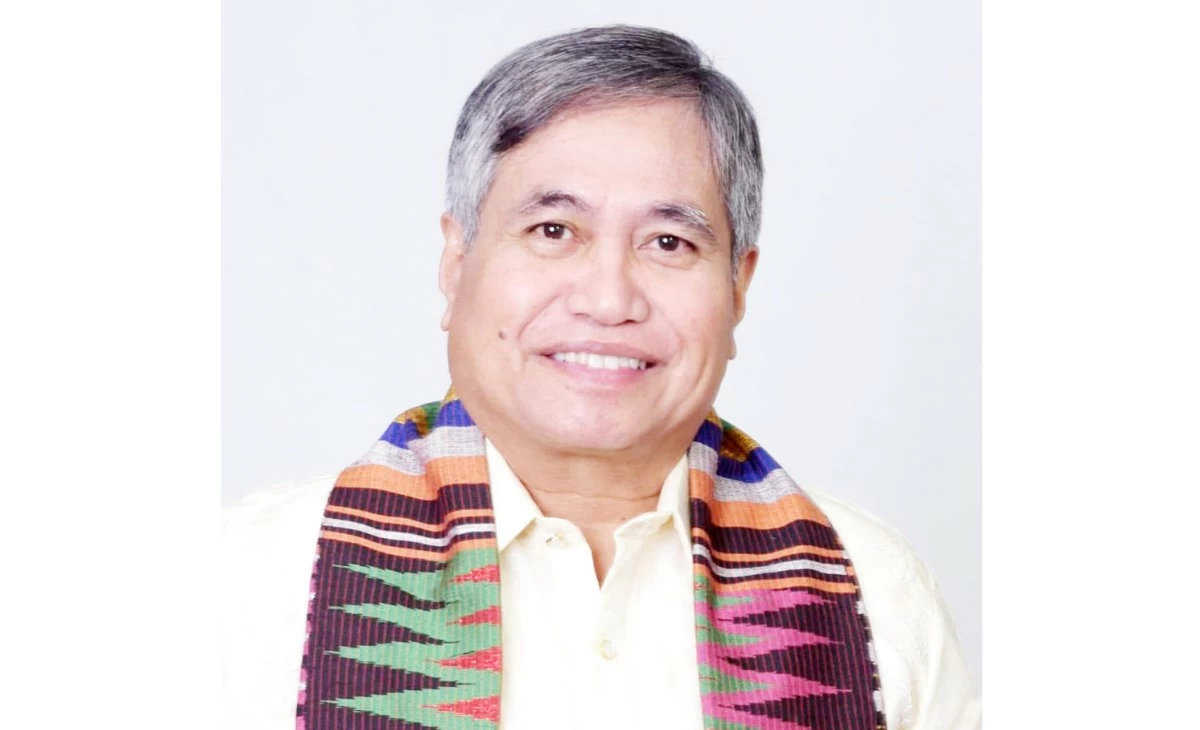
(Dr. Jaime Aristotle B. Alip is a poverty eradication advocate. He is the founder of the Center for Agriculture and Rural Development Mutually-Reinforcing Institutions (CARD MRI), a group of 23 organizations that provide social development services to 8 million economically-disadvantaged Filipinos and insure more than 27 million nationwide.)