






Manila Bulletin
 Philippines
National
PBBM hailed for efforts to expand government housing program, narrow 6.5-M backlog
Philippines
National
PBBM hailed for efforts to expand government housing program, narrow 6.5-M backlog
Philippines
National
PBBM hailed for efforts to expand government housing program, narrow 6.5-M backlog
PBBM hailed for efforts to expand government housing program, narrow 6.5-M backlog
Published Jun 1, 2026 02:05 pm


At A Glance
- Camarines Sur Reps. Luigi and Migz Villafuerte have praised President Marcos for accelerating the expansion of the E‑4PH housing program, saying it will help close the 6.5‑million‑unit national housing backlog.
- The Villafuertes proposed Accessory Dwelling Units (ADUs) as an innovative solution, and filed HB No. 8813 to allow ADUs nationwide, simplify permitting, and provide incentives to homeowners and builders.
- They stressed that ADUs, proven effective in countries like the US and Canada, could quickly generate hundreds of thousands of housing units without requiring large tracts of land or massive government spending.
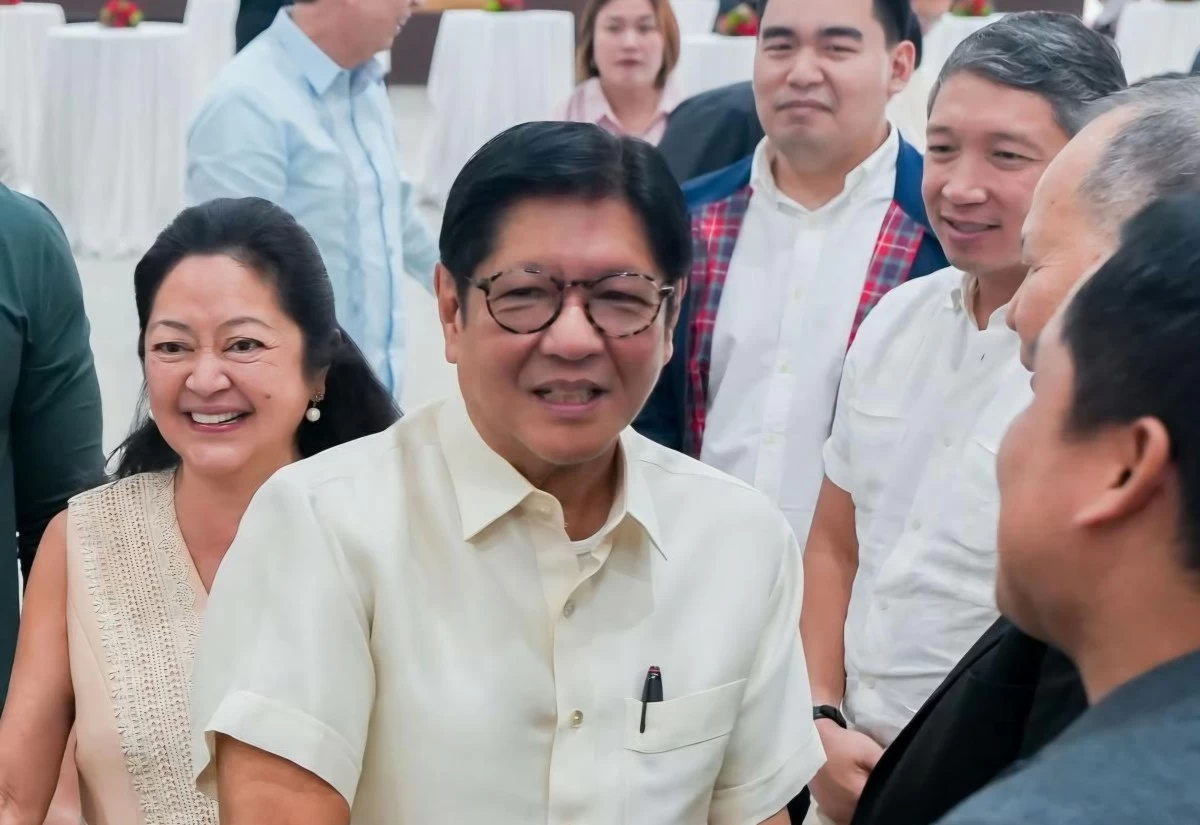
President Ferdinand "Bongbong" Marcos Jr. (Facebook)
Camarines Sur-based congressmen have hailed President Marcos for fastening the government’s plan to expand the Pambansang Pabahay para sa Pilipino (E-4PH) Program, which they claimed would give Filipinos more affordable options in choosing government-backed mass shelter housing projects.
More importantly, Reps. Luigi Villafuerte (2nd district) and Migz Villafuerte (5th district) said the move will help the Marcos administration close up the national backlog estimated last year at 6.5 million units.
To meet President Marcos’ goal of narrowing the housing gap by further expanding Filipinos’ access to socialized housing, the Villafuertes proposed to the Department of Human Settlements and Urban Development (DHSUD) to consider offering Accessory Dwelling Units (ADUs) to homebuyers.
More commonly known as “granny flats” or “backyard homes", ADUs are popular in countries like the United States (US), Australia, Canada and New Zealand as “secondary dwellings", which are small, self-contained residential units built within the same lots that have existing primary dwellings, the solon-siblings noted.
“We welcome President Marcos’ commitment to close the housing backlog, and we suggest to the DHSUD to consider building ADUs as an effective solution in our country where the gap in mass or low-cost housing has unfortunately ballooned because of how expensive lands have become especially in urban areas,” Rep. Luigi said.
“Because of this cost factor, priority developers tend to focus on building middle to high-income housing units instead of the low-cost or more affordable ones,” noted the deputy majority leader.
Meanwhile, Rep. Migz said that with the ever rising cost of housing materials aggravating other housing challenges such as the slow process of approval of housing permits and land titles, among others, “new and innovative housing solutions need to be considered by the DHSUD to complement existing government programs".
He noted that he and his brother have introduced House Bill (HB) No. 8813 to address the continuing severe housing shortage in the Philippines by allowing the implementation and establishment of ADUs in residential lots nationwide, and at the same time simplifying permitting procedures, and providing incentives to homeowners and builders to encourage ADU development.
Rep. Migz, who chairs the House Committee on Information and Communications technology (ICT), noted that the successful implementation of ADU systems in countries like the US and Canada “have proven to be an effective tool in increasing housing supply quickly and efficiently without requiring large tracts of new land or massive government expenditure".
In the US, ADUs now make up 20 percent of all housing permits in California alone from 2016 to 2023.
During the 30th National Housing Convention in May, which was held jointly by the National Real Estate Association (NREA) and the DHSUD, the DHSUD announced new initiatives to encourage more families to invest in low-cost homes and for the private sector to increase investments in socialized housing projects.
The DHSUD said these E-4PH initiatives include pursuing innovative rental housing programs, revival of large-scale shelter developments within school campuses, leveling up Community Mortgage financing for informal settler families (ISFs), widening home financing guidelines for Home Development Mutual Fund (HDMF) commonly known as Pag-IBIG Fund members, developing housing projects on lands covered by Presidential Proclamations, and rolling out a digital permitting process for private real estate investors.
While the original 4PH program established in 2022 was focused on vertical housing or condominium-type projects, last year’s E-4PH expanded it to include more housing options, such as rental housing, subdivision- type housing, vertical housing (mid-rise or condominium projects), housing (homes that can be improved over time), high-density housing for ISFs and housing projects under presidential proclamations and temporary shelter programs.
The target beneficiaries are minimum wage earners, ISFs, overseas Filipino workers (OFWs), government employees, and low-and middle-income households
Citing DHSUD data, Migz said that, as of 2025, the national housing backlog exceeded 6.5 million housing units.
This housing challenge is a result, said Rep. Migz, of “rapid urbanization, population growth and rising land prices in urban centers, which means that more and more Filipino families lack access to adequate, safe and affordable housing".
“Without a proper and long-term solution, the housing backlog may grow significantly up to 22 million by 2040,” he said.
By allowing homeowners to construct small secondary housing units or ADUs within their residential properties, he said that ADUs provide multiple benefits.
Rep. Luigi agreed and said, “By unlocking the potential of residential lots across the country, the proposed ADU system could generate hundreds of thousands of new housing units within a few years, significantly helping address the country’s widening housing backlog."
The Villafuertes authored HB No. 8813 with Camarines Sur 1st district Rep. Tsuyoshi Anthony Horibata and Bicol Saro Party-list Rep. Terry Ridon.