







Discovering Philippine flavors at The Lost Islands in Makati
The seven-course 'Philippine Forests Are Delicious' menu highlights local ingredients through a series of thoughtfully crafted beverages
By Dom Galeon
Published Jun 1, 2026 12:30 pm
|
Updated Jun 1, 2026 04:15 pm


(Photo: Dom Galeon)
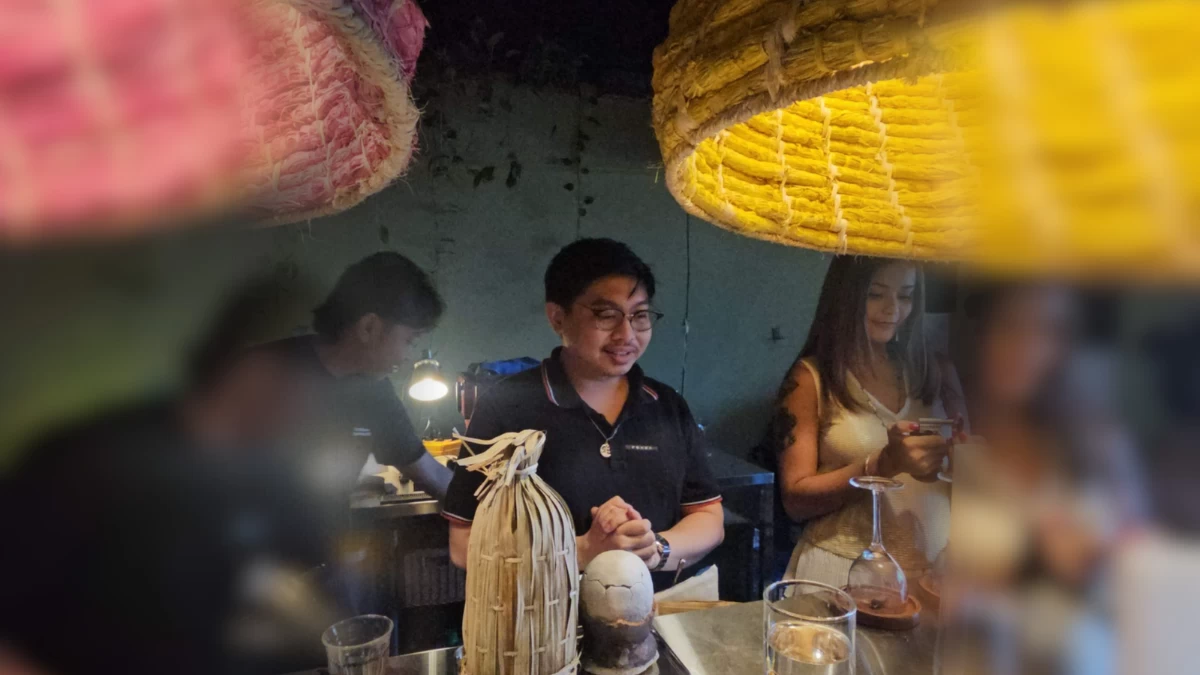
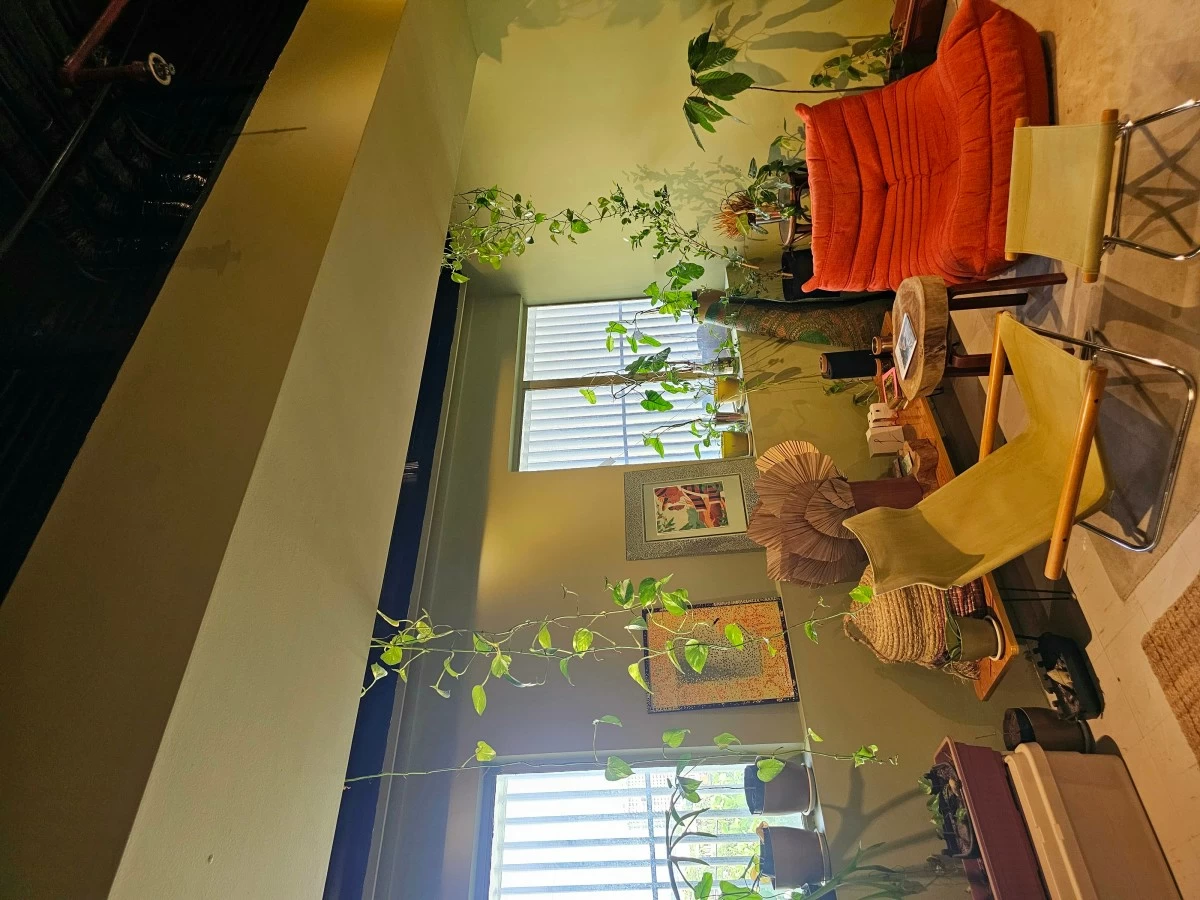
On the fifth floor of what looks like any other office building in Makati sits a cafe unlike any other. In fact, it does not describe itself to be a cafe. The Lost Islands is an experience.
Serving as the official shop for the Lost Islands Center for Kape (LICK), The Lost Islands at Karravin Studios is a quaint little space with a big heart. As cheesy as that goes, it best describes the people who are running it, from certified water sommelier and LICK director Sly Samonte who put his expertise in beverage science to craft a seven-course tasting menu that is more than just coffee.
Dubbed “Philippine Forests are Delicious,” the menu is a tour of tastes that explores many hidden and not-so-hidden flavors endemic to Philippine forests. It is, for all intents and purposes, a gustatory trek through beaches and mountains and plains and even the typical Filipino home. Sly’s team, headed by The Lost Islands manager Marcus Espiritu, spent almost an entire year perfecting the itinerary for what they consider to best represent what Filipino forests have to offer in terms of taste.
(Photo: Dom Galeon)
“We want to highlight the Philippine ecosystem and the ingredients it offers,” Marcus says. “A lot of us—from the locals to the foreigners—take these things for granted.”
Coming into The Lost Islands, one starts off really lost, not knowing what to expect in this seven-course menu, which I initially thought would just be all about coffee. I was proven wrong—and wonderfully so!—as the drinks we sampled that afternoon were ironically made from ordinary ingredients found in Philippine flora, most of which I had no idea could taste the way they did when combined with other such items.
(Photo: Dom Galeon)
(Photo: Dom Galeon)
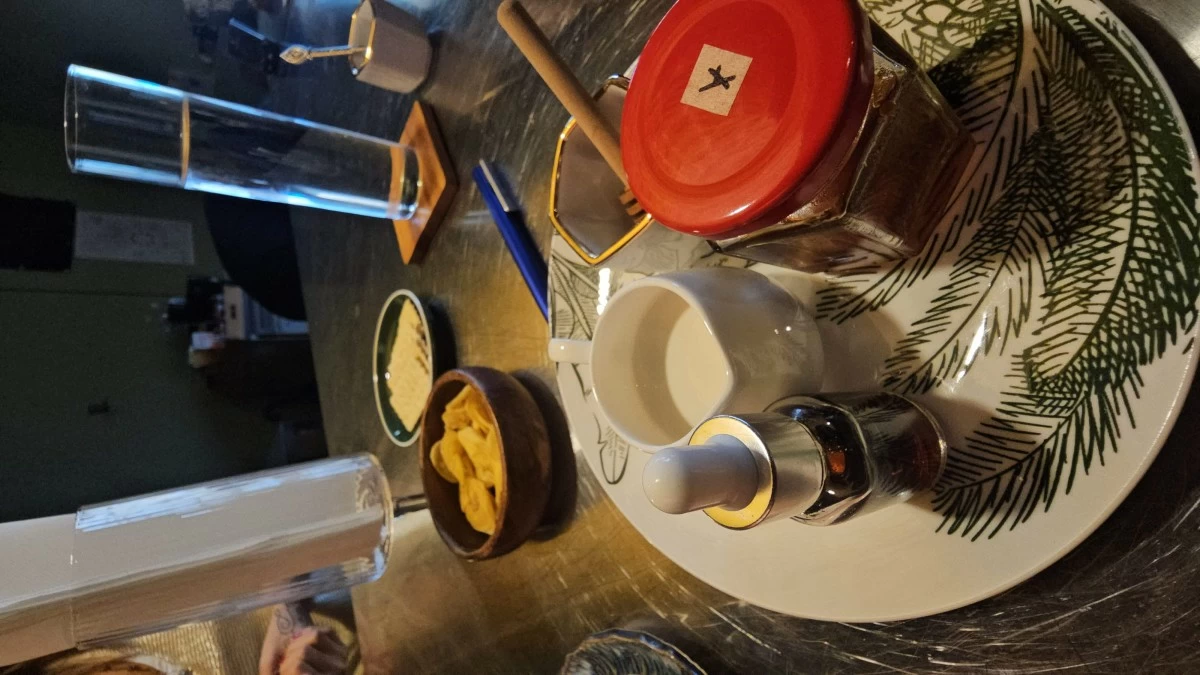
Now, instead of describing each of the seven courses matter-of-factly, allow me to pull from the notes I had scribbled during that afternoon on little postcards that came with every serving of the drinks. PS. I will also not specify what the ingredients for each of the drinks are. This way, I won’t spoil it for you!
(Photo: Dom Galeon)
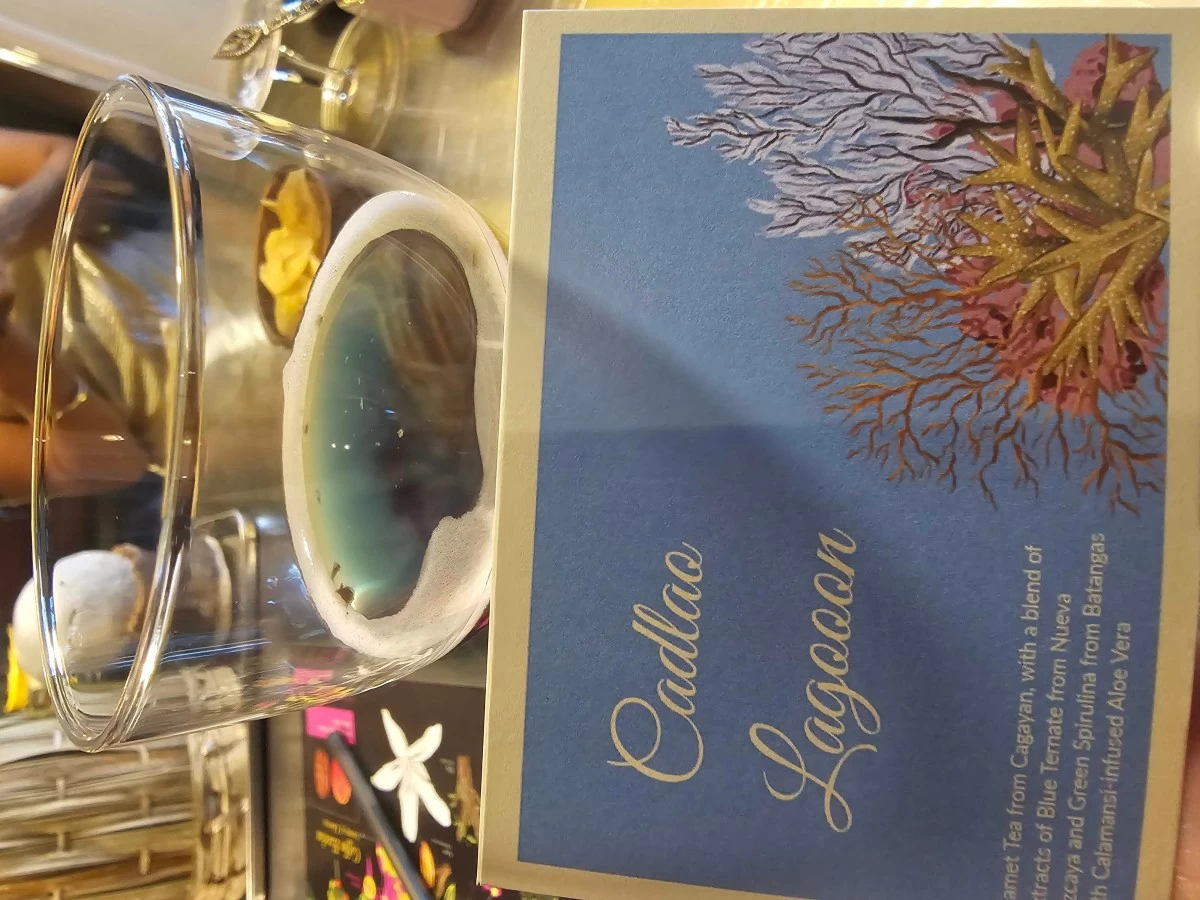
Course 1 – Cadlao Lagoon
This tea sets the tone for the tour, as its preparation and presentation is immersive and informative, and Nicole Leonar, the head culinary consultant at the Lost Islands, does a really great job of explaining the drink and its ingredients while also being busy preparing it.
My postcard notes: Very refreshing. Did not taste like how I thought it would.
(Photo: Dom Galeon)
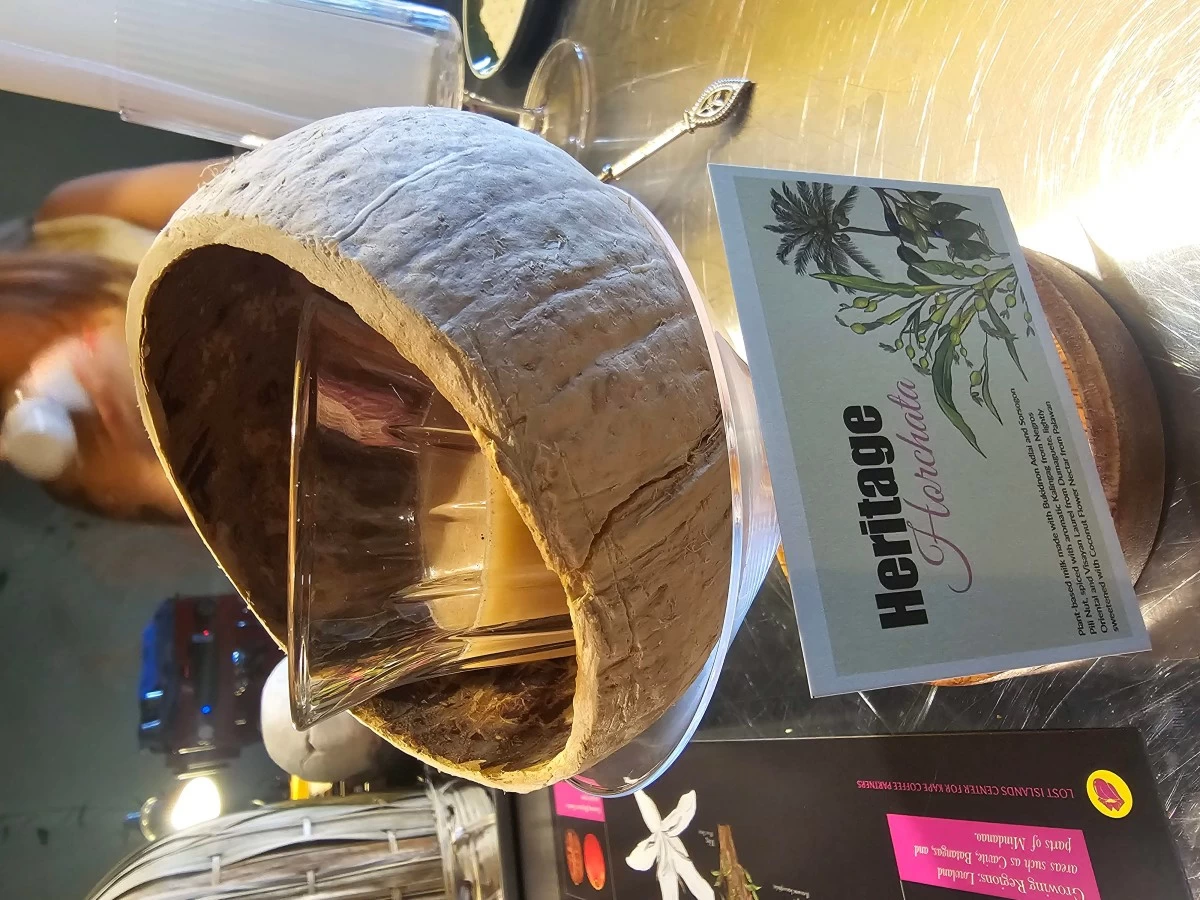
Course 2 – Heritage Horchata
Fun fact, this horchata does not use milk but it is as good a horchata as any—maybe even better, depending on your taste. Oh, and also, have you ever had dahon ng laurel in your drink?
My postcard notes: Spice kicks in first, then the milkiness follows—considering there is no milk. Wow.
(Photo: Dom Galeon)
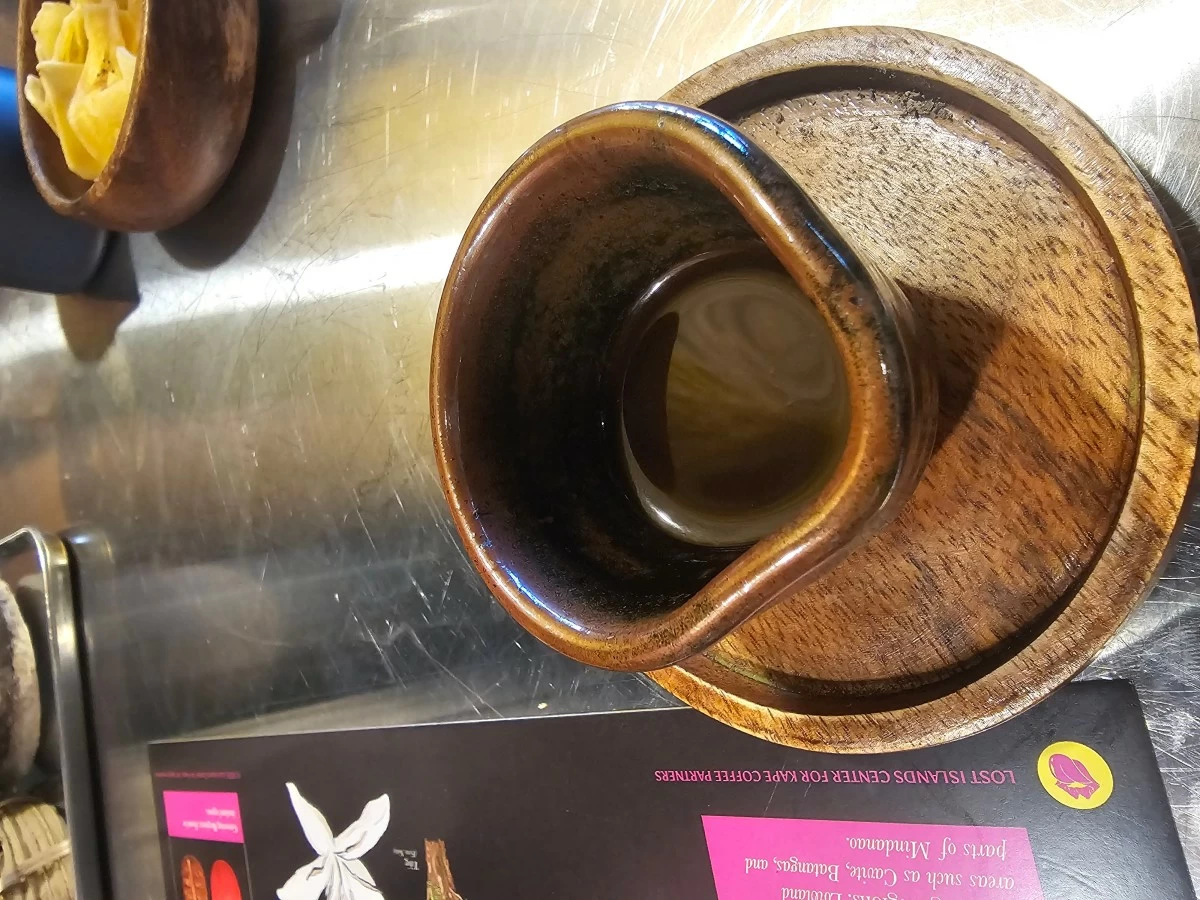
Course 3 – Seasonal Philippine Coffee Flight
The first actual coffee from the menu. This one felt like a game, with Marcus quizzing guests about the three sets (simply labeled red, blue, and green) of Philippine Arabica beans they had for us. These were prepared two ways, unfiltered and then filtered. The changes in aroma and tastes were surprising.
My postcard notes: Unfiltered: Red, strong but not “forceful”; Blue, mild compared to Red, with more subdued tones; Green, somewhat flat tones but not without a “kick”. Filtered (served as pour overs): Red, bold pa rin but has less pait; Blue, still mild but with a fuller flavor; Green, has a certain tanginess to it now.
(Photo: Dom Galeon)
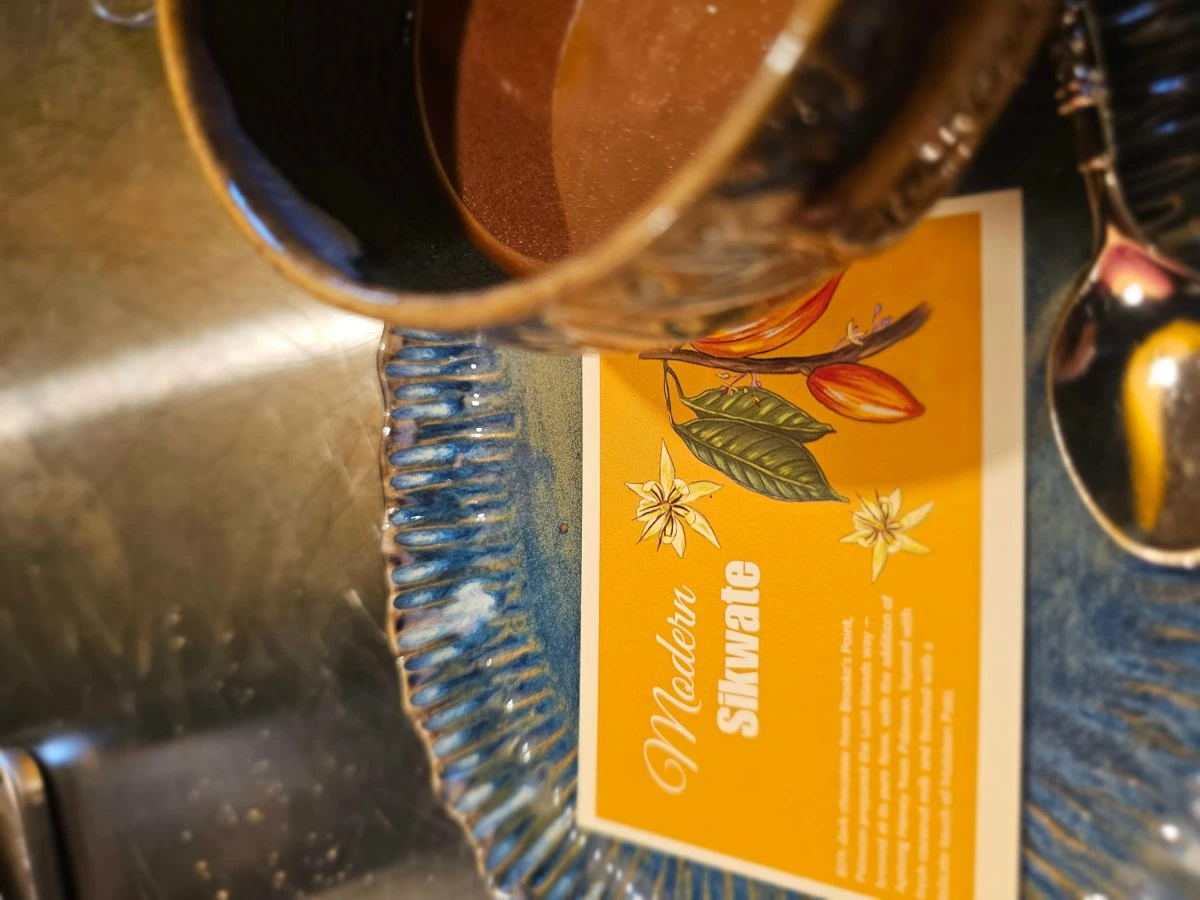
Course 4 – Modern Sikwate
One of the more surprising drinks from the menu. This one features 80 percent dark chocolate from Brooke’s Point, Palawan, but served with an additional twist. It’s a little homage to the Filipino home, in more ways than one.
My postcard notes: Just the chocolate by itself was so good. Mixing the ingredients made it different with every sip. The [last ingredient] was quite a surprise!
(Photo: Dom Galeon)
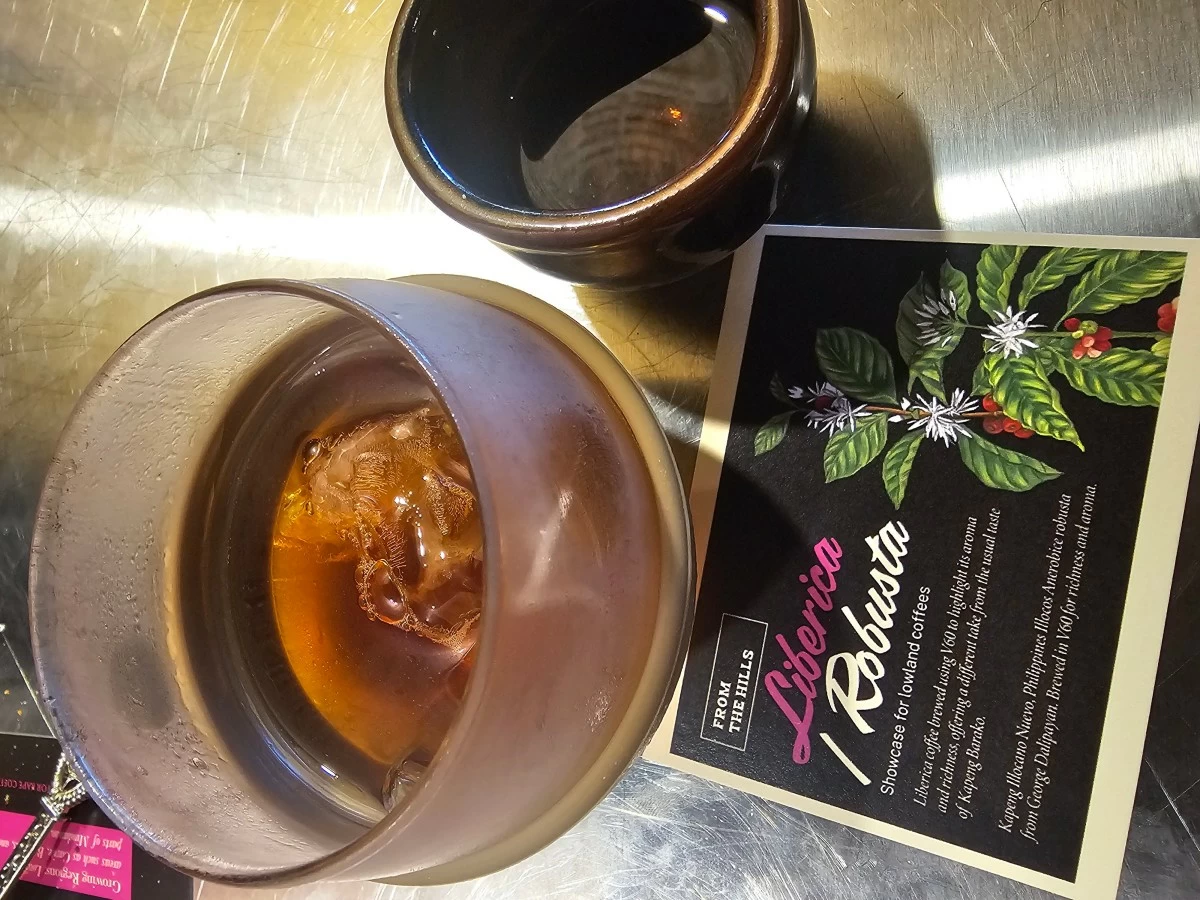
Course 5 – Liberica / Robusta
Yes, you got that right. Kapeng Barako, but with a surprising twist. It was explained to us that Kapeng Barako’s usually very strong taste comes from how the beans are traditionally brewed. Altering that changes how this most famous of all Philippine coffee beans can taste, in both hot and cold.
My postcard notes: Hot - Not as hard-hitting as the usual Barako brews, but still quite strong in terms of flavor. Cold - Not as heavy as the hot version, surprisingly very fruity—with an aroma almost like jackfruit and an almost whisky-like flavor.
(Photo: Dom Galeon)
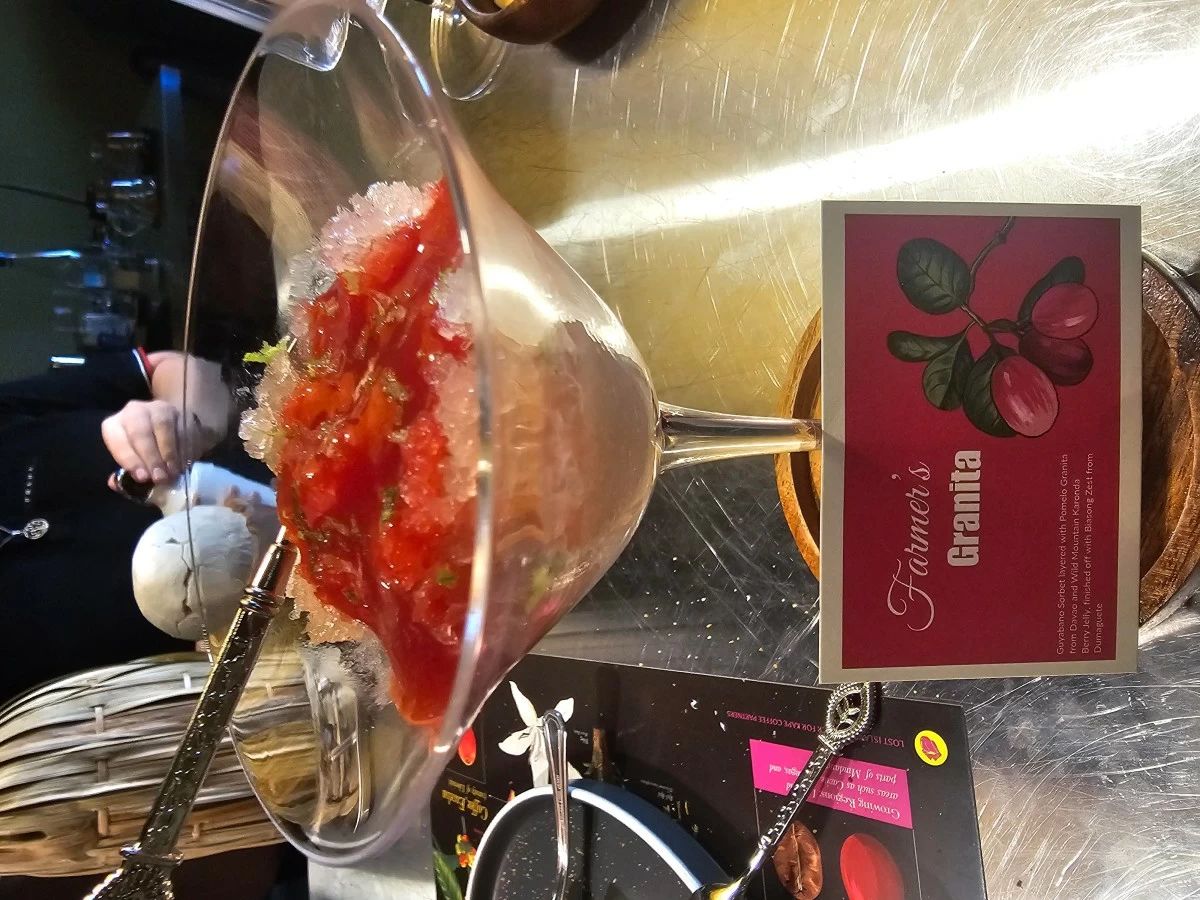
Course 6 – Farmer’s Granita
In a usual four or five course meal, this is the palette cleanser. But in true Lost Islands fashion, it is made in ways one might not have previously imagined. This three-layered dessert is served semi-frozen—as how granitas should be—and topped with a sprinkling of zesty Biasong, a kind of citrus found in the southern Philippines.
My postcard notes: Smells really good, almost like citronella! Really refreshing!
(Photo: Dom Galeon)
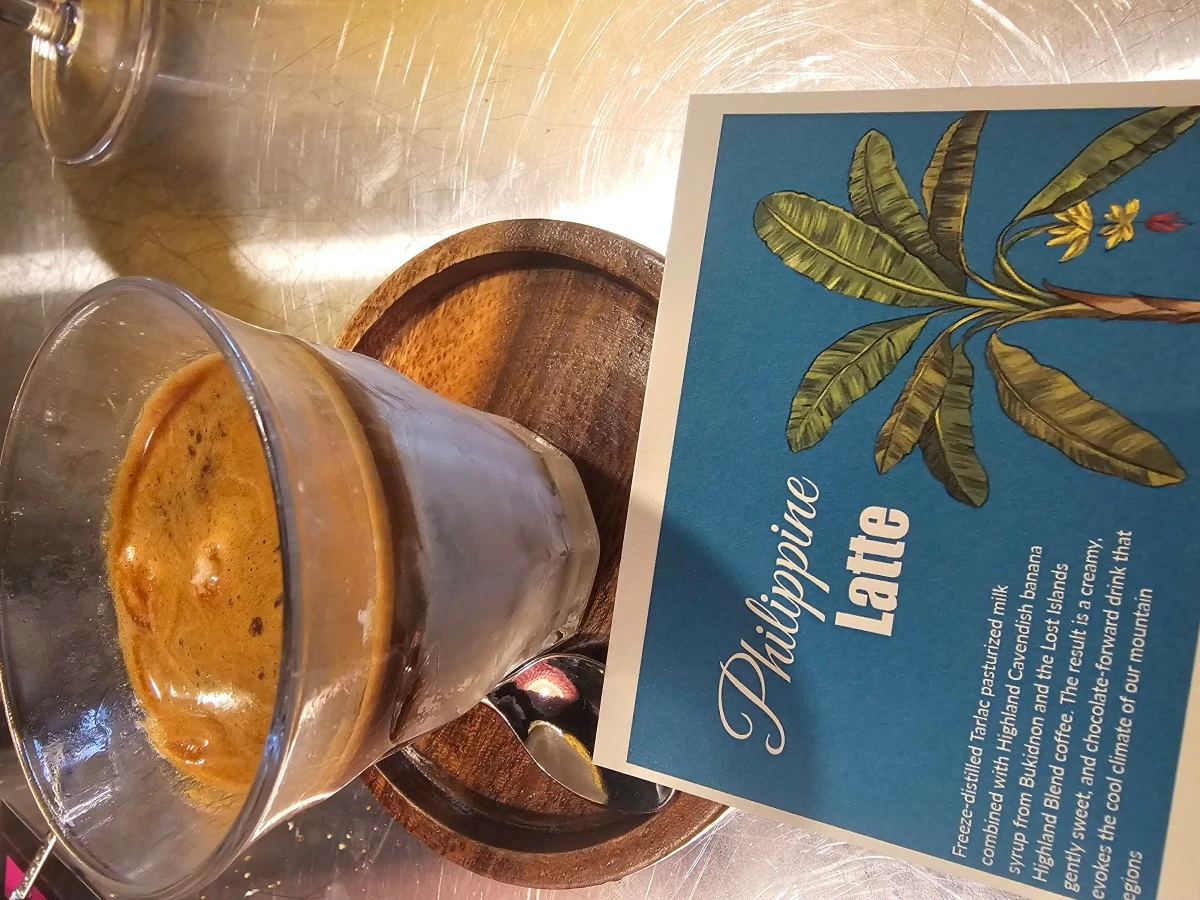
Course 7 - Philippine Latte
What’s a cafe without a latte? And The Lost Islands offers its own version of the coffeeshop staple, but made without milk. How is it a latte, you might ask? Well, best to try and taste it for yourself, but I would give you a clue—the “milk” comes from a very common local fruit, found in almost every Filipino home.
My postcard notes: Consume layer by layer. Or mix them all together. Either way, the flavor experience changes, but the overall effect is the same. It is a latte, no doubt.
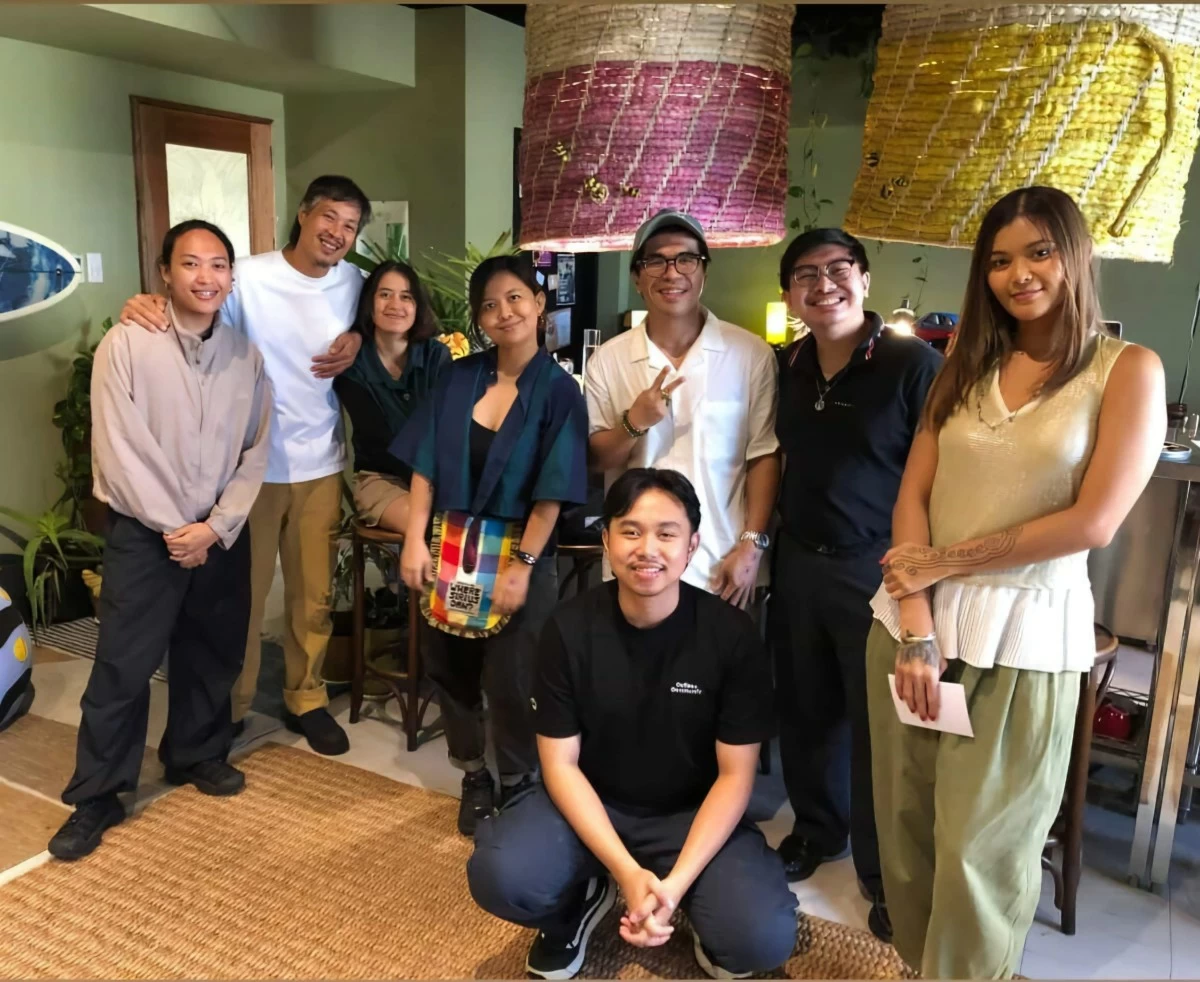
This seven-course drinking menu may be a first of its kind in the Philippines, and it is certainly worth a try for anyone who is interested in local drinks and for anyone who is even remotely curious about local flavors. Or maybe you’re just tired of how hot it is outside and you want to experience a different kind of “refreshing.” Either way, visit The Lost Islands to find out.
(Photo: Dom Galeon)
Experience ‘Philippine Forests are Delicious,’ a seven-course menu by The Lost Islands, by reserving a slot through Instagram (@thelostilsands.ks). The Lost Islands is located on the 5th floor of Karravin Studios, Building A, in Makati City.