






Manila Bulletin
 Philippines
National
PH, Japan move toward destroyers, spy plane transfer as Manila widens defense network
Philippines
National
PH, Japan move toward destroyers, spy plane transfer as Manila widens defense network
Philippines
National
PH, Japan move toward destroyers, spy plane transfer as Manila widens defense network
PH, Japan move toward destroyers, spy plane transfer as Manila widens defense network
Published May 31, 2026 01:02 pm


At A Glance
- Department of National Defense (DND) Secretary Gilberto Teodoro Jr. and Japanese Defense Minister Shinjiro Koizumi agreed on Sunday, May 31, to push forward discussions on the transfer of Japan's Abukuma-class destroyer escorts and a TC-90 aircraft, marking the most concrete step yet in defense equipment cooperation between the two countries.
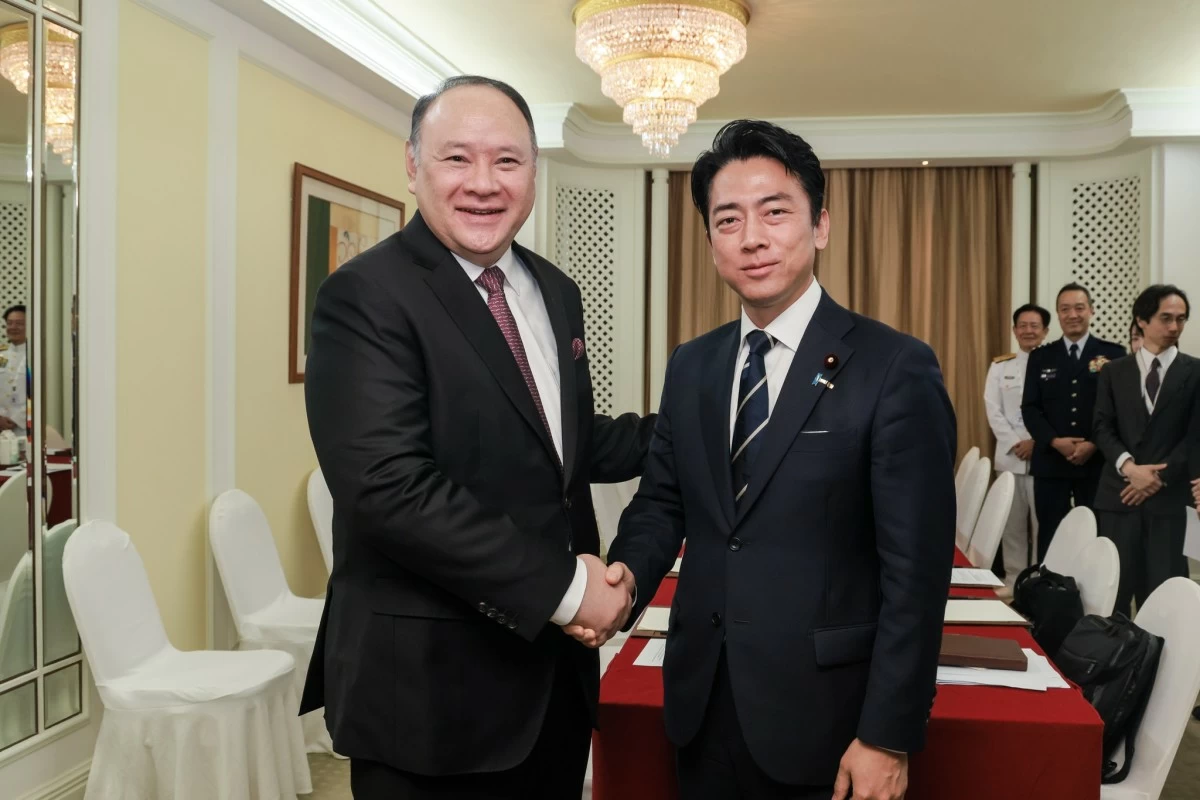
Department of National Defense (DND) Secretary Gilberto Teodoro Jr. and Japanese Defense Minister Shinjiro Koizumi meet on the sidelines of the 23rd International Institute for Strategic Studies (IISS) Shangri-La Dialogue (SLD) in Singapore on May 31, 2026. (Photo: DND)
The Philippines and Japan have moved closer to a landmark defense equipment deal that could see retired Japanese warships and a patrol aircraft transferred to the Armed Forces of the Philippines (AFP).
This as the Philippine government pressed ahead with efforts to expand security ties with partners across the Indo-Pacific and Europe during the 23rd International Institute for Strategic Studies (IISS) Shangri-La Dialogue (SLD) in Singapore.
Department of National Defense (DND) Secretary Gilberto Teodoro Jr. and Japanese Defense Minister Shinjiro Koizumi agreed on Sunday, May 31, to push forward discussions on the transfer of Japan's Abukuma-class destroyer escorts and a TC-90 aircraft, marking the most concrete step yet in defense equipment cooperation between the two countries.
The agreement came days after Japan and the Philippines elevated their relations to a “Comprehensive and Strategic Partnership” during a summit between President Marcos Jr. and Japanese Prime Minister Sanae Takaichi.
According to a joint statement issued after Teodoro and Koizumi’s meeting, the two sides reached a “broad consensus to proceed with discussions with a view to transferring the Abukuma-class destroyers promptly after decommissioning, and one TC-90 aircraft within Japan's FY2027.”
The ministers also agreed to continue detailed discussions covering training for Philippine Navy (PN) personnel, maintenance requirements, sustainment support, and the management of the equipment after transfer.
For the DND, the planned transfer reflects the rapid expansion of defense ties between Manila and Tokyo amid growing security concerns in the Indo-Pacific.
Japan has emerged as one of the Philippines' most important security partners in recent years. The two countries signed the Reciprocal Access Agreement (RAA) in 2024, allowing their forces to conduct joint activities and exercises in each other's territory.
The pact was Japan's first such agreement in Asia and only its third worldwide after similar arrangements with Australia and the United Kingdom.
At the start of Saturday's meeting, Koizumi expressed his intention to further strengthen bilateral defense relations under the newly elevated partnership.
Teodoro, for his part, said he intended to continue close coordination based on the trust between the two countries under the vision of a "free and open Indo-Pacific."
The two ministers welcomed the progress of a bilateral working group which includes policy, operational, and equipment officials from both countries tasked with advancing cooperation under a new framework for defense equipment transfers, specifically for the Abukuma-class destroyer escorts and TC-90 aircraft.
Bolstering ties with South Korea, Singapore, Australia, EU
Teodoro’s meeting with his Japanese counterpart was part of a series of his engagements on the sidelines of the Shangri-La Dialogue. In separate meetings, the defense chief sought to reinforce Manila's growing network of security partnerships with South Korea, Singapore, Australia, and the European Union (EU).
During talks with South Korean Defense Minister Ahn Gyuback, Teodoro thanked Seoul for its continued support for the AFP modernization program.
South Korea has become one of the Philippines' largest defense suppliers, with the AFP operating South Korean-made FA-50 fighter aircraft, frigates, and other military equipment acquired under its modernization efforts.
The two officials also discussed developments on the Korean Peninsula and in the WPS, exploring opportunities to deepen cooperation in defense logistics and the defense industry.
The defense chief also met Singaporean Defense Minister Chan Chun Sing and called for expanded joint training and exercises between the AFP and the Singapore Armed Forces.
The Philippines and Singapore have long cooperated in military education, training, and humanitarian assistance efforts.
Teodoro said continued cooperation in disaster response exercises would benefit both countries while Chan expressed support for the Philippines' ASEAN chairmanship and welcomed Manila's proposal to expand defense cooperation.
Teodoro likewise held talks with Australian Deputy Prime Minister and Defense Minister Richard Marles. The two officials discussed ways to deepen practical defense cooperation and exchanged views on working with partners such as Japan and the United States to support regional stability and a rules-based order in the Indo-Pacific.
The Philippines and Australia elevated their defense relationship to a strategic partnership in 2023 and have since expanded joint military activities, including maritime patrols and large-scale exercises.
Teodoro also reached out to European partners and in meetings with Swiss Federal Councilor Martin Pfister and European External Action Service Secretary General Belén Martínez Carbonell, he discussed regional and global security developments and efforts to strengthen defense cooperation.
Teodoro thanked the EU for its continued engagement with the Philippines and said closer cooperation with like-minded partners helped deter threats to peace and stability while protecting overseas Filipinos.
Martínez Carbonell, on the other hand, reaffirmed the EU's interest in expanding cooperation in maritime security, cybersecurity, and counterterrorism.
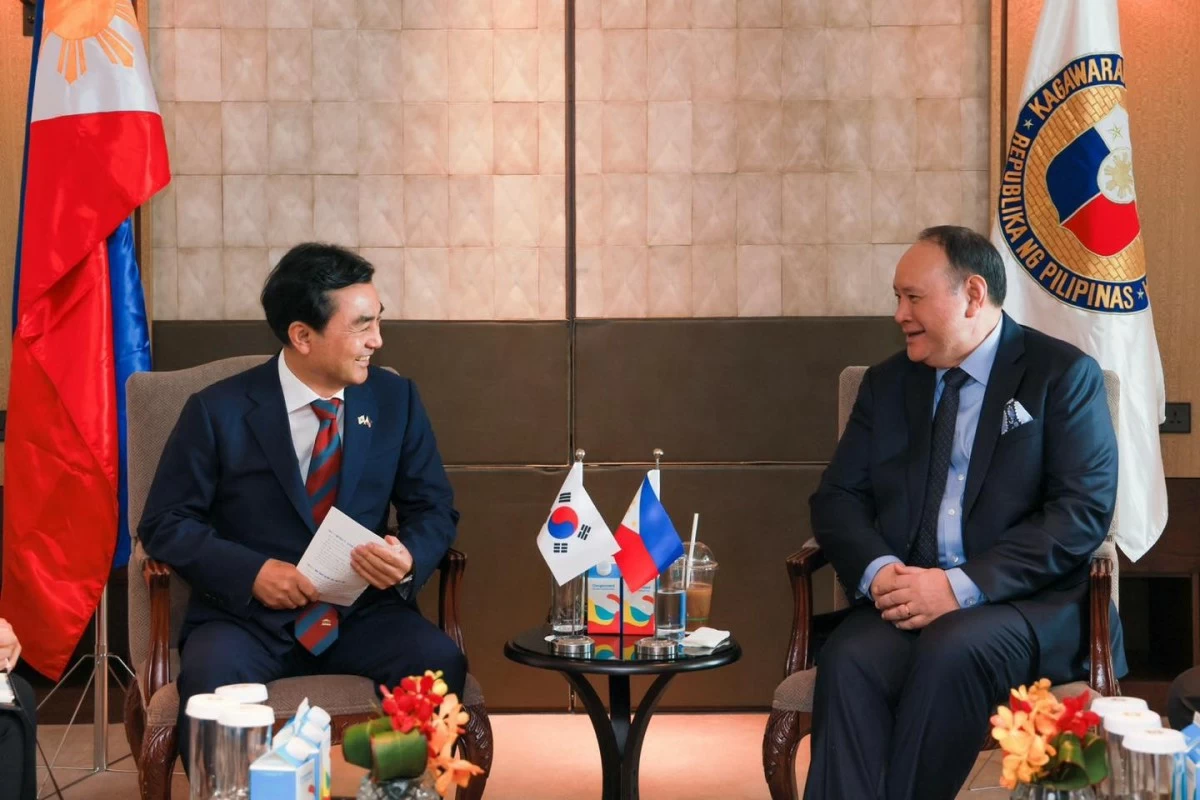
Department of National Defense (DND) Secretary Gilberto Teodoro Jr. and South Korean Defense Minister Ahn Gyuback (Photo: DND)
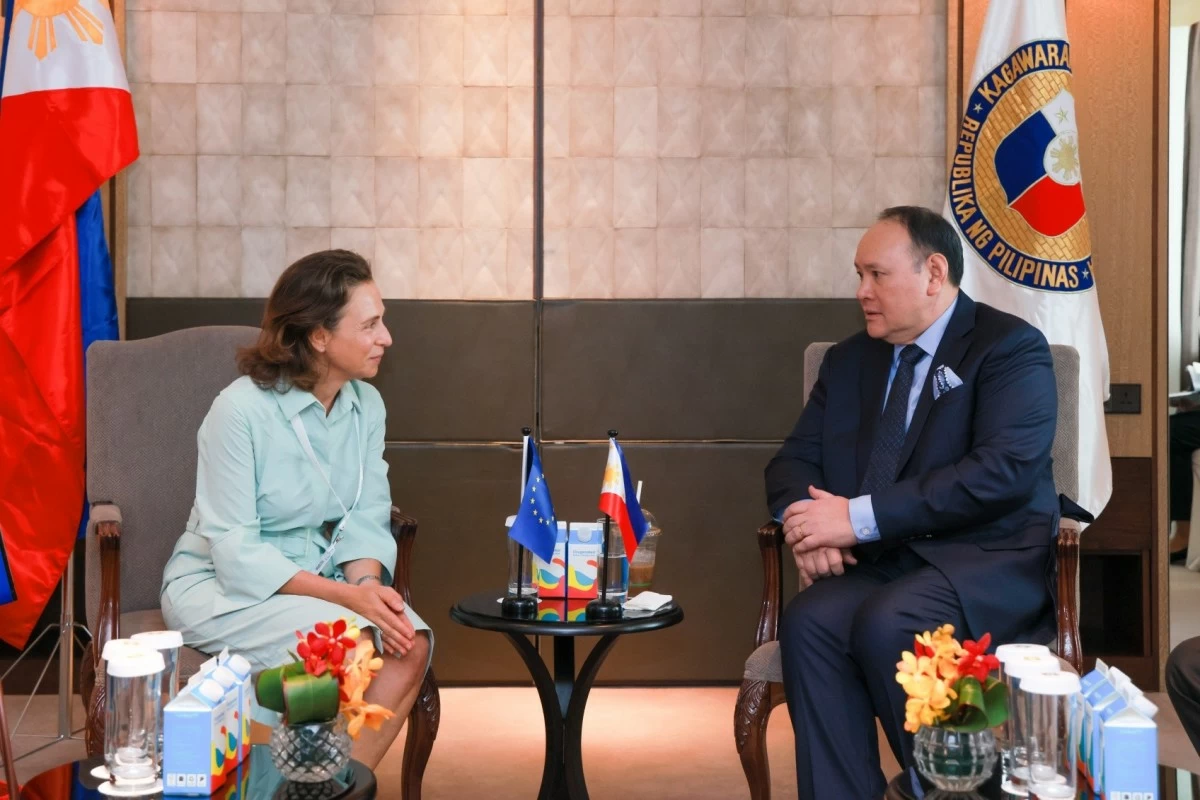
Department of National Defense (DND) Secretary Gilberto Teodoro Jr. and European External Action Service Secretary General Belén Martínez Carbonell (Photo: DND)
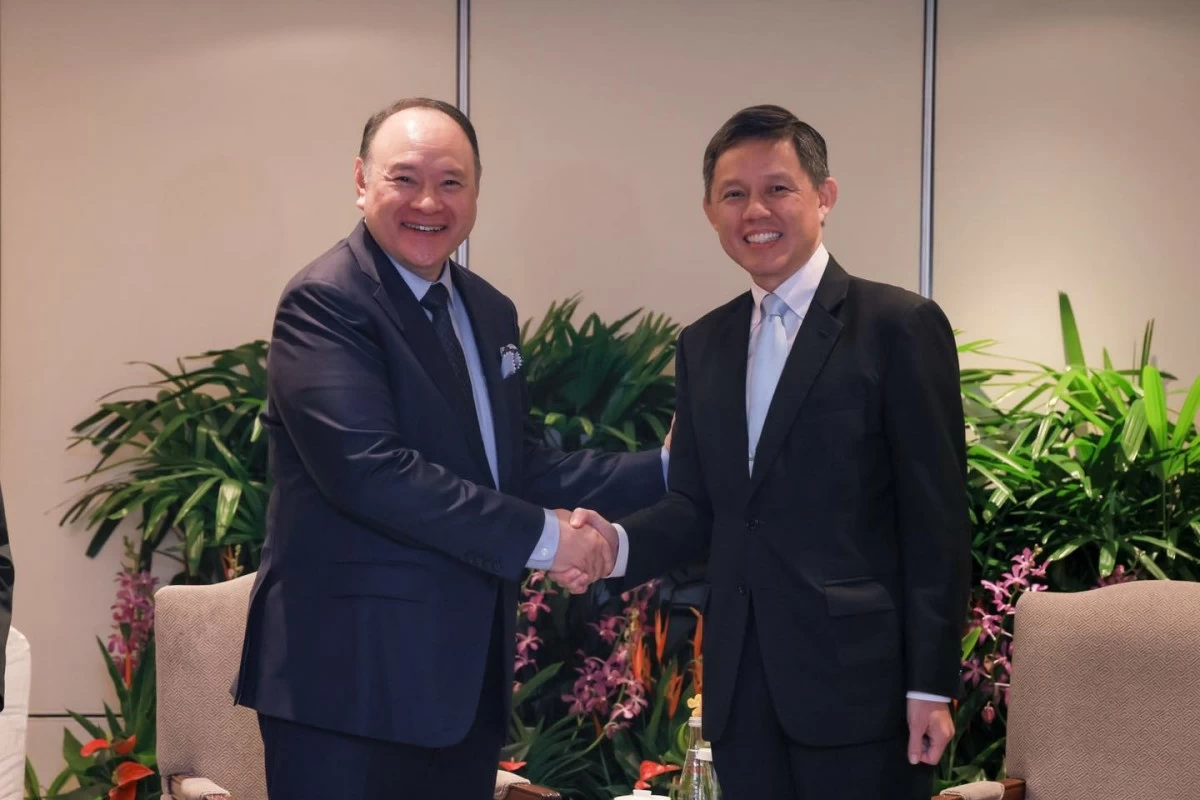
Department of National Defense (DND) Secretary Gilberto Teodoro Jr. and Singaporean Defense Minister Chan Chun Sing (Photo: DND)
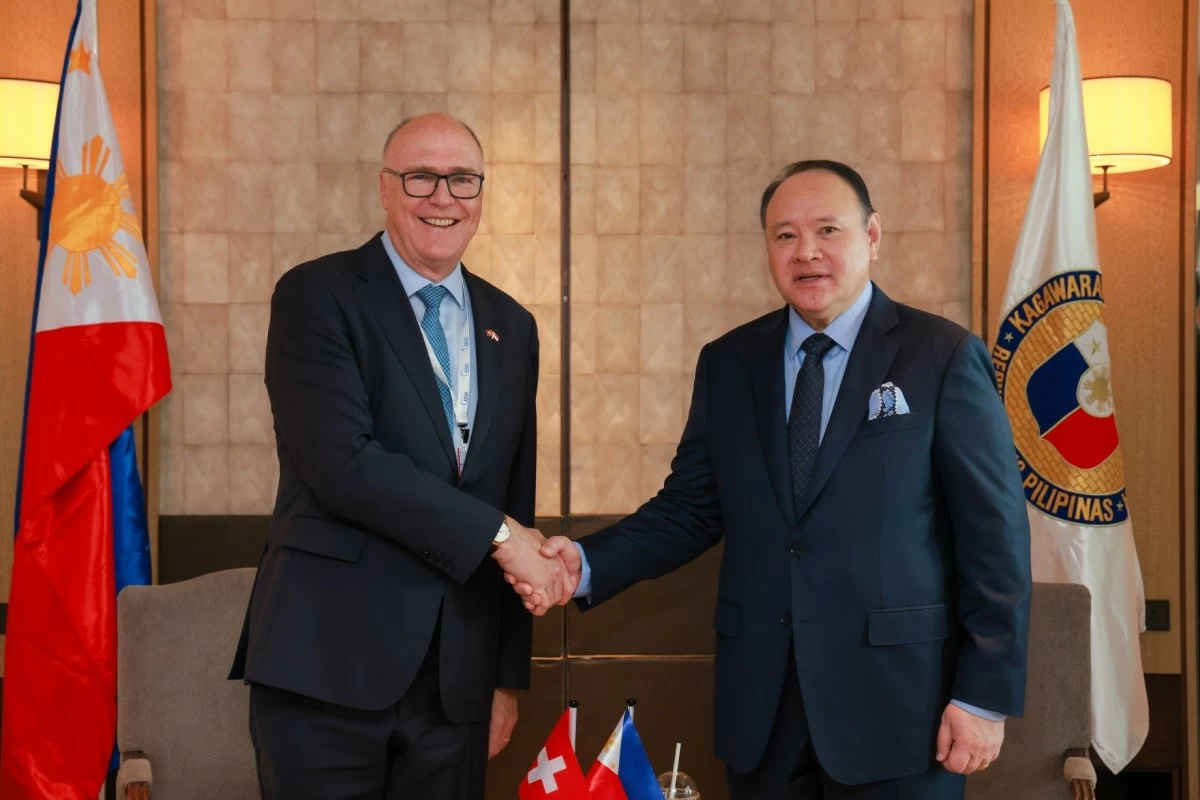
Department of National Defense (DND) Secretary Gilberto Teodoro Jr. and Swiss Federal Councilor Martin Pfister (Photo: DND)
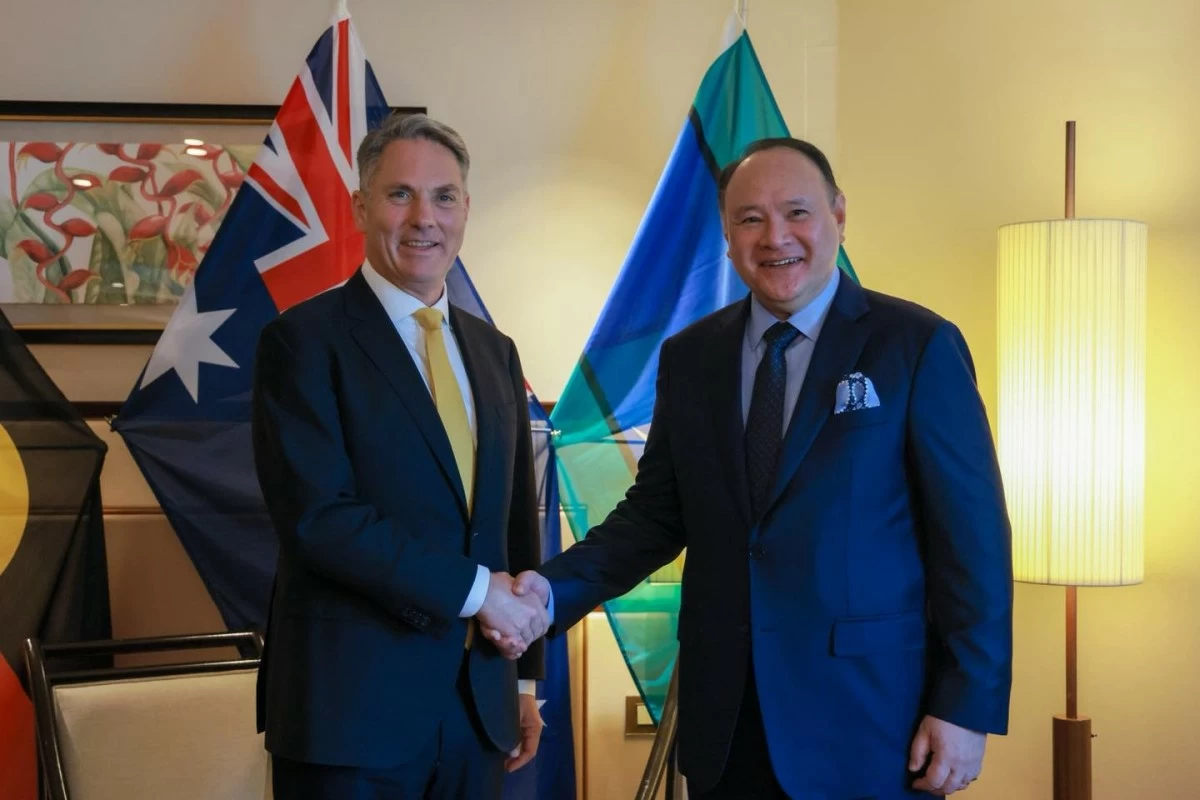
Department of National Defense (DND) Secretary Gilberto Teodoro Jr. and Australian Deputy Prime Minister and Defense Minister Richard Marles (Photo: DND)