






Manila Bulletin
 Embassies & Foreign Affairs
Singapore students look to Pasig for lessons on sustainability and community innovation
Embassies & Foreign Affairs
Singapore students look to Pasig for lessons on sustainability and community innovation
Embassies & Foreign Affairs
Singapore students look to Pasig for lessons on sustainability and community innovation
Singapore students look to Pasig for lessons on sustainability and community innovation
Published May 30, 2026 03:21 pm


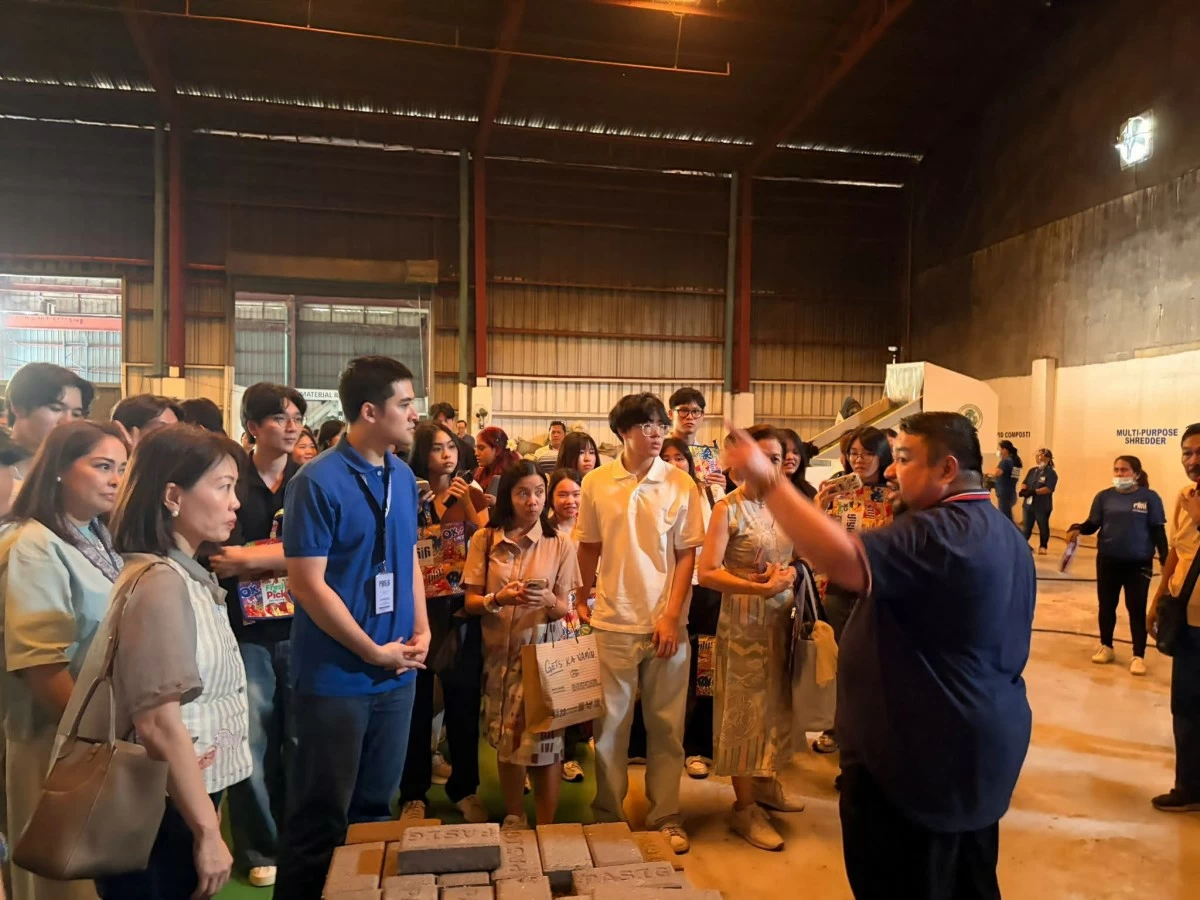
National University of Singapore students visit Pasig to learn about sustainability practices in Fashion. (Photos: Embassy of Singapore)
As cities across Southeast Asia confront growing environmental and urban pressures, sustainability is increasingly becoming less about abstract targets and more about how communities actually live, work, and adapt on the ground.
In Pasig this May, that conversation played out through weaving demonstrations, recycled textiles, policy discussions, and student exchanges as a delegation from the National University of Singapore’s (NUS) Sheares Hall visited the Philippines under the Southeast Asia Friendship Initiative (SFI), an educational exchange program focused on sustainability, innovation, and enterprise.’
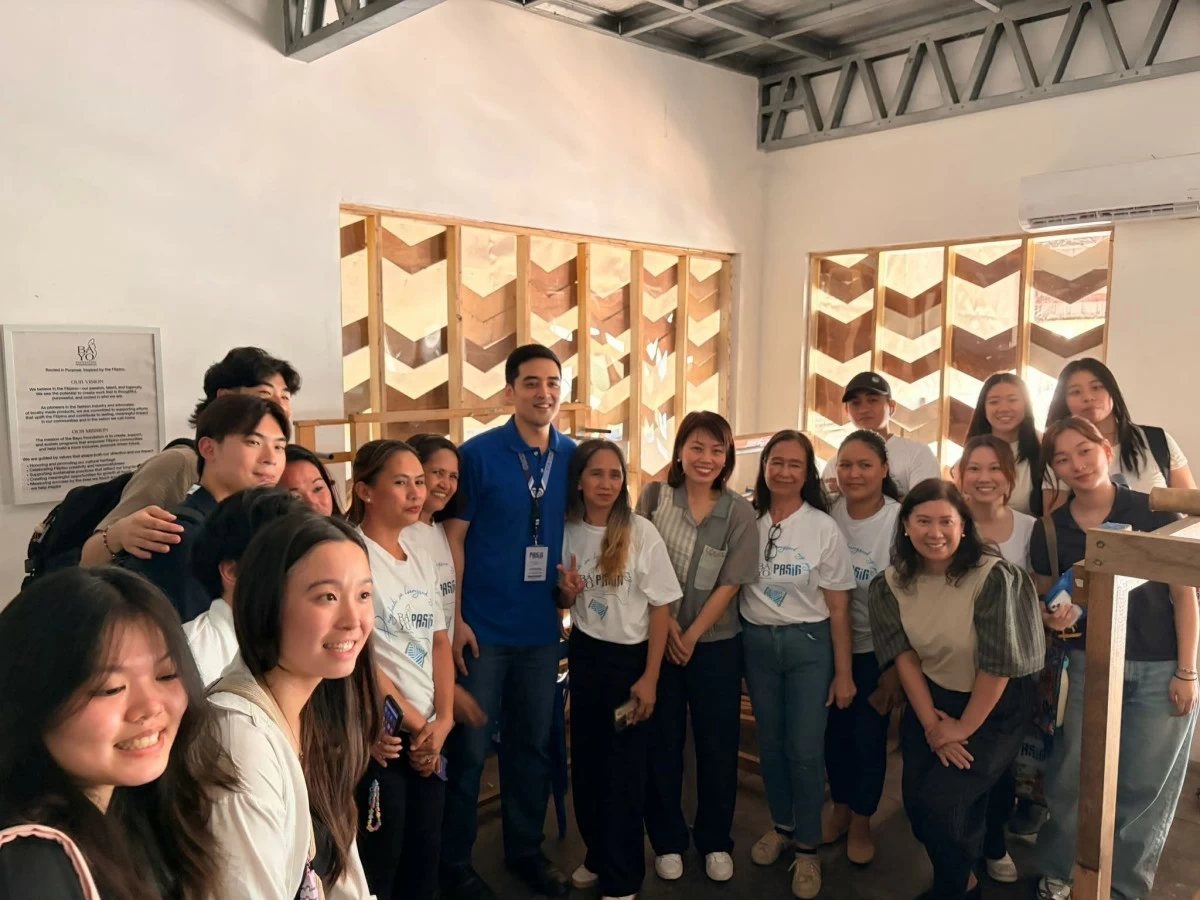
Ambassador Constance See joined Pasig Mayor Vico Sotto and NUS students for a dialogue session at the city’s Innovation for Circular Economy (ICE) Hub.
From May 11 to 21, the Singaporean students participated in immersions designed to expose them to community-led sustainability efforts in the Philippines, particularly those taking shape in Pasig City.
One of the key moments of the visit came on May 12, when Singapore Ambassador Constance See joined Pasig Mayor Vico Sotto for a dialogue session at the city’s Innovation for Circular Economy (ICE) Hub. Discussions centered on sustainability, circular economy solutions, and the role of young people in shaping more inclusive and future-ready communities.
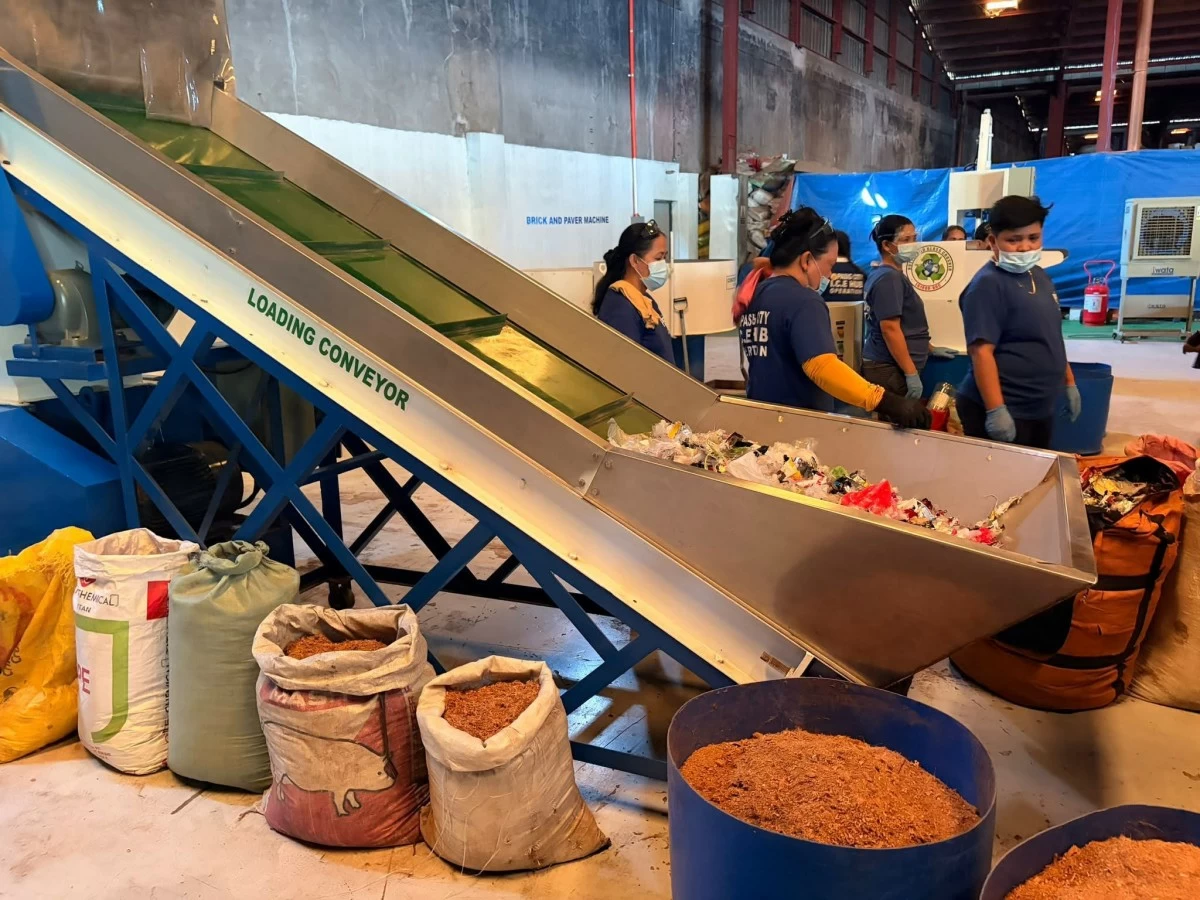
At the HARVEST Creative Community Hub the Bayo Foundation transforms factory scraps and discarded uniforms into new products while supporting local craftsmanship and livelihood initiatives.
For Singapore, the exchange reflected a broader investment in regional relationships that extend beyond economics and formal diplomacy. “Singapore and the Philippines are close friends, neighbours, and partners,” Ambassador See said during the visit. “Beyond our strong economic ties, what truly binds our countries together are the connections between our peoples — students, families, communities and businesses.”
She added that educational exchanges allow young Southeast Asians to understand one another beyond formal settings.
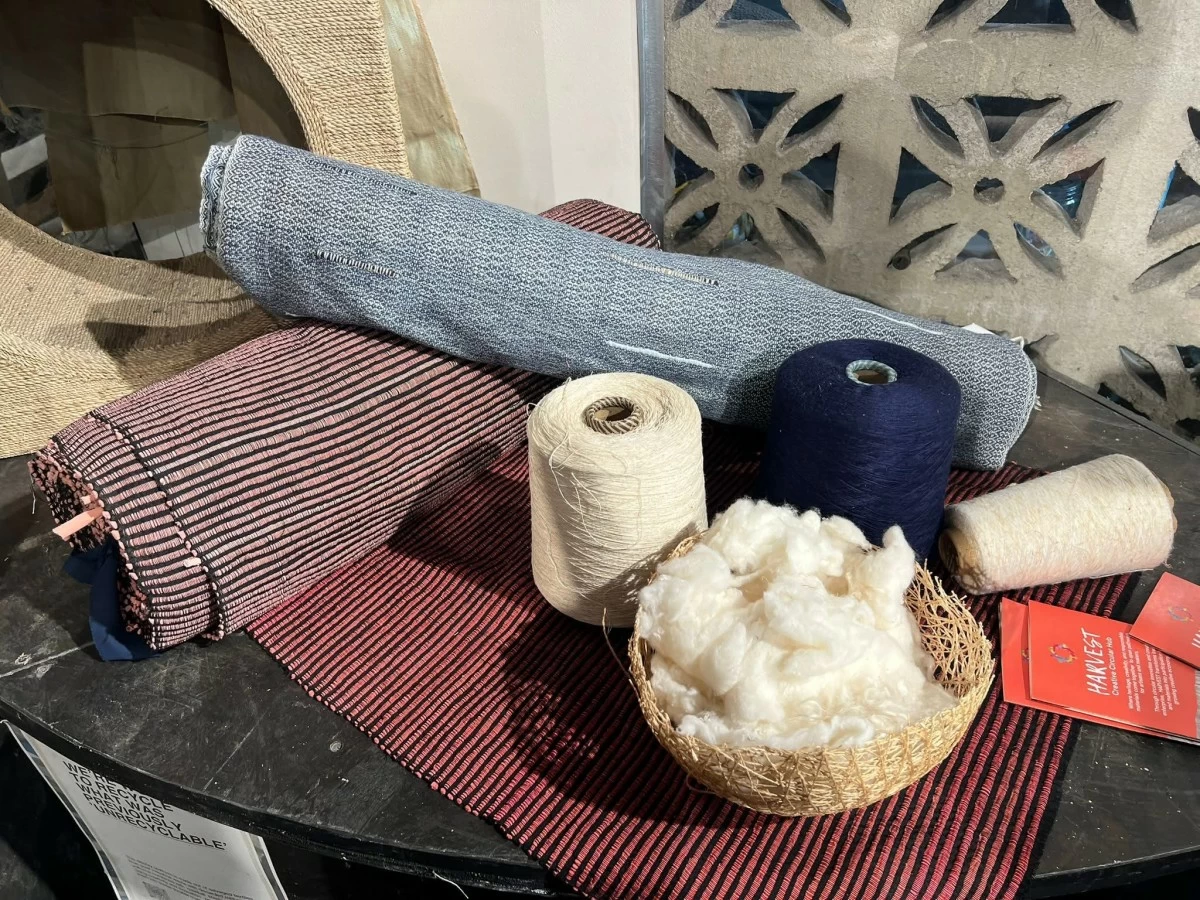
New materials made from scraps.
“They deepen understanding of our shared Southeast Asian identity, build lasting friendships, and develop a shared sense of responsibility for the future of our region,” she said.
The students also visited the HARVEST Creative Community Hub, a project of the Bayo Foundation that transforms factory scraps and discarded uniforms into new products while supporting local craftsmanship and livelihood initiatives. There, students observed weaving demonstrations, explored material innovation projects, and engaged directly with local weavers whose work sits at the intersection of sustainability, design, and economic empowerment.
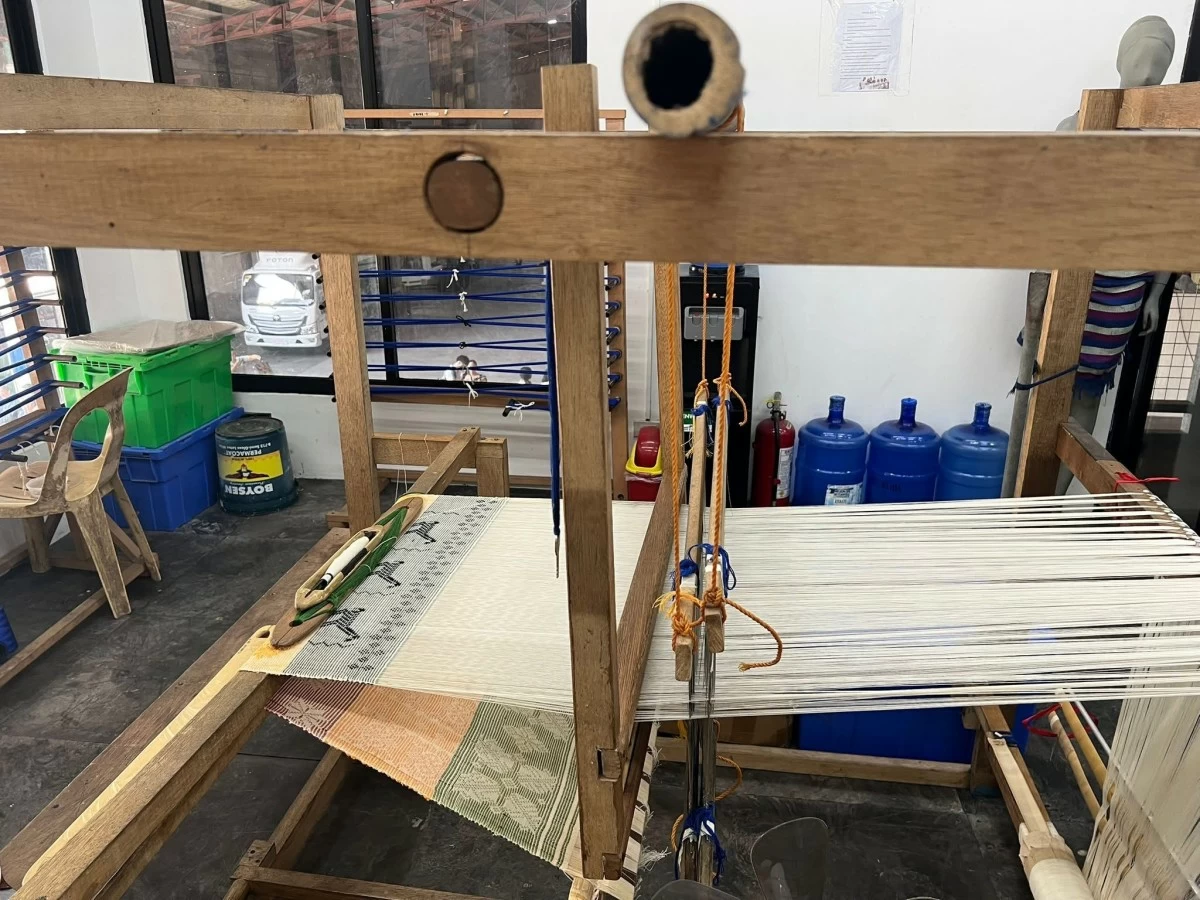
These new materials are used to weave new fabric
What made the immersion particularly interesting was how grounded it felt in everyday realities rather than broad sustainability rhetoric. The visit highlighted how circular economy practices are already being integrated into communities—not necessarily through large-scale technological interventions, but through systems rooted in reuse, craftsmanship, local participation, and small-scale enterprise.
Mayor Sotto emphasized the importance of partnerships and citizen participation in building more responsive and future-ready cities. And in many ways, that collaborative approach became the defining theme of the exchange itself.
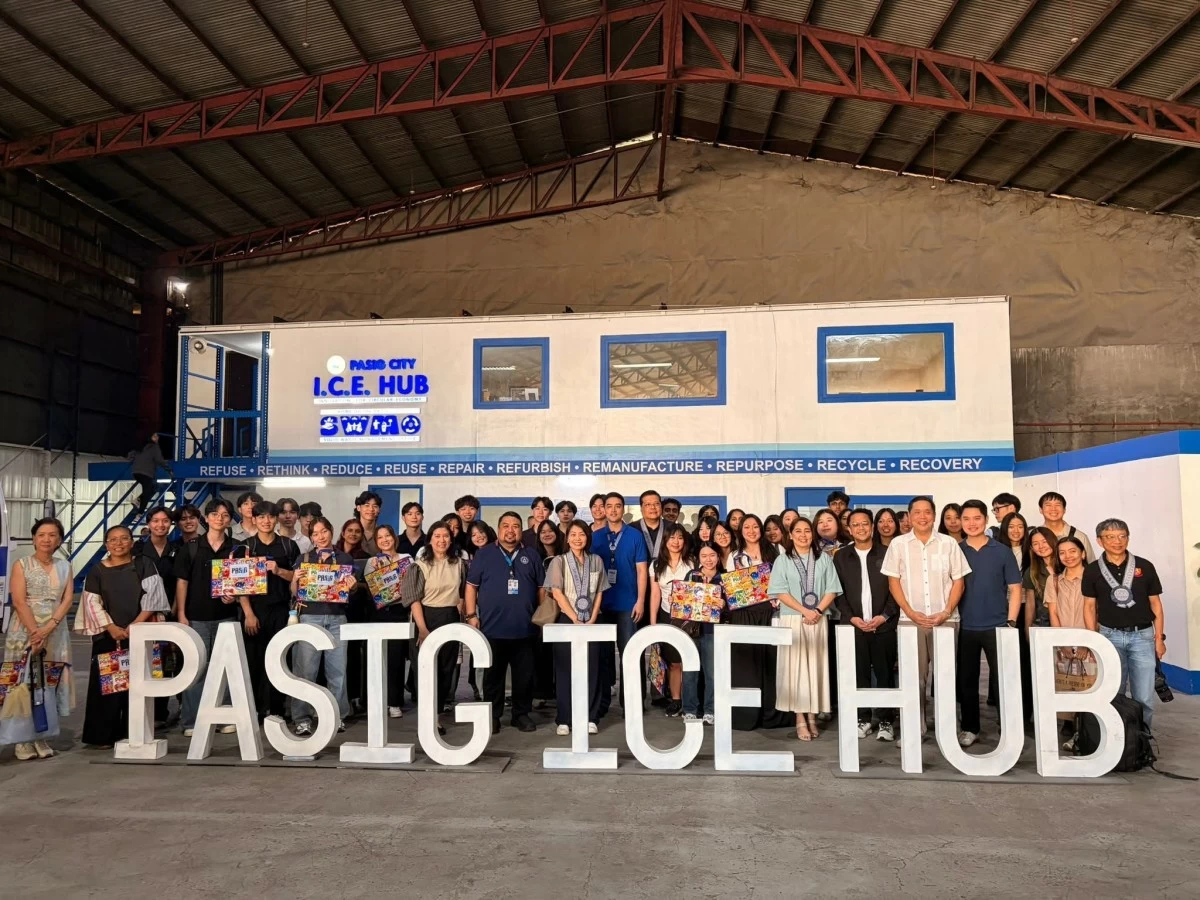
Pasig City and Singaporean Embassy officials pose with members of the Bayo Foundation and NUS students
The program brought together local government, students, social entrepreneurs, educators, and community groups within the same space—an increasingly important model as Southeast Asian cities search for solutions that are both sustainable and socially inclusive.
Rather than treating sustainability as a standalone environmental issue, the discussions in Pasig repeatedly connected it to livelihood, education, innovation, and community participation. For the visiting students, the experience also offered something difficult to replicate in classrooms: direct exposure to how another Southeast Asian city responds to its own urban and environmental challenges.