







PAGASA declares start of habagat; rains to drench western PH
By Jel Santos
Published May 30, 2026 08:34 am
|
Updated May 30, 2026 02:04 pm


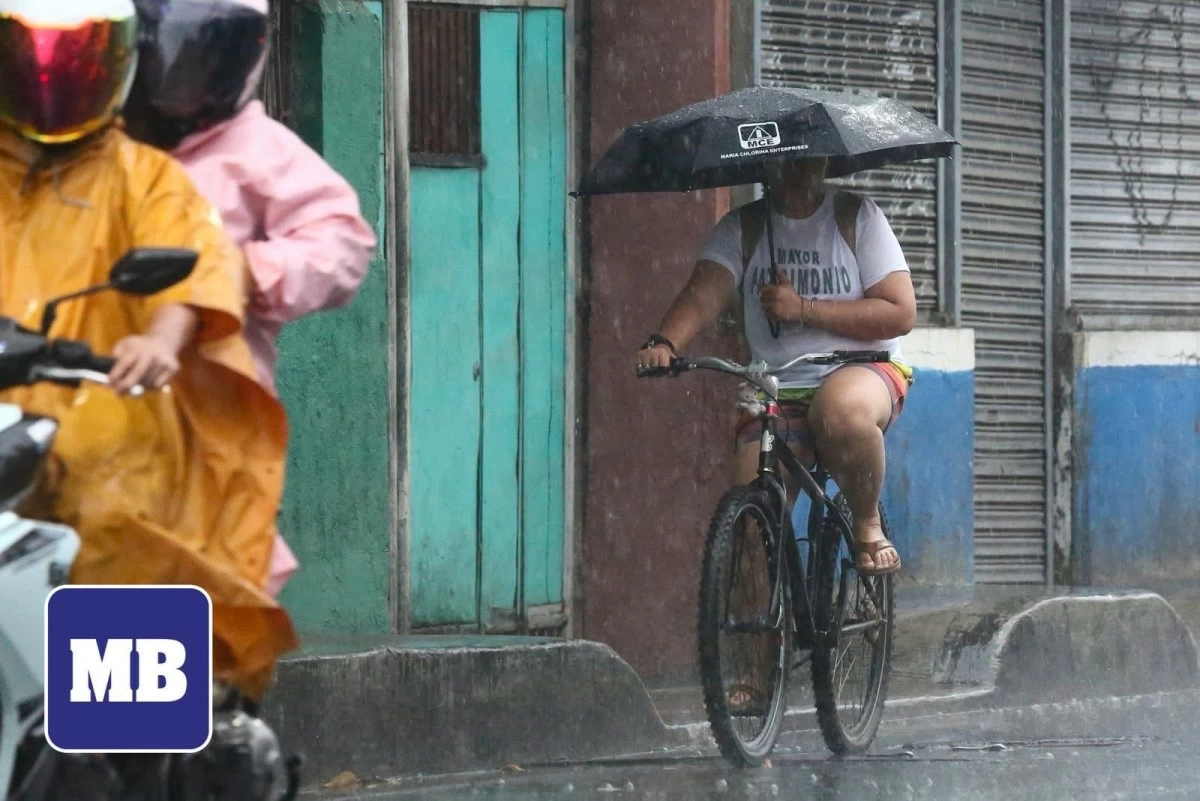
(MB FILE PHOTO)
The Philippine Atmospheric, Geophysical and Astronomical Services Administration (PAGASA) on Saturday, May 30, declared the start of the southwest monsoon or Habagat, a weather system expected to bring occasional to frequent rains and thunderstorms, particularly over the western sections of the country.
According to PAGASA, recent weather analyses showed the presence of southwesterly winds over the western portion of the country, which may persist due to the recent development of a tropical cyclone over the Philippine Sea.
“With the intrusion of westerly winds and the progression of the general meteorological pattern across the country, these developments suggest the start of the Southwest Monsoon (Habagat), which is one of the precursors of the onset of the rainy season,” the agency said.
PAGASA said the southwest monsoon is expected to become a more dominant weather system in the coming days.
“As the Habagat becomes a more dominant weather system, occasional to frequent rains and thunderstorms are expected, particularly over the western sections of the country. This may lead to the possible onset of the rainy season in the coming days,” it said.
Per PAGASA, for the rainy season to be declared, at least seven of the 13 monitoring stations across the western parts of Luzon and the Visayas must report five consecutive days of rain, with each station accumulating a minimum of 25 millimeters of rainfall during that period.
Despite the start of Habagat, the state weather bureau said there may still be intervals of reduced rainfall, commonly referred to as monsoon breaks.
“However, there may be rain breaks that last a few days or weeks, known as monsoon breaks,” PAGASA said.
PAGASA said it will continue to monitor weather and climate conditions nationwide and urged the public to remain vigilant against the possible effects of the southwest monsoon and other weather disturbances.
“The public and all concerned agencies are advised to take precautionary measures against the adverse impacts of Habagat and other climate and weather events,” said PAGASA.