ADVERTISEMENT

Xiaomi 17T Pro review: Leica glass, periscope power, the phone that goes the distance

Published May 29, 2026 06:23 pm
This year has been jam packed full of exciting devices, and one of those that we’ve been keeping an eye on is the Xiaomi 17T Pro.
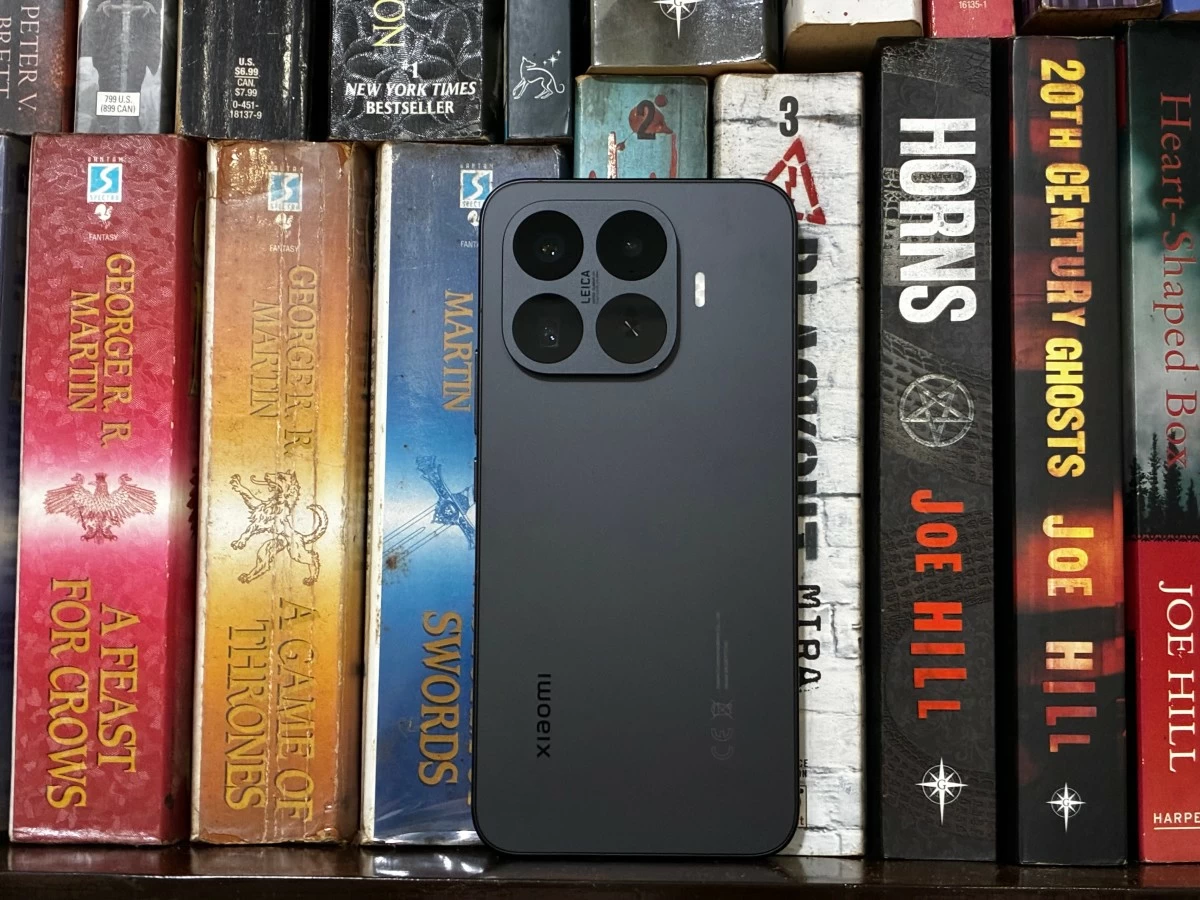
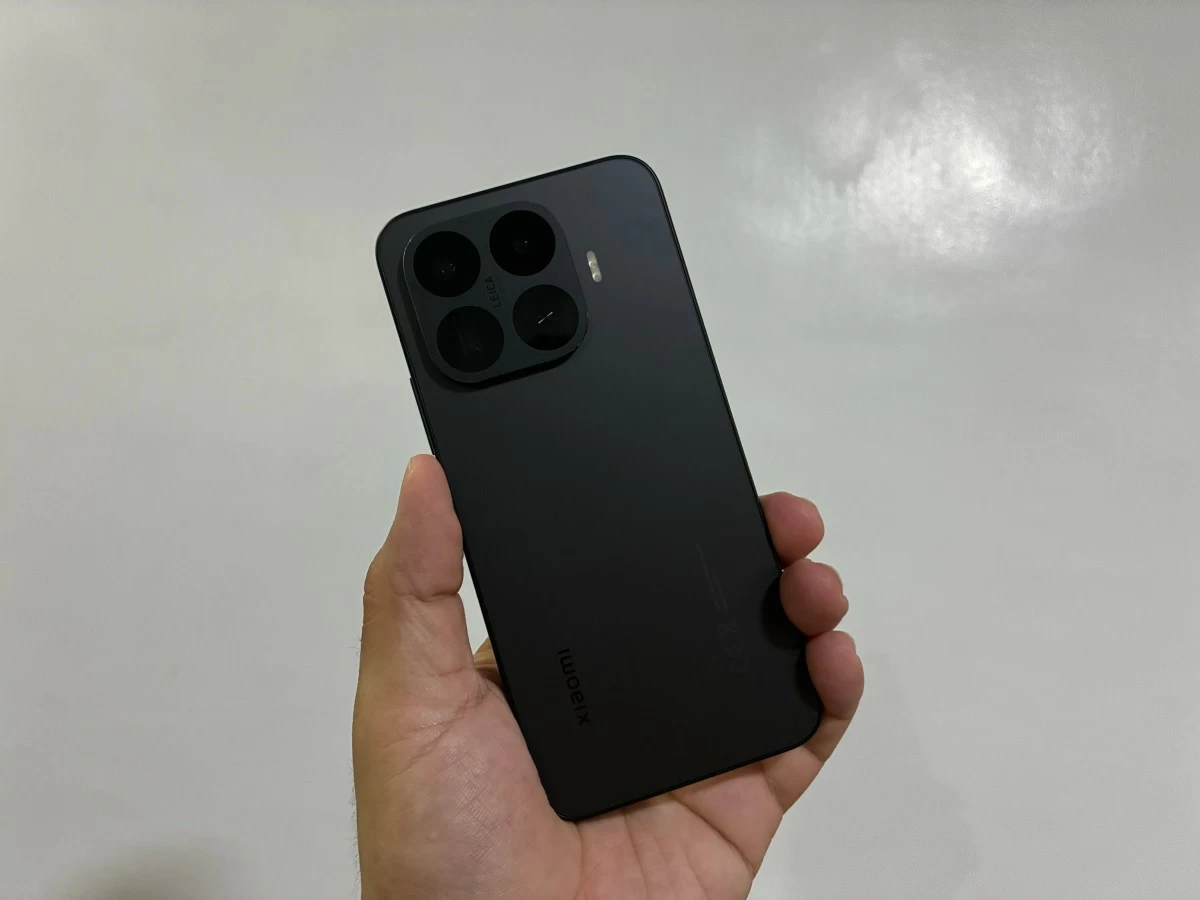
It should go without saying, but straight out of the box, the Xiaomi 17T Pro feels like a premium device. It looks good and feels good to hold. It is, for the most part, a lightweight device, and any heft you may feel when lifting it up gives it a strong and sturdy presence.
The rectangular, boxy shape is also a big welcome on my end. Personally, this type of form factor suits me very well. Anyone else who likes this style would have no problem with it.
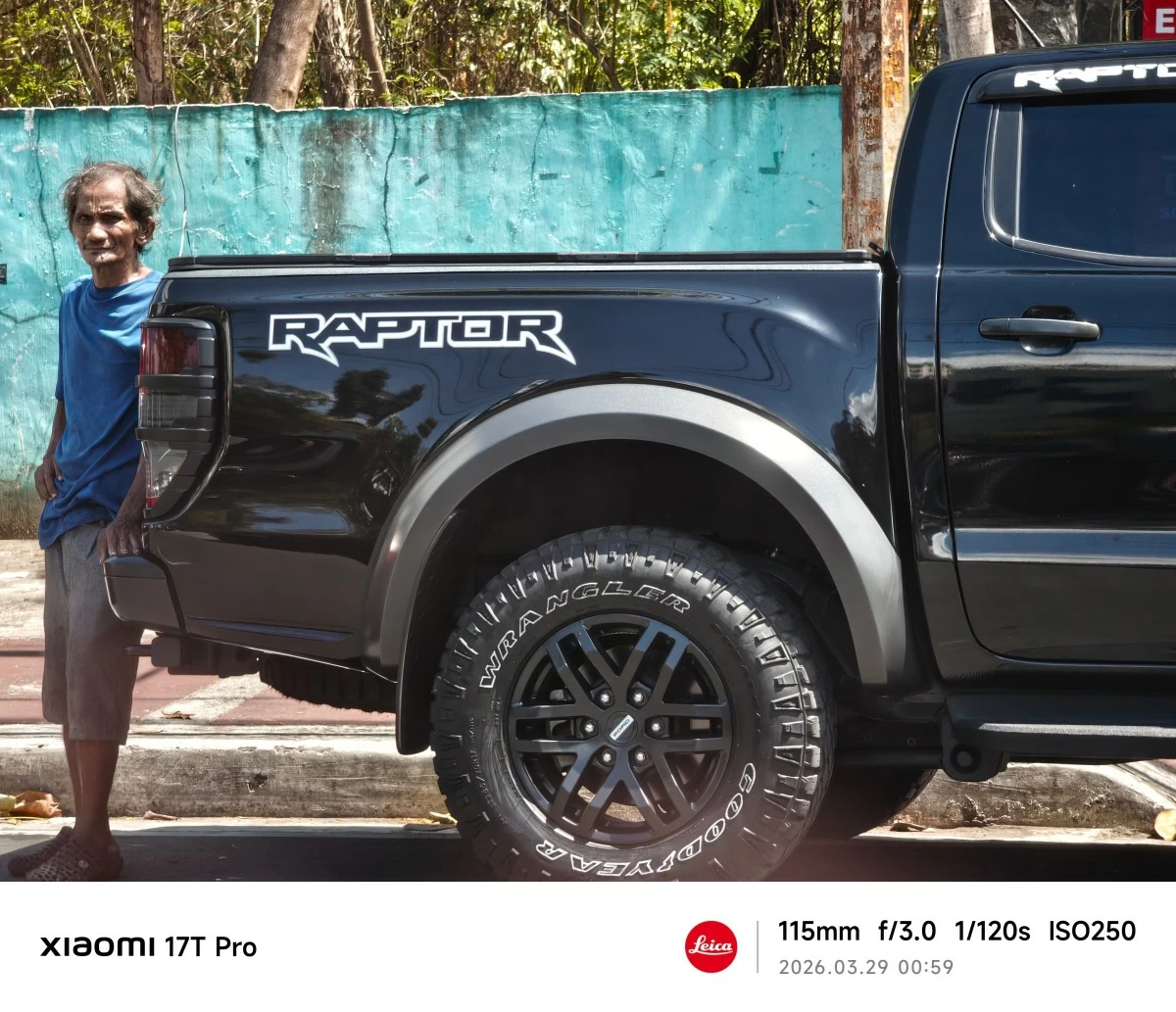
The prominent highlight we should talk about is why Xiaomi has billed the 17T Pro as the Telephoto Master. That is no small boast. The rear camera ships out with three cameras; Two 50MPs and one 12MP. That last one is ultrawide and should come in handy for large family gatherings or capturing memories in massive scenic views. One of the two 50MP cameras is designed with a periscope telephoto, giving users up to 5x optical zoom. But Xiaomi boasts users can zoom up to 120x with their AI Ultra Zoom.
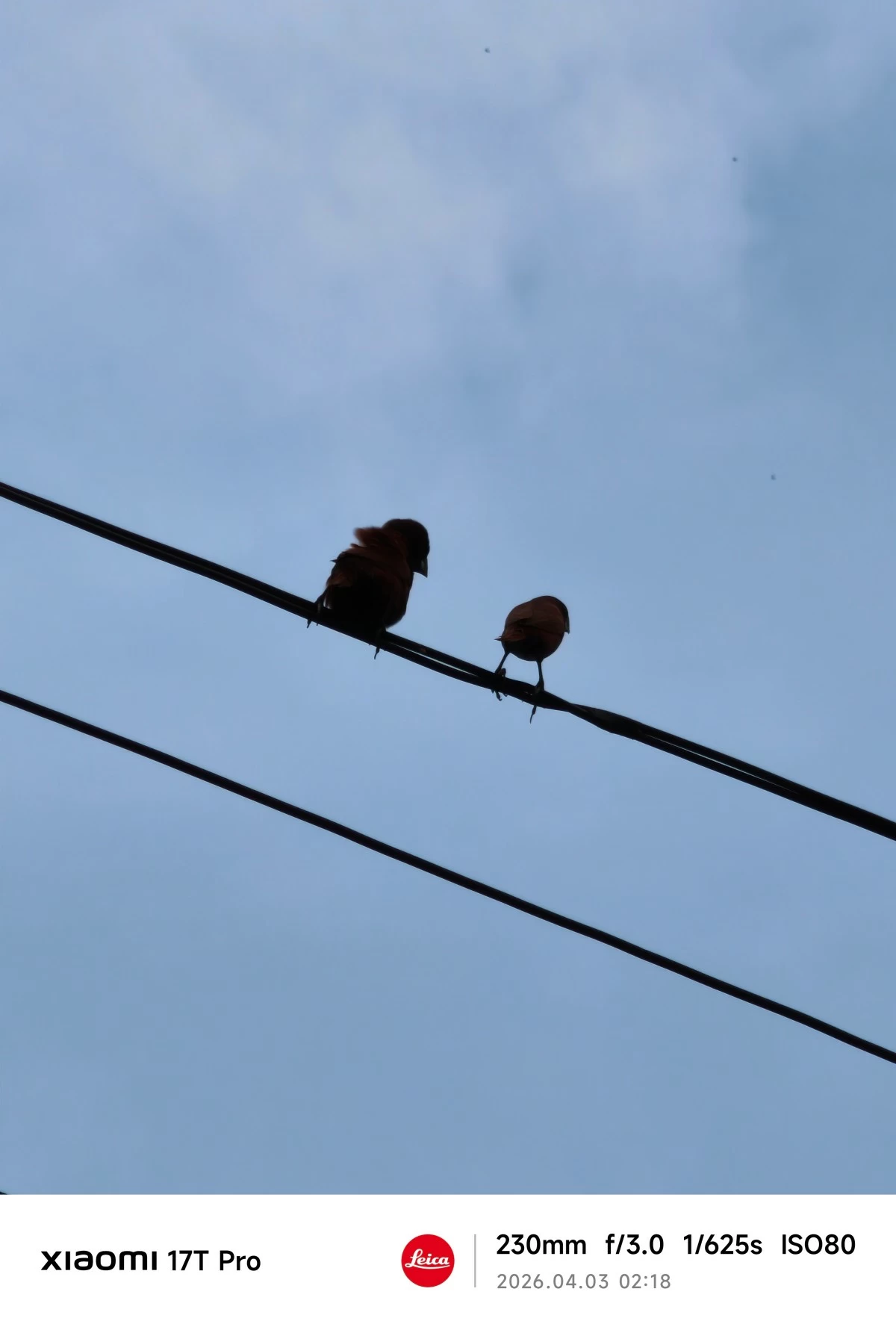
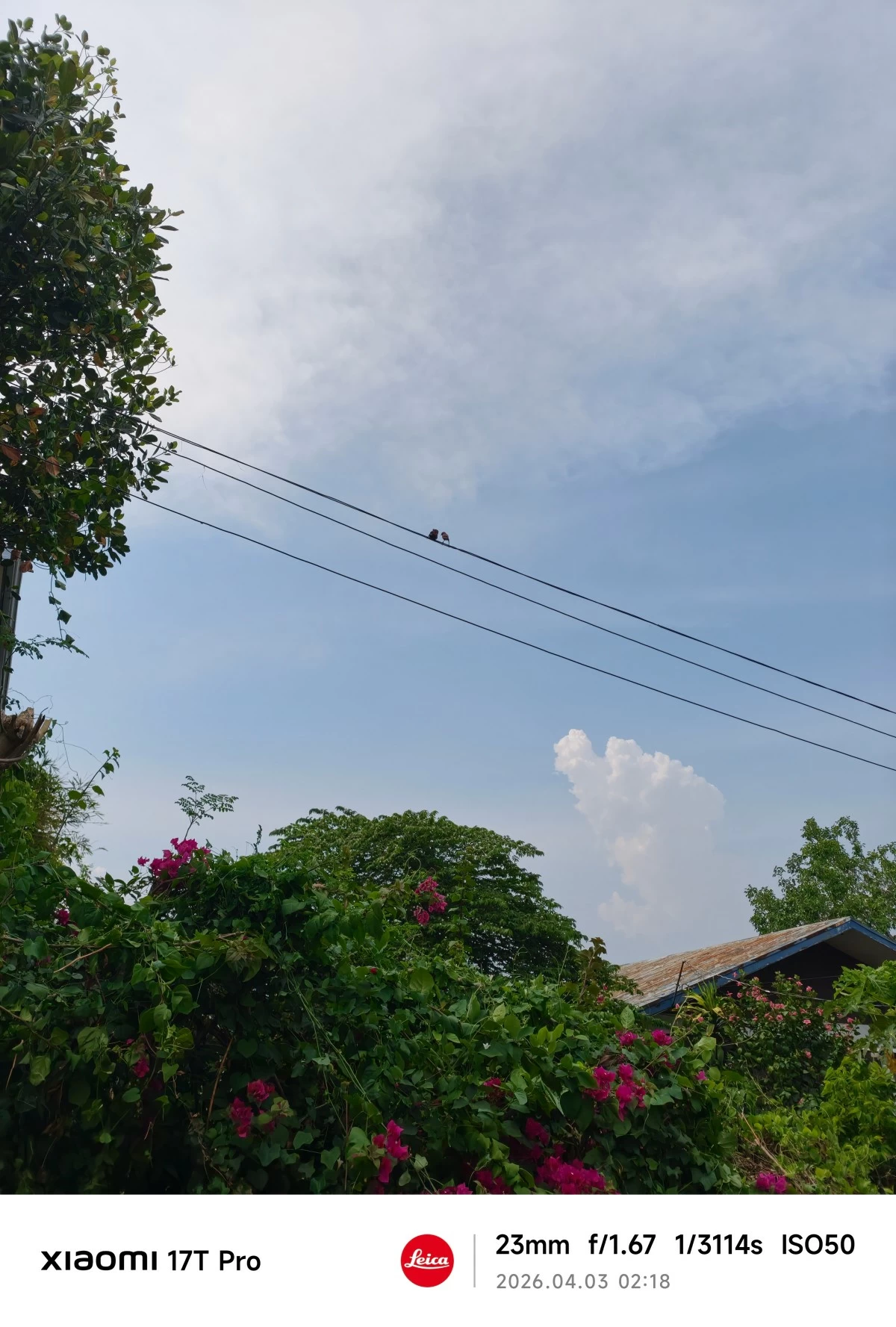
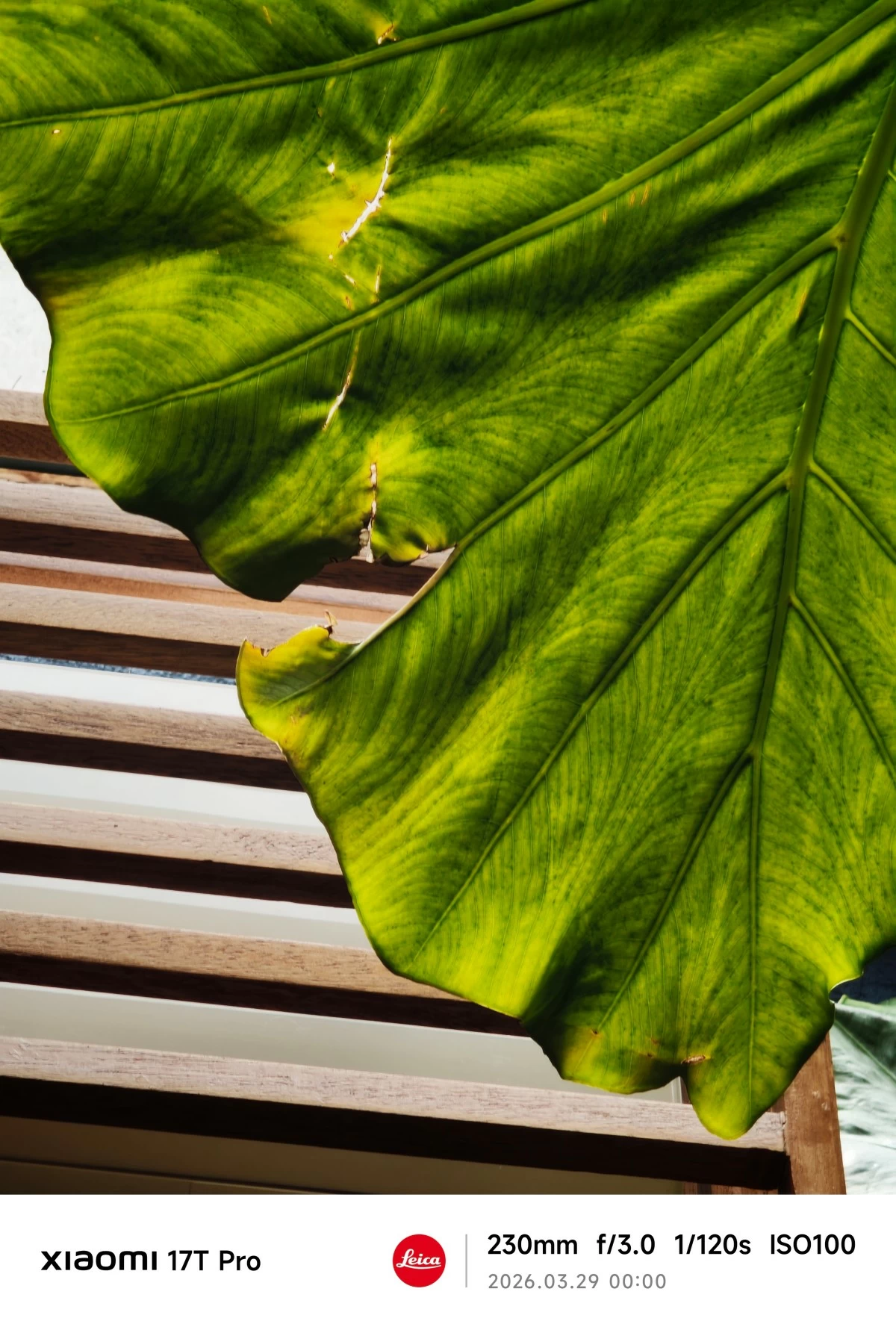
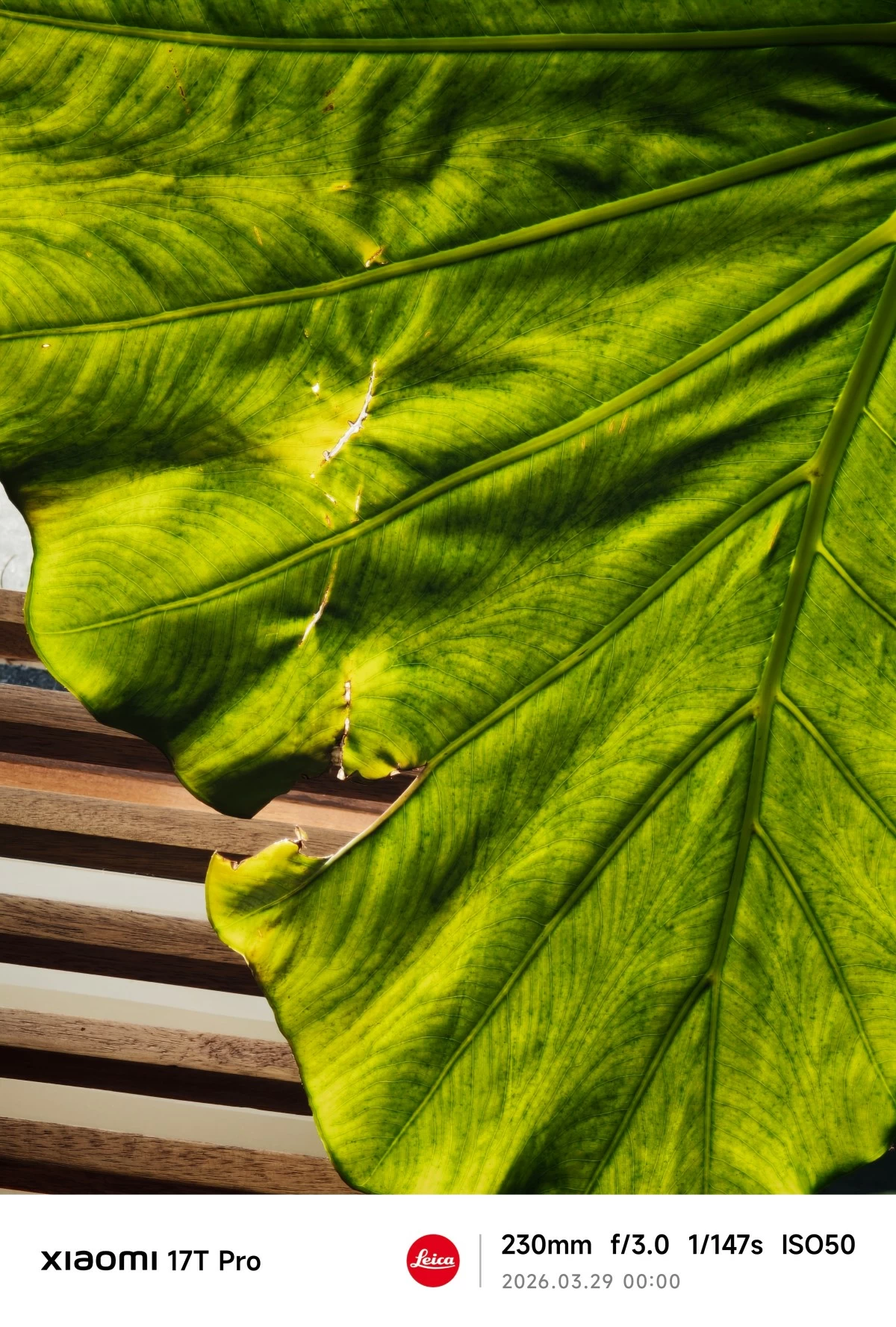
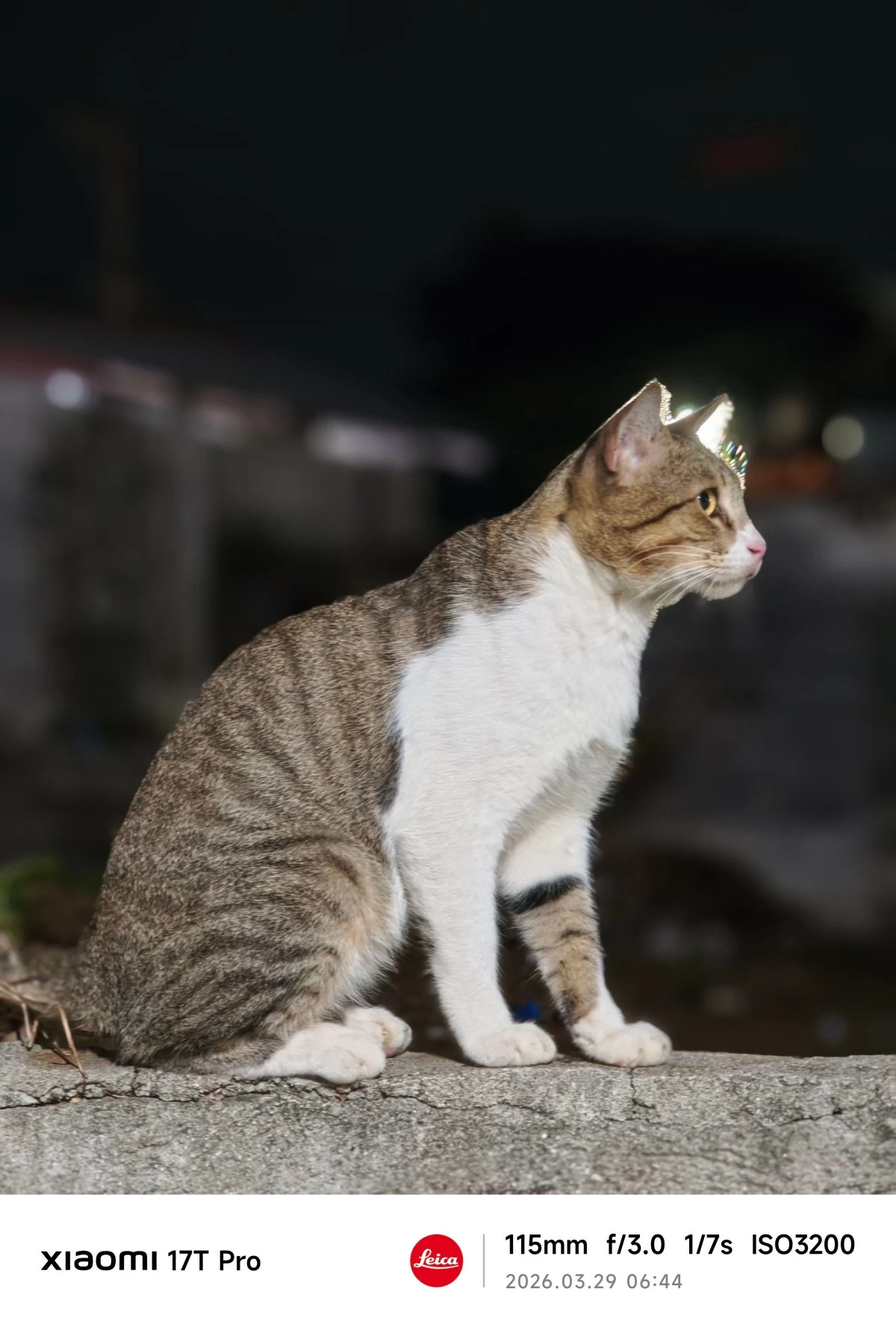
The 5x optical zoom, thus far, has been highly impressive. Images taken from afar will seem much closer with no compromise in quality. Even with the 10x zoom, the Xiaomi 17T Pro manages to capture the fine details and process vivid colors in their imagery.
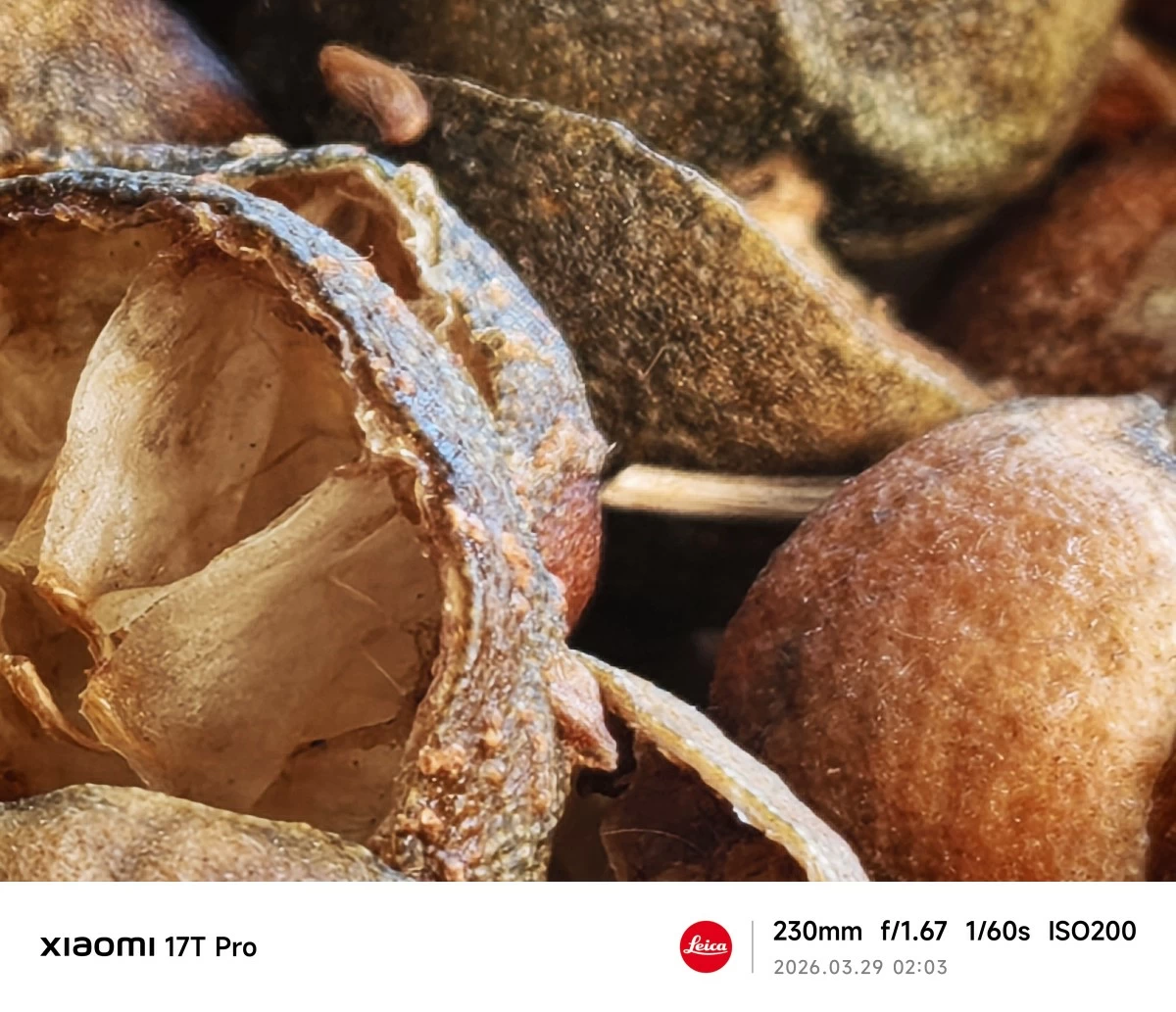
Zooming all the way to 100 and 120 will yield varied results, and that should go without saying really. However, I found that zooming that much in certain conditions can produce very interesting images, especially for macro.
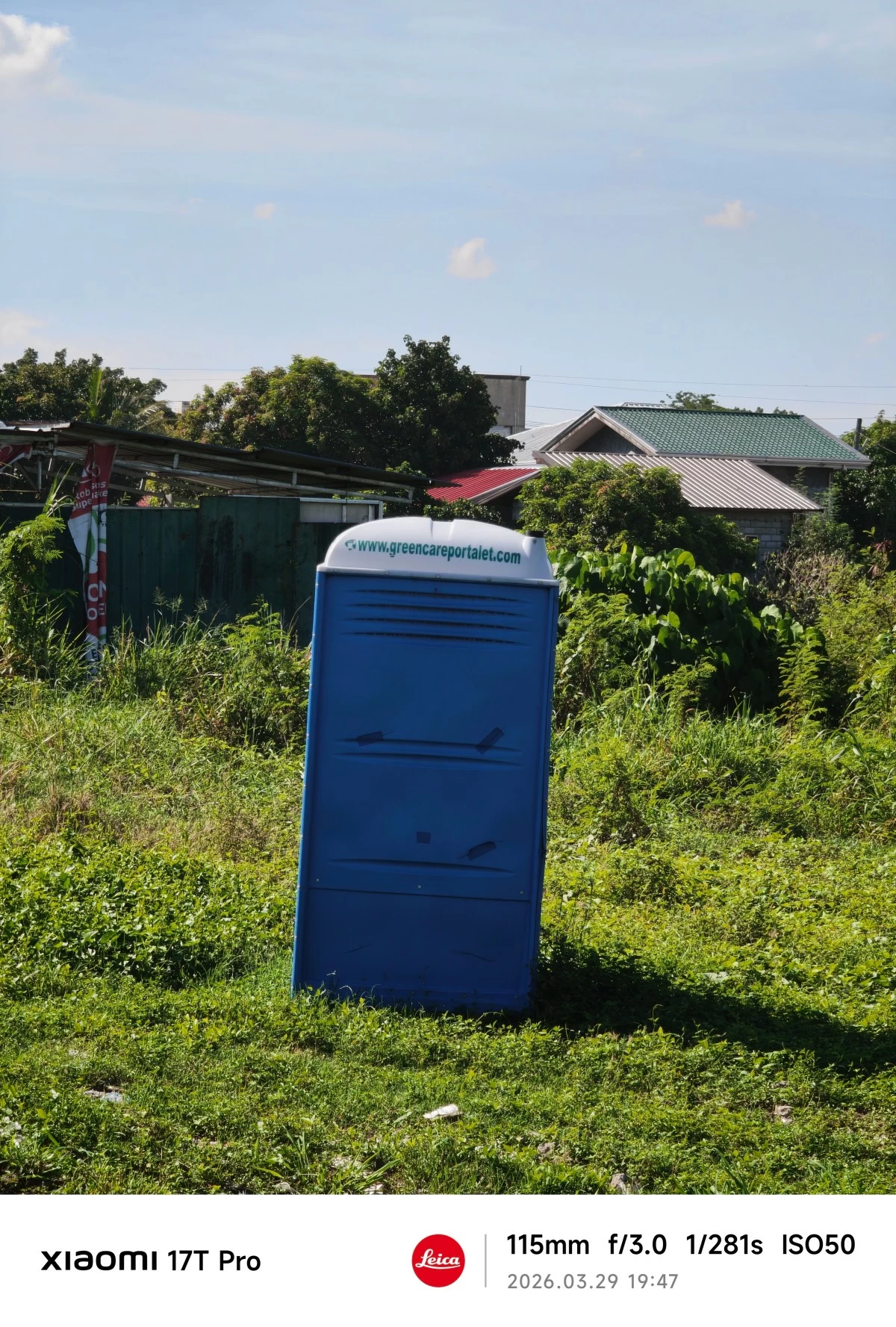
One of the best use cases on why we’d need excellent telephoto cameras–yes, concerts, I hear My Chemical Romance is due later this year, but besides that–is that we can use them to effectively take pictures of events. Imagine a relative competing in a sports game, or a recital, zooming in with a telephoto lens, such as the one from the Xiaomi 17T Pro, can create an impressive collection of highlights the family would want to see.
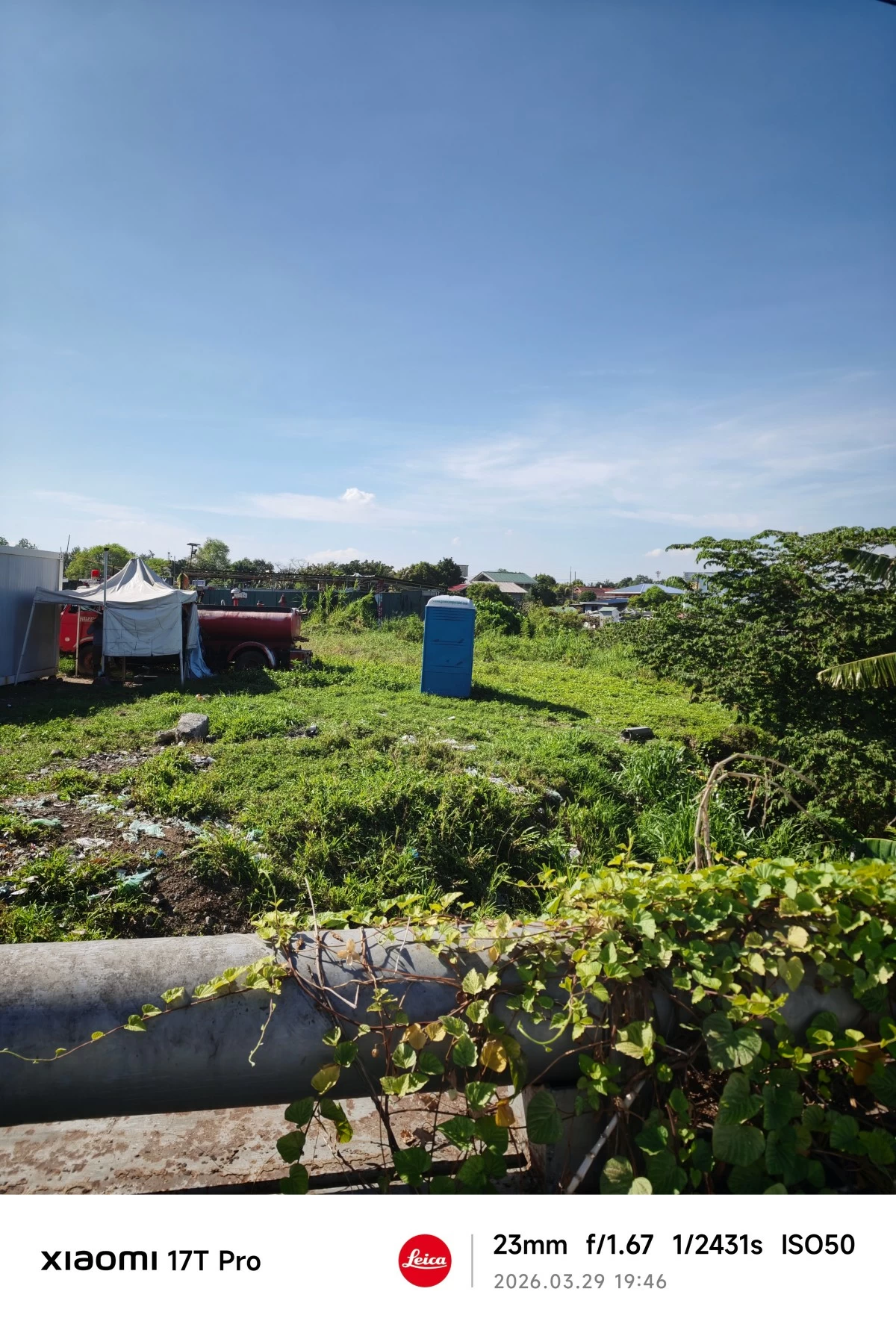
One of the more interesting details about the Xiaomi 17T Pro is the partnership with Leica, the German company that manufactures cameras and various different optics. For the case with the Xiaomi 17T Pro, the cameras are fitted with Leica’s Summilux lenses that can capture sharp and crisp images. Of course, Leica knows their name is on the line here, and they have engaged in discussions with Xiaomi on what makes a good image. The result is the development of Leica Vibrant and Leica Authentic. When the camera app is launched, in the upper right corner there is a small icon that users can tap to switch between “Leica Vibrant” and Leica Authentic.” The difference between the two is colors and contrast.
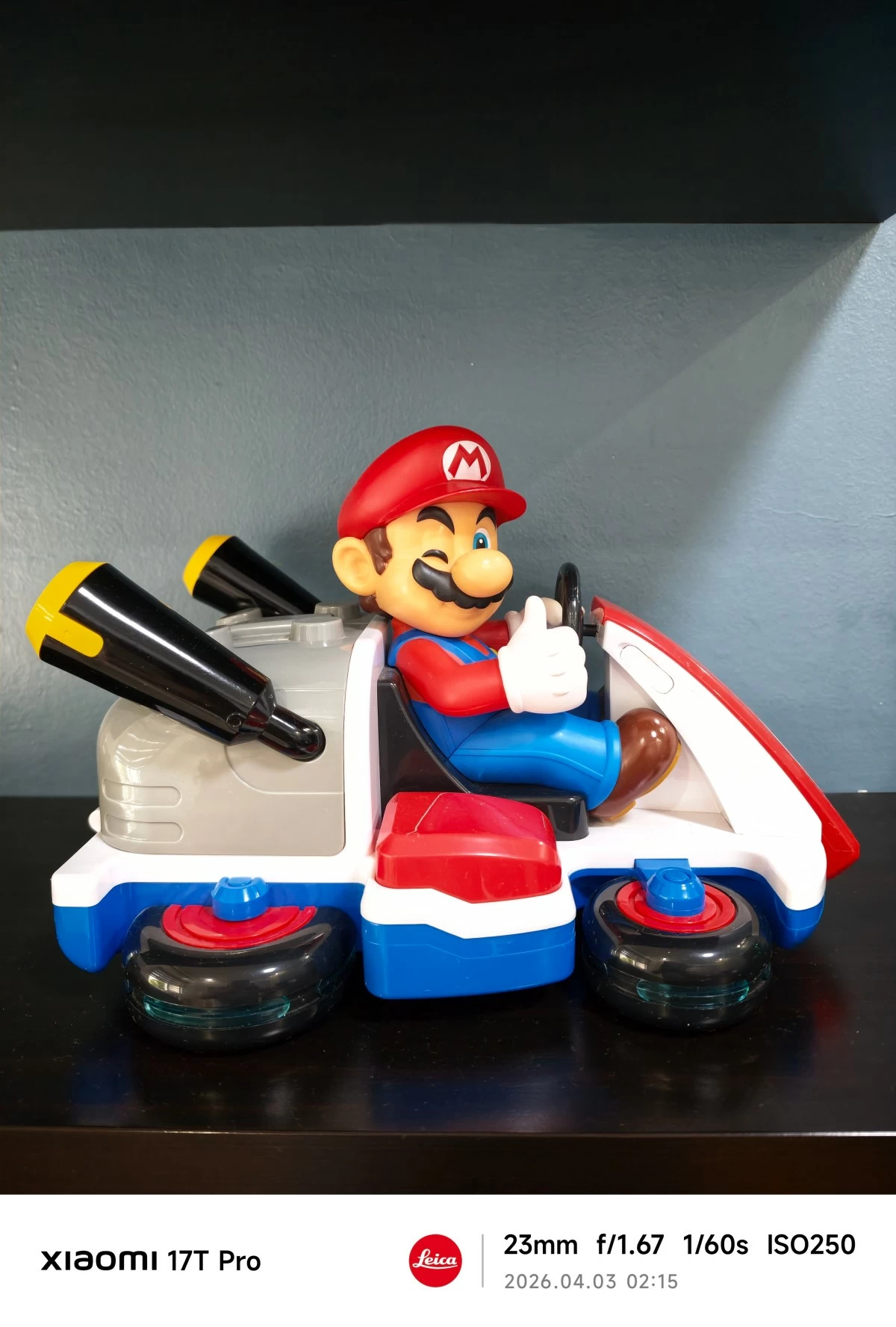
Leica Vibrant on
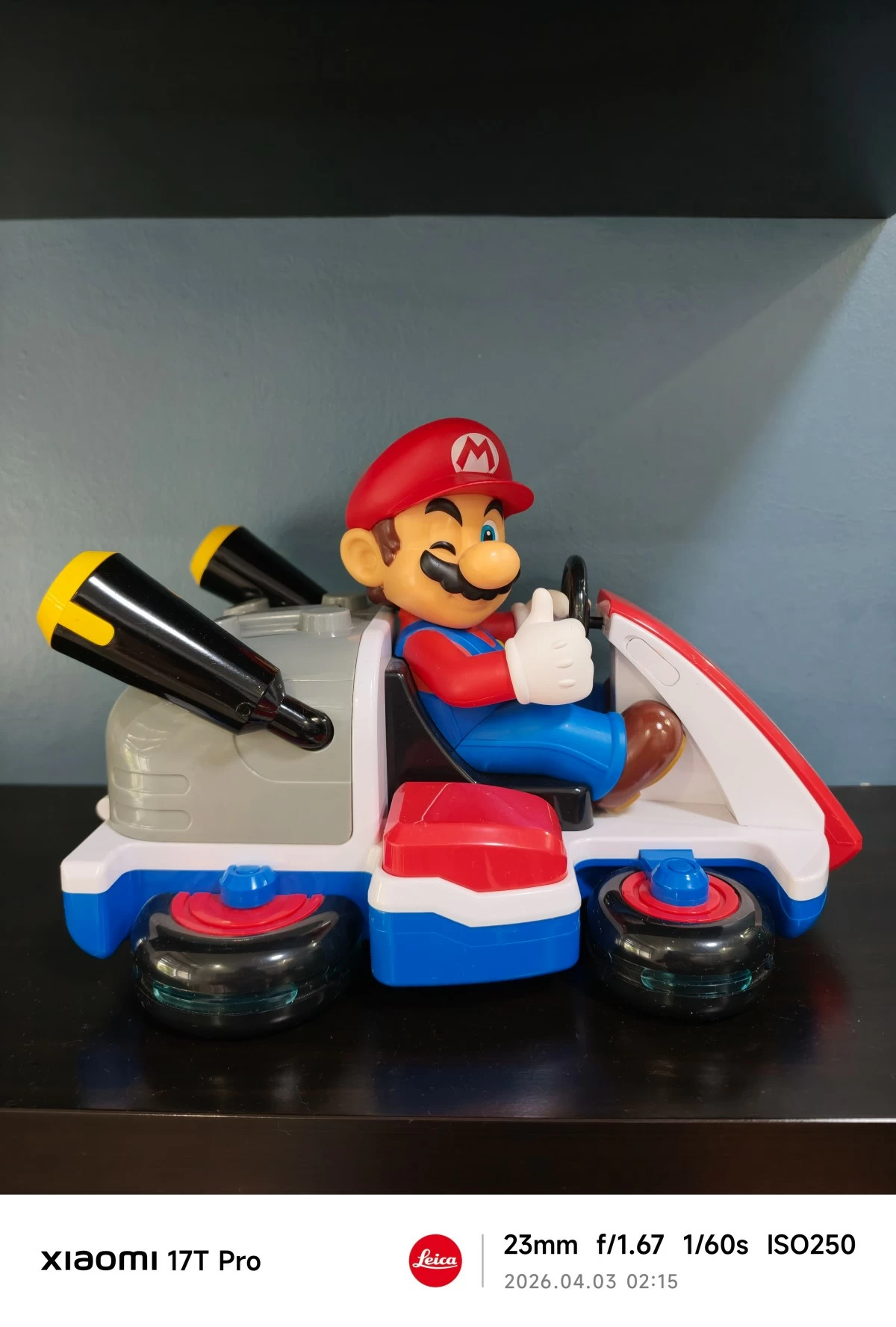
Leica Vibrant on
Leica Authentic on
Leica Authentic on
Leica Authentic leans more towards realistic and muted colors, with deep shadows and natural light. Leica Vibrant will make images look brighter and with more saturation, making images “pop.” It’s the vibrant form that most smartphone users are going to be familiar with. In the end, which one users will choose will be their preference.
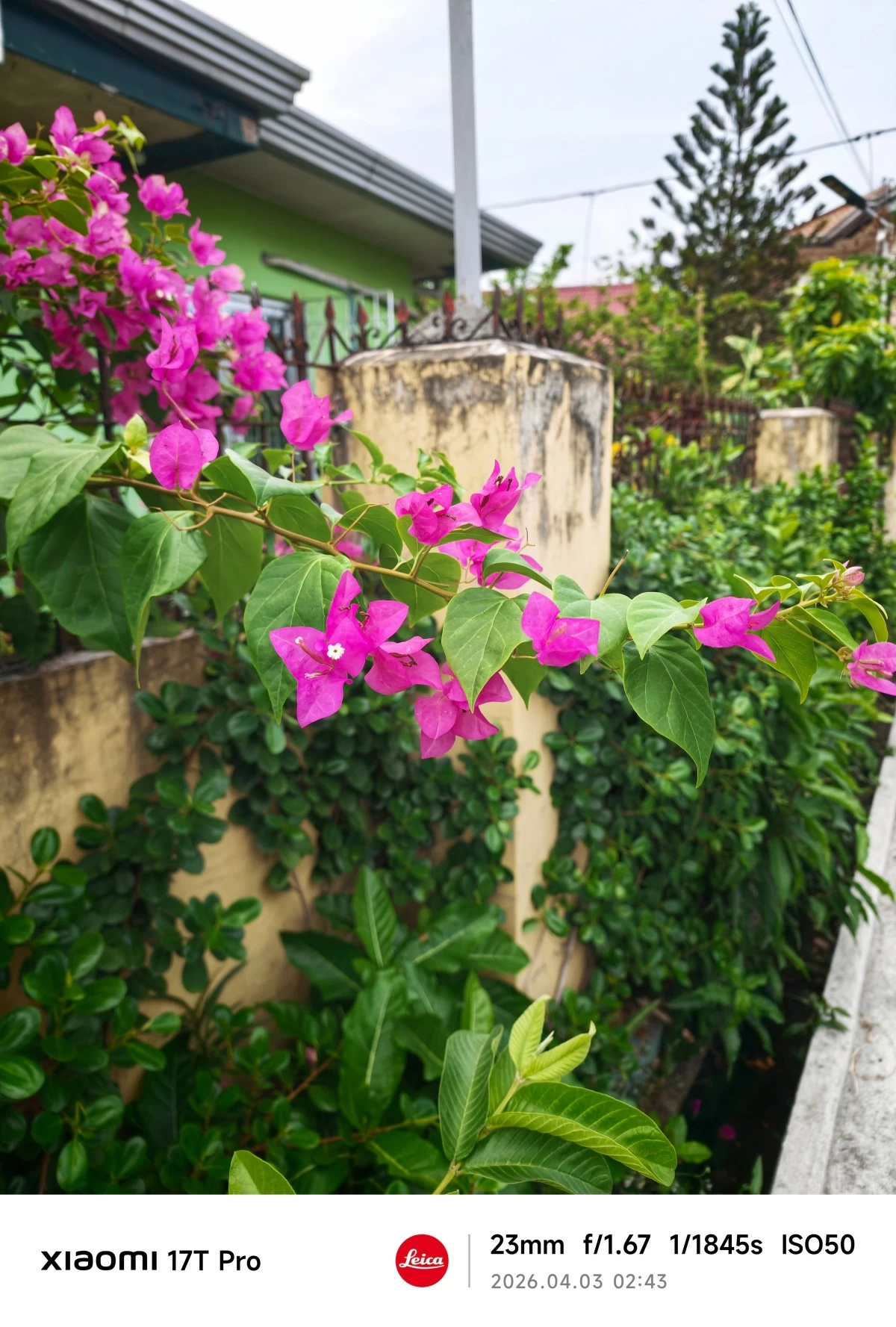
Leica Authentic on
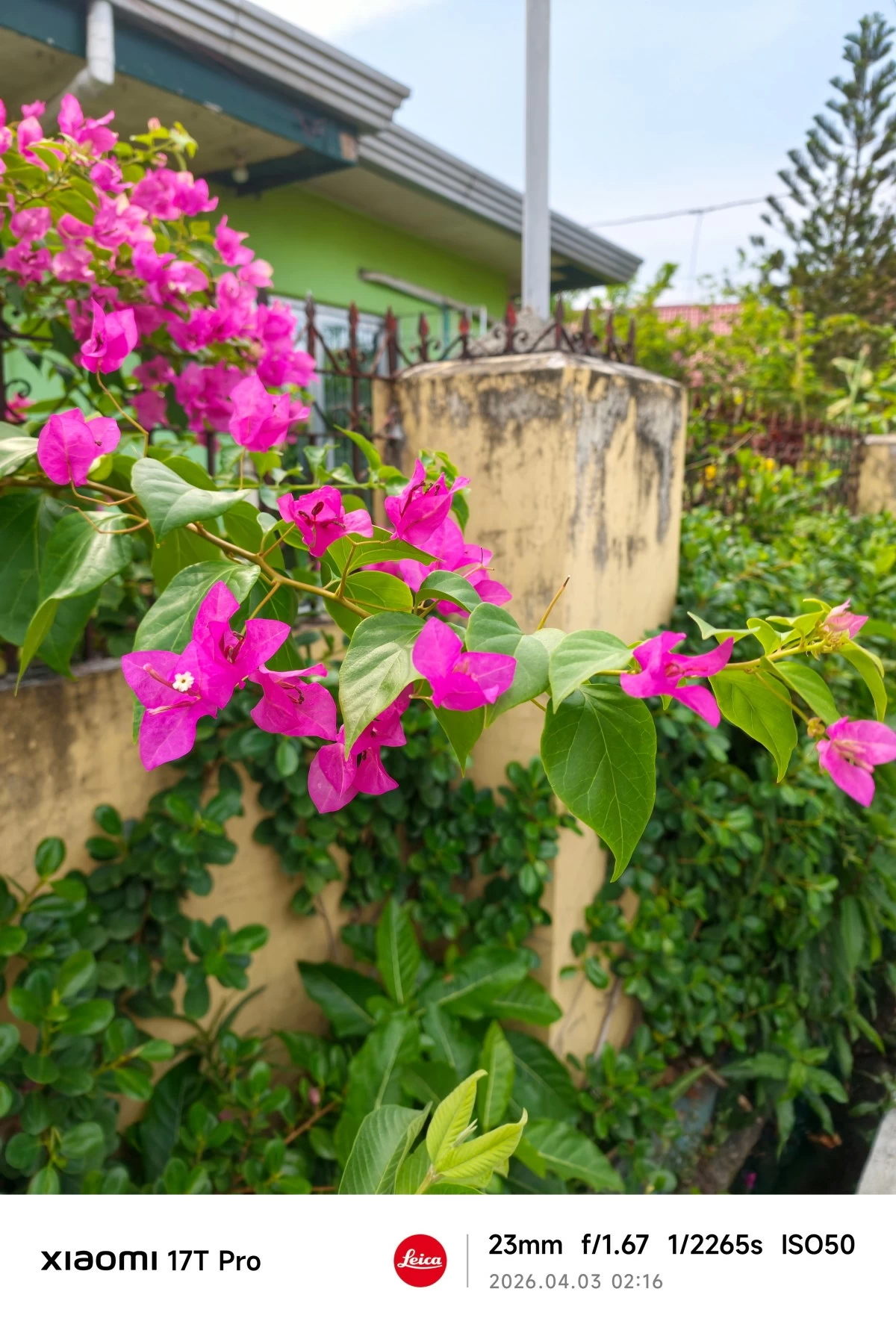
Leica Authentic on
Leica Vibrant on
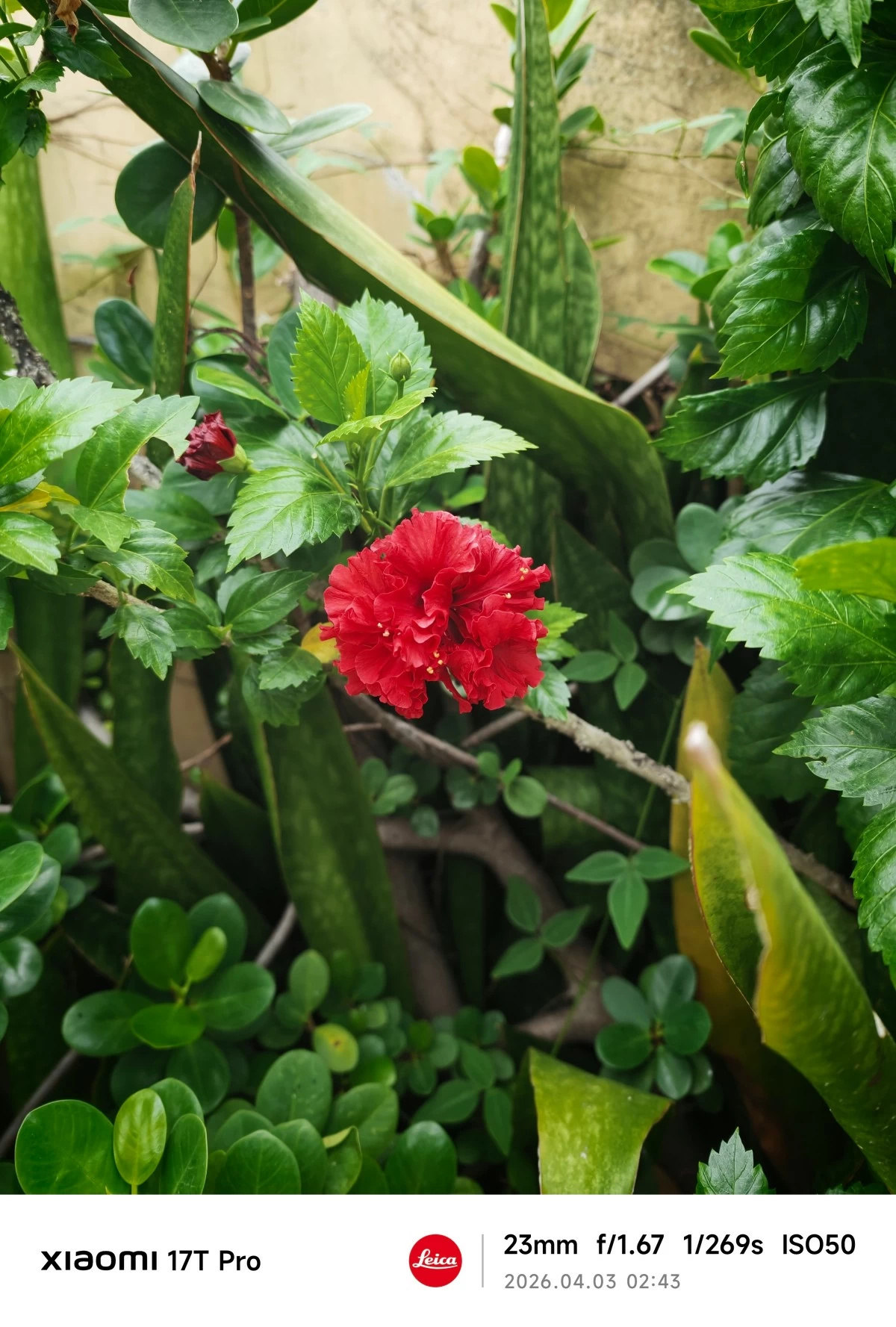
Leica Vibrant on
Leica Authentic on
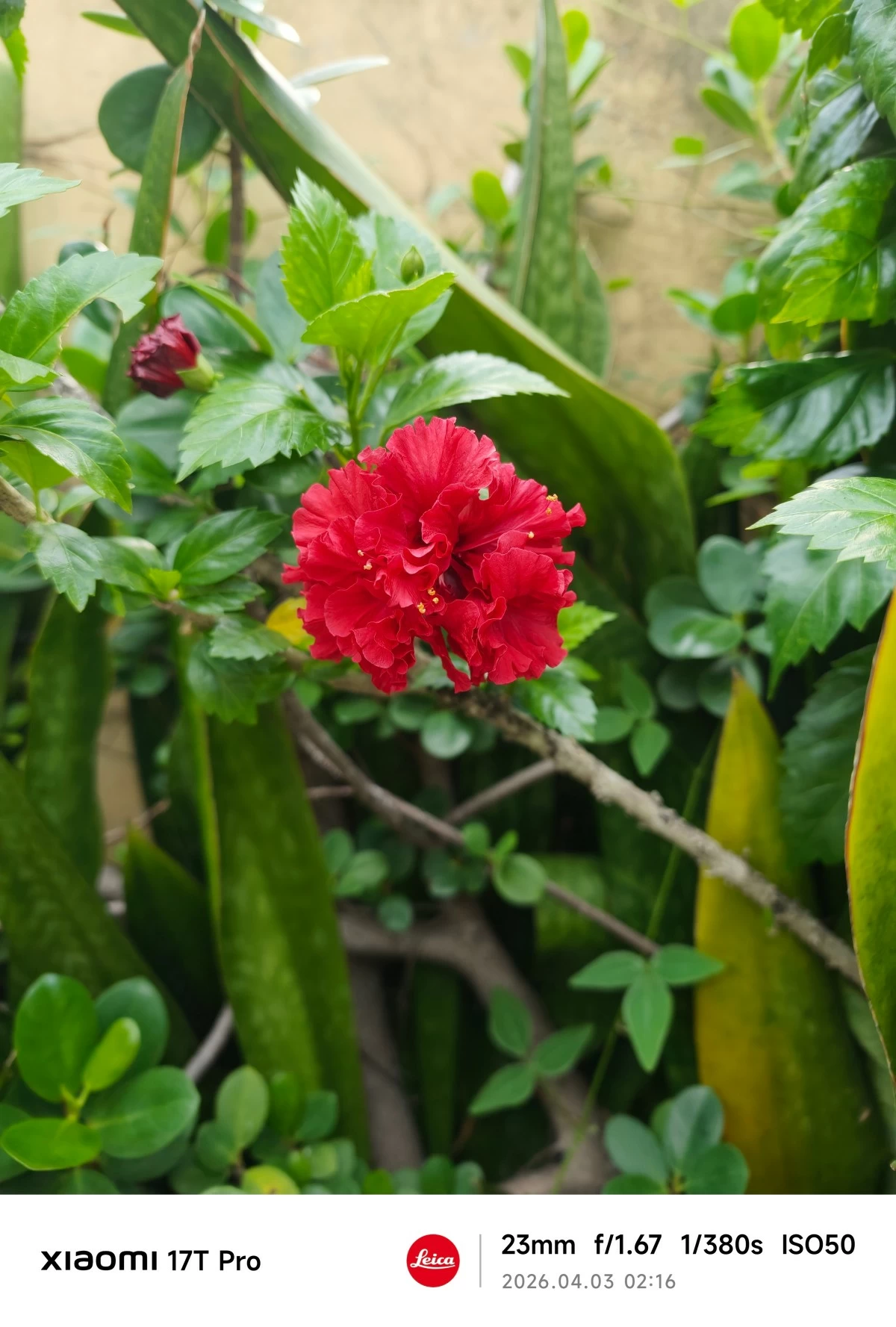
Leica Authentic on
Leica Vibrant on
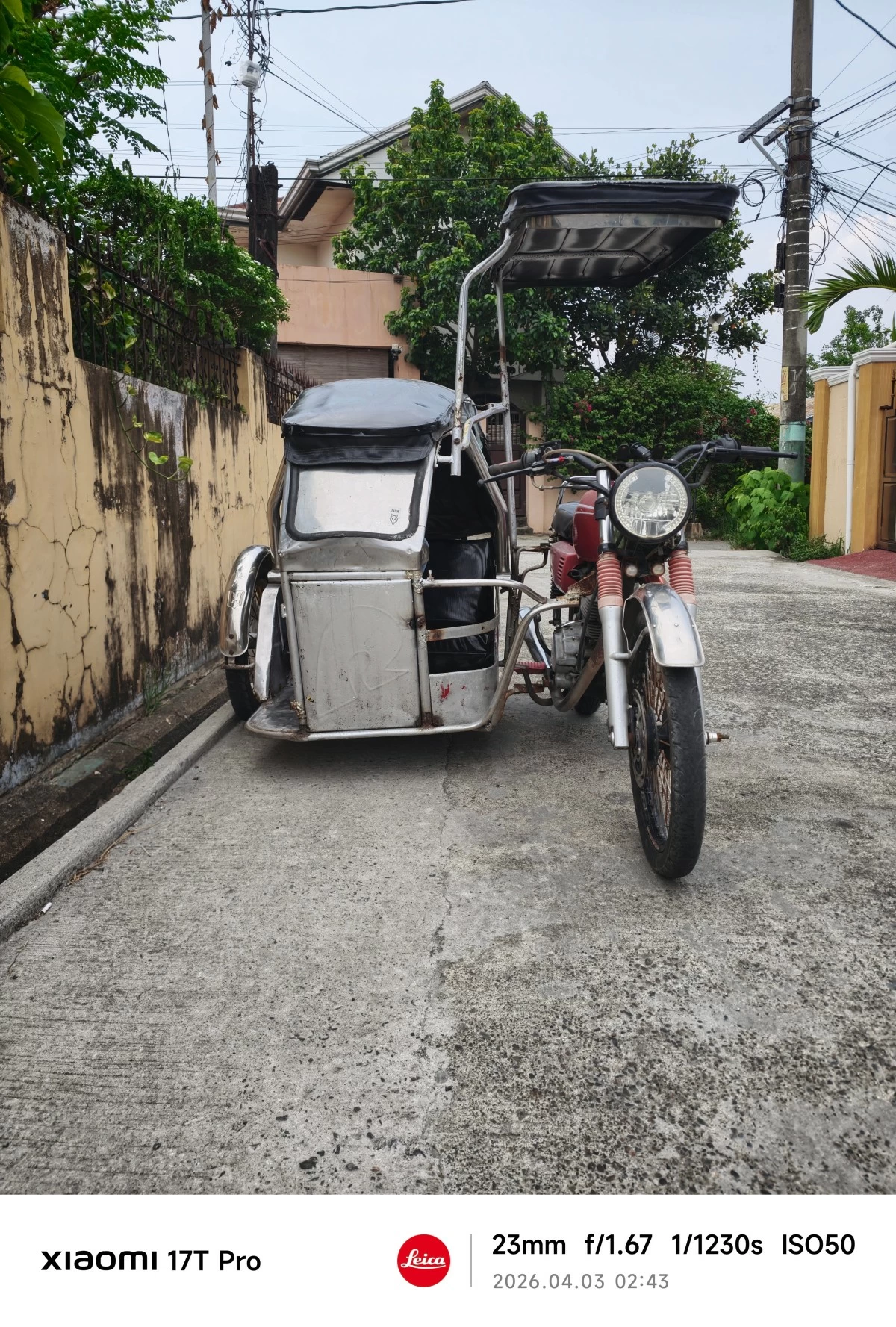
Leica Vibrant on
Leica Authentic on
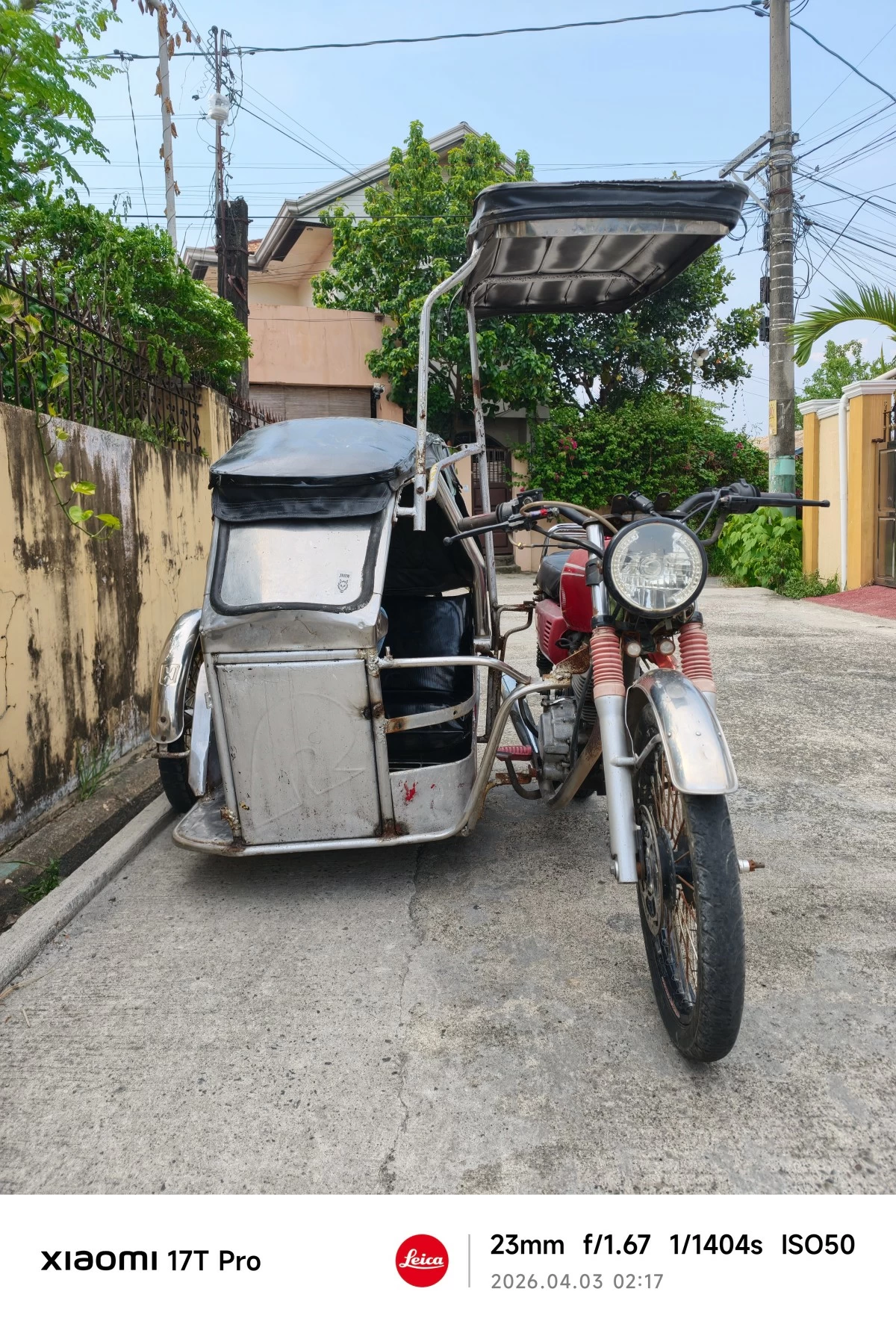
Leica Authentic on
Leica Vibrant on
Leica Vibrant on
Leica Authentic on
Leica Authentic on
Leica Vibrant on
Leica Vibrant on
The Xiaomi 17T Pro has a 1.5K display, a resolution of 2772 x 1280, and a refresh rate of 144Hz. Brightness can go as high up as 3500 nits and as low as 1 nits, so it doesn’t burn through your retinas if you check your phone in the middle of the night.
The battery is 7000mAh, and from my usage with it, it takes me over two days before I need to recharge the device. Xiaomi promises over 20 hours of constant use, excellent for bingeing on some great shows–the classic series, ER, is coming soon for streaming, if you haven’t had enough of The Pitt (fun fact, The Pitt was supposed to be the revival of ER).
It is powered with a MediaTek Dimensity 9500, which has scores flying in colors. You won’t be missing in performance with this chip. It has 12 gigs of RAM and storage options go up to 512GB in the country–you’ll need it if you’re going to enjoy maximizing the camera.
The Xiaomi 17T Pro is an easy phone to recommend. It is iterative and exciting, comes with a familiar design and a performance that steps within the lines of a flagship smartphone. Users who will be out traveling and would want to capture spectacular sceneries, then the Xiaomi 17T Pro is something not to sleep on.
The Xiaomi 17T Pro is priced at P45,999 for the 256GB version, and P47,999 for the 512GB version.

Related Tags

Xiaomi 17T Series Telephoto Master Xiaomi 17T Pro
ADVERTISEMENT
.most-popular .layout-ratio{ padding-bottom: 79.13%; } @media (min-width: 768px) and (max-width: 1024px) { .widget-title { font-size: 15px !important; } }

{{ articles_filter_1561_widget.title }}

.most-popular .layout-ratio{ padding-bottom: 79.13%; } @media (min-width: 768px) and (max-width: 1024px) { .widget-title { font-size: 15px !important; } }

{{ articles_filter_1562_widget.title }}

.most-popular .layout-ratio{ padding-bottom: 79.13%; } @media (min-width: 768px) and (max-width: 1024px) { .widget-title { font-size: 15px !important; } }

{{ articles_filter_1563_widget.title }}

{{ articles_filter_1564_widget.title }}

.mb-article-details { position: relative; } .mb-article-details .article-body-preview, .mb-article-details .article-body-summary{ font-size: 17px; line-height: 30px; font-family: "Libre Caslon Text", serif; color: #000; } .mb-article-details .article-body-preview iframe , .mb-article-details .article-body-summary iframe{ width: 100%; margin: auto; } .read-more-background { background: linear-gradient(180deg, color(display-p3 1.000 1.000 1.000 / 0) 13.75%, color(display-p3 1.000 1.000 1.000 / 0.8) 30.79%, color(display-p3 1.000 1.000 1.000) 72.5%); position: absolute; height: 200px; width: 100%; bottom: 0; display: flex; justify-content: center; align-items: center; padding: 0; } .read-more-background a{ color: #000; } .read-more-btn { padding: 17px 45px; font-family: Inter; font-weight: 700; font-size: 18px; line-height: 16px; text-align: center; vertical-align: middle; border: 1px solid black; background-color: white; } .hidden { display: none; }
function initializeAllSwipers() { // Get all hidden inputs with cms_article_id document.querySelectorAll('[id^="cms_article_id_"]').forEach(function (input) { const cmsArticleId = input.value; const articleSelector = '#article-' + cmsArticleId + ' .body_images'; const swiperElement = document.querySelector(articleSelector); if (swiperElement && !swiperElement.classList.contains('swiper-initialized')) { new Swiper(articleSelector, { loop: true, pagination: false, navigation: { nextEl: '#article-' + cmsArticleId + ' .swiper-button-next', prevEl: '#article-' + cmsArticleId + ' .swiper-button-prev', }, }); } }); } setTimeout(initializeAllSwipers, 3000); const intersectionObserver = new IntersectionObserver( (entries) => { entries.forEach((entry) => { if (entry.isIntersecting) { const newUrl = entry.target.getAttribute("data-url"); if (newUrl) { history.pushState(null, null, newUrl); let article = entry.target; // Extract metadata const author = article.querySelector('.author-section').textContent.replace('By', '').trim(); const section = article.querySelector('.section-info ').textContent.replace(' ', ' '); const title = article.querySelector('.article-title h1').textContent; // Parse URL for Chartbeat path format const parsedUrl = new URL(newUrl, window.location.origin); const cleanUrl = parsedUrl.host + parsedUrl.pathname; // Update Chartbeat configuration if (typeof window._sf_async_config !== 'undefined') { window._sf_async_config.path = cleanUrl; window._sf_async_config.sections = section; window._sf_async_config.authors = author; } // Track virtual page view with Chartbeat if (typeof pSUPERFLY !== 'undefined' && typeof pSUPERFLY.virtualPage === 'function') { try { pSUPERFLY.virtualPage({ path: cleanUrl, title: title, sections: section, authors: author }); } catch (error) { console.error('ping error', error); } } // Optional: Update document title if (title && title !== document.title) { document.title = title; } } } }); }, { threshold: 0.1 } ); function showArticleBody(button) { const article = button.closest("article"); const summary = article.querySelector(".article-body-summary"); const body = article.querySelector(".article-body-preview"); const readMoreSection = article.querySelector(".read-more-background"); // Hide summary and read-more section summary.style.display = "none"; readMoreSection.style.display = "none"; // Show the full article body body.classList.remove("hidden"); } document.addEventListener("DOMContentLoaded", () => { let loadCount = 0; // Track how many times articles are loaded const offset = [1, 2, 3, 4, 5, 6, 7, 8, 9, 10]; // Offset values const currentUrl = window.location.pathname.substring(1); let isLoading = false; // Prevent multiple calls if (!currentUrl) { console.log("Current URL is invalid."); return; } const sentinel = document.getElementById("load-more-sentinel"); if (!sentinel) { console.log("Sentinel element not found."); return; } function isSentinelVisible() { const rect = sentinel.getBoundingClientRect(); return ( rect.top < window.innerHeight && rect.bottom >= 0 ); } function onScroll() { if (isLoading) return; if (isSentinelVisible()) { if (loadCount >= offset.length) { console.log("Maximum load attempts reached."); window.removeEventListener("scroll", onScroll); return; } isLoading = true; const currentOffset = offset[loadCount]; window.loadMoreItems().then(() => { let article = document.querySelector('#widget_1690 > div:nth-last-of-type(2) article'); intersectionObserver.observe(article) loadCount++; }).catch(error => { console.error("Error loading more items:", error); }).finally(() => { isLoading = false; }); } } window.addEventListener("scroll", onScroll); });

Sign up by email to receive news.