ADVERTISEMENT

The International Criminal Court and Philippine sovereignty

Published May 29, 2026 08:00 am  |  Updated May 28, 2026 05:02 pm
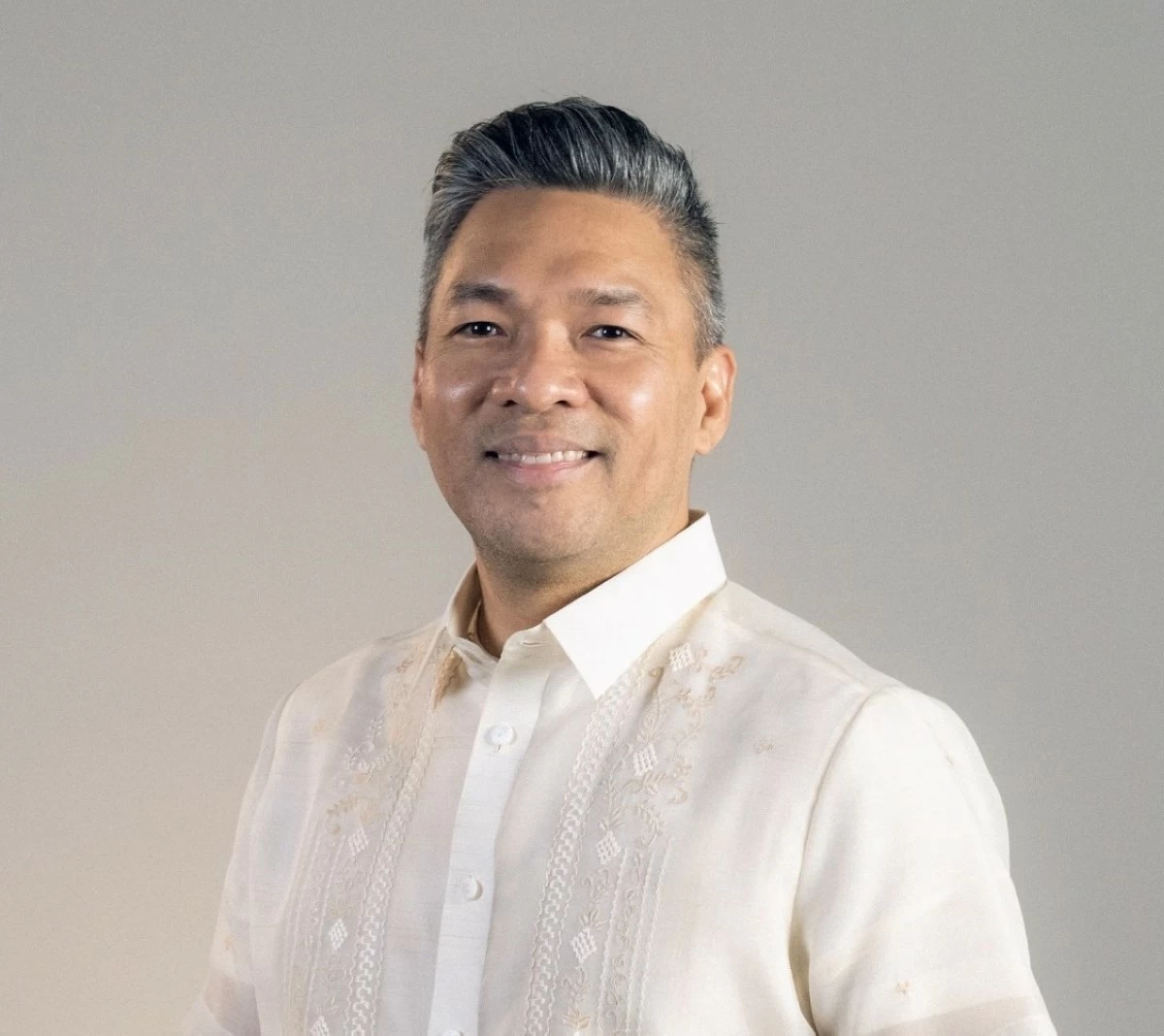
Ian Norman E. Dato,  Undersecretary of the Department of Justice
Ian Norman E. Dato, Undersecretary of the Department of Justice
There is a strong view circulating that the International Criminal Court has encroached upon Philippine sovereignty by trying Filipino citizens. Is participating in the ICC truly incompatible with national independence and sovereignty? The short answer is no.
The Philippines voluntarily acceded to the Rome Statute of the International Criminal Court in 2011 and remained a State Party until 2019. Our Supreme Court has recognized that the ICC may take cognizance of governmental acts up to March 17, 2019.
Does enforcement of an ICC warrant in the Philippines mean our law enforcement agencies are ceding authority to a foreign court? Again, no. Section 17 of Republic Act No. 9851 expressly authorizes Philippine authorities to surrender or extradite, as the case may be, a suspected or accused person when an international court or tribunal, such as the ICC, is already conducting the investigation or prosecution of the relevant crime.
It is apparent from all this that at all stages, the Philippines has never ceded its sovereignty. It entered into agreements voluntarily and fully conscious of what it would entail, and that it recognizes customary international law as part of our laws.
When the Rome Statute was being deliberated, the issue of sovereignty was a central concern. Yet more than a majority of UN member states have ratified it and made it part of their municipal laws. The Philippines acceded in 2011 under President Benigno C. Aquino III and, in a show of non-compulsion in membership, withdrew in 2019 under President Rodrigo R. Duterte. Such is the leeway given to States to decide on their membership. But once the State becomes a party, it is bound to honor its obligations. Entering into it, or abiding by its mechanisms and processes, is not a diminution of sovereignty, as some purport it to be, but an exercise of it.
Equally important to remember is the Rome Statute’s foundational principle of complementarity. The ICC steps in only when a State Party is unwilling or unable genuinely to carry out the investigation or prosecution of the crimes covered by the treaty. If a State is already investigating, has decided not to prosecute, or has tried the accused, the ICC will not take on the case unless the State Party is unwilling or unable genuinely to act.
Much has also been said about the non-application of the Rome Statute following the Philippines' withdrawal. Our Supreme Court itself has put the issue to rest: The principles of law found in the Rome Statute constitute generally accepted principles of international law enforceable in the Philippines under the Philippine Constitution.
Another interesting question is whether any institution can serve as a sanctuary to prevent arrest pursuant to an ICC warrant. Perhaps the closest analogy to a sanctuary in international law would be the inviolability of embassies under the Vienna Convention on Diplomatic Relations, as illustrated by Julian Assange’s asylum at the Embassy of Ecuador in London in 2012, who feared extradition to the U.S. from charges brought by Swedish authorities and remained there for seven (7) years.
I recall the time in 2010 vividly when the Philippines participated in the Review Conference of the Rome Statute in Kampala, Uganda, where the crime of aggression was being negotiated for inclusion. The Philippines was not yet a State Party, and I joined the delegation. I later wrote my dissertation, The International Criminal Court and the Crime of Aggression, at University College London for my Master of Public International Law degree in 2011. Little did I know that the ICC will figure prominently in our national life 14 years later.
One final point: the ICC is not a foreign sovereign but an international tribunal established under the framework of the United Nations, of which the Philippines is a founding member. We do not surrender sovereignty by cooperating with the United Nations or with international institutions created through treaties.
(Ian Norman E. Dato is an Undersecretary of the Department of Justice. The views and opinions expressed in this article are those of the author in his personal capacity and do not necessarily represent the official views or position of the Department of Justice.)
ADVERTISEMENT
.most-popular .layout-ratio{ padding-bottom: 79.13%; } @media (min-width: 768px) and (max-width: 1024px) { .widget-title { font-size: 15px !important; } }

{{ articles_filter_1561_widget.title }}

.most-popular .layout-ratio{ padding-bottom: 79.13%; } @media (min-width: 768px) and (max-width: 1024px) { .widget-title { font-size: 15px !important; } }

{{ articles_filter_1562_widget.title }}

.most-popular .layout-ratio{ padding-bottom: 79.13%; } @media (min-width: 768px) and (max-width: 1024px) { .widget-title { font-size: 15px !important; } }

{{ articles_filter_1563_widget.title }}

{{ articles_filter_1564_widget.title }}

.mb-article-details { position: relative; } .mb-article-details .article-body-preview, .mb-article-details .article-body-summary{ font-size: 17px; line-height: 30px; font-family: "Libre Caslon Text", serif; color: #000; } .mb-article-details .article-body-preview iframe , .mb-article-details .article-body-summary iframe{ width: 100%; margin: auto; } .read-more-background { background: linear-gradient(180deg, color(display-p3 1.000 1.000 1.000 / 0) 13.75%, color(display-p3 1.000 1.000 1.000 / 0.8) 30.79%, color(display-p3 1.000 1.000 1.000) 72.5%); position: absolute; height: 200px; width: 100%; bottom: 0; display: flex; justify-content: center; align-items: center; padding: 0; } .read-more-background a{ color: #000; } .read-more-btn { padding: 17px 45px; font-family: Inter; font-weight: 700; font-size: 18px; line-height: 16px; text-align: center; vertical-align: middle; border: 1px solid black; background-color: white; } .hidden { display: none; }
function initializeAllSwipers() { // Get all hidden inputs with cms_article_id document.querySelectorAll('[id^="cms_article_id_"]').forEach(function (input) { const cmsArticleId = input.value; const articleSelector = '#article-' + cmsArticleId + ' .body_images'; const swiperElement = document.querySelector(articleSelector); if (swiperElement && !swiperElement.classList.contains('swiper-initialized')) { new Swiper(articleSelector, { loop: true, pagination: false, navigation: { nextEl: '#article-' + cmsArticleId + ' .swiper-button-next', prevEl: '#article-' + cmsArticleId + ' .swiper-button-prev', }, }); } }); } setTimeout(initializeAllSwipers, 3000); const intersectionObserver = new IntersectionObserver( (entries) => { entries.forEach((entry) => { if (entry.isIntersecting) { const newUrl = entry.target.getAttribute("data-url"); if (newUrl) { history.pushState(null, null, newUrl); let article = entry.target; // Extract metadata const author = article.querySelector('.author-section').textContent.replace('By', '').trim(); const section = article.querySelector('.section-info ').textContent.replace(' ', ' '); const title = article.querySelector('.article-title h1').textContent; // Parse URL for Chartbeat path format const parsedUrl = new URL(newUrl, window.location.origin); const cleanUrl = parsedUrl.host + parsedUrl.pathname; // Update Chartbeat configuration if (typeof window._sf_async_config !== 'undefined') { window._sf_async_config.path = cleanUrl; window._sf_async_config.sections = section; window._sf_async_config.authors = author; } // Track virtual page view with Chartbeat if (typeof pSUPERFLY !== 'undefined' && typeof pSUPERFLY.virtualPage === 'function') { try { pSUPERFLY.virtualPage({ path: cleanUrl, title: title, sections: section, authors: author }); } catch (error) { console.error('ping error', error); } } // Optional: Update document title if (title && title !== document.title) { document.title = title; } } } }); }, { threshold: 0.1 } ); function showArticleBody(button) { const article = button.closest("article"); const summary = article.querySelector(".article-body-summary"); const body = article.querySelector(".article-body-preview"); const readMoreSection = article.querySelector(".read-more-background"); // Hide summary and read-more section summary.style.display = "none"; readMoreSection.style.display = "none"; // Show the full article body body.classList.remove("hidden"); } document.addEventListener("DOMContentLoaded", () => { let loadCount = 0; // Track how many times articles are loaded const offset = [1, 2, 3, 4, 5, 6, 7, 8, 9, 10]; // Offset values const currentUrl = window.location.pathname.substring(1); let isLoading = false; // Prevent multiple calls if (!currentUrl) { console.log("Current URL is invalid."); return; } const sentinel = document.getElementById("load-more-sentinel"); if (!sentinel) { console.log("Sentinel element not found."); return; } function isSentinelVisible() { const rect = sentinel.getBoundingClientRect(); return ( rect.top < window.innerHeight && rect.bottom >= 0 ); } function onScroll() { if (isLoading) return; if (isSentinelVisible()) { if (loadCount >= offset.length) { console.log("Maximum load attempts reached."); window.removeEventListener("scroll", onScroll); return; } isLoading = true; const currentOffset = offset[loadCount]; window.loadMoreItems().then(() => { let article = document.querySelector('#widget_1690 > div:nth-last-of-type(2) article'); intersectionObserver.observe(article) loadCount++; }).catch(error => { console.error("Error loading more items:", error); }).finally(() => { isLoading = false; }); } } window.addEventListener("scroll", onScroll); });

Sign up by email to receive news.