ADVERTISEMENT

Seo In-guk, Park Ji-hyun drawn to realism of new romance series 'See You at Work Tomorrow!'

Published May 29, 2026 10:24 am  |  Updated May 29, 2026 04:00 pm
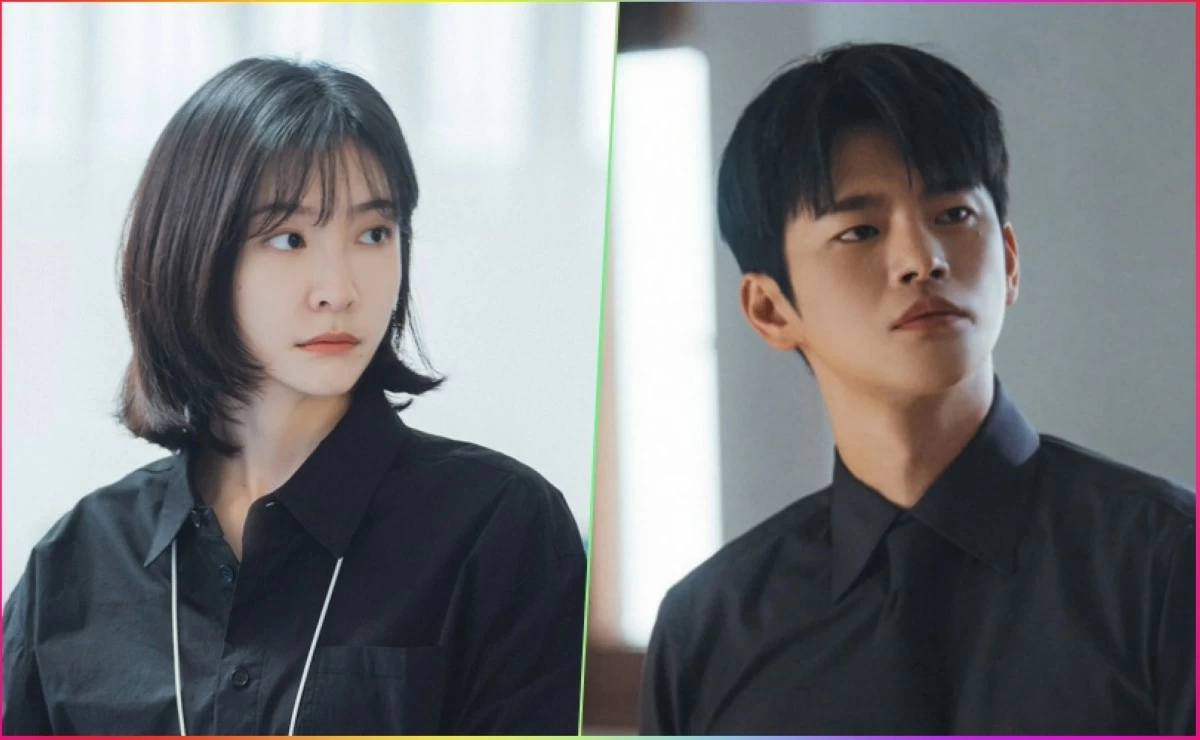
Seo In-guk (right) and Park Ji-hyun in “See You at Work Tomorrow!” (tvN)

Korean actors Seo In-guk and Park Ji-hyun said it was the emotional realism of “See You at Work Tomorrow!” that convinced them to take on the upcoming office romance series, which explores love and burnout inside a modern workplace.

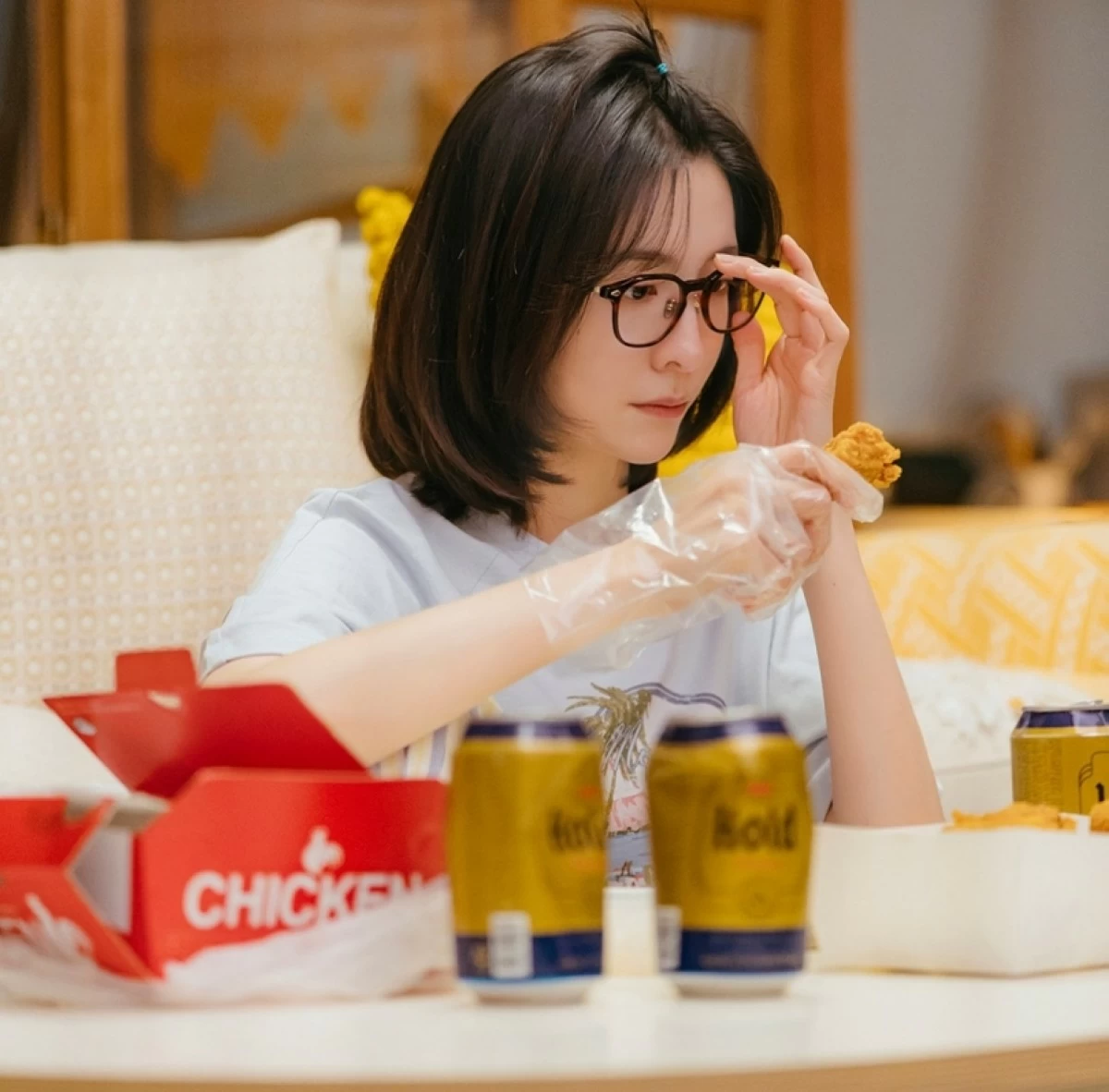
Park Ji-hyun said she was immediately drawn to the role of Cha Ji-yoon because it allowed her to finally portray a character experiencing a full, grounded romance.

“I was immediately drawn to it because it was a romance,” she said. “I’ve never really played a character who truly finds love, so I wanted to take on that kind of role.”

She added that the story’s understated approach to relationships made it more compelling, describing it as closer to real-life emotions rather than idealized romance.
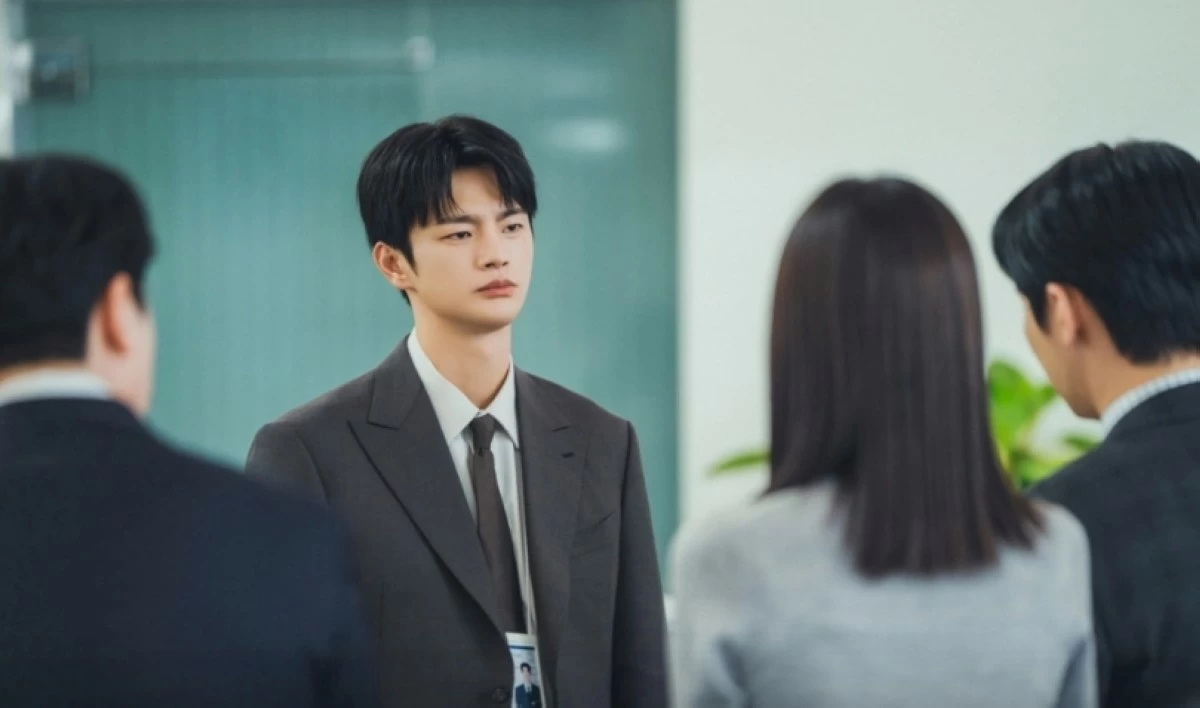
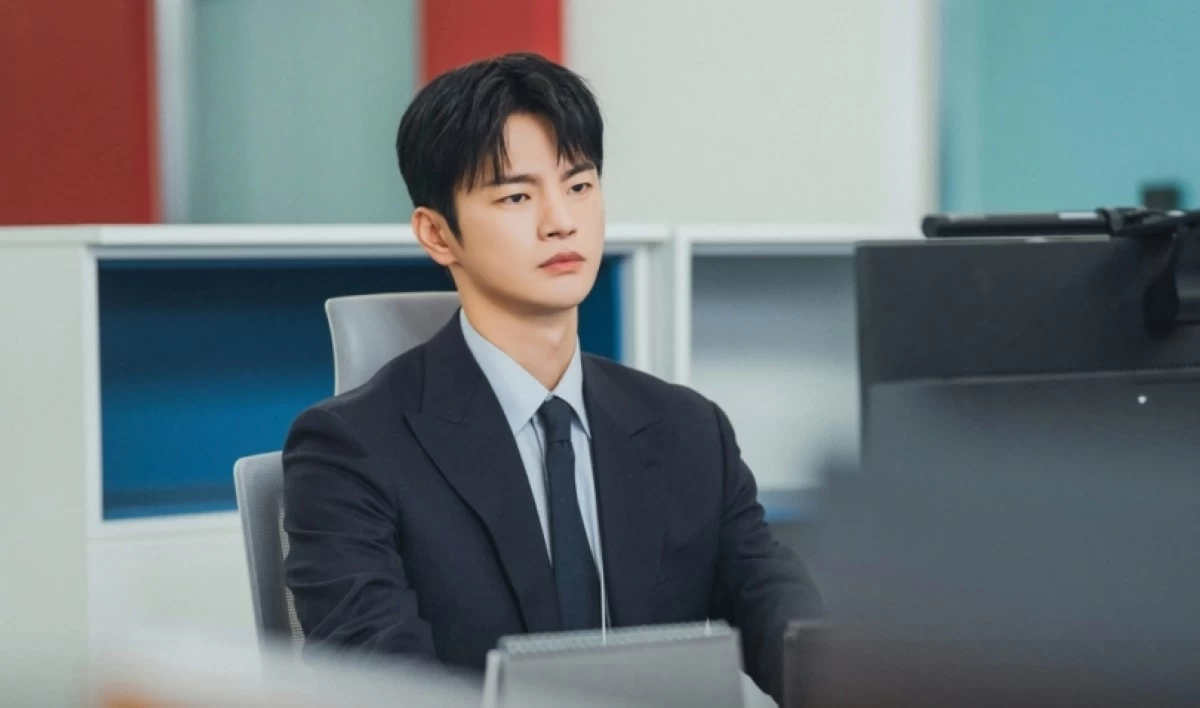
Seo In-guk in “See You at Work Tomorrow!” (tvN)
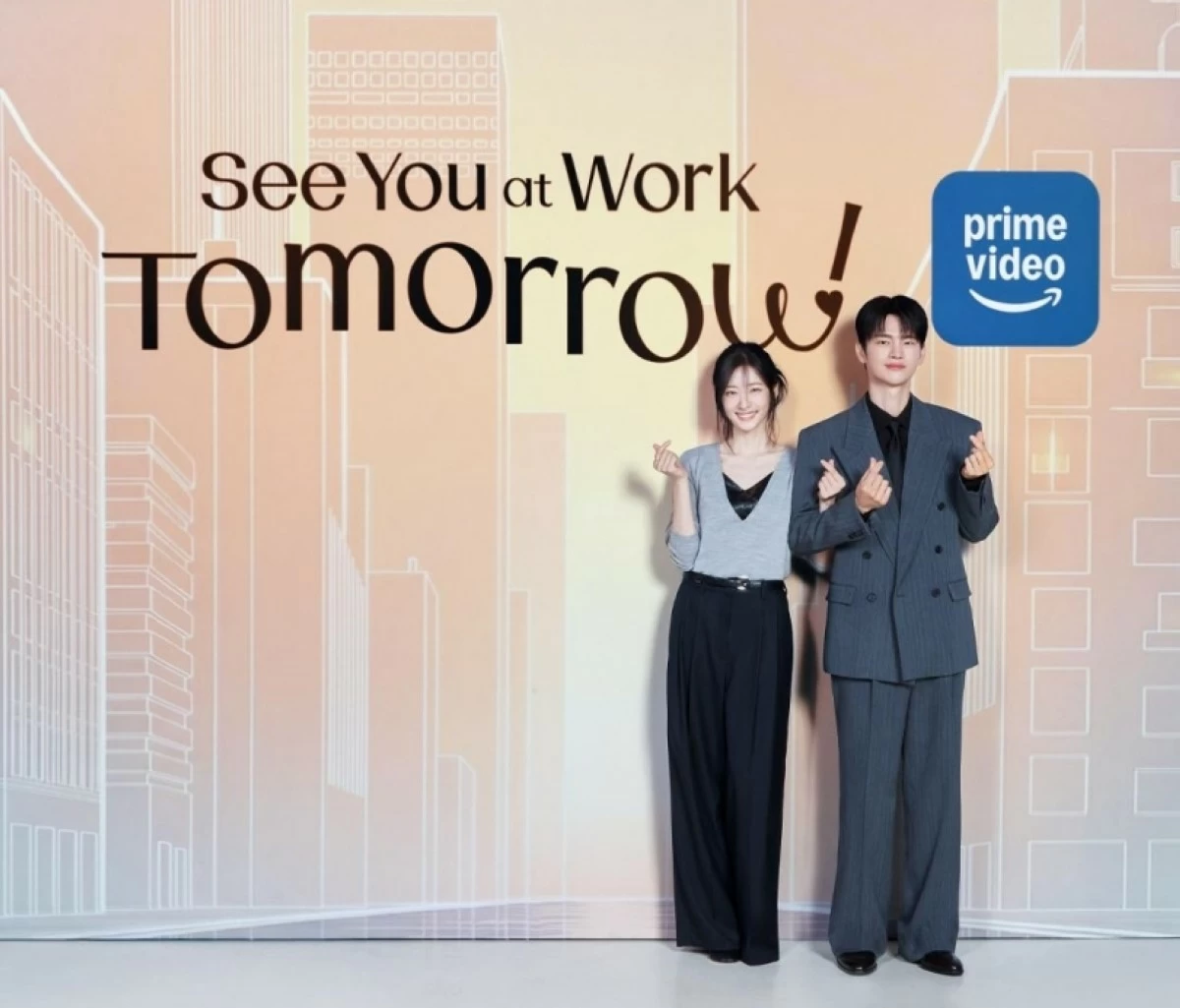
Seo In-guk and Park Ji-hyun are starring in the Korean series “See You at Work Tomorrow!” coming to Prime Video on June 22 (Prime Video)
Park Ji-hyun in “See You at Work Tomorrow!” (tvN)

Seo In-guk, who plays cold boss Kang Si-woo, said what stood out to him was how human the characters felt despite their workplace setting.

“Each character had their own distinct color, and they felt very grounded and human,” he said. “I found it interesting how people with completely different personalities slowly begin to matter to each other.”

He added that the evolving dynamic between the leads was a key reason he joined the project, saying he believed the pairing with Park Ji-hyun would translate into strong on-screen chemistry.

Both actors also reflected on working together for the first time, describing an unexpectedly natural collaboration that grew stronger as filming progressed.

Seo said he initially saw Park Ji-hyun as quiet and reserved, but was surprised by her playful energy on set.

“She was incredibly bright, very fun, and full of humor,” he said.

Park Ji-hyun, meanwhile, admitted she was initially intimidated by Seo In-guk’s seniority and sharp on-screen image, but said he quickly became someone she could rely on during emotionally demanding scenes.

“He accepted everything I did in our scenes and responded to it,” she said. “That’s why I think our chemistry worked so well.”

Both actors said their performances fed off each other, with Seo crediting Park’s emotional intensity for helping him deepen his own portrayal, while Park said Seo helped stabilize her performance during challenging moments.

“I felt like I could lean on him,” Park said. “He guided me through scenes without breaking character.”

They also highlighted key themes of the series, describing it as a story about exhaustion, routine, and finding connection amid the pressures of work.

Seo said the drama offers comfort to viewers dealing with everyday fatigue, while Park described it as a “mature” romance that reflects real-life emotions rather than fantasy.

“See You at Work Tomorrow!” premieres June 22 on Prime Video.

Park Ji-hyun in “See You at Work Tomorrow!” (tvN)
Seo In-guk in “See You at Work Tomorrow!” (tvN)
Park Ji-hyun in “See You at Work Tomorrow!” (tvN)

Related Tags

See You at Work Tomorrow Seo In-guk Park JI-hyun Korean drama Prime Video 내일도 출근
ADVERTISEMENT
.most-popular .layout-ratio{ padding-bottom: 79.13%; } @media (min-width: 768px) and (max-width: 1024px) { .widget-title { font-size: 15px !important; } }

{{ articles_filter_1561_widget.title }}

.most-popular .layout-ratio{ padding-bottom: 79.13%; } @media (min-width: 768px) and (max-width: 1024px) { .widget-title { font-size: 15px !important; } }

{{ articles_filter_1562_widget.title }}

.most-popular .layout-ratio{ padding-bottom: 79.13%; } @media (min-width: 768px) and (max-width: 1024px) { .widget-title { font-size: 15px !important; } }

{{ articles_filter_1563_widget.title }}

{{ articles_filter_1564_widget.title }}

.mb-article-details { position: relative; } .mb-article-details .article-body-preview, .mb-article-details .article-body-summary{ font-size: 17px; line-height: 30px; font-family: "Libre Caslon Text", serif; color: #000; } .mb-article-details .article-body-preview iframe , .mb-article-details .article-body-summary iframe{ width: 100%; margin: auto; } .read-more-background { background: linear-gradient(180deg, color(display-p3 1.000 1.000 1.000 / 0) 13.75%, color(display-p3 1.000 1.000 1.000 / 0.8) 30.79%, color(display-p3 1.000 1.000 1.000) 72.5%); position: absolute; height: 200px; width: 100%; bottom: 0; display: flex; justify-content: center; align-items: center; padding: 0; } .read-more-background a{ color: #000; } .read-more-btn { padding: 17px 45px; font-family: Inter; font-weight: 700; font-size: 18px; line-height: 16px; text-align: center; vertical-align: middle; border: 1px solid black; background-color: white; } .hidden { display: none; }
function initializeAllSwipers() { // Get all hidden inputs with cms_article_id document.querySelectorAll('[id^="cms_article_id_"]').forEach(function (input) { const cmsArticleId = input.value; const articleSelector = '#article-' + cmsArticleId + ' .body_images'; const swiperElement = document.querySelector(articleSelector); if (swiperElement && !swiperElement.classList.contains('swiper-initialized')) { new Swiper(articleSelector, { loop: true, pagination: false, navigation: { nextEl: '#article-' + cmsArticleId + ' .swiper-button-next', prevEl: '#article-' + cmsArticleId + ' .swiper-button-prev', }, }); } }); } setTimeout(initializeAllSwipers, 3000); const intersectionObserver = new IntersectionObserver( (entries) => { entries.forEach((entry) => { if (entry.isIntersecting) { const newUrl = entry.target.getAttribute("data-url"); if (newUrl) { history.pushState(null, null, newUrl); let article = entry.target; // Extract metadata const author = article.querySelector('.author-section').textContent.replace('By', '').trim(); const section = article.querySelector('.section-info ').textContent.replace(' ', ' '); const title = article.querySelector('.article-title h1').textContent; // Parse URL for Chartbeat path format const parsedUrl = new URL(newUrl, window.location.origin); const cleanUrl = parsedUrl.host + parsedUrl.pathname; // Update Chartbeat configuration if (typeof window._sf_async_config !== 'undefined') { window._sf_async_config.path = cleanUrl; window._sf_async_config.sections = section; window._sf_async_config.authors = author; } // Track virtual page view with Chartbeat if (typeof pSUPERFLY !== 'undefined' && typeof pSUPERFLY.virtualPage === 'function') { try { pSUPERFLY.virtualPage({ path: cleanUrl, title: title, sections: section, authors: author }); } catch (error) { console.error('ping error', error); } } // Optional: Update document title if (title && title !== document.title) { document.title = title; } } } }); }, { threshold: 0.1 } ); function showArticleBody(button) { const article = button.closest("article"); const summary = article.querySelector(".article-body-summary"); const body = article.querySelector(".article-body-preview"); const readMoreSection = article.querySelector(".read-more-background"); // Hide summary and read-more section summary.style.display = "none"; readMoreSection.style.display = "none"; // Show the full article body body.classList.remove("hidden"); } document.addEventListener("DOMContentLoaded", () => { let loadCount = 0; // Track how many times articles are loaded const offset = [1, 2, 3, 4, 5, 6, 7, 8, 9, 10]; // Offset values const currentUrl = window.location.pathname.substring(1); let isLoading = false; // Prevent multiple calls if (!currentUrl) { console.log("Current URL is invalid."); return; } const sentinel = document.getElementById("load-more-sentinel"); if (!sentinel) { console.log("Sentinel element not found."); return; } function isSentinelVisible() { const rect = sentinel.getBoundingClientRect(); return ( rect.top < window.innerHeight && rect.bottom >= 0 ); } function onScroll() { if (isLoading) return; if (isSentinelVisible()) { if (loadCount >= offset.length) { console.log("Maximum load attempts reached."); window.removeEventListener("scroll", onScroll); return; } isLoading = true; const currentOffset = offset[loadCount]; window.loadMoreItems().then(() => { let article = document.querySelector('#widget_1690 > div:nth-last-of-type(2) article'); intersectionObserver.observe(article) loadCount++; }).catch(error => { console.error("Error loading more items:", error); }).finally(() => { isLoading = false; }); } } window.addEventListener("scroll", onScroll); });

Sign up by email to receive news.