







PNP welcomes civilian-led 'Truth Commission' on drug war EJKs
Published May 29, 2026 04:06 pm


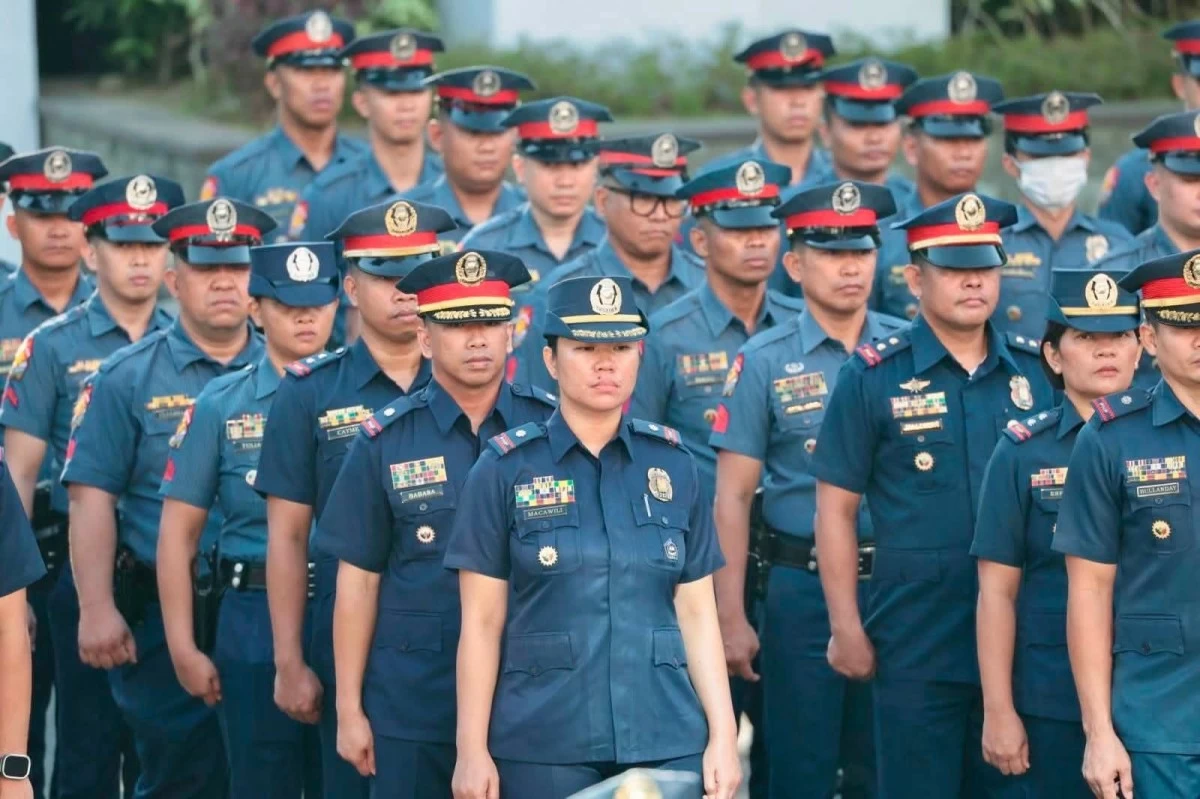
(File photo)
The Philippine National Police (PNP) on Friday, May 29, expressed support for the newly formed civilian-led “EJK Truth Commission” that seeks to document alleged extra-judicial killings and abuses tied to the previous administration’s war on drugs.
The police leadership said the initiative could help bring “clarity and healing” to families affected by the campaign.
“The Philippine National Police welcomes any independent initiative that aims to provide clarity and healing to our nation. We fully support this search for truth, and I assure the public that the PNP will cooperate with the Commission within the bounds of legal protocols,” PNP Chief Police General Jose Melencio C. Nartatez Jr. said in a statement.
The commission was launched on Wednesday by Church leaders and civil society groups, who described the effort as a civilian-led initiative meant to provide “catharsis” and institutional healing after years of controversy surrounding the anti-drug campaign.
The body plans to gather testimonies from victims’ relatives, survivors, and former law enforcers, and seeks to collect evidence that could support future prosecutions linked to alleged extrajudicial killings during the drug war.
Meanwhile, Nartatez said the current police leadership has adopted reforms in anti-drug operations following intense scrutiny over thousands of deaths recorded under the previous administration.
“Our organization is fully committed to transparency, justice, and accountability as we continue to perform our mandate under the rule of law,” he said.
The Duterte administration’s anti-narcotics drive drew condemnation from human rights groups and triggered investigations both locally and abroad over allegations that police operations led to unlawful killings.
The government has repeatedly denied there was a policy to kill suspects.
As pressure mounted in recent years, the PNP introduced several operational changes including the use of body-worn cameras during raids, tighter supervision of anti-drug units, and stricter internal accountability measures for officers involved in operations.
“We have instituted extensive operational and institutional reforms aimed at professionalizing our ranks and strictly protecting human rights,” Nartatez said.