






Manila Bulletin
 Environment and Sustainability
Philippines and Slovenia team up for sustainable beekeeping futures
Environment and Sustainability
Philippines and Slovenia team up for sustainable beekeeping futures
Environment and Sustainability
Philippines and Slovenia team up for sustainable beekeeping futures
Philippines and Slovenia team up for sustainable beekeeping futures
Published May 29, 2026 09:39 am


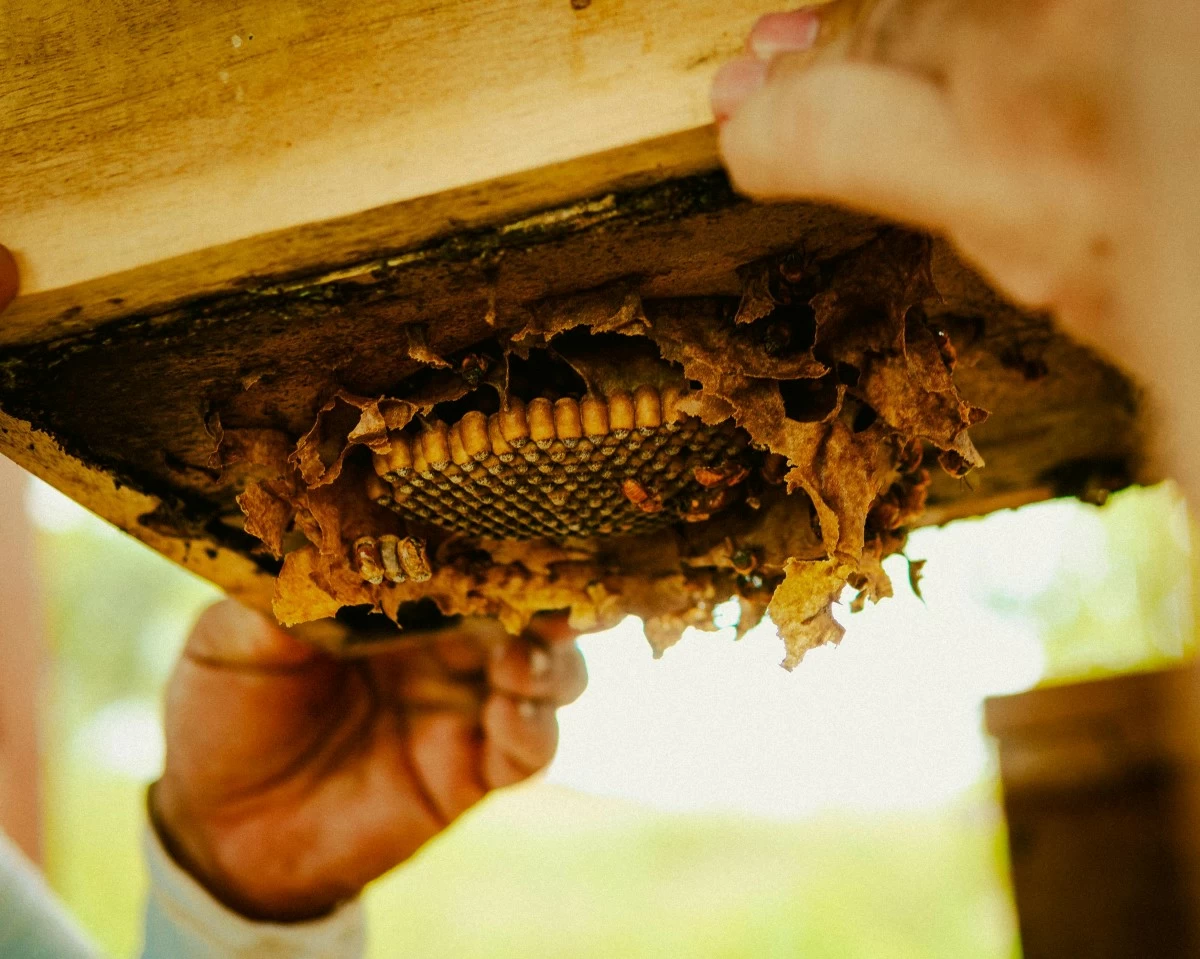
Photo from Pexels
In celebration of World Bee Day 2026, environmental advocates, scientists, and diplomats are placing renewed focus on the vital role bees play in protecting ecosystems, food systems, and sustainable livelihoods.
During a media briefing ahead of the “Bee Together for People and the Planet” celebration, representatives from the Embassy of the Republic of Slovenia in Manila, Project Bee Inspired Corporation, the University of the Philippines Los Baños (UPLB) Bee Program, and the ASEAN Centre for Biodiversity discussed upcoming initiatives aimed at strengthening pollinator conservation and community-based sustainability efforts in the Philippines.
Leading the discussion was Slovenian Ambassador to the Philippines Smiljana Knez, who emphasized the importance of international cooperation in advancing long-term environmental and community development programs. She also underscored the role of women in her opening remarks.
“It's of course about pollinators, the importance of pollinators, but it's also about empowerment of rural women through beekeeping,” she said.
At the center of this year’s World Bee Day activities is a women-led stingless bee livelihood project in Labo, Camarines Norte, which aims to provide women-led households with sustainable and home-based livelihood opportunities through beekeeping and value-added bee products such as honey, pollen, and propolis.
Project Bee Inspired Corporation President Anna A. Locsin highlighted the importance of supporting local beekeeping initiatives that not only protect native pollinators but also create opportunities for communities to produce natural, locally sourced products.
Meanwhile, UPLB Bee Program Project Leader Dr. Cleofas R. Cervancia underscored the role of research and science-based beekeeping practices in sustaining agriculture, biodiversity, and environmental resilience. Through the UPLB Bee Program, communities are trained in sustainable livelihood practices while helping conserve native bee species essential to ecological balance.
Representing the ASEAN Centre for Biodiversity during the briefing was Dr. Arvin Diesmos on behalf of Executive Director Dr. Jerome Montemayor. Diesmos highlighted how community-led conservation projects can contribute to broader regional biodiversity goals as the Philippines continues to chair the Association of Southeast Asian Nations (ASEAN) this year.
Speakers also stressed the importance of empowering women through sustainable livelihood initiatives, noting that women-led community projects often play a key role in maintaining long-term environmental programs at the grassroots level.
Through the women-led stingless bee initiative in Camarines Norte, the program aims to empower more women to become active leaders in conservation while creating stable sources of income for their families. Advocates noted that women often bring patience, consistency, and strong attention to detail—qualities that are valuable in sustainable beekeeping and environmental work.
Beyond livelihood opportunities, the initiative also serves as an example of how women can lead meaningful climate and biodiversity solutions at the grassroots level, encouraging more communities to view sustainability not only as environmental responsibility but also as a pathway toward empowerment and long-term resilience.
More than a celebration of bees and pollinators, the World Bee Day event reflects a growing movement toward collaborative sustainability efforts involving governments, academic institutions, non-government organizations, and local communities. Organizers hope the initiative will inspire more nature-based and community-centered projects that protect biodiversity while creating meaningful opportunities for Filipinos.
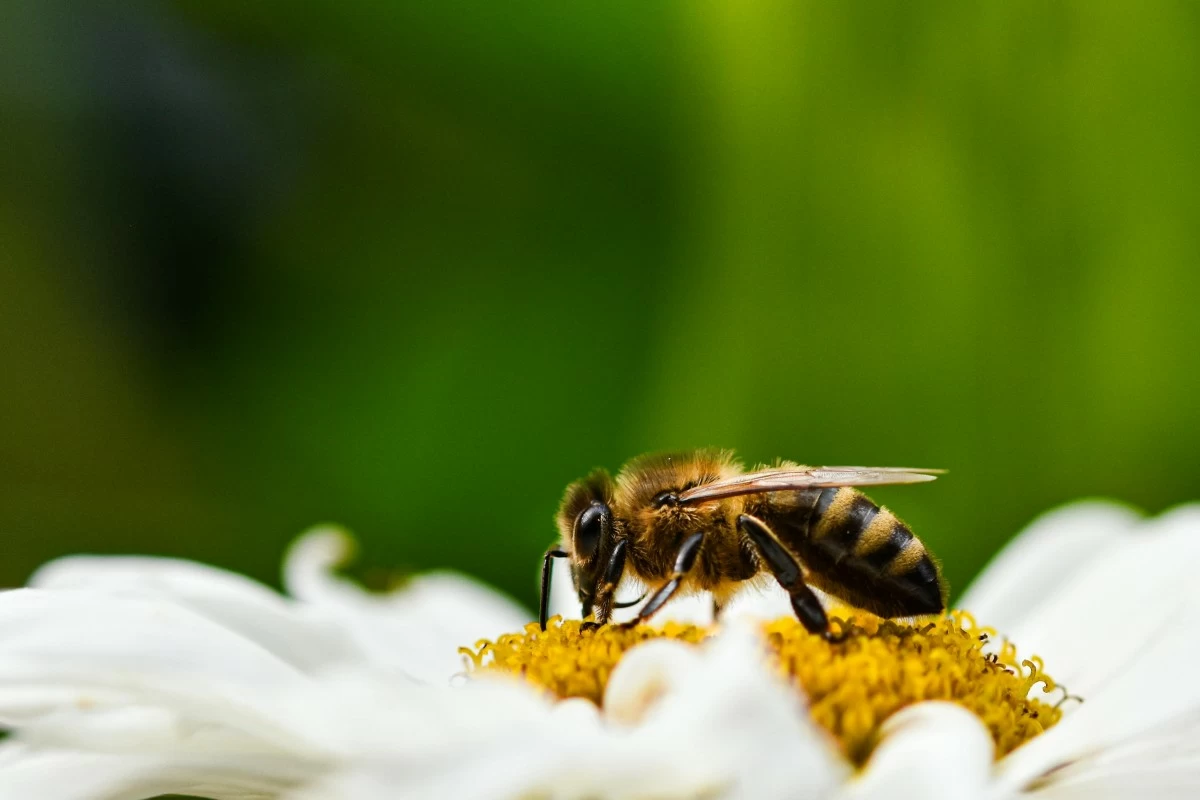
Photo from Pexels