






 Philippines
National
Pangilinan: Government intervention critical in El Niño preparation
Philippines
National
Pangilinan: Government intervention critical in El Niño preparation
Pangilinan: Government intervention critical in El Niño preparation


At A Glance
- Senator Francis "Kiko" Pangilinan reiterated the necessity of mobilizing key government agencies that would help the Philippines mitigate the impact of drought that is expected to be brought about by a severe El Niño phenomenon later this year.
Senator Francis “Kiko” Pangilinan reiterated on Friday, May 29 the necessity of mobilizing key government agencies that would help the Philippines mitigate the impact of drought that is expected to be brought about by a severe El Niño phenomenon later this year.
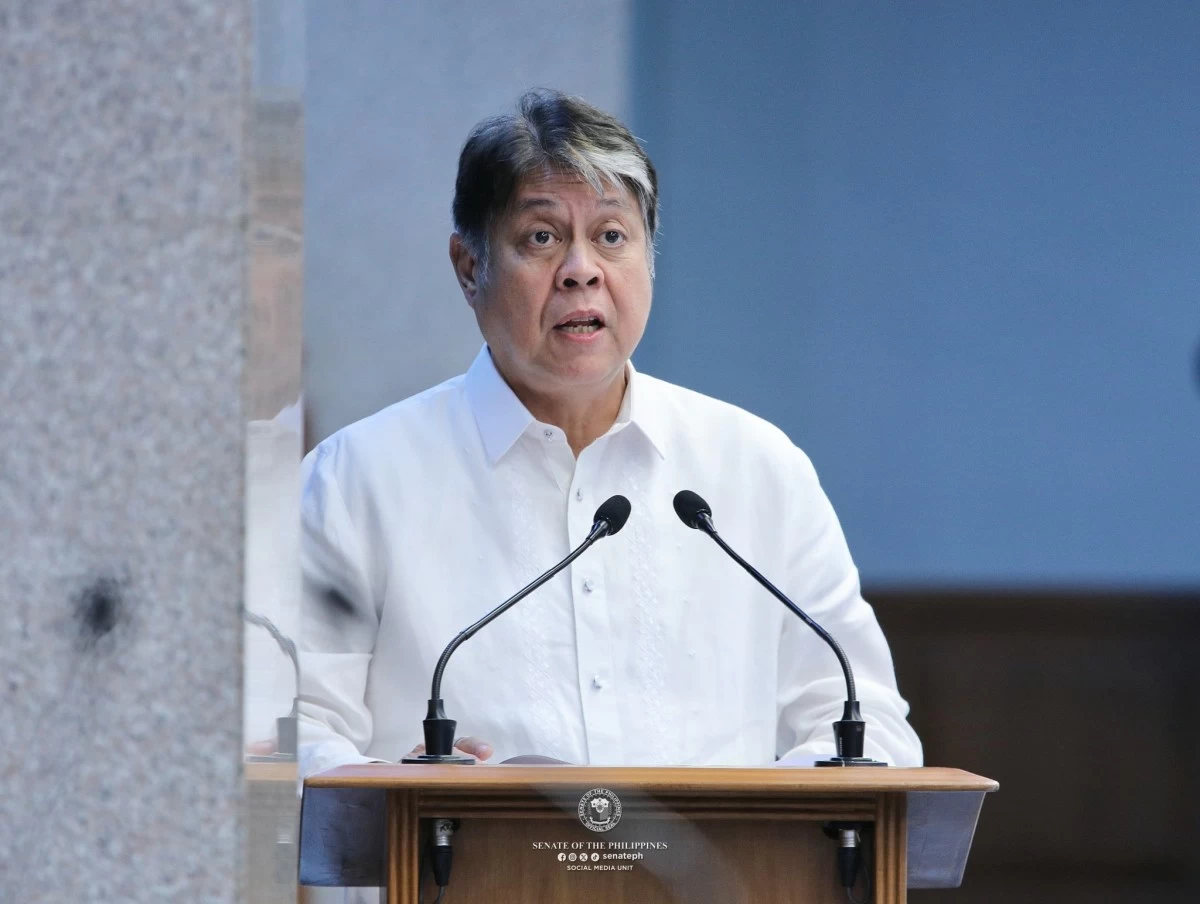
Pangilinan, in a media interview at the sidelines of the Agri Fiesta 2026 held in Albay, said the Inter-Agency Task Force El Niño must be composed of the Department of Agriculture (DA), the National Irrigation Administration (NIA), the Department of Trade and Industry (DTI), and the Department of Finance (DOF) to activate critical interventions.
The senator pointed out that the government already has a budget for natural disasters, calamity relief, quick response that must be mobilized, as well as calamity funds in case there is a declaration of a state of calamity.
“So, all that must be prepared and we must ensure that we have sufficient rice supply. We must also ensure that when El Niño comes, which they’re saying will hit us in the third and fourth quarter, the government’s interventions in terms of cash for work, repair, and rehabilitation, those budgets must be mobilized,” Pangilinan said.
Pangilinan, who was tapped as the food security czar from 2014 to 2015 during then President Benigno Aquino III’s administration, was at the helm of the government’s task force when the most intense El Niño in 20 years hit the country.
Under his watch, the NIA adopted several measures to mitigate the impact, including implementing the Quick Turn Around Scheme, which promoted planting the 2015 first crop immediately after the harvest of the 2014 second crop; adopting water-saving technologies; implementing a water distribution rotation; and rainwater harvesting.
During that time, he said the NIA also encouraged farmers to plant early-maturing and drought-tolerant rice varieties to save water.
Despite the El Niño phenomenon in 2015, Pangilinan said that the price of rice was the lowest in two decades “because we made sure na sinuportahan natin ng tamang interventions.”
“So, an inter-agency task force on El Niño should be mobilized, should be organized, and should start planning for the third and fourth quarters of this year,” he stressed.