







Makati at 356: The city that sets the standard
Published May 29, 2026 03:39 pm


Ask what has changed in Makati this past year, and the answers will not come from headlines. They will come from the mother who renewed her Yellow Card in just a few days after months of waiting.
The senior citizens who finally received the cash incentives they had been owed, some for more than a year, all because they had no e-wallets.
That is the Makati being built right now.
In her first year as Mayor, Nancy Binay has made the first order of business the most fundamental one: making sure the city's programs reach the people they were always meant for.
What We Owe, We Deliver
A total of 42,701 new Yellow Cards and 4,362 Blu Cards have been issued since July 2025, many to residents who had spent years locked out of their own healthcare benefits by systems that had grown too complicated.
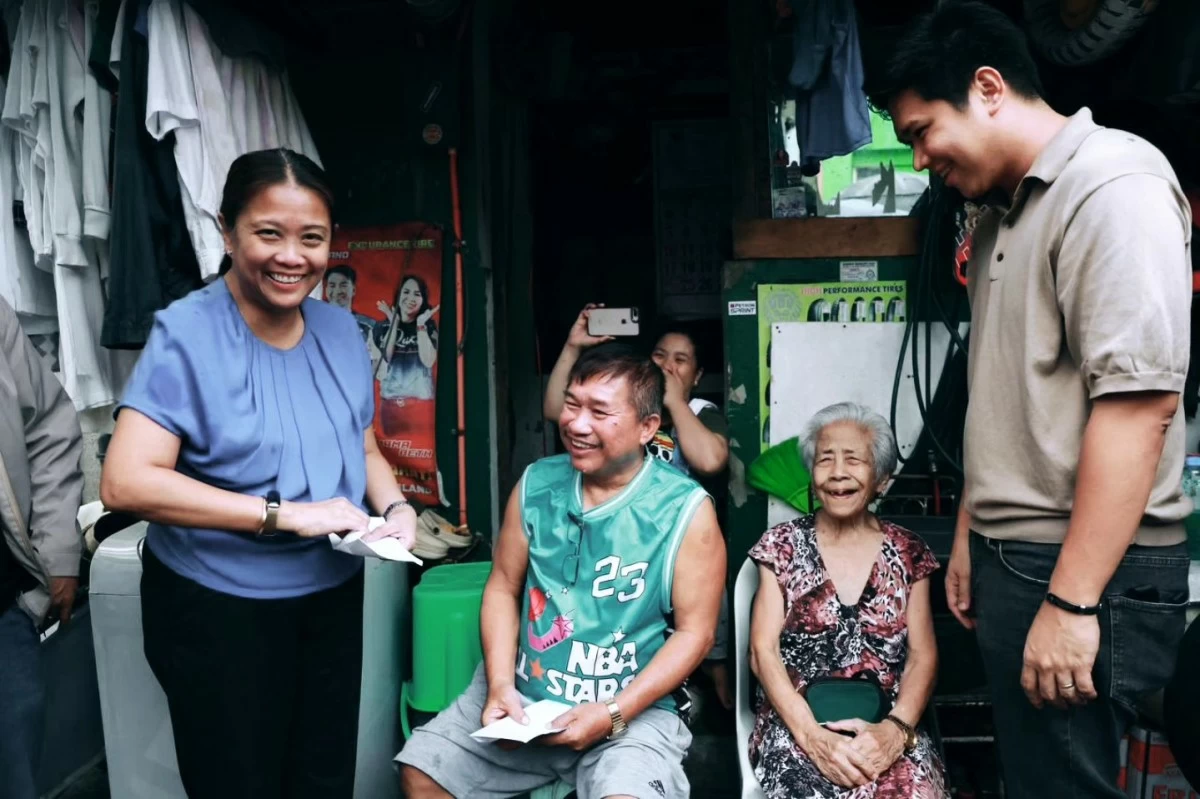
Makati was the first local government in the Philippines to offer its residents free comprehensive healthcare through the Yellow Card, and that standard has not changed. What has changed is the speed.
A total of 7,533 senior citizens have received their cash incentives directly through bahay-to-bahay delivery. Eleven centenarians have been awarded since July 2025.
And 36,590 seniors have received birthday cakes at their doorstep, because sometimes the most powerful thing a government can do is knock on a door and say, we remember you.
The Makati Senior Citizens Assistance and Inclusion Program provides financial assistance, food security, and employment pathways for the elderly, with tax incentives for businesses that hire them.
A total of 15,186 persons with disabilities are set to receive cash and rice assistance this year.
The Day Center for Senior Citizens in Barangay Poblacion has been reactivated, offering free haircuts, massage, and grooming services daily.

The Mobile Salon Program brings that same care to all 23 barangays, reaching seniors who can no longer make the trip.
The Makati Solo Parents Empowerment Program extends that commitment further: ₱10,000 in annual cash aid delivered in two tranches, plus a monthly ₱1,000 subsidy for those earning minimum wage or below.
Solo parents with an annual income not exceeding ₱250,000 receive a 10 percent discount and VAT exemption on baby milk, food supplements, medicines, and vaccines for children up to six years old.
The ordinance also opens doors to livelihood training, educational and healthcare assistance, PhilHealth coverage, and housing support.
No one is left waiting. No one is left behind.
Safety is part of the same promise: Makati has been cited as one of the safest cities in the country, with expanded police mobility and enhanced surveillance compressing response times across the city.
Looking Forward, Marching Ahead
Other cities watch. Makati moves first.
Business tax collection rose 10 percent compared to April 2025. A 15-percent across-the-board reduction in land taxes has eased the burden on residents while sustaining the services this city is known for.

The enhanced Business One-Stop Shop and relocated One-Stop Shop for Construction Permits, both EODB and ARTA-compliant, have cut red tape at every level.
The city is integrating AI and digital tools into government operations, upgrading platforms and upskilling its workforce with one clear rule: technology makes public service faster, but it displaces no one.
In another pioneering move last March, Makati inked a nine-year Renewable Energy Supply Agreement with ACEN Corporation, earning recognition from the Energy Regulatory Commission as the first local government unit in the Philippines to champion the full transition of city government facilities to renewable energy.
Before the year ends, all eligible city government facilities, including City Hall, Ospital ng Makati, and the University of Makati, are expected to run on power sourced entirely from ACEN's solar, wind, and geothermal plants.
Nineteen EV charging stations will also be installed at city facilities, supporting the city's e-jeepneys, e-buses, and e-shuttles.
The city is projected to save about ₱299 million over the life of the contract while preventing roughly 289,885 metric tons of carbon emissions. No other LGU in the country has done this.
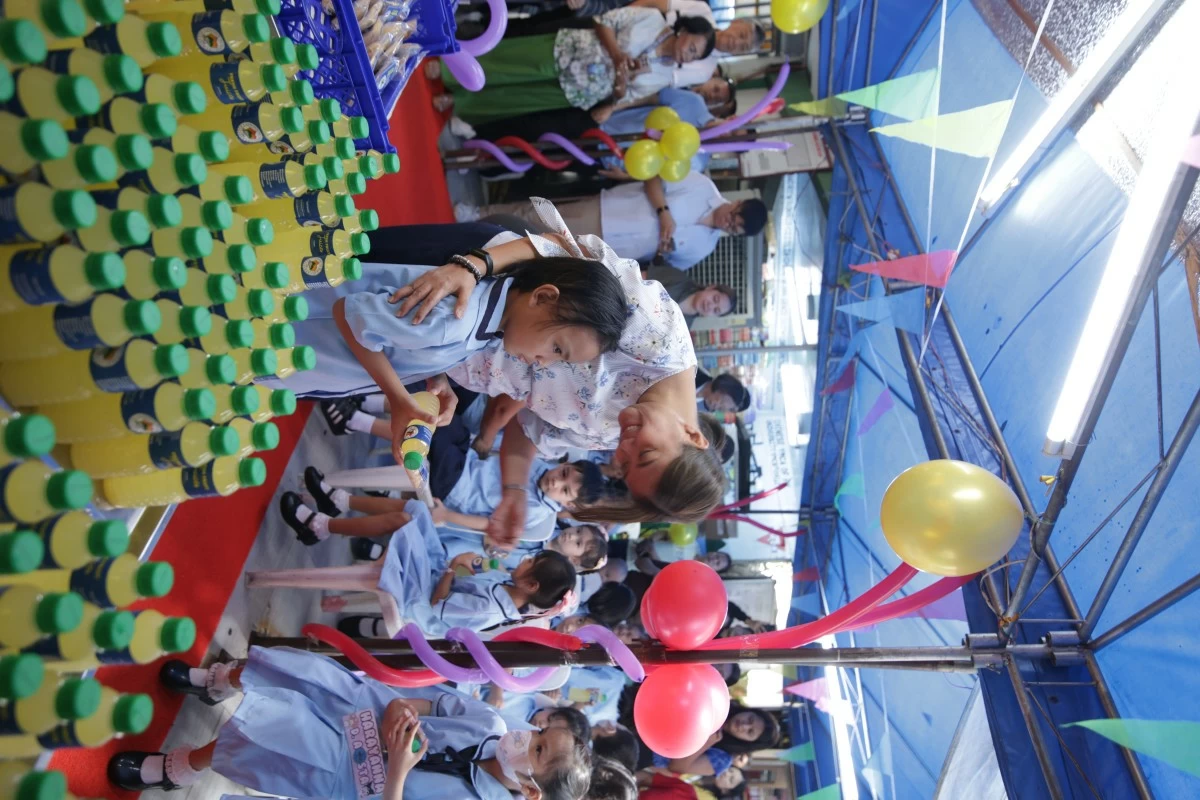
Social services continue to set the benchmark. Starting this June, every public school student from Day Care through Senior High School, including SPED, will receive cash and rice incentives from the city government.

Day Care through Elementary students will receive ₱3,500 while Junior and Senior High students will receive ₱7,000 each, to be given in two tranches every June and December.
Every student will also receive five kilos of rice a month.
Project FREE puts sneakers, school supplies, uniforms, shoes, bags, and rain gear into the hands of every public school student. Project FEED provides free nutritious snacks on school days.
The city will also give a P5,000-incentive to every graduate of the University of Makati annually, starting with this year's batch of graduates.
The University of Makati continues to produce highly competitive graduates. The TEACH program with UST is strengthening science education in public schools. And the Poblacion Heritage Conservation Project, the Museo ng Makati, and the Museum and Cultural Affairs Office reflect a truth this administration holds: a city's culture is not apart from its progress. It is the ground it stands on.
The Standard Others Follow
Ask any Makati resident what makes this city different, and they will not point to the skyline. They will tell you about the Yellow Card that covered their nanay's surgery.
The complete school supplies and gear their children receive every June. The birthday cake that arrived at their lola's door.
That is the Makati people come home to.
Other LGUs have since adopted versions of the programs Makati introduced. This is a confirmation that when Makati moves, it sets the floor for what cities across the country believe is possible.
Those programs trace back to a single conviction, held by former Vice President and Makati Mayor Jejomar Binay: that a prosperous city has no right to be an indifferent one.
Accessible quality education at the University of Makati has turned working-class children into lawyers, engineers, and teachers.
A Yellow Card has told generations of residents that their city will stand with them when their health
fails. These were never just policies. They were promises that Makati kept.
That is the legacy a daughter now carries forward. Not to preserve behind glass, but to build on. The way her father always wanted.
At 356, Makati is dynamic and ever-changing. A city shaped by the devotion of generations.
Led by a mayor who learned from her father that the truest measure of a city's greatness is whether it reaches the people who need it most.
A city that has always moved first and never stopped.