







Gov't to expand pork quotas as hog herd hits 30-year low
Published May 29, 2026 12:41 pm
|
Updated May 29, 2026 02:01 pm


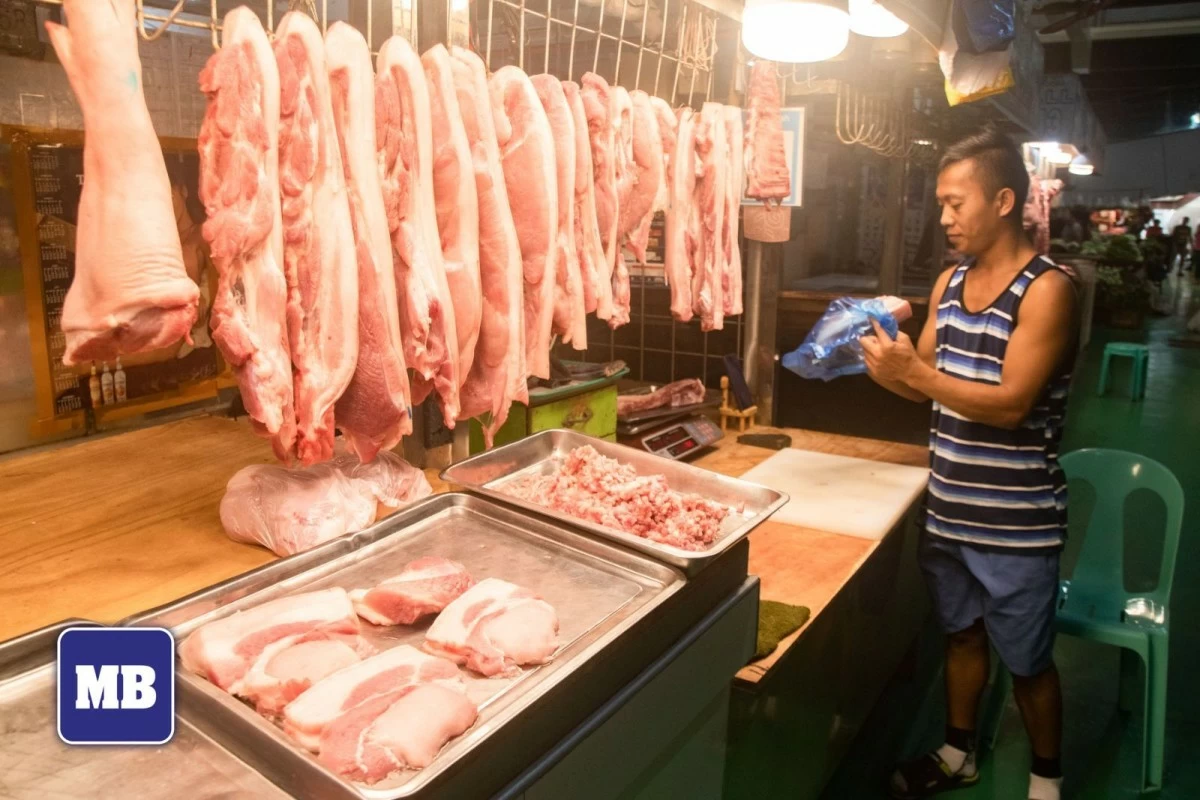
The Department of Agriculture sets a minimum farmgate price for live hogs to help local raisers recover from an influx of cheaper imports.
The Department of Agriculture (DA) is gearing up for the implementation of the government policy expanding the minimum access volume (MAV) for pork imports to temper retail prices and maintain sufficient supply.
Agriculture Secretary Francisco Tiu Laurel said the DA is taking the lead in drafting the implementing rules and regulations (IRR) for the new MAV policy, upon the instructions of President Ferdinand “Bongbong” Marcos Jr.
He said the agency would consult industry stakeholders, including hog raisers and meat processors, as well as lawmakers, to craft the IRR in a way that does not undermine local production.
“The IRR will seek a careful balance between protecting consumers from high prices, safeguarding the viability of local hog producers, and honoring the country’s international trade commitments,” Tiu Laurel said.
“The objective is to stabilize supply and prices without weakening the long-term competitiveness of the domestic swine industry,” he added.
Marcos earlier issued Executive Order (EO) No. 116, which expands the quota for pork imports that can enter the country at a lower tariff rate to 204,210 metric tons (MT) from 54,210 MT.
Under the MAV system, imported pork within the quota is subject to a 15-percent tariff, while out-of-quota shipments are slapped with a higher 25-percent rate.
Tiu Laurel said the IRR aims to protect local hog production, which is still reeling from the prolonged impact of the African swine fever (ASF), while now also facing higher feed, fuel, and biosecurity costs.
Earlier, the Philippine Statistics Authority (PSA) reported that the country’s hog inventory went down to 8.70 million heads from January to March, marking its lowest first-quarter level since 1994.
The DA is banking on the Animal Competitiveness Enhancement Fund (AnCEF), which will allocate ₱1.6 billion for its swine repopulation program, to help the hog sector reach nearly 10 million heads before the end of the year.
But as pointed out by local hog raisers, this funding could be affected by lower tax collections from imported pork in light of the expanded MAV policy, as AnCEF uses revenues from tariffs on meat imports.
In response, Tiu Laurel said the government remains committed to increasing investments in the hog sector, with the aim of improving production capacity and ensuring the industry's long-term sustainability.
He said this is part of a “calibrated approach” to help reduce the country’s dependence on imported pork while encouraging greater demand for locally raised hogs.
From January to February, the Philippines expanded its importation of pork products by nearly 23 percent to 151,788 MT from 124,047 MT in the same period last year, based on data from the Bureau of Animal Industry.