






Manila Bulletin
 Property and Living
Building for the next generation: Inside Arthaland's vision for Liv Katipunan
Property and Living
Building for the next generation: Inside Arthaland's vision for Liv Katipunan
Property and Living
Building for the next generation: Inside Arthaland's vision for Liv Katipunan
Building for the next generation: Inside Arthaland's vision for Liv Katipunan
By Rey Ilagan
Published May 29, 2026 04:05 pm


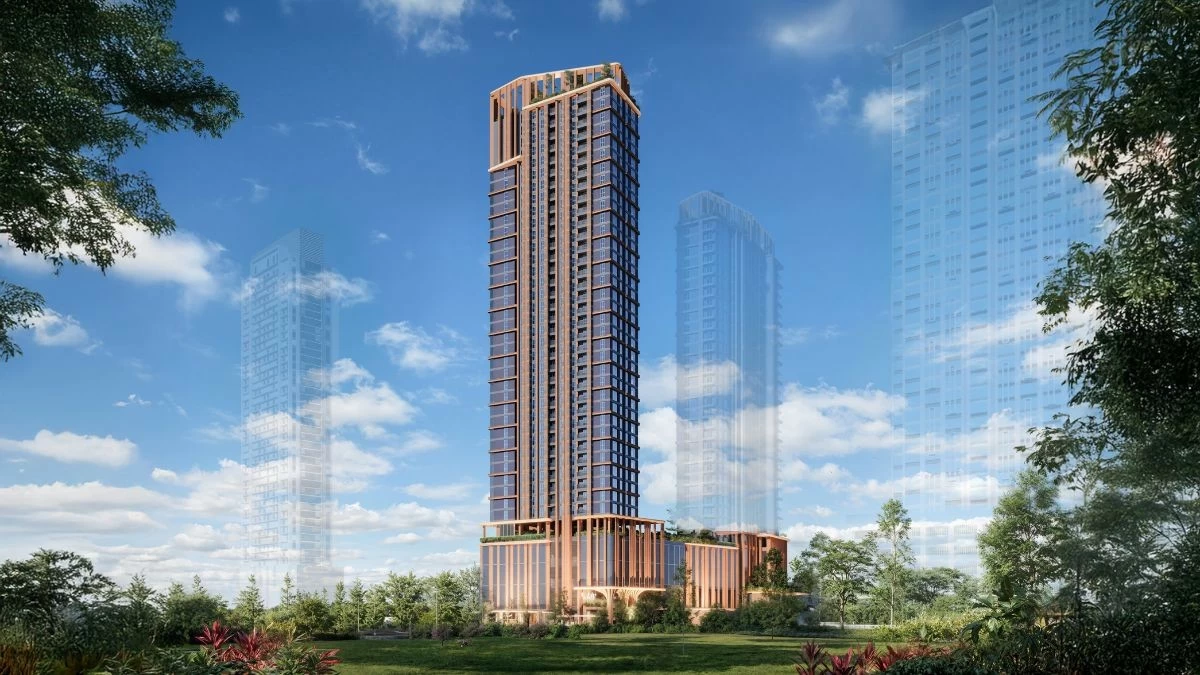
Liv will push the boundaries of sustainable vertical living in Katipunan. (Photos: Arthaland)
As Metro Manila continues to evolve, certain neighborhoods are transforming beyond mere residential districts into fully realized lifestyle communities. Katipunan, long defined by its academic institutions and youthful energy, is now entering a new phase, one that’s shaped by sustainability, accessibility, and purposeful urban living. At the center of this shift is Liv by Arthaland, the newest mixed-use residential development that broke ground along Katipunan Avenue last month.
Rising 46 stories, Liv North Tower is envisioned not simply as another condominium development targeting students and young professionals, but as a future-ready community designed around sustainability as well as health and wellness. Slated for completion in the third quarter of 2031, the first tower will house 748 residential units ranging from studio to two-bedroom configurations.
For Arthaland, however, the project goes beyond numbers and scale. It reflects a broader vision of how cities—and more importantly, communities—should be built moving forward.
“Liv is a community shaped by the same foresight families embrace when building for future generations. By uniting purposeful design, accountability, and opportunity, Liv reflects Arthaland’s enduring vision of Building Sustainable Legacies,” said Jaime C. Gonzalez, vice chairman and president of Arthaland.
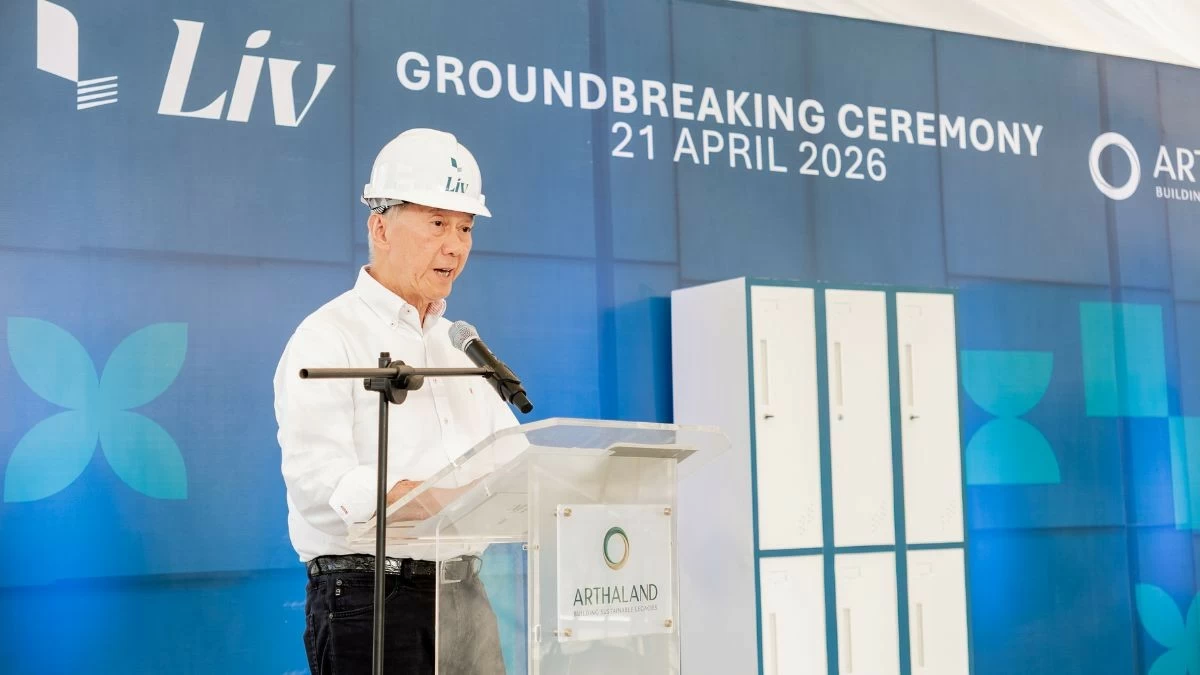
Jaime C. Gonzalez, vice chairman and president of Arthaland
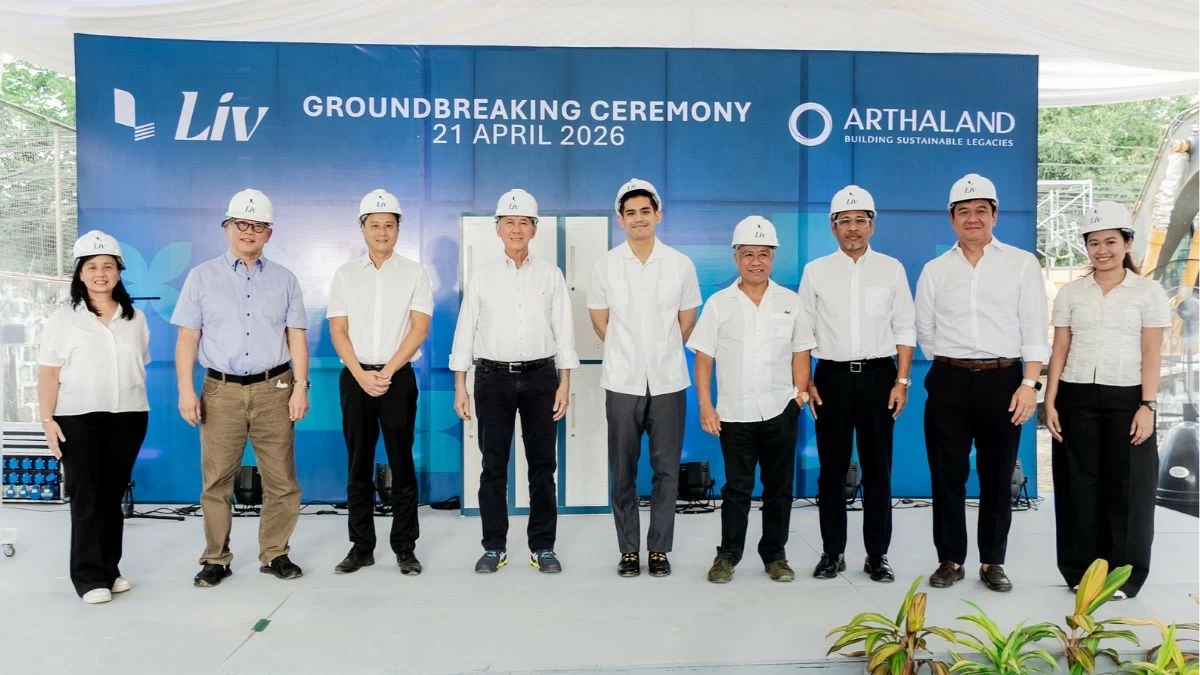
Leilani Kanapi, VP for Strategic Procurement; Rodolfo Ang, VP for Administration, Ateneo de Manila University; Oliver Chan, EVP and
chief sustainability officer; Jaime C. Gonzalez, president and vice chairman; Quezon City District 3 councilor Luigi D. Pumaren, committee chair on Subdivision Planning and Real Estate; Cornelio Mapa, treasurer and evp; Jay Caniza, senior AVP and head of Design Planning; Kenneth Uy, vice president, Vision Arch; Gilliane Burog, structural engineer, Sy^2 + Associates Inc.
Oliver L. Chan, executive vice president and chief sustainability officer of Arthaland, echoed this statement. “Liv is our vision for how future communities should be built – connected, sustainable, and designed to elevate your everyday life. Through Liv we are creating lasting value not only for residents but for the entire neighborhood,” he said.
The groundbreaking ceremony itself reflected the significance of the project, gathering key executives and partners behind the development. Present were Alex Miguel, vice president for Construction Management; Leilani Kanapi, vice president for Strategic Procurement; Oliver L. Chan; Jaime C. Gonzalez; Quezon City District 3 Councilor Luigi D. Pumaren, committee chair on Subdivision Planning and Real Estate; Cornelio Mapa, treasurer and executive vice president; Jay Caniza, senior assistant vice president and head of Design Planning; and Celeste Cariño, assistant vice president for Project Development.
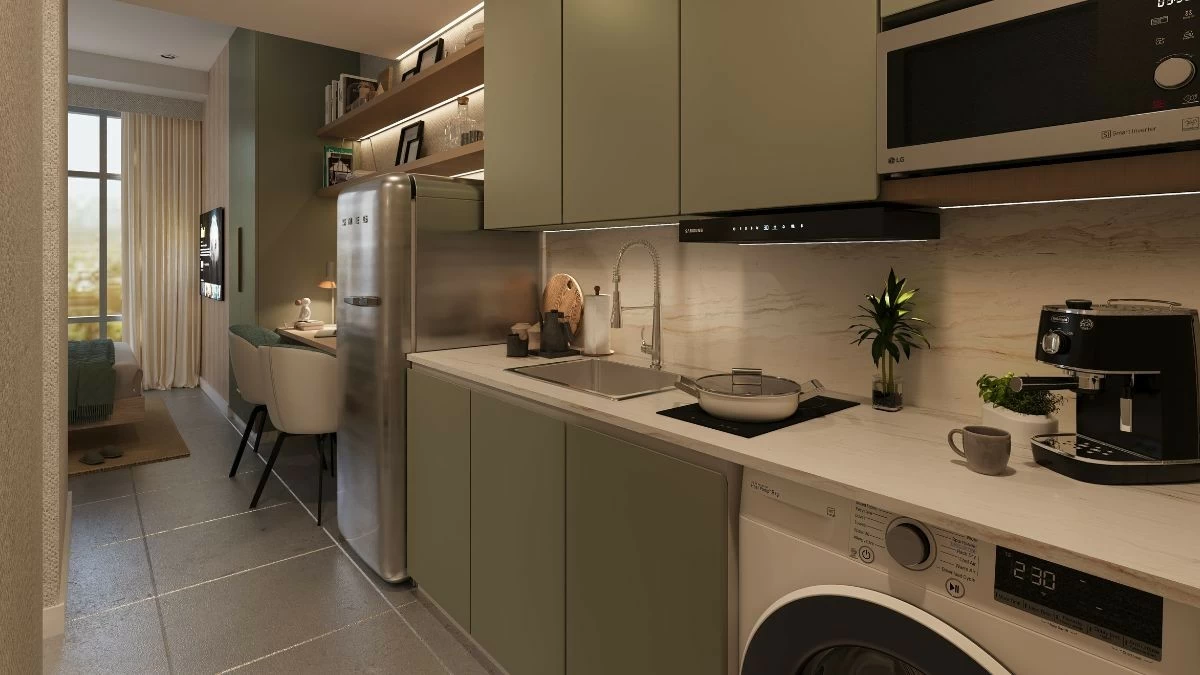
Kitchen area of the studio unit
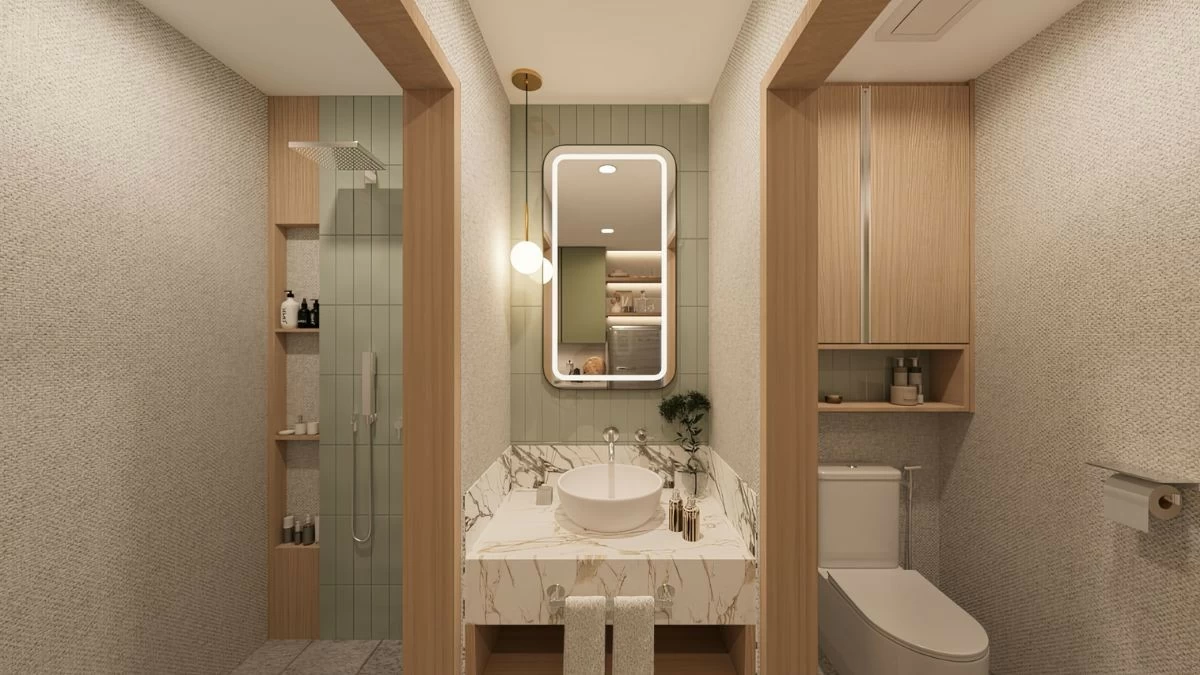
Multi-passenger bathroom design for added efficiency, privacy, and comfort
Elevate the everyday
One of Liv’s defining features is that it is the only development in the area with dual access points via Katipunan Avenue and Esteban Abada, creating a more seamless and efficient connection to the surrounding community. This strategic positioning reinforces its vision of accessibility and convenience, particularly for students, young professionals, and families navigating daily life in Quezon City.
One of Liv’s defining features is that it is the only development in the area with dual access points via Katipunan Avenue and Esteban Abada, creating a more seamless and efficient connection to the surrounding community. This strategic positioning reinforces its vision of accessibility and convenience, particularly for students, young professionals, and families navigating daily life in Quezon City.
The development arrives at a time when the realities of Metro Manila living are pushing people to rethink the way they move, work, study, and live. Traffic congestion, rising transportation costs, and the growing demand for healthier environments have made proximity and efficiency more important than ever.
“If you see the Katipunan area, there are already a lot of different projects catering to the same market,” Chan shared during the event. “What makes our project different is that it would be safe for students to live in, both in terms of security and also health and wellness.”
Indeed, Liv’s location places it directly within one of the country’s most important educational corridors, surrounded by institutions such as Ateneo de Manila University, Miriam College, and the University of the Philippines. But more than convenience, Arthaland is focusing on creating an environment that allows students to reclaim time and improve quality of life.
“The major problem now, not just in Katipunan, but all over Metro Manila, is the traffic,” Chan added. “Students don’t want to be spending time in the car for an hour or more and then still have to study after coming from school. Our development here makes their time more efficient. So we’re after the wellbeing of the students.”
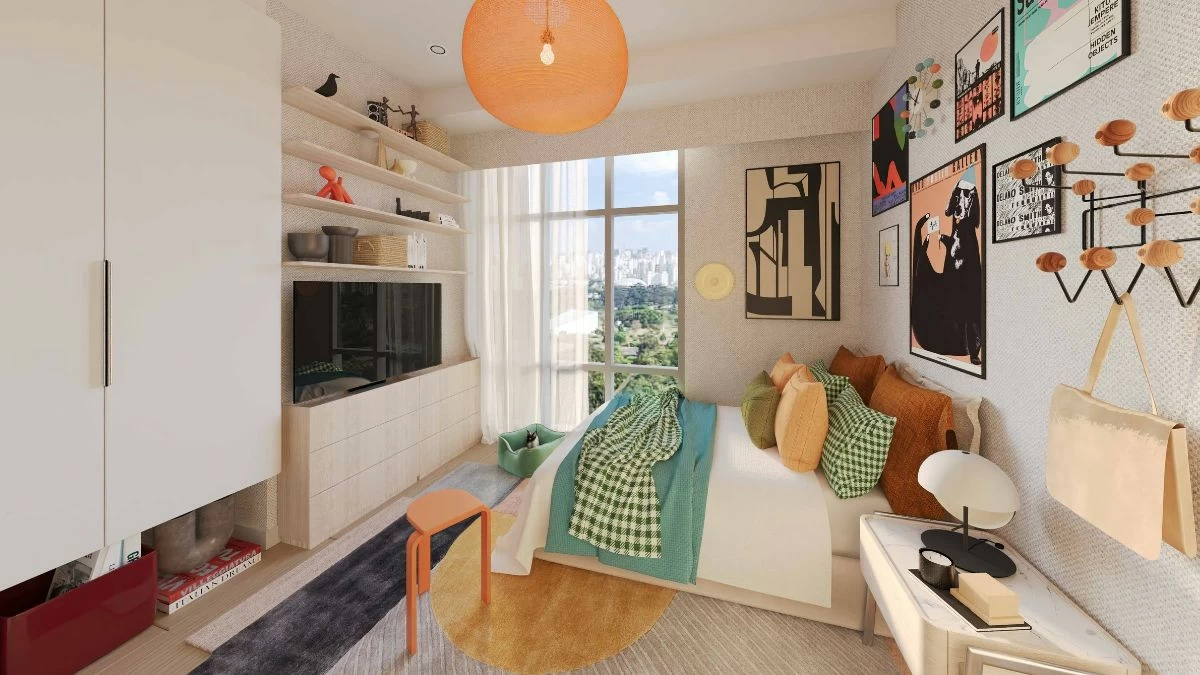
The bedrooms are modern and cozy offering the perfect space for rest and relaxation.
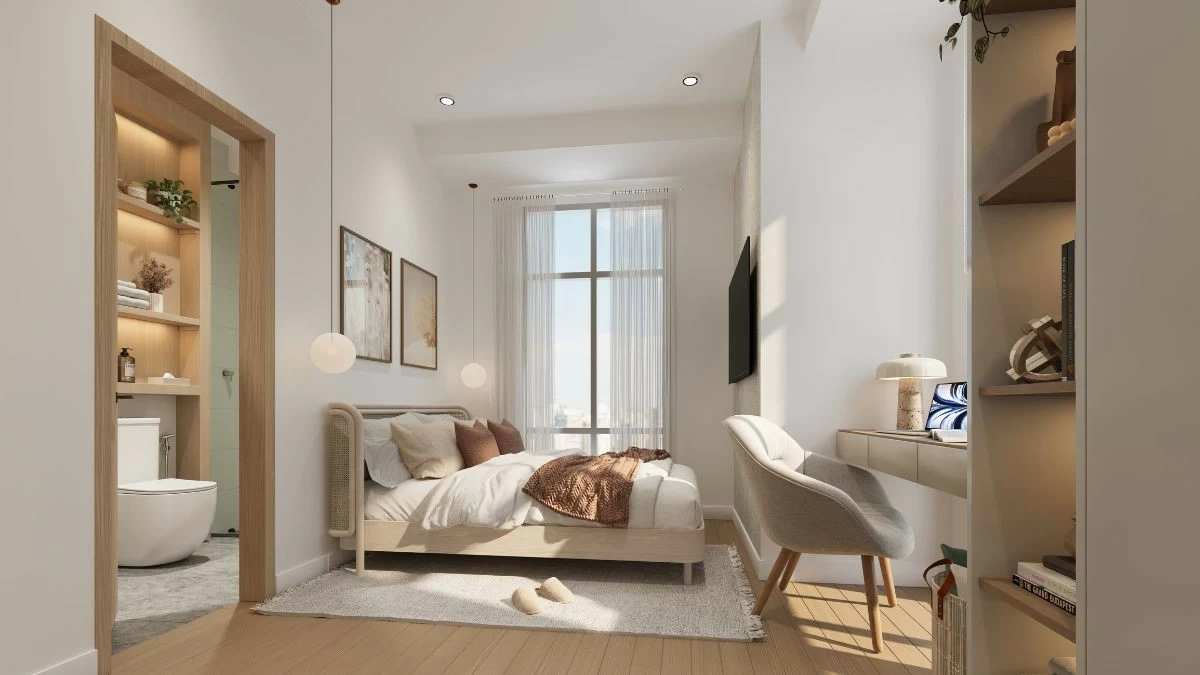
Master bedroom of the two-bedroom unit
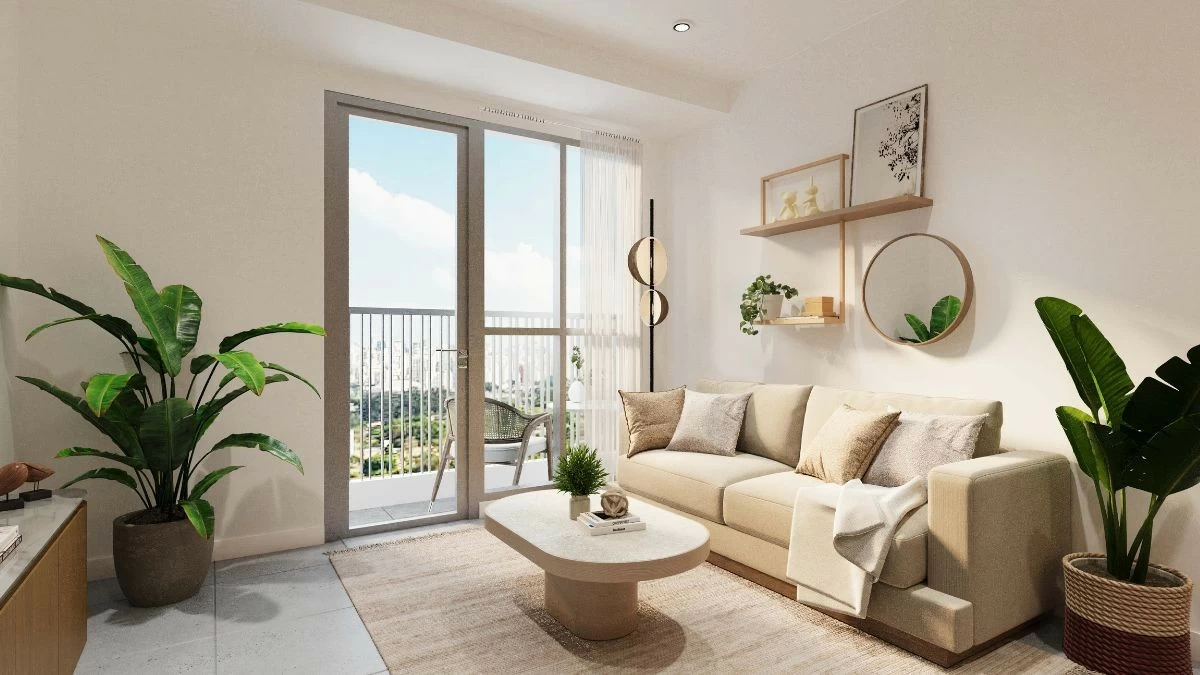
The spacious living area of the two-bedroom unit extends to a private balcony with great views of the city.
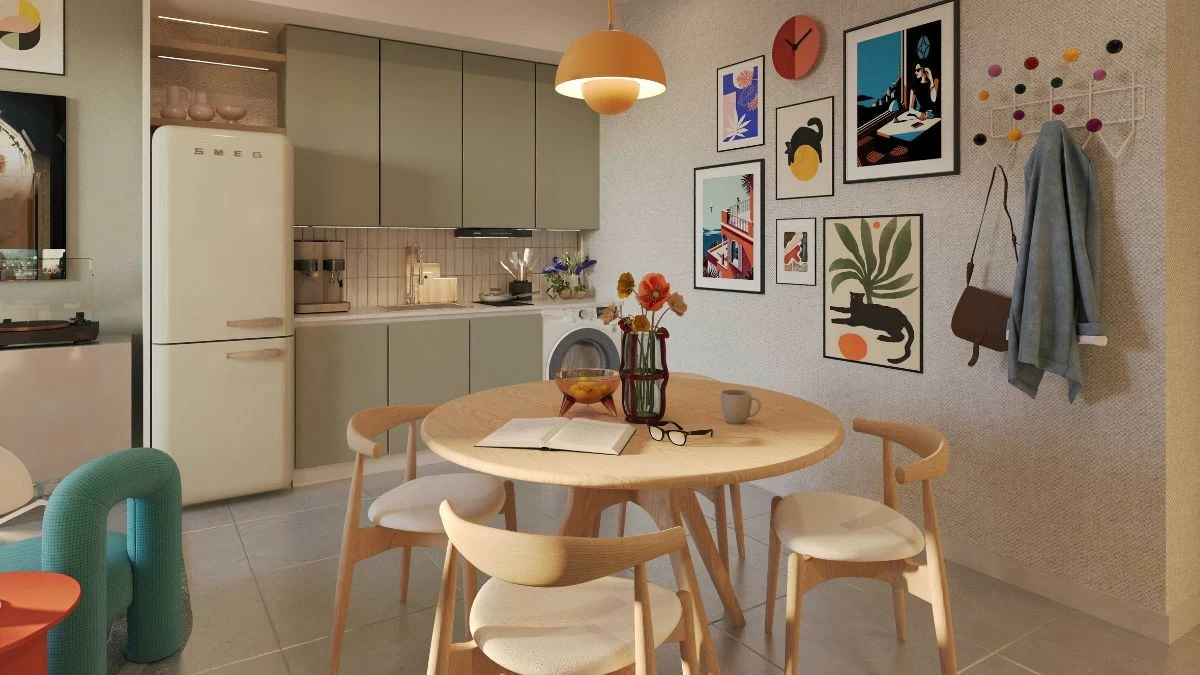
The bright and inviting living and dining area of the one-bedroom unit
Shared sustainability
Liv’s dedicated pedestrian footbridge that will connect the development directly to Ateneo is another notable feature. Fully funded and maintained by Arthaland, the bridge is designed to improve pedestrian safety and mobility while easing congestion along Katipunan Avenue. More importantly, it symbolizes the alignment between the developer and the university in terms of long-term sustainability goals.
Liv’s dedicated pedestrian footbridge that will connect the development directly to Ateneo is another notable feature. Fully funded and maintained by Arthaland, the bridge is designed to improve pedestrian safety and mobility while easing congestion along Katipunan Avenue. More importantly, it symbolizes the alignment between the developer and the university in terms of long-term sustainability goals.
“At the start of the discussion, we were already aligned in terms of sustainability,” Chan said, citing Ateneo’s carbon neutrality commitments alongside Arthaland’s own net-zero carbon goals by 2030.
This sustainability-first mindset is deeply embedded throughout the project. Liv is designed to pursue quadruple certifications under LEED, WELL, EDGE, and BERDE—an ambitious benchmark even among premium developments in the country.
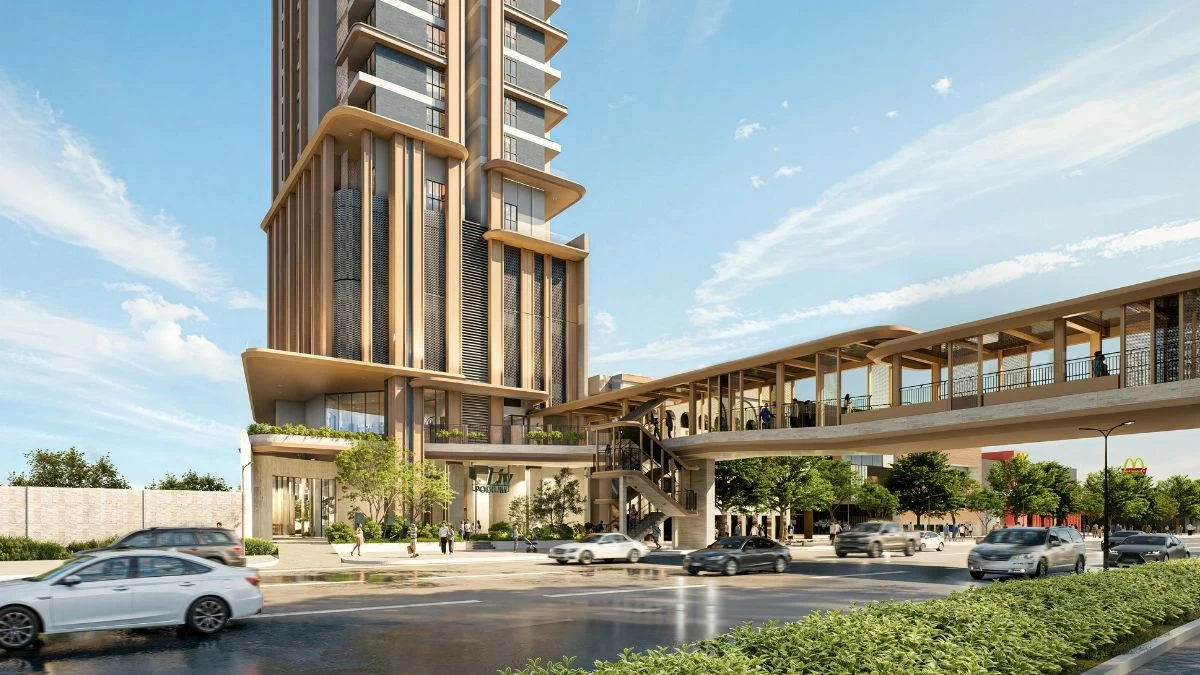
Liv will feature a dedicated footbridge accessible to the public that connects the development's podium area to Ateneo de Manila University.
The building will incorporate energy-efficient systems including LED lighting, automatic lighting controls in common areas, and high-performance air conditioning systems. Water-saving plumbing fixtures are expected to help residents achieve up to 20 percent savings in water and electricity consumption. The tower’s building envelope is likewise designed to reduce heat gain and cooling demand, while low-emitting and non-toxic materials aim to improve indoor air quality.
As Katipunan continues to mature into a more integrated urban district, Liv positions itself not only as a residential address, but as part of a larger conversation about how future communities should function. In many ways, the project reflects the evolving priorities of a younger generation: one that values sustainability, accessibility, wellness, and elevated living.