






Manila Bulletin
 Environment and Sustainability
Before the tassel turns: A proposed law asks graduates to plant a forest for the future
Environment and Sustainability
Before the tassel turns: A proposed law asks graduates to plant a forest for the future
Environment and Sustainability
Before the tassel turns: A proposed law asks graduates to plant a forest for the future
Before the tassel turns: A proposed law asks graduates to plant a forest for the future
By Zabrina Hong
Published May 29, 2026 06:22 am


As graduates across the Philippines step onto stages to receive diplomas, lawmakers have floated a proposal that asks them to step into a different role first: environmental stewards. The Graduation Legacy for the Environment Act of 2019 envisions turning the commencement season into a nationwide reforestation drive, requiring every graduating elementary, high school, and college student to plant at least 10 trees before receiving a diploma.
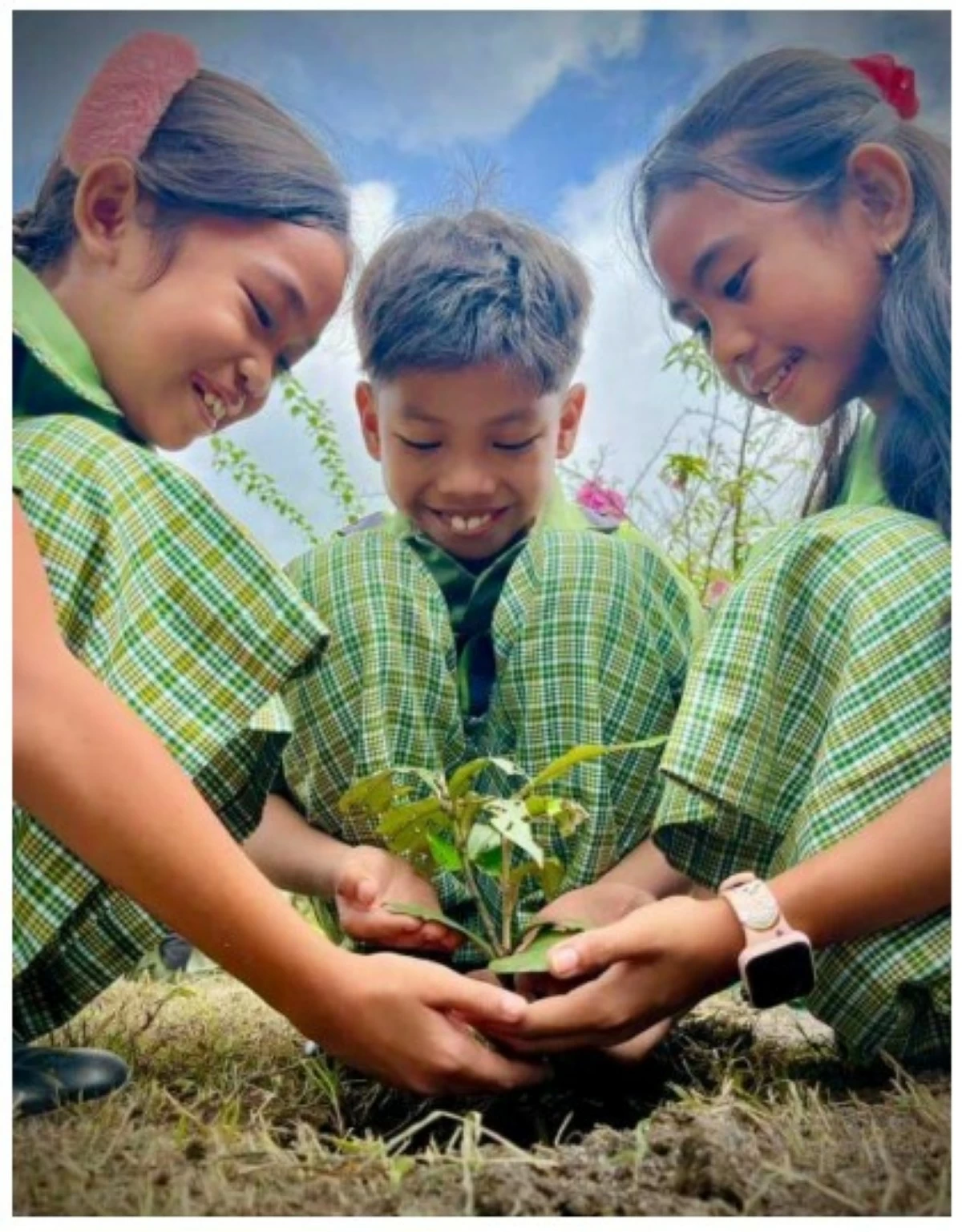
Photo courtesy of: DeEd Philippines
https://web.facebook.com/share/1bq1evNZZi/
A green requirement for graduates
If enacted, the measure would distribute planting responsibilities across a wide range of sites, including forestlands, mangrove and protected areas, ancestral domains, civil and military reservations, urban greening zones under local government plans, inactive or abandoned mining sites, and other suitable public lands. The goal, according to its proponents, is to match large-scale environmental needs with an equally large-scale civic requirement tied to one of the country’s most consistent annual milestones: graduation.
The bill also sets environmental safeguards for implementation. Under Section 5, trees must be chosen based on the suitability of the area’s climate, terrain, and ecological conditions, with preference given to native species. Implementation would be led by the Department of Education (DepEd) and the Commission on Higher Education (CHED), in coordination with other government agencies such as the Department of Environment and Natural Resources (DENR), ensuring that planting efforts align with national reforestation and land management plans.
Principal author Gary Alejano framed the proposal as a response to both the urgency and scale of the country’s environmental challenges. In the bill’s explanatory note, he pointed to the sheer number of graduating students annually—over 12 million in elementary, nearly five million in high school, and around half a million in college. “This initiative, if properly implemented, will ensure that at least 175 million new trees will be planted each year,” he wrote, underscoring the potential cumulative impact of linking education with environmental restoration.
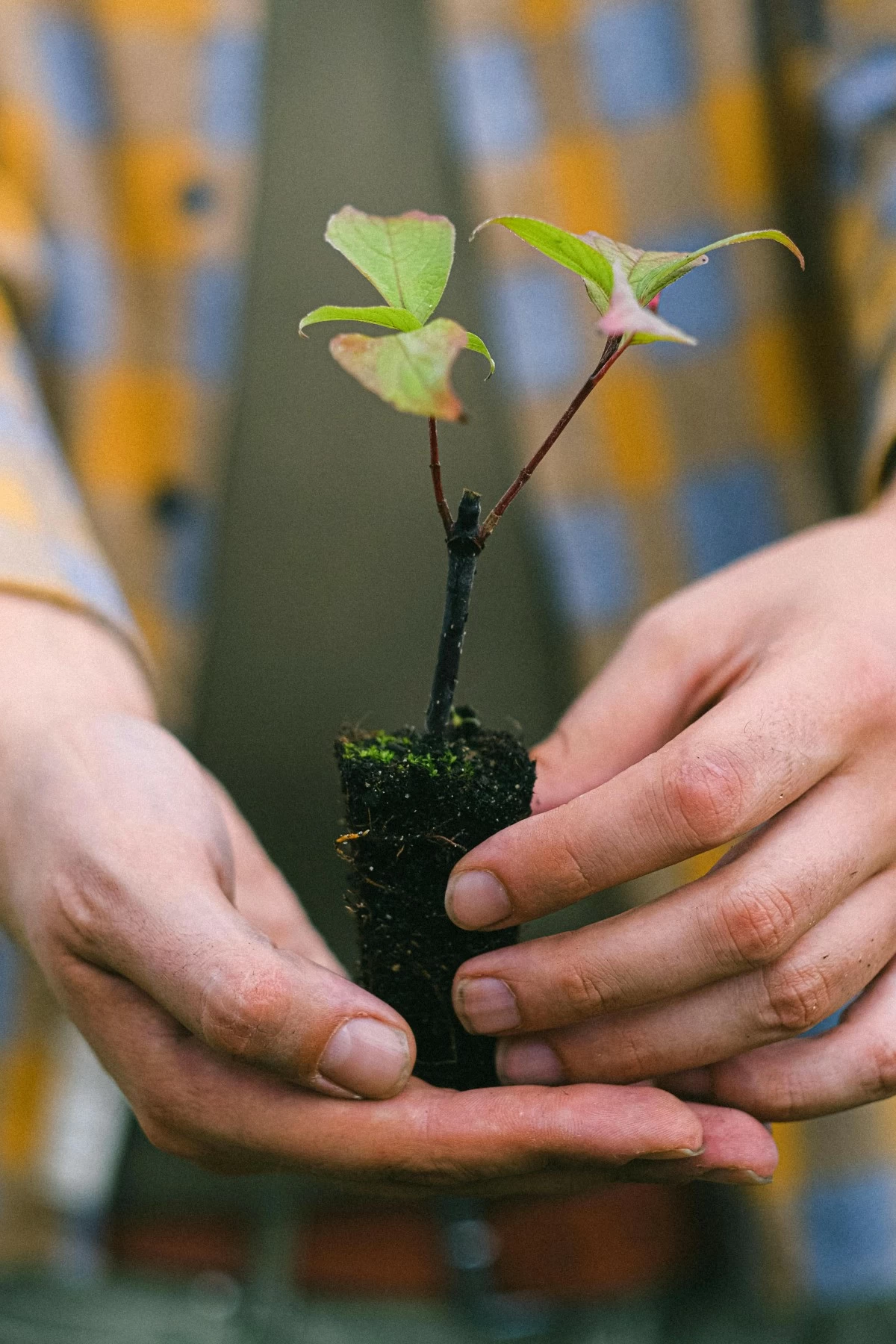
Image from Pexels
Roots of change, branches of debate
The proposal draws support from a body of environmental research highlighting the benefits of reforestation. Studies from the Food and Agriculture Organization (FAO) and the Department of Environment and Natural Resources (DENR) have long emphasized that tree planting can help absorb carbon dioxide, reduce soil erosion, and restore degraded ecosystems. Meanwhile, research from the University of the Philippines Los Baños has shown that urban green spaces contribute to biodiversity, mitigate heat in densely populated areas, and strengthen environmental resilience in communities. The World Health Organization has also linked greener environments to improved air quality and better mental health outcomes.
Yet environmental scientists caution that tree planting, while widely promoted, is not a guaranteed solution. Poorly planned efforts, particularly those that prioritize quantity over ecological fit, can result in low survival rates and unintended ecological disruption. Experts warn that planting non-native species in inappropriate locations may do more harm than good, especially in sensitive ecosystems. In the Philippines, studies and field assessments have repeatedly shown that reforestation programs often struggle with seedling mortality due to weak monitoring, insufficient maintenance, and short-term implementation cycles.
These findings have led researchers and environmental agencies to stress that successful tree-planting initiatives depend not only on planting itself, but on sustained care. Proper species selection, long-term monitoring, and strong community involvement are consistently cited as key factors in ensuring that planted trees survive and mature into functioning ecosystems rather than becoming symbolic gestures.
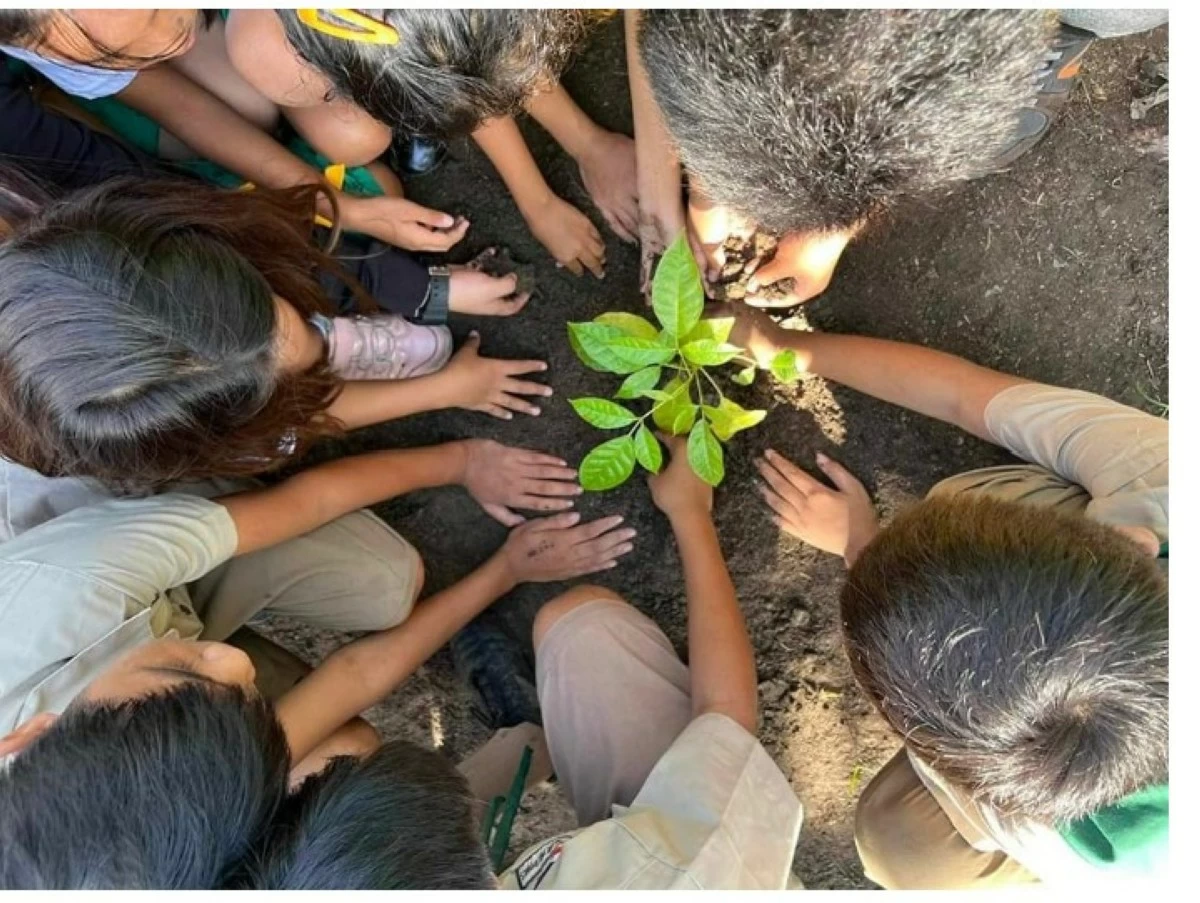
Photo courtesy of: DeEd Philippines
https://web.facebook.com/share/1bq1evNZZi/
Stuck in the Senate pipeline
The legislative journey of the proposal reflects both its ambition and its uncertainty. Originally filed as House Bill No. 8728 in 2019, it was approved by the House of Representatives on third and final reading and transmitted to the Senate. In the upper chamber, it was introduced as Senate Bill No. 668 under the 18th Congress. However, since its referral to the committee, the measure has remained pending, with no final approval or enactment into law. Because a new legislative cycle has since begun, the bill would need to be formally refiled or revived in the current Congress before it can be considered for active debate.
For now, the idea remains on paper: a vision of graduation not only as an academic milestone, but also as an environmental commitment. Whether it moves forward or not, it has already sparked a broader conversation about how civic responsibility might be embedded in the rituals that mark the end of schooling and the beginning of adulthood.