ADVERTISEMENT

A taste of Balay Dako comes to the north

Azela serves comforting Filipino classics inspired by heritage recipes and childhood memories

Published May 29, 2026 10:08 am
Azela by Balay Dako
Azela by Balay Dako
When heading south, particularly to Tagaytay, one restaurant almost always comes to mind: Balay Dako. Its grand gate, sprawling bahay-inspired interiors, comforting Filipino dishes, and the breathtaking view of Taal Volcano have made it a favorite destination for families and food lovers alike. But with its popularity comes one challenge. On most weekends, getting a table can feel nearly impossible, with walk-in diners often leaving disappointed after making the long drive.

Now, northies no longer have to travel all the way to Tagaytay to enjoy the flavors that made Balay Dako iconic. Antonio’s Group recently opened Azela by Balay Dako at SM North EDSA, bringing the beloved restaurant’s signature dishes closer to Metro Manila diners.
Manila Bulletin Lifestyle was among the first to experience Azela during its dry-run event. Located at the mall’s The Block, near Uniqlo, the restaurant serves as a more compact version of Balay Dako while still carrying the warmth and elegance associated with the brand.
Inside, the space instantly evokes nostalgia. The interiors feature old Filipino house elements, from its signature blue-green walls and solihiya-inspired ceiling patterns to wooden tables and chairs that create a relaxed, homey atmosphere. Breeze block details add a familiar veranda-like charm, while the 120-seat dining area balances comfort with the refined touch associated with Antonio’s restaurants.
According to Patricia Benedicto, director of brand and food and beverage for the Antonio’s Group of Restaurants, Azela was created to make the Balay Dako experience more accessible to Filipinos.

“Balay Dako has become a destination restaurant in Tagaytay, but there are still so many people who haven’t been able to try it,” she shared. “With Azela, people can enjoy the same quality and flavors even during a simple mall trip or while running errands.”
The name itself carries deep meaning. While “Balay Dako” translates to “big house,” Azela is named after Chef Tony Boy Escalante’s grandmother, whose cooking inspired many of the restaurant’s recipes. Growing up surrounded by homemade Ilonggo dishes in Negros shaped the flavors that continue to define the restaurant today.
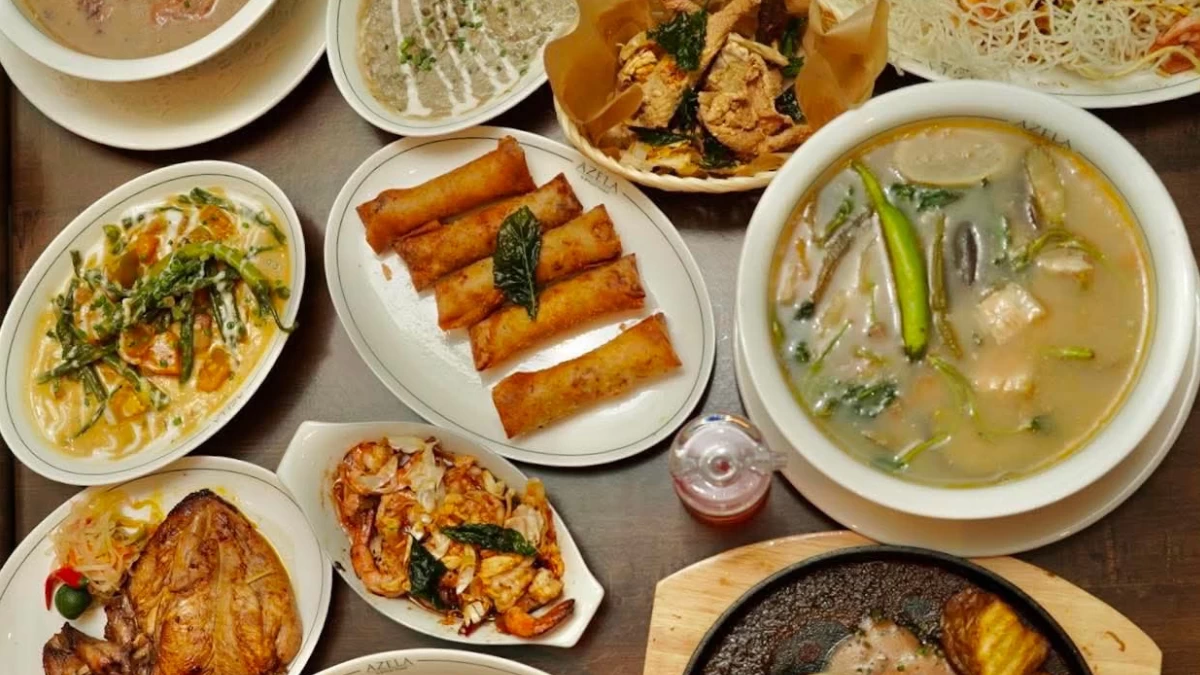
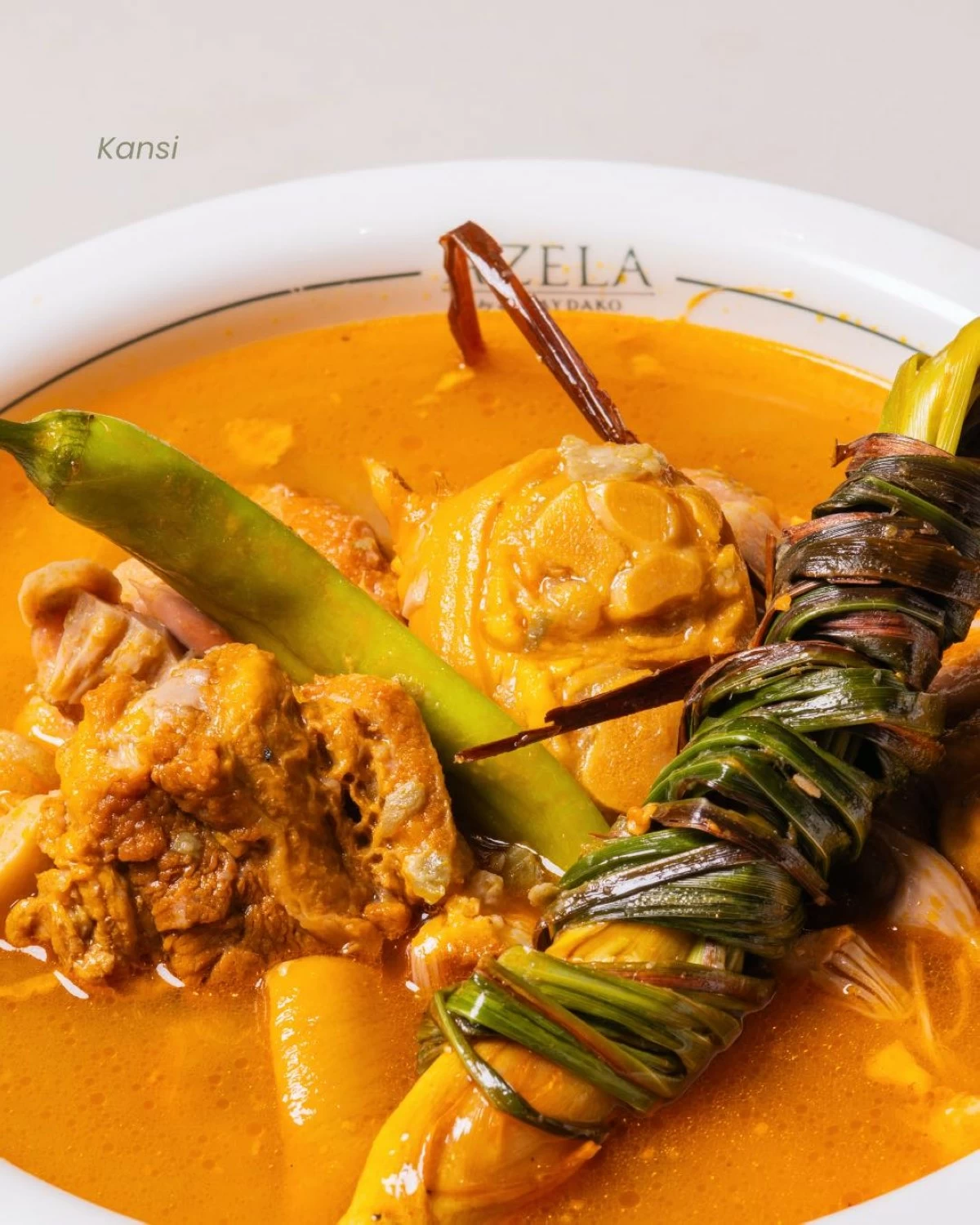
Beyond the interiors, the food remains the star of the experience. One standout dish is the Kansi, a Western Visayas specialty often described as a cross between bulalo and sinigang. The soup delivers a rich balance of savory, tangy, creamy, and slightly spicy flavors through the use of fresh batuan, a native Visayan fruit traditionally used as a souring agent.
Kansi
Kansi
Patricia revealed that the restaurant brings fresh batuan directly from Negros instead of relying on powdered or paste versions commonly used elsewhere. The difference becomes noticeable with every spoonful, especially when diners occasionally encounter batuan seeds in the broth.
Meanwhile, executive chef AC Agra shared that many of Azela’s ingredients are sourced directly from Negros to preserve authenticity. Even the vinegar used for their inasal and marinades comes from the region.
“We want the food to taste exactly the way chef Tonyboy remembers it from childhood,” he explained. “It’s very memory-based cooking.”
Another crowd favorite is the crispy fried Asohos. Though listed under appetizers, many Filipino diners, especially those from Bulacan, just like the author of the story, would gladly pair it with steaming rice. Light, crunchy, and deeply savory, the small fried fish is addictive enough to eat down to the head.

The Kare-kare also stood out during the tasting. Unlike many modern versions that use peanut butter shortcuts, Azela prepares its sauce from scratch by roasting and grinding peanuts and rice in-house. The result is a richer, deeper flavor that feels distinctly homemade.
Those craving traditional Filipino merienda will appreciate Azela’s Puto Bumbong and Bibingka offerings, available year-round instead of only during the holiday season. The Puto Bumbong retains the grainy texture of glutinous rice and the sticky bite. Topped with butter, muscovado sugar, and coconut meat, it delivers both comfort and nostalgia in every bite. It pairs especially well with brewed coffee or a warm cup of tsokolate batirol.
The restaurant also serves other Balay Dako favorites, including Bulalo, Sizzling Bulalo Steak, Crispy Pata, Ginumis, Leche Flan, Piaya, and various Ilonggo dishes inspired by chef Tonyboy’s family recipes.
Despite being inside a bustling mall, Azela still aims to recreate the warmth of coming home. “We want people to feel like they’re at home,” chef AC said. “That’s what Balay Dako has always been about.”

Related Tags

Azela Balay Dako SM North EDSA
ADVERTISEMENT
.most-popular .layout-ratio{ padding-bottom: 79.13%; } @media (min-width: 768px) and (max-width: 1024px) { .widget-title { font-size: 15px !important; } }

{{ articles_filter_1561_widget.title }}

.most-popular .layout-ratio{ padding-bottom: 79.13%; } @media (min-width: 768px) and (max-width: 1024px) { .widget-title { font-size: 15px !important; } }

{{ articles_filter_1562_widget.title }}

.most-popular .layout-ratio{ padding-bottom: 79.13%; } @media (min-width: 768px) and (max-width: 1024px) { .widget-title { font-size: 15px !important; } }

{{ articles_filter_1563_widget.title }}

{{ articles_filter_1564_widget.title }}

.mb-article-details { position: relative; } .mb-article-details .article-body-preview, .mb-article-details .article-body-summary{ font-size: 17px; line-height: 30px; font-family: "Libre Caslon Text", serif; color: #000; } .mb-article-details .article-body-preview iframe , .mb-article-details .article-body-summary iframe{ width: 100%; margin: auto; } .read-more-background { background: linear-gradient(180deg, color(display-p3 1.000 1.000 1.000 / 0) 13.75%, color(display-p3 1.000 1.000 1.000 / 0.8) 30.79%, color(display-p3 1.000 1.000 1.000) 72.5%); position: absolute; height: 200px; width: 100%; bottom: 0; display: flex; justify-content: center; align-items: center; padding: 0; } .read-more-background a{ color: #000; } .read-more-btn { padding: 17px 45px; font-family: Inter; font-weight: 700; font-size: 18px; line-height: 16px; text-align: center; vertical-align: middle; border: 1px solid black; background-color: white; } .hidden { display: none; }
function initializeAllSwipers() { // Get all hidden inputs with cms_article_id document.querySelectorAll('[id^="cms_article_id_"]').forEach(function (input) { const cmsArticleId = input.value; const articleSelector = '#article-' + cmsArticleId + ' .body_images'; const swiperElement = document.querySelector(articleSelector); if (swiperElement && !swiperElement.classList.contains('swiper-initialized')) { new Swiper(articleSelector, { loop: true, pagination: false, navigation: { nextEl: '#article-' + cmsArticleId + ' .swiper-button-next', prevEl: '#article-' + cmsArticleId + ' .swiper-button-prev', }, }); } }); } setTimeout(initializeAllSwipers, 3000); const intersectionObserver = new IntersectionObserver( (entries) => { entries.forEach((entry) => { if (entry.isIntersecting) { const newUrl = entry.target.getAttribute("data-url"); if (newUrl) { history.pushState(null, null, newUrl); let article = entry.target; // Extract metadata const author = article.querySelector('.author-section').textContent.replace('By', '').trim(); const section = article.querySelector('.section-info ').textContent.replace(' ', ' '); const title = article.querySelector('.article-title h1').textContent; // Parse URL for Chartbeat path format const parsedUrl = new URL(newUrl, window.location.origin); const cleanUrl = parsedUrl.host + parsedUrl.pathname; // Update Chartbeat configuration if (typeof window._sf_async_config !== 'undefined') { window._sf_async_config.path = cleanUrl; window._sf_async_config.sections = section; window._sf_async_config.authors = author; } // Track virtual page view with Chartbeat if (typeof pSUPERFLY !== 'undefined' && typeof pSUPERFLY.virtualPage === 'function') { try { pSUPERFLY.virtualPage({ path: cleanUrl, title: title, sections: section, authors: author }); } catch (error) { console.error('ping error', error); } } // Optional: Update document title if (title && title !== document.title) { document.title = title; } } } }); }, { threshold: 0.1 } ); function showArticleBody(button) { const article = button.closest("article"); const summary = article.querySelector(".article-body-summary"); const body = article.querySelector(".article-body-preview"); const readMoreSection = article.querySelector(".read-more-background"); // Hide summary and read-more section summary.style.display = "none"; readMoreSection.style.display = "none"; // Show the full article body body.classList.remove("hidden"); } document.addEventListener("DOMContentLoaded", () => { let loadCount = 0; // Track how many times articles are loaded const offset = [1, 2, 3, 4, 5, 6, 7, 8, 9, 10]; // Offset values const currentUrl = window.location.pathname.substring(1); let isLoading = false; // Prevent multiple calls if (!currentUrl) { console.log("Current URL is invalid."); return; } const sentinel = document.getElementById("load-more-sentinel"); if (!sentinel) { console.log("Sentinel element not found."); return; } function isSentinelVisible() { const rect = sentinel.getBoundingClientRect(); return ( rect.top < window.innerHeight && rect.bottom >= 0 ); } function onScroll() { if (isLoading) return; if (isSentinelVisible()) { if (loadCount >= offset.length) { console.log("Maximum load attempts reached."); window.removeEventListener("scroll", onScroll); return; } isLoading = true; const currentOffset = offset[loadCount]; window.loadMoreItems().then(() => { let article = document.querySelector('#widget_1690 > div:nth-last-of-type(2) article'); intersectionObserver.observe(article) loadCount++; }).catch(error => { console.error("Error loading more items:", error); }).finally(() => { isLoading = false; }); } } window.addEventListener("scroll", onScroll); });

Sign up by email to receive news.