ADVERTISEMENT

When you're not just sad

Recognizing the signs of depression

By MBrand
Published May 28, 2026 11:36 am  |  Updated May 28, 2026 03:03 pm
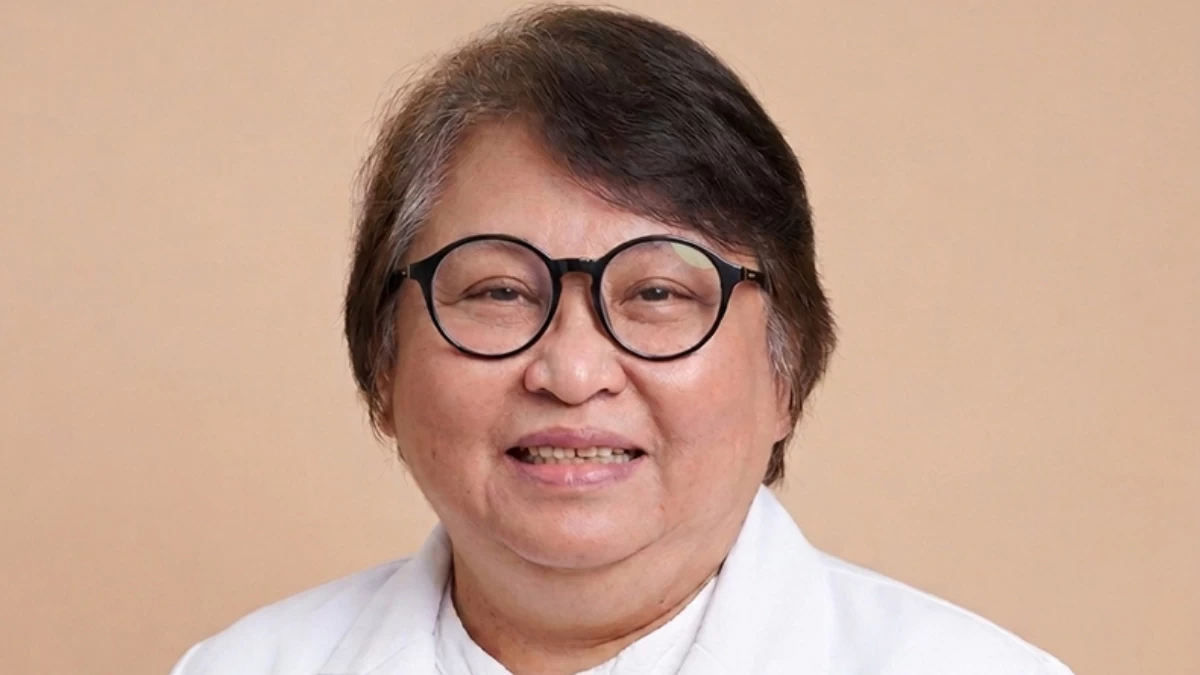
Dr. Carmina Charmaine Bernardo
By Dr. Carmina Charmaine Bernardo
Head, Esketamine Center – Asian Brain Institute
Asian Hospital and Medical Center
Two weeks ago, you woke up sad, feeling heavy. You figured it was probably due to a little setback at work. The next day, the sadness remained. Seven days later, you were still sad. You couldn’t identify the exact cause. It couldn’t be the thing at work —it was too small a thing to keep you upset this long. Everything else seemed fine, nothing should be making you upset.
It has been 14 days since, and the despair has become vast; it has grown stronger. You find yourself uninterested in things you used to enjoy. You couldn’t find a way to cope with this inexplicable misery. You’re not interested in anything, even those things you used to be passionate about.
While it’s normal to be sad as a response to when things don’t go our way, despair this long and this intense signals something else. These are common manifestations of depression or depressive disorder. If you’re experiencing this, or you observe something like this happening to a loved one, the best thing to do is to consult a psychiatrist.
Classified as a common mental illness, the World Health Organization describes depression as sadness, loss of interest, and inability to carry out daily activities for at least two weeks. While its exact cause is unknown, it can result from biological, social, and psychological factors, or an interaction of these.
The illness can manifest as mild, moderate, or severe. It can also be classified into different types. There are two common forms of depressive disorders: first, major depression, in which a patient experiences symptoms most of the time for at least two weeks, interfering with daily activities; and second, persistent depressive disorder, which involves less severe symptoms but lasts much longer.
Like any other disease, it is important to be properly diagnosed before being given a treatment. We doctors conduct screening tests through a series of questionnaires to assess a patient’s mood and behavior. We would also recommend doing lab tests like thyroid function, liver function, electrolytes, toxicology screening, and kidney function to rule out other illnesses that manifest symptoms similar to depression. Once a depression diagnosis is confirmed, intervention may include therapy, antidepressants, or a combination of both.
Treatment approaches depend on severity, but an intervention is available for every level of the disease. However, some patients (about 30%) are treatment-resistant. Meaning, their symptoms linger despite trying out two different antidepressants. This may be attributed to a complex variety of risk factors that could include medical comorbidities, ability to metabolize meds (genetics), substance-use disorder, and poor adherence to prescribed medication. This was a real challenge for us doctors. Of course, our desire has always been to relieve the pain and treat our patients. Running out of options shouldn’t be an option!
That’s why we are so happy there’s new hope for our patients, through esketamine-assisted therapy. It is a globally-recognized and clinically-approved nasal spray therapy that serves as a rapid-acting treatment for patients unresponsive to conventional antidepressants. And we are more elated that the technology is available to Filipinos.
Through the Esketamine Care Center at the Asian Brain Institute of Asian Hospital and Medical Center, we can implement esketamine-assisted therapy to qualified patients. Administered in a controlled clinical setting with continuous monitoring, it works by targeting the brain's glutamate system (a neurotransmitter vital to mood regulation). The results are promising and a welcome relief for those finding it difficult to be free from depressive symptoms. Within hours or days, symptoms are expected to alleviate.
At the center, we believe that holistic intervention is essential to a more sustainable management of depression, helping patients regain stability, well-being, and quality of life. We combine medical supervision, psychological support, and personalized care plans for effective outcomes that also consider the patient's safety and comfort. The center provides comprehensive psychiatric evaluation to determine eligibility, treatment planning, and ongoing mental health management; integrated counseling and support to complement esketamine treatment through therapeutic session that addresses emotional, cognitive, and behavioral aspects of depression; we also guide our patient on sleep, nutrition, exercise, and stress management to support long-term mental wellness; and structured follow-up programs to prevent relapse and provide support not only for the patients but also for their carers.
Experiencing mental illness can be challenging, but know that there’s always hope. Don’t hesitate to seek help. Get in touch with us through the Asian Hospital and Medical Center hotline at 8-771-9000 local 5913 or send us an email at [email protected] for inquiries. Follow our social media pages for up-to-date information at //AsianHospitalPH.

Related Tags

HEALTH Asian Hospital and Medical Center
ADVERTISEMENT
.most-popular .layout-ratio{ padding-bottom: 79.13%; } @media (min-width: 768px) and (max-width: 1024px) { .widget-title { font-size: 15px !important; } }

{{ articles_filter_1561_widget.title }}

.most-popular .layout-ratio{ padding-bottom: 79.13%; } @media (min-width: 768px) and (max-width: 1024px) { .widget-title { font-size: 15px !important; } }

{{ articles_filter_1562_widget.title }}

.most-popular .layout-ratio{ padding-bottom: 79.13%; } @media (min-width: 768px) and (max-width: 1024px) { .widget-title { font-size: 15px !important; } }

{{ articles_filter_1563_widget.title }}

{{ articles_filter_1564_widget.title }}

.mb-article-details { position: relative; } .mb-article-details .article-body-preview, .mb-article-details .article-body-summary{ font-size: 17px; line-height: 30px; font-family: "Libre Caslon Text", serif; color: #000; } .mb-article-details .article-body-preview iframe , .mb-article-details .article-body-summary iframe{ width: 100%; margin: auto; } .read-more-background { background: linear-gradient(180deg, color(display-p3 1.000 1.000 1.000 / 0) 13.75%, color(display-p3 1.000 1.000 1.000 / 0.8) 30.79%, color(display-p3 1.000 1.000 1.000) 72.5%); position: absolute; height: 200px; width: 100%; bottom: 0; display: flex; justify-content: center; align-items: center; padding: 0; } .read-more-background a{ color: #000; } .read-more-btn { padding: 17px 45px; font-family: Inter; font-weight: 700; font-size: 18px; line-height: 16px; text-align: center; vertical-align: middle; border: 1px solid black; background-color: white; } .hidden { display: none; }
function initializeAllSwipers() { // Get all hidden inputs with cms_article_id document.querySelectorAll('[id^="cms_article_id_"]').forEach(function (input) { const cmsArticleId = input.value; const articleSelector = '#article-' + cmsArticleId + ' .body_images'; const swiperElement = document.querySelector(articleSelector); if (swiperElement && !swiperElement.classList.contains('swiper-initialized')) { new Swiper(articleSelector, { loop: true, pagination: false, navigation: { nextEl: '#article-' + cmsArticleId + ' .swiper-button-next', prevEl: '#article-' + cmsArticleId + ' .swiper-button-prev', }, }); } }); } setTimeout(initializeAllSwipers, 3000); const intersectionObserver = new IntersectionObserver( (entries) => { entries.forEach((entry) => { if (entry.isIntersecting) { const newUrl = entry.target.getAttribute("data-url"); if (newUrl) { history.pushState(null, null, newUrl); let article = entry.target; // Extract metadata const author = article.querySelector('.author-section').textContent.replace('By', '').trim(); const section = article.querySelector('.section-info ').textContent.replace(' ', ' '); const title = article.querySelector('.article-title h1').textContent; // Parse URL for Chartbeat path format const parsedUrl = new URL(newUrl, window.location.origin); const cleanUrl = parsedUrl.host + parsedUrl.pathname; // Update Chartbeat configuration if (typeof window._sf_async_config !== 'undefined') { window._sf_async_config.path = cleanUrl; window._sf_async_config.sections = section; window._sf_async_config.authors = author; } // Track virtual page view with Chartbeat if (typeof pSUPERFLY !== 'undefined' && typeof pSUPERFLY.virtualPage === 'function') { try { pSUPERFLY.virtualPage({ path: cleanUrl, title: title, sections: section, authors: author }); } catch (error) { console.error('ping error', error); } } // Optional: Update document title if (title && title !== document.title) { document.title = title; } } } }); }, { threshold: 0.1 } ); function showArticleBody(button) { const article = button.closest("article"); const summary = article.querySelector(".article-body-summary"); const body = article.querySelector(".article-body-preview"); const readMoreSection = article.querySelector(".read-more-background"); // Hide summary and read-more section summary.style.display = "none"; readMoreSection.style.display = "none"; // Show the full article body body.classList.remove("hidden"); } document.addEventListener("DOMContentLoaded", () => { let loadCount = 0; // Track how many times articles are loaded const offset = [1, 2, 3, 4, 5, 6, 7, 8, 9, 10]; // Offset values const currentUrl = window.location.pathname.substring(1); let isLoading = false; // Prevent multiple calls if (!currentUrl) { console.log("Current URL is invalid."); return; } const sentinel = document.getElementById("load-more-sentinel"); if (!sentinel) { console.log("Sentinel element not found."); return; } function isSentinelVisible() { const rect = sentinel.getBoundingClientRect(); return ( rect.top < window.innerHeight && rect.bottom >= 0 ); } function onScroll() { if (isLoading) return; if (isSentinelVisible()) { if (loadCount >= offset.length) { console.log("Maximum load attempts reached."); window.removeEventListener("scroll", onScroll); return; } isLoading = true; const currentOffset = offset[loadCount]; window.loadMoreItems().then(() => { let article = document.querySelector('#widget_1690 > div:nth-last-of-type(2) article'); intersectionObserver.observe(article) loadCount++; }).catch(error => { console.error("Error loading more items:", error); }).finally(() => { isLoading = false; }); } } window.addEventListener("scroll", onScroll); });

Sign up by email to receive news.