






Manila Bulletin
 Property and Living
Tahanan's new showroom signals a more modern direction for Filipino furniture
Property and Living
Tahanan's new showroom signals a more modern direction for Filipino furniture
Property and Living
Tahanan's new showroom signals a more modern direction for Filipino furniture
Tahanan's new showroom signals a more modern direction for Filipino furniture
Published May 28, 2026 02:01 pm
|
Updated Jun 3, 2026 12:53 pm


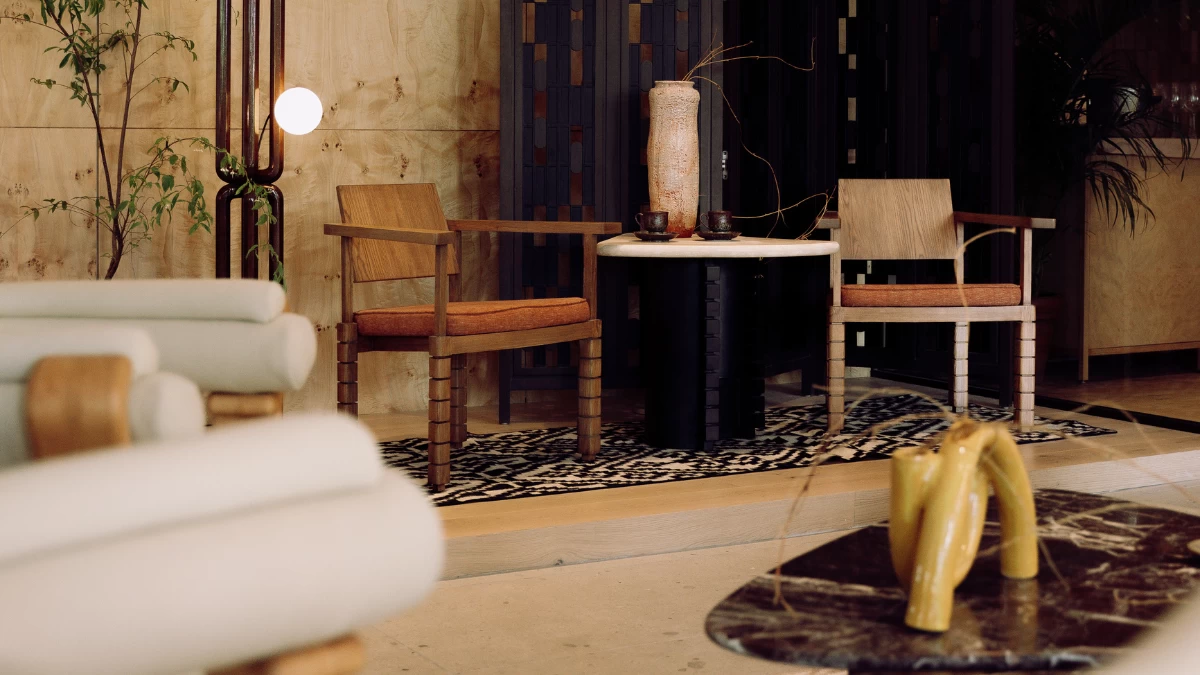
Tahanan opens its first showroom along Chino Roces.
For years, Filipino furniture has occupied a familiar place on the international design circuit. At international design fairs, the country’s presence has often been associated with woven rattan, tropical textures, and craftsmanship shaped by generations of local artisanship. But inside the newly opened showroom of Tahanan in Manila, the brand is testing what a more modern Filipino furniture language can look like.
The furniture is still unmistakably Filipino. There is hand-carving, locally sourced stone, marquetry, and hardwood worked by artisans in Taytay, Rizal. But the silhouettes are sharper, more sculptural, and less tied to the expectations often attached to Southeast Asian furniture.
At the center of that shift is architect and furniture designer Brian Ver, who was tasked with helping modernize the brand’s design language without stripping away its identity.
“I feel like a lot of furniture before had to solve a problem,” Brian said during an interview at the showroom opening. “We wanted to contribute something more sculptural, more collectible… more open to interpretation.”
That philosophy became especially visible in the brand’s accent cabinet, one of the standout pieces that helped Tahanan gain stronger attention this year at ‘Maison & Objet’. Rather than prioritizing strict utility, the piece leans into form and composition—stacked geometries, floating shapes, and intricate combinations of wood, stone, and hand-applied finishes. Upon opening its doors, the cabinet reveals itself as a bar, complete with rivets for upside-down wine glasses and shelving designed for liquor.
Founded by Thea and Carlo Yu, Tahanan describes itself as “shaped by the future, guided by heritage.” The showroom along Chino Roces was designed like a lived-in home, with arranged spaces instead of aisles. The intent is to position furniture as part of how people shape their lives, rather than as simply decorative objects.
That philosophy extends into the collection itself. Brian identified three elements that anchor the pieces in Filipino craftsmanship: marquetry, hand carving, and the use of locally sourced stone and marble.
“It’s not usual to combine all three locally,” Brian explained. “Usually, suppliers specialize in just one material or craft. Here, we wanted to mesh them together.”
Much of the work is done by hand at Tahanan’s factory in Taytay, Rizal, where materials are assembled, carved, lacquered, and finished by artisans. Some pieces underwent several iterations before arriving at their final form. The result is a collection that sits somewhere between collectible design and functional furniture.
Brian said part of his approach was shaped by Filipino designers he has long admired, particularly Cebu-based furniture designers Vito Selma and Kenneth Cobonpue, whose work helped push local furniture toward a more sculptural and internationally recognizable direction. Rather than replicating their design language, Brian said he was interested in continuing the broader conversation around what contemporary Filipino furniture could become.
There are chairs inspired by woven banig patterns, lamps exposing their structural “bones,” and heavily lacquered surfaces that verge on sculptural objects.
“It’s also a practice in editing,” Brian, who describes his work as “maximalism with a bit of restraint,” said. “We can do all of this, but should we really do it?”
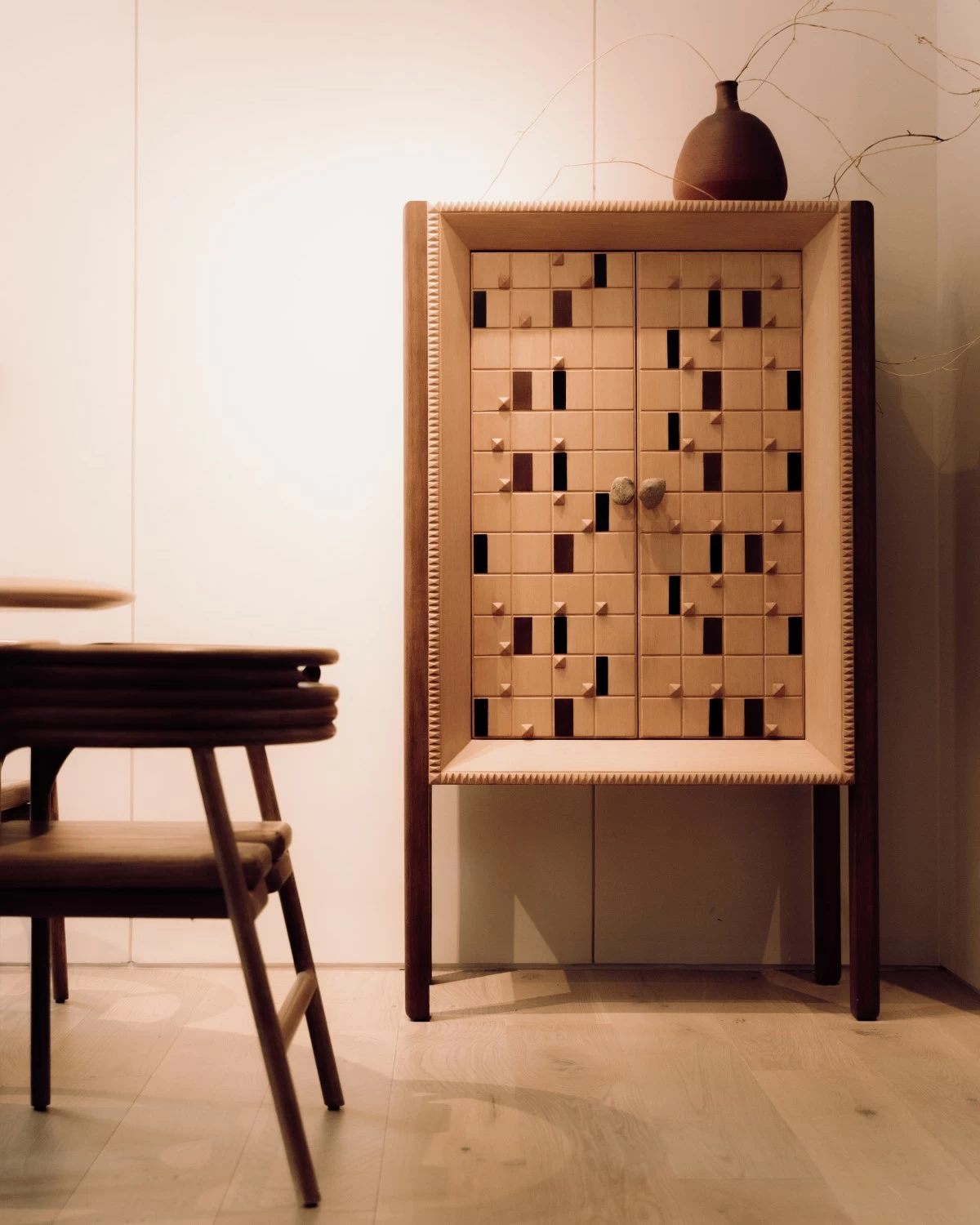
The accent cabinet, designed by Arch. Brian Ver for Tahanan, was a favorite at the most recent 'Maison & Object'.
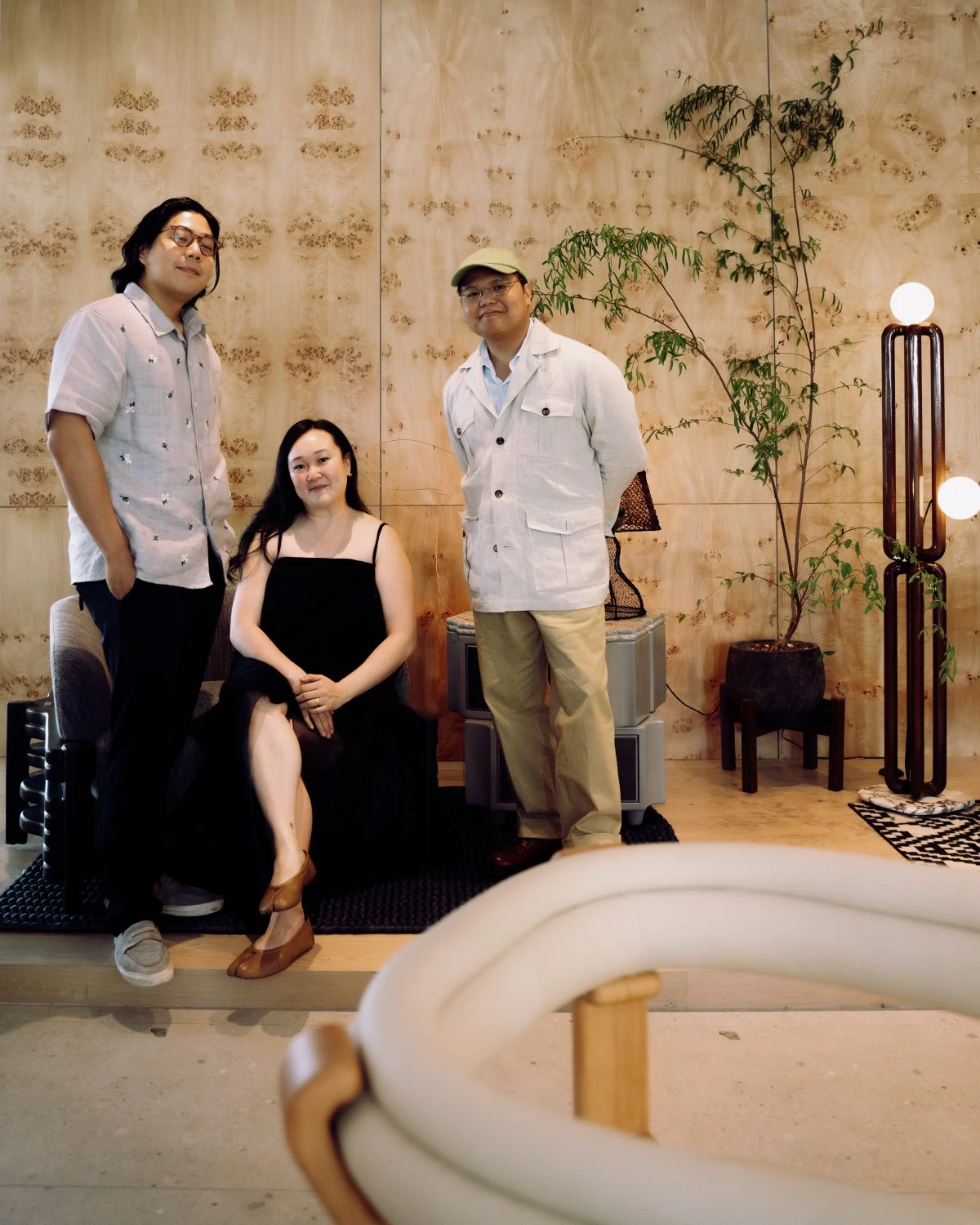
Tahanan founders Carlo and Thea Yu, together with their new collection's designer, Architect Brian Ver
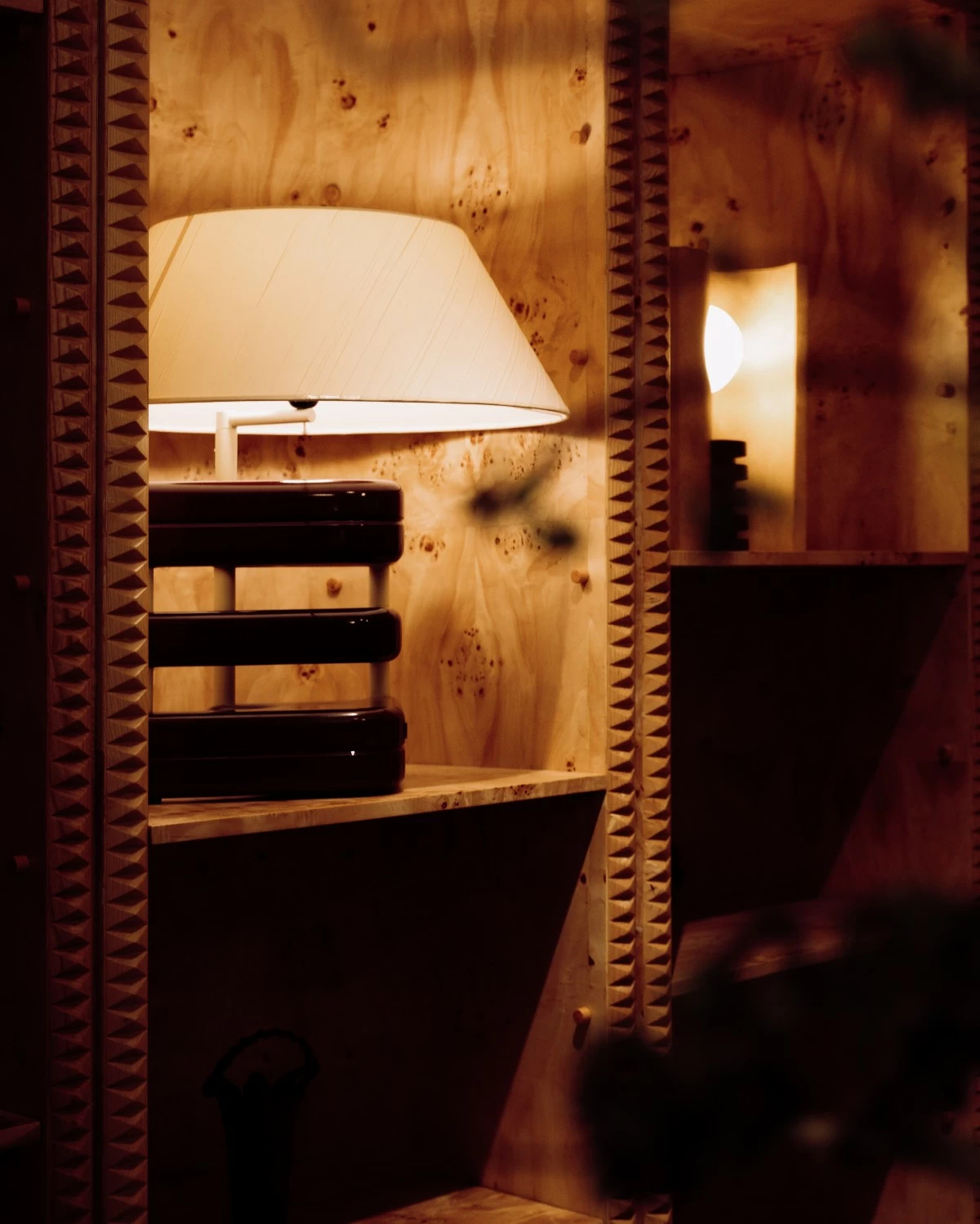
Tahanan’s new collection builds on longstanding Filipino furniture traditions while pushing toward a more contemporary and sculptural design language.
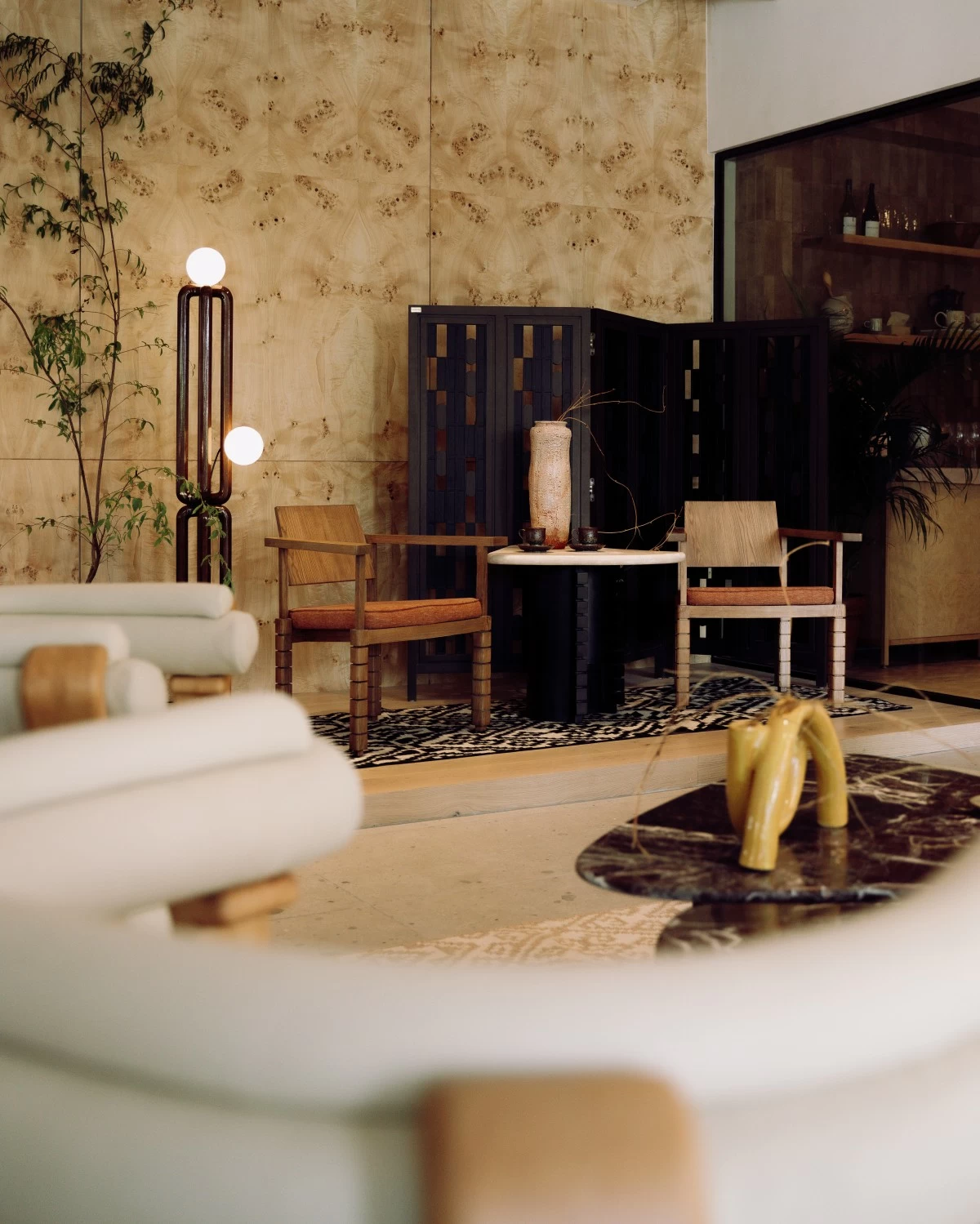
Tahanan: A showcase of Filipino contemporary design in furniture pieces
That philosophy becomes visible even in some of the collection’s seemingly basic pieces. One loveseat, upholstered in cream fabric with terracotta piping, initially appears to be among the simplest designs in the showroom. But a closer look reveals edge embroidery along the base, similar to how the Itneg traditionally finish the hems of their garments.
“It’s really for the people who end up looking in the most inconspicuous places,” Brian said with a smile.
Brian, who trained and worked as an architect before transitioning more heavily into furniture during the pandemic, said the project pushed him away from the minimalism and problem-solving mindset common in architecture and toward something more expressive.
At the same time, he was careful not to lose the Filipino identity of the work in pursuit of international appeal. “As long as it’s made in the Philippines by Filipinos, it’s already Filipino,” he said.
That statement feels especially relevant at a moment when Filipino design continues to gain visibility abroad. The challenge for many brands has been how to modernize without flattening the qualities that make Filipino craftsmanship distinct.
The showroom itself reflects that balance. The space avoids overt nostalgia while still feeling grounded in materiality and craft. The pieces are designed to function as conversation points within a room rather than dominate it entirely.
“We want Tahanan to be a centerpiece,” Brian said. “It doesn’t have to be 100 percent Tahanan everywhere. But we want it to be part of the environment.”
For a brand opening its first showroom, Tahanan already seems clear about the direction it wants to take. The collection builds on longstanding Filipino furniture traditions while pushing toward a more contemporary and sculptural design language. Instead of treating heritage as something fixed, the brand approaches it as material that can continue evolving alongside modern interiors and changing tastes.