






Manila Bulletin
 Philippines
National
Philippines secures P210-B investment commitment from Japanese firms
Philippines
National
Philippines secures P210-B investment commitment from Japanese firms
Philippines
National
Philippines secures P210-B investment commitment from Japanese firms
Philippines secures P210-B investment commitment from Japanese firms
Published May 28, 2026 01:54 pm


At A Glance
- Malacañang disclosed that the Philippines secured P210 billion in investment commitments from Japanese corporations.
- President Marcos met with top Japanese business leaders on May 27 as part of his four-day state visit.
- The President recognized Japanese companies, telling them they are not just investors to the Philippines' econpmy, but builders of it.
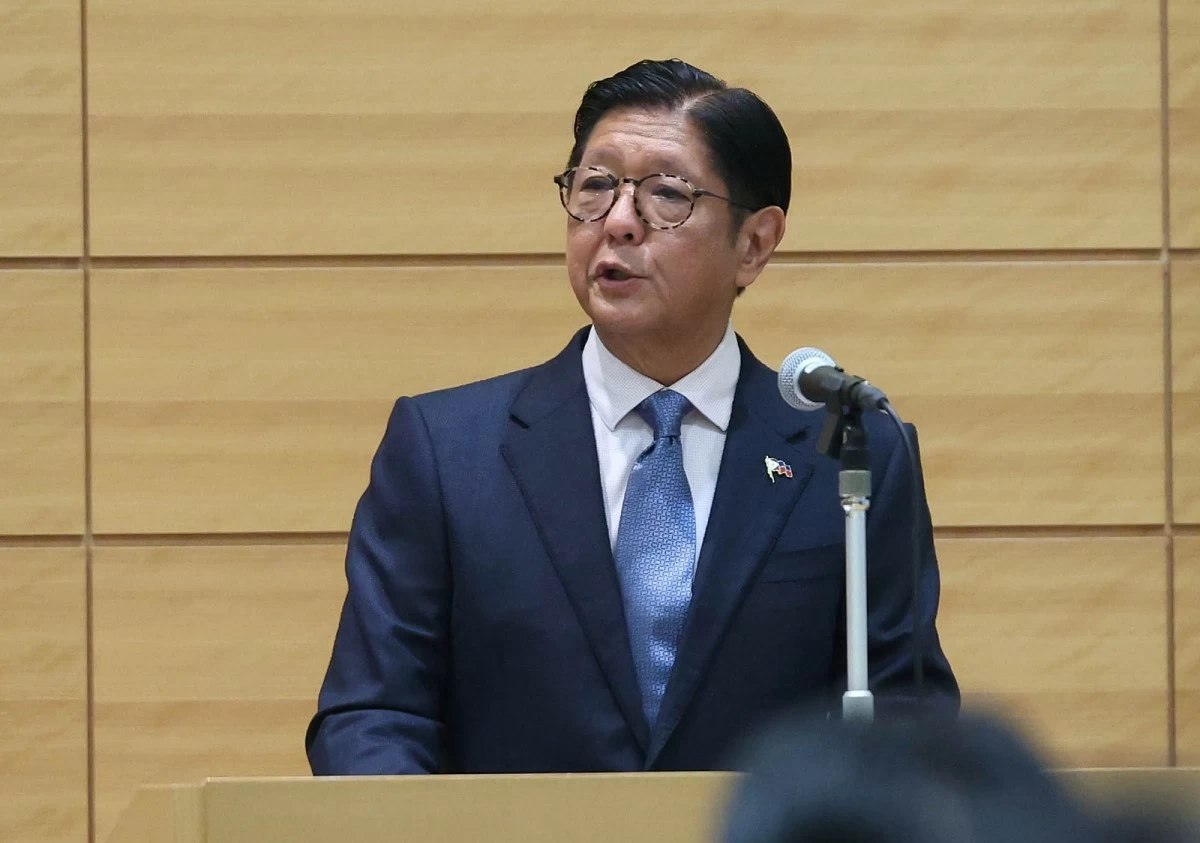
President Ferdinand R. Marcos Jr. (PPA)
The Philippines secured a total of P210 billion in investment commitments from Japanese corporations that met with President Marcos during his state visit to Tokyo.
Malacañang disclosed that the high-level roundtable meeting with top Japanese business executives on Wednesday, May 27, yielded "an aggregate investment commitment of $3.4 billion (approximately PhP210 billion) from participating Japanese corporations."
The Palace added that the combined capital inflows are projected to catalyze substantive macroeconomic benefits, expanding domestic industrial capacity and directly generating thousands of high-quality, specialized jobs for Filipinos.
Marcos said beyond immediate employment, the strategic financial infusion "underscores the resilience of the Philippine market."
He added that it promises long-term economic dividends by fortifying local supply chains, upgrading tourism infrastructure, and accelerating technology transfers across critical growth sectors.
'Builders' of economy
Japanese companies operating in the Philippines are no longer just investors, but builders of the country's economy, Marcos said.
"You are no longer just investors in our economy. You are builders of it," Marcos told the business leaders during the roundtable meeting.
The President acknowledged the foundational contributions of several Japanese firms operating in the Philippines, including All Nippon Airways, Toyota, Mitsubishi Corporation, Marubeni, Panasonic, and Fast Retailing.
He thanked the Japanese investors for their continued confidence in the Philippine economy and for helping create high-quality opportunities for Filipino workers and industries.
Marcos also assured Japanese partners of the administration’s continuous push to improve institutional efficiency and long-term investment stability.
"We are modernizing institutions, environment, and positioning the Philippines so that trade and tourism can more strongly drive long-term economic growth and job creation," he told them.
"To all our Japanese partners, you know the Philippines not from reports, but from experience. You know our workforce: skilled, adaptable, and globally competitive…resilient in adversity, ambitious in opportunity, and increasingly connected to global trade and tourism flows. And you know something even more fundamental: That the Philippines is defined not by one strength—but by many working together," the President added.
Department of Trade and Industry (DTI) Secretary Maria Cristina Roque emphasized the country's readiness to absorb high-tech manufacturing and green investments to secure regional supply chains.
"Our message is clear: the Philippines is open, ready, and highly capable of supporting the rapid expansion and resilience of Japanese global value chains. We are aggressively positioning the Philippines as your strategic hub in ASEAN for smart manufacturing, green metals, and renewable energy," Roque said.