ADVERTISEMENT

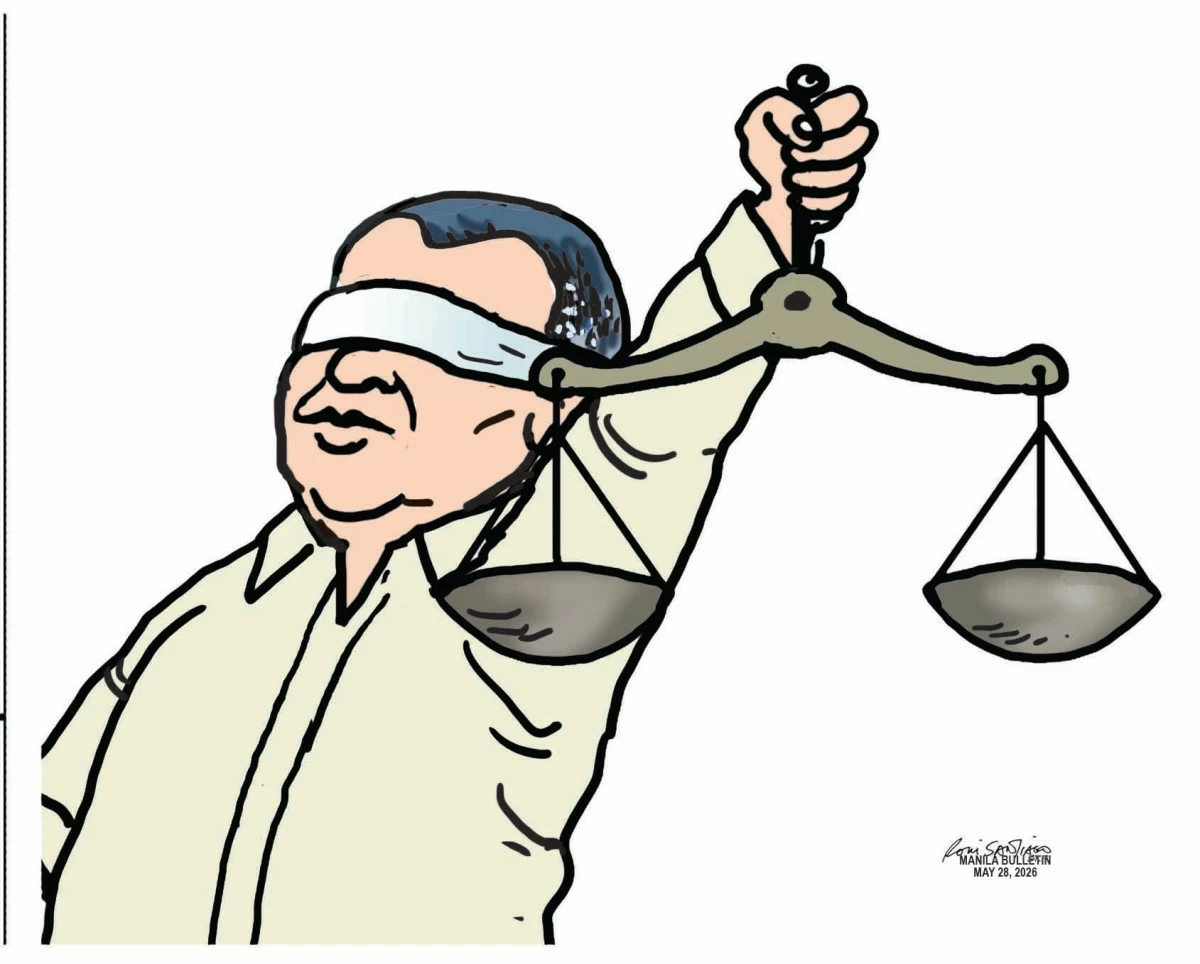
Ombudsman's 'grandest case' must rest on evidence, not grandstanding

Published May 28, 2026 12:03 am  |  Updated May 27, 2026 03:45 pm
The declaration of Ombudsman Jesus Crispin “Boying” Remulla that it is preparing the “grandest case of them all” against former House speaker Ferdinand Martin Romualdez has instantly captured public attention. Allegations of conspiracy to defraud the National Treasury through the budget process, coupled with supposed money laundering, are grave accusations that strike at the very heart of public trust. Since the stakes are extraordinarily high, the Ombudsman must ensure that this case is driven by evidence, not emotion; by facts, not political theatrics.
In any democracy governed by the rule of law, accusations are never enough. Even repeated allegations, amplified by headlines and public outrage, do not automatically become proof. Hearsay, speculation, and insinuation may shape public opinion, but they do not meet the standards required in a court of law. If the Ombudsman intends to pursue what it calls a historic prosecution, then it carries the equally historic responsibility of making sure the case is airtight.
This is particularly important because the alleged anomaly involves the national budget process itself—one of the most complex mechanisms in government. Public anger over corruption is understandable, especially when infrastructure projects such as flood control projects are linked to waste or alleged irregularities. Yet understanding how budgets are actually created and implemented is essential before assigning criminal liability to any single individual.
Romualdez’s earlier defense deserves serious consideration, not because it automatically absolves him, but it correctly outlines the constitutional structure of the budget process. The General Appropriations Bill does not originate from Congress alone. It begins with proposals from executive agencies, which are consolidated into the National Expenditure Program by the executive branch before being transmitted to Congress. The House deliberates on the measure, and so does the Senate. Both chambers reconcile their versions through the bicameral conference committee before the final measure is sent to the President for approval or veto.
That process matters because it demonstrates that the national budget is inherently collective and multi-layered. Congress appropriates funds, and if fraudulent insertions or amendments are committed, these must be investigated and the culprits identified and prosecuted accordingly. However, Congress does not directly build roads, dredge rivers, pour concrete, supervise procurement, or certify project completion. Implementation belongs to executive agencies and contractors. If corruption occurred during execution, investigators must identify precisely where the criminal acts happened, who benefited, who authorized them, and what documentary and financial trails support the accusations.
The Ombudsman’s challenge, therefore, is not simply to produce a compelling narrative. It must establish a legally defensible chain of accountability. Was there direct participation? Was there conspiracy proven by overt acts? Were there illicit financial transactions supported by bank records, contracts, testimonies, audit findings, or procurement documents? Did public officials knowingly facilitate fraud, or are they merely being politically associated with a flawed system?
These distinctions are crucial because history has repeatedly shown how sensational cases can collapse when they rely more on public relations than prosecutorial rigor. How many “big fishes” have been acquitted in the past over technicality or due to defective presentation of evidence? Grand declarations may create temporary political momentum, but weak evidence can destroy institutional credibility. If the Ombudsman files a case prematurely and fails to secure convictions, the result may not be accountability but deeper public cynicism.
Likewise, refusing to investigate powerful officials simply because they are influential would be equally damaging. No public servant should be beyond scrutiny. If evidence exists, it must be pursued fearlessly and impartially.
That is why the country should demand both courage and precision from the Ombudsman. The Filipino people deserve the truth, not trial by publicity. If this is truly the “grandest case,” then it must also be the strongest—built not on assumptions or headlines, but on verifiable facts capable of surviving the highest standards of justice.

Related Tags

OMBUDSMAN RULE OF LAW GRANDEST CASE
ADVERTISEMENT
.most-popular .layout-ratio{ padding-bottom: 79.13%; } @media (min-width: 768px) and (max-width: 1024px) { .widget-title { font-size: 15px !important; } }

{{ articles_filter_1561_widget.title }}

.most-popular .layout-ratio{ padding-bottom: 79.13%; } @media (min-width: 768px) and (max-width: 1024px) { .widget-title { font-size: 15px !important; } }

{{ articles_filter_1562_widget.title }}

.most-popular .layout-ratio{ padding-bottom: 79.13%; } @media (min-width: 768px) and (max-width: 1024px) { .widget-title { font-size: 15px !important; } }

{{ articles_filter_1563_widget.title }}

{{ articles_filter_1564_widget.title }}

.mb-article-details { position: relative; } .mb-article-details .article-body-preview, .mb-article-details .article-body-summary{ font-size: 17px; line-height: 30px; font-family: "Libre Caslon Text", serif; color: #000; } .mb-article-details .article-body-preview iframe , .mb-article-details .article-body-summary iframe{ width: 100%; margin: auto; } .read-more-background { background: linear-gradient(180deg, color(display-p3 1.000 1.000 1.000 / 0) 13.75%, color(display-p3 1.000 1.000 1.000 / 0.8) 30.79%, color(display-p3 1.000 1.000 1.000) 72.5%); position: absolute; height: 200px; width: 100%; bottom: 0; display: flex; justify-content: center; align-items: center; padding: 0; } .read-more-background a{ color: #000; } .read-more-btn { padding: 17px 45px; font-family: Inter; font-weight: 700; font-size: 18px; line-height: 16px; text-align: center; vertical-align: middle; border: 1px solid black; background-color: white; } .hidden { display: none; }
function initializeAllSwipers() { // Get all hidden inputs with cms_article_id document.querySelectorAll('[id^="cms_article_id_"]').forEach(function (input) { const cmsArticleId = input.value; const articleSelector = '#article-' + cmsArticleId + ' .body_images'; const swiperElement = document.querySelector(articleSelector); if (swiperElement && !swiperElement.classList.contains('swiper-initialized')) { new Swiper(articleSelector, { loop: true, pagination: false, navigation: { nextEl: '#article-' + cmsArticleId + ' .swiper-button-next', prevEl: '#article-' + cmsArticleId + ' .swiper-button-prev', }, }); } }); } setTimeout(initializeAllSwipers, 3000); const intersectionObserver = new IntersectionObserver( (entries) => { entries.forEach((entry) => { if (entry.isIntersecting) { const newUrl = entry.target.getAttribute("data-url"); if (newUrl) { history.pushState(null, null, newUrl); let article = entry.target; // Extract metadata const author = article.querySelector('.author-section').textContent.replace('By', '').trim(); const section = article.querySelector('.section-info ').textContent.replace(' ', ' '); const title = article.querySelector('.article-title h1').textContent; // Parse URL for Chartbeat path format const parsedUrl = new URL(newUrl, window.location.origin); const cleanUrl = parsedUrl.host + parsedUrl.pathname; // Update Chartbeat configuration if (typeof window._sf_async_config !== 'undefined') { window._sf_async_config.path = cleanUrl; window._sf_async_config.sections = section; window._sf_async_config.authors = author; } // Track virtual page view with Chartbeat if (typeof pSUPERFLY !== 'undefined' && typeof pSUPERFLY.virtualPage === 'function') { try { pSUPERFLY.virtualPage({ path: cleanUrl, title: title, sections: section, authors: author }); } catch (error) { console.error('ping error', error); } } // Optional: Update document title if (title && title !== document.title) { document.title = title; } } } }); }, { threshold: 0.1 } ); function showArticleBody(button) { const article = button.closest("article"); const summary = article.querySelector(".article-body-summary"); const body = article.querySelector(".article-body-preview"); const readMoreSection = article.querySelector(".read-more-background"); // Hide summary and read-more section summary.style.display = "none"; readMoreSection.style.display = "none"; // Show the full article body body.classList.remove("hidden"); } document.addEventListener("DOMContentLoaded", () => { let loadCount = 0; // Track how many times articles are loaded const offset = [1, 2, 3, 4, 5, 6, 7, 8, 9, 10]; // Offset values const currentUrl = window.location.pathname.substring(1); let isLoading = false; // Prevent multiple calls if (!currentUrl) { console.log("Current URL is invalid."); return; } const sentinel = document.getElementById("load-more-sentinel"); if (!sentinel) { console.log("Sentinel element not found."); return; } function isSentinelVisible() { const rect = sentinel.getBoundingClientRect(); return ( rect.top < window.innerHeight && rect.bottom >= 0 ); } function onScroll() { if (isLoading) return; if (isSentinelVisible()) { if (loadCount >= offset.length) { console.log("Maximum load attempts reached."); window.removeEventListener("scroll", onScroll); return; } isLoading = true; const currentOffset = offset[loadCount]; window.loadMoreItems().then(() => { let article = document.querySelector('#widget_1690 > div:nth-last-of-type(2) article'); intersectionObserver.observe(article) loadCount++; }).catch(error => { console.error("Error loading more items:", error); }).finally(() => { isLoading = false; }); } } window.addEventListener("scroll", onScroll); });

Sign up by email to receive news.