

ADVERTISEMENT

Living with Mayon's environmental threats

Published May 28, 2026 06:00 am  |  Updated May 27, 2026 07:09 pm
The silhouette of Mayon Volcano quickly transformed from a breathtaking sight into a dark and foreboding scene. In just a few days, its world-famous, near-perfect symmetrical cone was enveloped in ash, while lava spewed from this geological wonder. As of this writing, the volcano remains under Alert Level 3. Based on the volcano alert levels of the Philippine Institute of Volcanology and Seismology (PHIVOLCS), this means Mayon’s activity is categorized as a high level of volcanic unrest, marked by a sustained increase in volcanic earthquakes, the occurrence of low-frequency tremors, and forceful ash ejections.
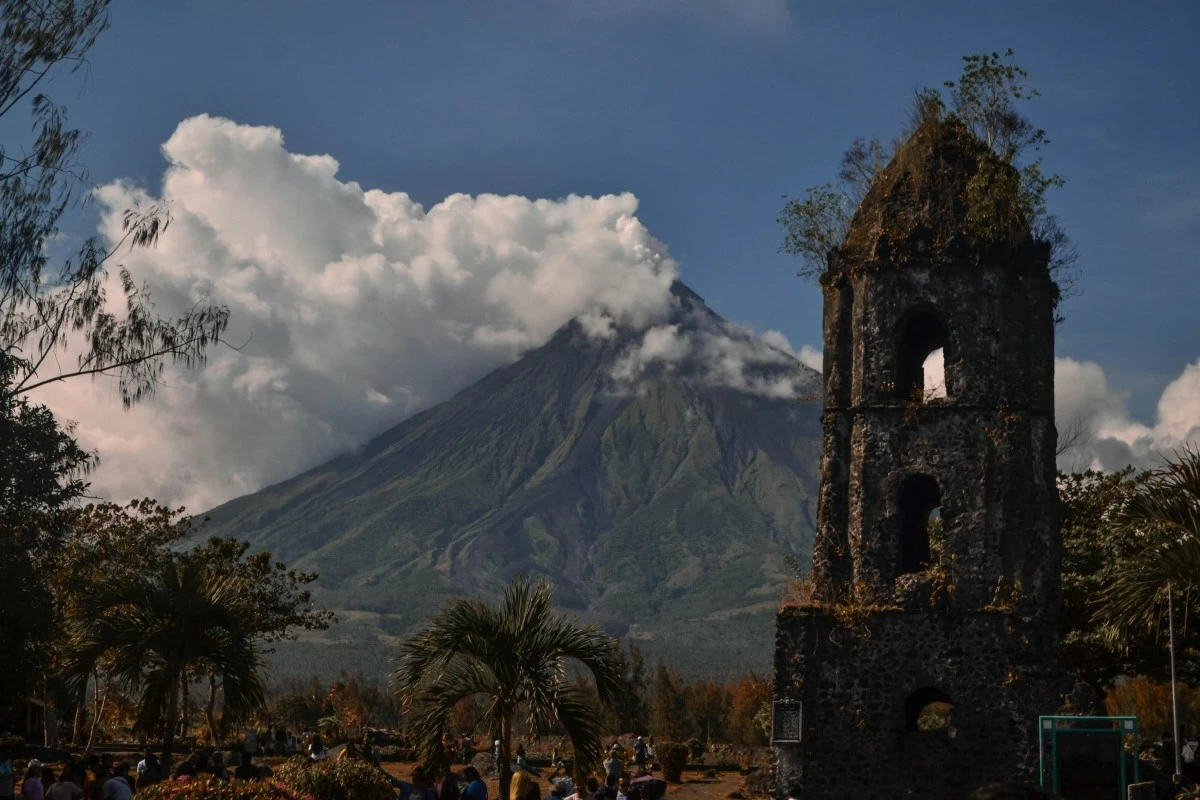
Photo by Ethan Michael / Pexels
At this level, the government agency says the volcano may experience a spike in sulfur dioxide emissions. This colorless gas is produced either through volcanic eruptions or the burning of fossil fuels. The surrounding areas may also experience lava flow and resulting rockfall.
A six-kilometer permanent danger zone has been enforced to protect residents from volcanic hazards. On May 6, the Manila Bulletin reported that a thick plume of ash had covered nearby towns on May 2, prompting intensified emergency and relief operations from the government. The Office of Civil Defense (OCD) estimates that more than 30,500 families in 97 barangays have been affected by volcanic activity.
Based on OCD figures, around 102,406 individuals are experiencing disruption in many aspects of their lives, beyond the issues listed below. Here are some challenges faced by residents living near Mayon Volcano, as well as what is being done—or can be done—to address them.
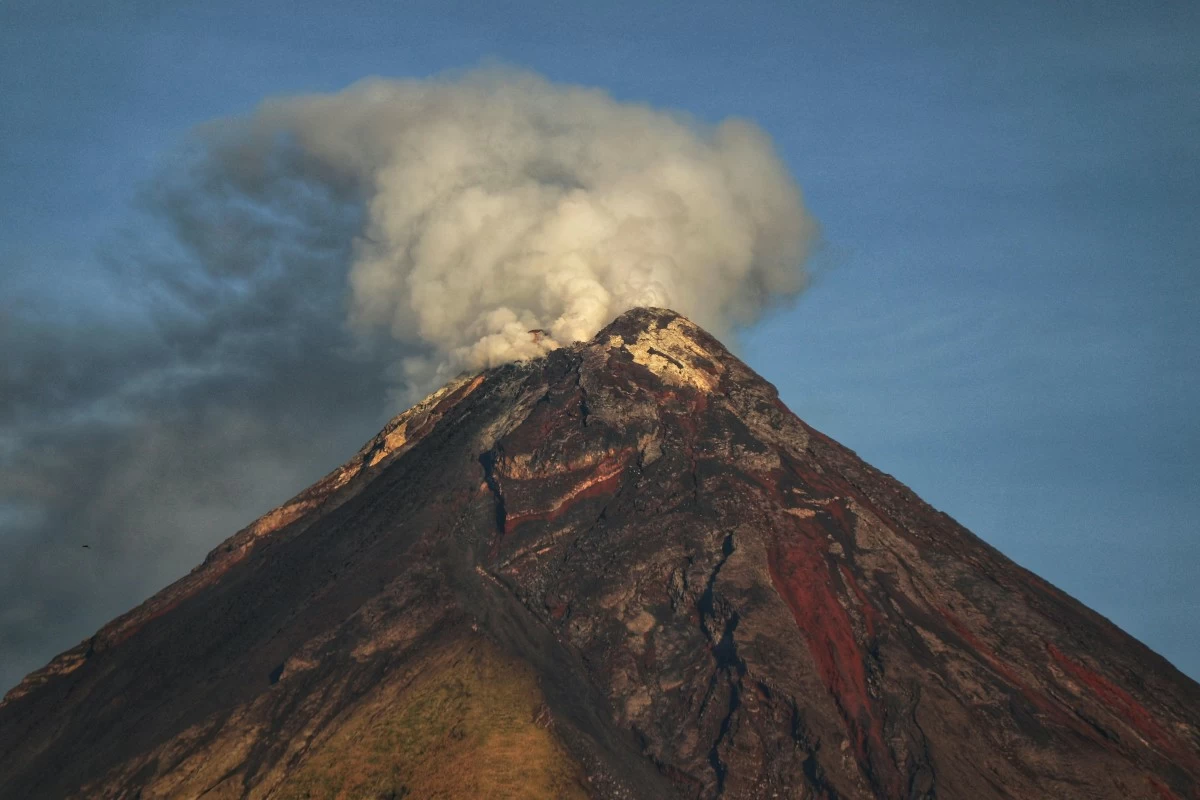
Photo by Erickson Balderama / Pexels
• Poor air quality  
Volcanic debris, ash, and gases from Mayon have significantly reduced air quality in neighboring communities. This has caused breathing difficulties and eye irritation among nearby residents. For rescue personnel and government officials monitoring the danger zone, protective gear such as goggles is essential. Anyone exposed to ash should rinse their eyes with water or saline solution or use lubricating eye drops to soothe irritation. In cases of itchiness, redness, burning, excessive tearing, or sensitivity to light, a doctor should be consulted immediately. While masks or damp towels are recommended to lessen the effects on breathing and lung health, people should also avoid prolonged stays in the danger zone to reduce harmful exposure.
• Damage to agriculture
This extends to property damage, limited food resources, and disrupted livelihoods, especially for farmers. Airborne pollutants released by Mayon have settled on soil and vegetation, causing millions in agricultural losses from rice and other crops that can no longer be harvested. Livestock is not easy to relocate, so the health of animals also suffers. Aside from the immediate assistance provided to farmers, government programs such as Tulong Panghanapbuhay sa Ating Disadvantaged/Displaced Workers (TUPAD), an employment and livelihood assistance program, are being implemented to help mitigate the impact of the disaster. Further, businesses outside Legaspi City that depend on produce from areas near Mayon are directly affected by disruptions in the supply chain.
• Unsafe water systems
Natural bodies of water and reservoirs have not been spared by Mayon’s increased activity. Volcanic ash can raise sediment loads and alter the water chemistry of sources used for livelihood and drinking water. Volcanic gases may contribute to acidic precipitation, while fine particles can carry metals or other contaminants into surface water and, over time, groundwater. Regular monitoring and testing of streams, rivers, and reservoirs are essential, especially as volcanic activity continues or subsides. This helps determine the extent of damage to water systems that serve as sources of drinking water, irrigation, and habitats for aquatic life.
• Disruption of ecosystems
The full impact of Mayon’s heightened activity has yet to be measured, but there is no doubt that entire ecosystems may be affected for an extended period. Photographs and television footage offer a glimpse of the altered landscape near the volcano, where forests and grasslands have been damaged by ash, pyroclastic flows, and lava. These destructive forces have also harmed waterways, as acidic runoff and reduced oxygen levels threaten aquatic life in various forms. Recovery may take time and will depend on how biodiversity patterns have been altered. Humans, plants, and animals will all need to adapt to new conditions. Economic activity in areas affected by Mayon’s volcanic unrest has also been suspended, with no clear timeline for recovery.
According to Britannica, Mayon has erupted around 30 times since 1616, with one of the deadliest eruptions claiming 1,200 lives. Typhoon Durian in 2006 also took more than 1,000 lives. Yet with every disaster, the people living near Mayon find ways to recover—and eventually, life begins again.
ADVERTISEMENT
.most-popular .layout-ratio{ padding-bottom: 79.13%; } @media (min-width: 768px) and (max-width: 1024px) { .widget-title { font-size: 15px !important; } }

{{ articles_filter_1561_widget.title }}

.most-popular .layout-ratio{ padding-bottom: 79.13%; } @media (min-width: 768px) and (max-width: 1024px) { .widget-title { font-size: 15px !important; } }

{{ articles_filter_1562_widget.title }}

.most-popular .layout-ratio{ padding-bottom: 79.13%; } @media (min-width: 768px) and (max-width: 1024px) { .widget-title { font-size: 15px !important; } }

{{ articles_filter_1563_widget.title }}

{{ articles_filter_1564_widget.title }}

.mb-article-details { position: relative; } .mb-article-details .article-body-preview, .mb-article-details .article-body-summary{ font-size: 17px; line-height: 30px; font-family: "Libre Caslon Text", serif; color: #000; } .mb-article-details .article-body-preview iframe , .mb-article-details .article-body-summary iframe{ width: 100%; margin: auto; } .read-more-background { background: linear-gradient(180deg, color(display-p3 1.000 1.000 1.000 / 0) 13.75%, color(display-p3 1.000 1.000 1.000 / 0.8) 30.79%, color(display-p3 1.000 1.000 1.000) 72.5%); position: absolute; height: 200px; width: 100%; bottom: 0; display: flex; justify-content: center; align-items: center; padding: 0; } .read-more-background a{ color: #000; } .read-more-btn { padding: 17px 45px; font-family: Inter; font-weight: 700; font-size: 18px; line-height: 16px; text-align: center; vertical-align: middle; border: 1px solid black; background-color: white; } .hidden { display: none; }
function initializeAllSwipers() { // Get all hidden inputs with cms_article_id document.querySelectorAll('[id^="cms_article_id_"]').forEach(function (input) { const cmsArticleId = input.value; const articleSelector = '#article-' + cmsArticleId + ' .body_images'; const swiperElement = document.querySelector(articleSelector); if (swiperElement && !swiperElement.classList.contains('swiper-initialized')) { new Swiper(articleSelector, { loop: true, pagination: false, navigation: { nextEl: '#article-' + cmsArticleId + ' .swiper-button-next', prevEl: '#article-' + cmsArticleId + ' .swiper-button-prev', }, }); } }); } setTimeout(initializeAllSwipers, 3000); const intersectionObserver = new IntersectionObserver( (entries) => { entries.forEach((entry) => { if (entry.isIntersecting) { const newUrl = entry.target.getAttribute("data-url"); if (newUrl) { history.pushState(null, null, newUrl); let article = entry.target; // Extract metadata const author = article.querySelector('.author-section').textContent.replace('By', '').trim(); const section = article.querySelector('.section-info ').textContent.replace(' ', ' '); const title = article.querySelector('.article-title h1').textContent; // Parse URL for Chartbeat path format const parsedUrl = new URL(newUrl, window.location.origin); const cleanUrl = parsedUrl.host + parsedUrl.pathname; // Update Chartbeat configuration if (typeof window._sf_async_config !== 'undefined') { window._sf_async_config.path = cleanUrl; window._sf_async_config.sections = section; window._sf_async_config.authors = author; } // Track virtual page view with Chartbeat if (typeof pSUPERFLY !== 'undefined' && typeof pSUPERFLY.virtualPage === 'function') { try { pSUPERFLY.virtualPage({ path: cleanUrl, title: title, sections: section, authors: author }); } catch (error) { console.error('ping error', error); } } // Optional: Update document title if (title && title !== document.title) { document.title = title; } } } }); }, { threshold: 0.1 } ); function showArticleBody(button) { const article = button.closest("article"); const summary = article.querySelector(".article-body-summary"); const body = article.querySelector(".article-body-preview"); const readMoreSection = article.querySelector(".read-more-background"); // Hide summary and read-more section summary.style.display = "none"; readMoreSection.style.display = "none"; // Show the full article body body.classList.remove("hidden"); } document.addEventListener("DOMContentLoaded", () => { let loadCount = 0; // Track how many times articles are loaded const offset = [1, 2, 3, 4, 5, 6, 7, 8, 9, 10]; // Offset values const currentUrl = window.location.pathname.substring(1); let isLoading = false; // Prevent multiple calls if (!currentUrl) { console.log("Current URL is invalid."); return; } const sentinel = document.getElementById("load-more-sentinel"); if (!sentinel) { console.log("Sentinel element not found."); return; } function isSentinelVisible() { const rect = sentinel.getBoundingClientRect(); return ( rect.top < window.innerHeight && rect.bottom >= 0 ); } function onScroll() { if (isLoading) return; if (isSentinelVisible()) { if (loadCount >= offset.length) { console.log("Maximum load attempts reached."); window.removeEventListener("scroll", onScroll); return; } isLoading = true; const currentOffset = offset[loadCount]; window.loadMoreItems().then(() => { let article = document.querySelector('#widget_1690 > div:nth-last-of-type(2) article'); intersectionObserver.observe(article) loadCount++; }).catch(error => { console.error("Error loading more items:", error); }).finally(() => { isLoading = false; }); } } window.addEventListener("scroll", onScroll); });

Sign up by email to receive news.