







Bill boosting BCDA nears final approval in House
Published May 28, 2026 01:38 pm


At A Glance
- The House approved on second reading HB No. 9257, which amends the Bases Conversion and Development Act to allow portions of BCDA properties to be declared alienable and disposable lands.
- The measure is expected to expand housing, jobs, and economic growth in zones like Clark, Poro Point, John Hay, and Bataan, with five percent of areas allocated for residential and mixed-use purposes.
- Lawmakers say the bill addresses past veto concerns, ensures DENR's role in land validation, and directs revenues to the National Treasury while supporting Filipinos' aspiration for home ownership.
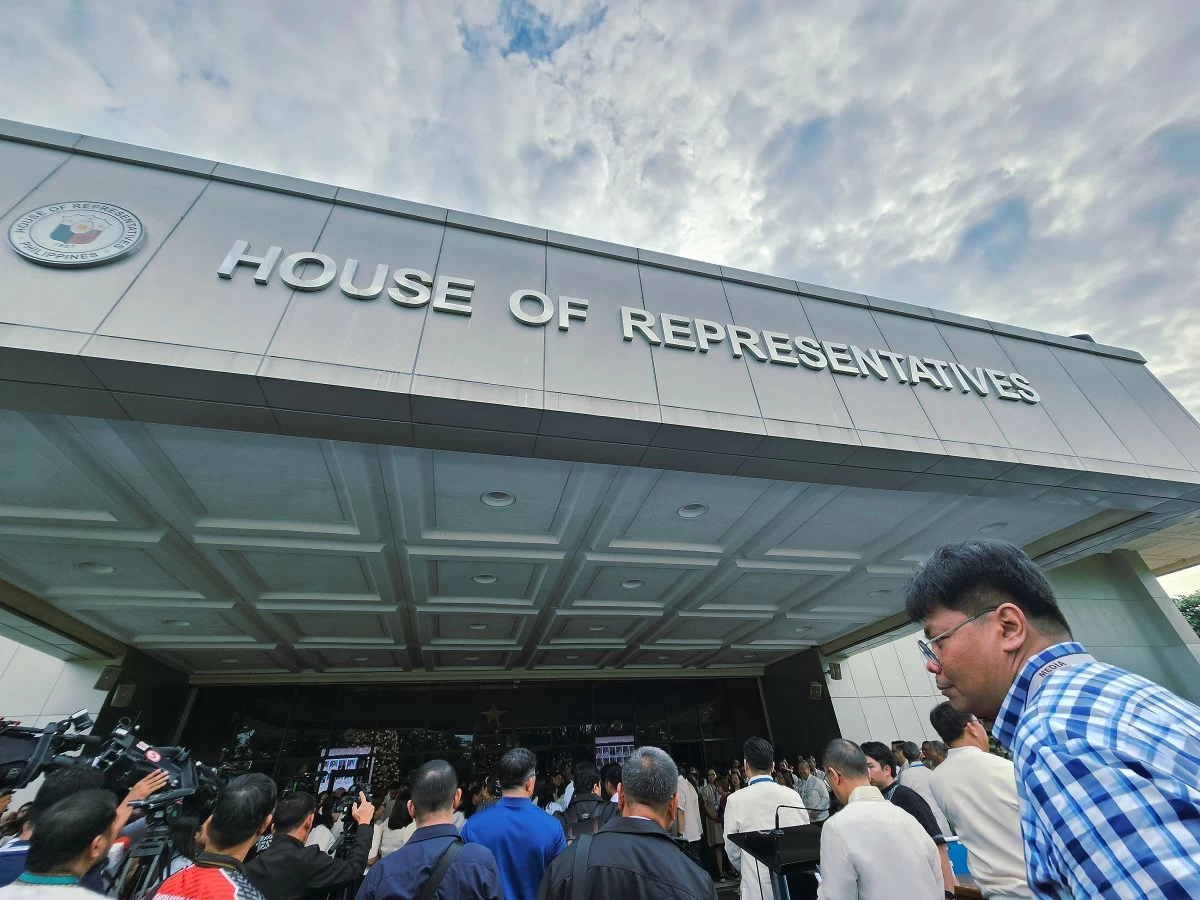
The House of Representatives (Ellson Quismorio/ MANILA BULLETIN)
The House of Representatives has paved the way for final approval next week a bill seeking to strengthen the Bases Conversion and Development Authority (BCDA)--a move that's seen impact both employment and housing.
Expected to be passed on third and final reading on or before sine die adjournment on June 3 is House Bill (HB) No. 9257, which seeks to amend Republic Act No. 7227, or the “Bases Conversion and Development Act of 1992".
Approved on second reading during the marathon plenary session Tuesday, May 26, the bill aims to declare portions of selected BCDA properties as alienable and disposable lands, subject to strict planning and presidential approval requirements.
If and when enacted, it is expected to expand opportunities for housing, jobs, and economic growth in key development zones across the country.
The measure forms part of the Legislative-Executive Development Advisory Council Common Legislative Agenda (LEDAC-CLA), which are aggressively being pushed by House Speaker Isabela 6th district Rep. Faustino “Bojie” Dy III and House Majority Ilocos Norte 1st district Rep. Sandro Marcos in the final days of first regular session of the 20th Congress.
During plenary deliberations, Taguig City-Pateros lone district Rep. Ricardo Cruz Jr., an assistant majority leader and vice chairman of the House Special Committee on Bases Conversion, said the proposal was ultimately about improving the lives of ordinary Filipinos.
“This bill is about creating more opportunities for Filipinos. It is about jobs. It is about decent and comfortable housing. It is about stronger communities and greater economic growth,” Cruz said in sponsoring the measure Tuesday.
Under the bill, 10 percent of the total land area of major BCDA-managed economic zones and reservations would be opened for development.
These include the Clark Special Economic Zone, including New Clark City and Clark Freeport Zone; Poro Point Freeport Zone; John Hay Reservation; and the Bataan Technology Park within the Morong Special Economic Zone.
Cruz said the measure seeks to address long-standing limitations under the current leasehold framework inside BCDA areas, where many workers still live far from their workplaces because affordable and permanent housing options remain limited.
“The bill allows a limited and carefully planned freehold arrangement for residential areas in BCDA zones. In simple terms, this means more opportunities for Filipinos to own homes closer to where they work,” he said.
According to Cruz, the proposal supports the dream of many Filipinos to eventually own a home instead of renting for life.
“Ang gusto ng Pilipino ay hindi habang-buhay na umuupa—ang gusto natin ay sariling bahay (What Filipinos want is not to rent forever—they want their own home)," Cruz said.
The bill allocates five percent of the identified areas for residential and mixed-use purposes, and another five percent for institutional and industrial use.
It also authorizes the President, based on market demand and economic conditions, to declare an additional five percent for the same purposes.
Cruz also stressed that concerns raised in the presidential veto during the previous Congress had already been addressed in the revised version of the proposal, saying lawmakers listened to the veto and revised the bill accordingly.
He added that the measure now clearly recognizes the role of the Department of Environment and Natural Resources (DENR) in land surveys, validation and titling, while ensuring compliance with the government’s one-fund policy by directing revenues to the National Treasury.