






Manila Bulletin
 Philippines
National
'Malaking difference': Hontiveros draws line between De Lima case and online Senate attendance proposal
Philippines
National
'Malaking difference': Hontiveros draws line between De Lima case and online Senate attendance proposal
Philippines
National
'Malaking difference': Hontiveros draws line between De Lima case and online Senate attendance proposal
'Malaking difference': Hontiveros draws line between De Lima case and online Senate attendance proposal
By Dhel Nazario
Published May 27, 2026 03:03 pm


At A Glance
- Sen. Risa Hontiveros rejected comparisons between the Senate's current videoconferencing proposal and the 2021 arrangement that allowed then-Sen. Leila de Lima to participate remotely during the COVID-19 pandemic.
- Hontiveros said the 2021 setup was justified by a national emergency, while no such condition exists today, noting that Senate rules only allow videoconferencing under force majeure.
- She warned that allowing a senator who refuses to submit to lawful arrest or judicial authority to continue participating in legislative work would create unequal procedural privileges not available to ordinary citizens.
Senator Risa Hontiveros, on Wednesday, May 27, rejected comparisons between the Senate majority’s current push for videoconferencing in Senate proceedings and a 2021 appeal that sought former senator Leila de Lima's participation while she was detained.
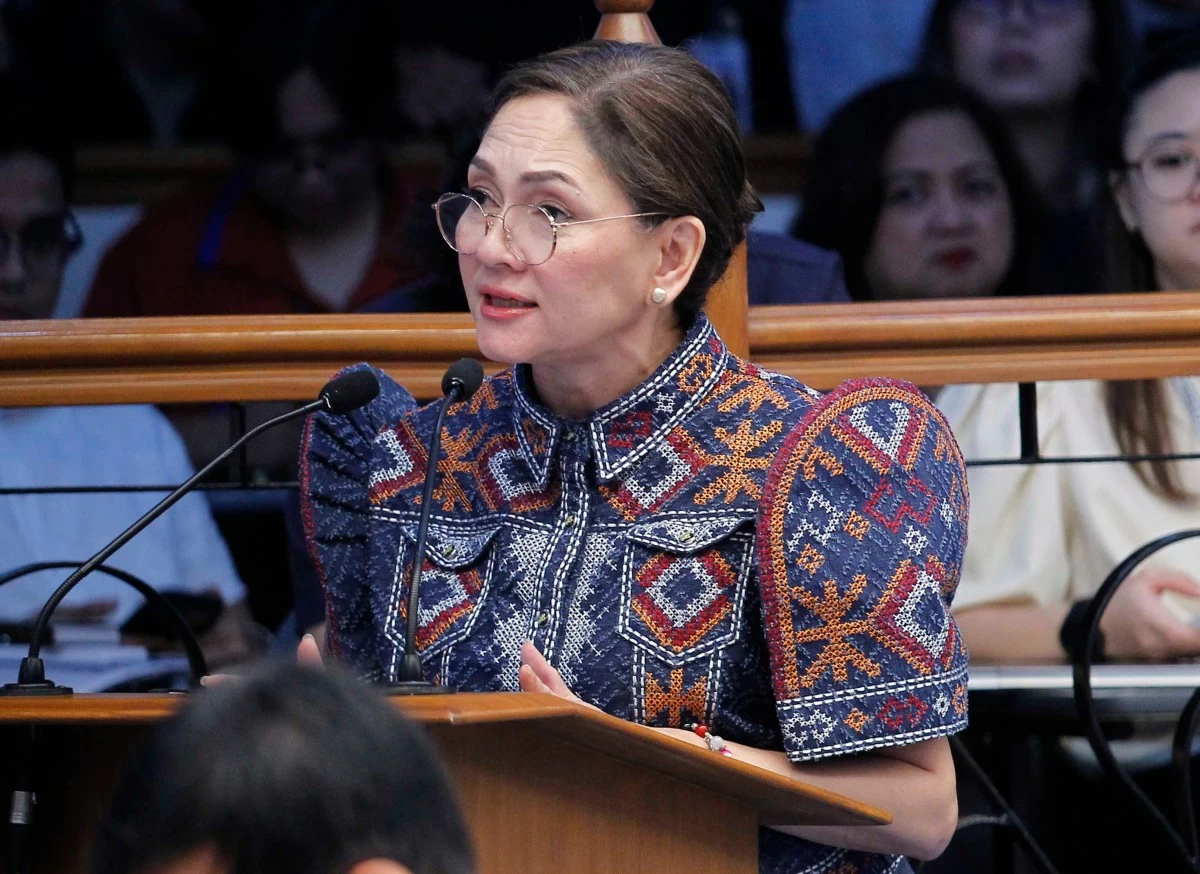
Senator Risa Hontiveros (Mark Balmores)
In a statement, Hontiveros said the circumstances surrounding the two situations were fundamentally different, particularly because the Senate in 2021 was operating under pandemic conditions.
“Hindi pwedeng ikumpara itong ‘videoconferencing’ push ng Senate majority ngayon sa panawagan noong 2021 para payagan ang pagsali sa sesyon at committee hearings ni noo’y Senator De Lima,” she said.
(This current Senate majority’s push for videoconferencing cannot be compared to the 2021 call to allow then-Senator De Lima to participate in sessions and committee hearings.)
"Ay, malaking difference (It's a big difference)," Hontiveros said in a separate interview.
She stated that allowing a senator who refuses to submit to lawful arrest or judicial authority to continue participating in legislative work would create a problematic precedent.
Hontiveros said this would effectively let the lawmaker continue to vote, debate, influence public policy, and receive institutional benefits of office, which she argued would amount to granting procedural privileges not available to ordinary citizens.
Hontiveros noted that during the COVID-19 pandemic, the Senate — like many other institutions — had shifted to videoconferencing arrangements due to a national emergency.
“The Senate Rules only allow video conferencing due to force majeure or occurrence of national emergency. Wala namang pandemic ngayon (There's no pandemic now),” she said.
The issue emerged after heated debates in the Senate over a motion seeking to amend the chamber’s rules to allow online participation in Senate proceedings under certain conditions.
The proposal, introduced by Senator Rodante Marcoleta, sparked objections from minority senators, who questioned both the timing and implications of the measure before eventually staging a walkout during Tuesday’s plenary session.
Hontiveros also distinguished the legal circumstances of De Lima and the concerns now being raised over the proposed rule change.
“Si Senator Leila noon ay sumuko, na-detain at rumespeto sa proseso ng batas (Then senator Leila surrendered, was detained, and respected the judicial process),” she said.
“Then and now, there should be respect for legal authority.”
Without naming any senator, Hontiveros said the Senate should not create a situation where a lawmaker could continue participating in legislative work while refusing to submit to lawful arrest or judicial processes.
“The Senate should not pave the way for a member to continue to vote, influence policies and receive institutional benefits of office — despite refusing to submit to lawful arrest or judicial authority,” she said.
Hontiveros also stressed that senators are expected to physically report for work and remain accountable to the public.
“To whom much power is given, much responsibility is expected. Kaming mga senador ay dapat pumasok, humarap sa publiko at magtrabaho,” she said.