






Manila Bulletin
 Environment and Sustainability
El Niño returns, raising fears of extreme heat and drought
Environment and Sustainability
El Niño returns, raising fears of extreme heat and drought
Environment and Sustainability
El Niño returns, raising fears of extreme heat and drought
El Niño returns, raising fears of extreme heat and drought
Published May 27, 2026 06:00 am


One of the most significant El Niño occurrences documented in history occurred in 1877, resulting in catastrophic floods, lethal droughts, agricultural failures, and severe climate disturbances across various continents.
Now, scientists are cautioning that temperatures in the Pacific Ocean may rise further as global oceanic heat continues to increase. The concern is that a contemporary “super El Niño” could trigger more severe weather extremes globally.
Canadian journalist Stephen Leahy described the forthcoming “super El Niño” as “the colossal-heat-monster Kraken.” The Kraken is a prominent literary symbol, embodying the mysteries and fears linked to the expansive ocean. It has been featured in numerous literary works, such as Jules Verne’s “20,000 Leagues Under the Sea.”
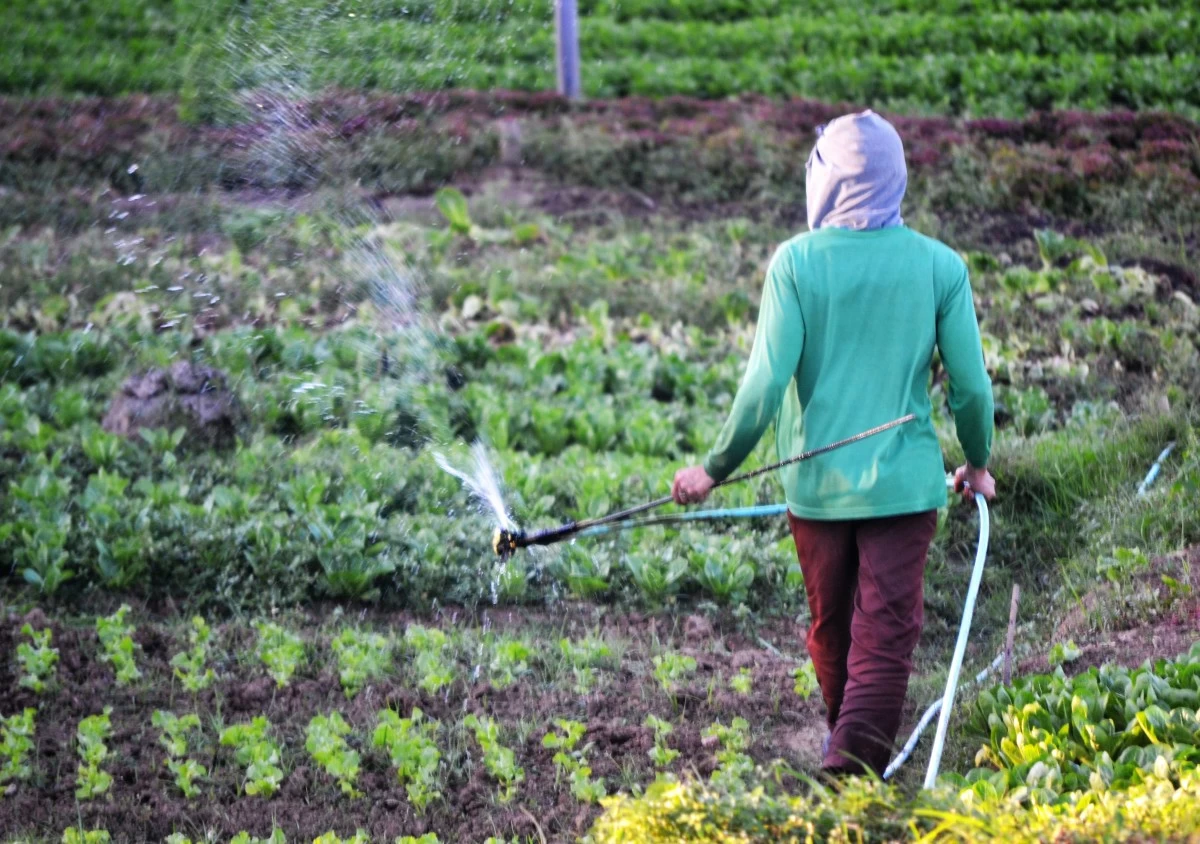
Watering crops during an El Niño would be a major challenge.
Leahy reports: “A super El Niño is likely to start up in June or July, with impacts felt in late summer or early autumn. Most places will be hotter, in what is already likely to be a record or near-record hot year. 2027 is virtually certain to be the new hottest year ever.”
In the Philippines, El Niño can result in extensive drought and elevated temperatures, affecting numerous provinces across Luzon, Visayas, and Mindanao, while certain western regions may experience increased rainfall due to the southwest monsoon, known as habagat.
In past El Niño occurrences, such as in 2024, 31 provinces faced drought conditions, with the most severe impacts felt in 19 provinces in Luzon, including Abra, Apayao, Benguet, Cagayan, Cavite, Ifugao, Ilocos Norte, Ilocos Sur, Isabela, Kalinga, La Union, Mountain Province, Nueva Ecija, Nueva Vizcaya, and Metro Manila, Occidental Mindoro, Oriental Mindoro, Palawan, and Rizal.
In the Visayas and Mindanao, provinces such as Antique, Biliran, Bohol, Cebu, Eastern Samar, Guimaras, Iloilo, Leyte, Negros Occidental, Negros Oriental, Samar, and Lanao del Norte also experienced dry conditions, resulting in agricultural losses and water shortages.
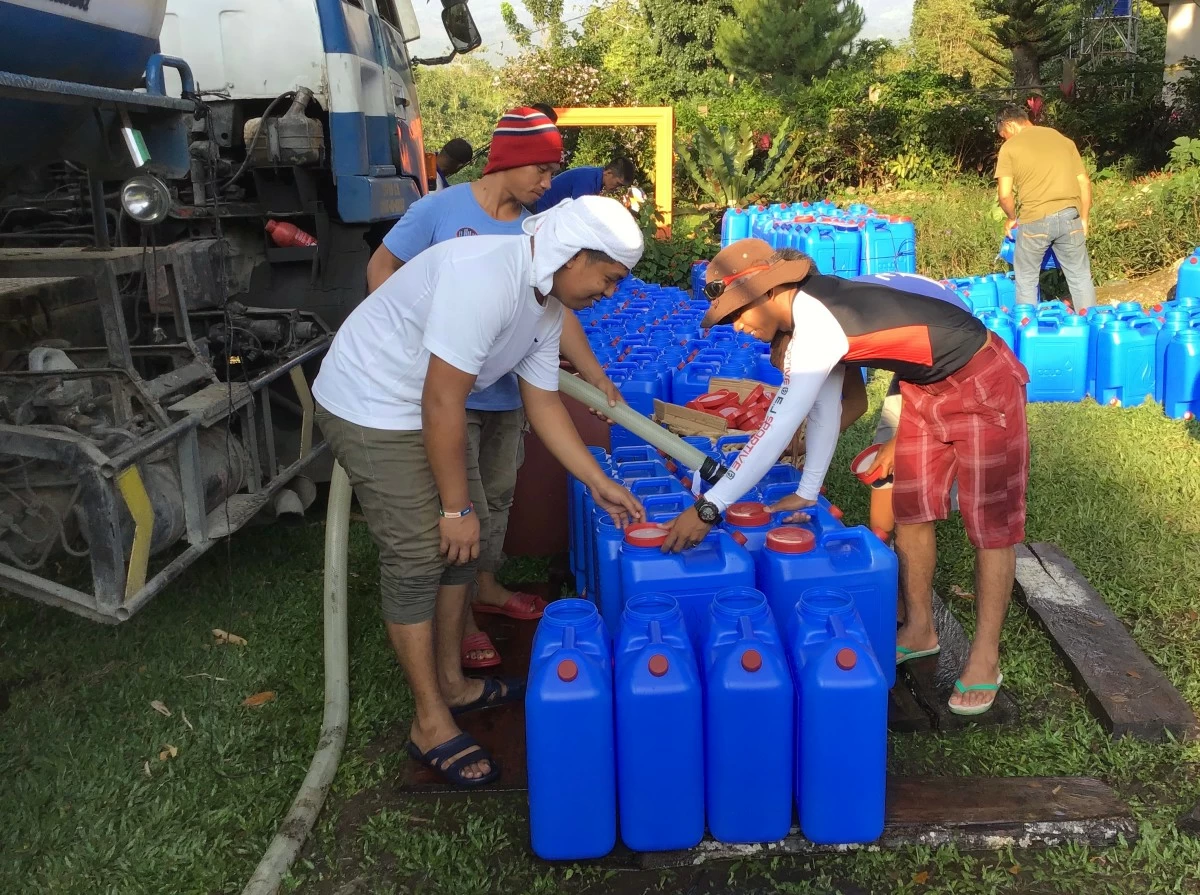
Due to prolonged drought, water shortages would become common.
El Niño has the potential to affect almost every region in the Philippines, leading to drier conditions across most provinces, while localized heavy rainfall may occur in western areas as a result of monsoon interactions. It is crucial to remain vigilant and prepare in advance to lessen its impacts.
No one knows precisely when El Niño first struck. Historians trace the phenomenon at least as far back as the early 1500s, when the Spanish conquistadores entered South America amid raging storms. Some 400 years before that, there were records of terrible weather sweeping through pre-Columbian communities.
Originally, Spanish fishermen named the event “Corriente del Niño.” The word “corriente” describes the appearance of warm ocean currents flowing from time to time in the eastern equatorial Pacific region along the South American coasts.
The word “Niño” was traditionally associated with the birth of Baby Jesus, as the phenomenon was observed around Christmas. It used to be considered a local event along the coasts of Peru and Ecuador. Through the years, “corriente” was dropped, leaving only “El Niño.”
According to the Global Environmental Outlook 2000 (GEO 2000), El Niño events are not natural disasters but natural variations in climate. They normally occur every three to five years, lasting six to 18 months. Between El Niño events, there are often periods marked by a cooling of the surface waters in the same area of the Pacific, a phenomenon called La Niña (“the girl”). The whole cycle is called the El Niño Southern Oscillation (ENSO).
The ocean current is characterized as “a mysterious, massive pond of warm, nutrient-poor seawater,” which produces a periodic shift in ocean temperatures and atmospheric conditions in the tropical Pacific.
Scientists claim El Niño raises the surface temperature of the central and eastern parts of the tropical Pacific by up to 4 degrees Celsius, with associated changes in wind and rainfall patterns. This condition disrupts weather systems around the world, leading to severe extremes.
The energy reserve that El Niño carries is huge, almost beyond what the mind can fully comprehend. “El Niño contains more energy than has been procured from all the fossil fuel burned in the United States since the beginning of the century – that’s all the gasoline in all the cars, the coal in all the power plants, the natural gas in all the furnaces. It would take more than a million large power plants, at 1,000 megawatts each, running full tilt for a year, to heat the ocean that much,” explains an American expert.
It’s no wonder El Niño has a herculean impact around the world. “El Niños have far-reaching effects,” notes GEO 2000, published by the United Nations Environment Program (UNEP). “The build-up of warm water along the west coast of South America prevents the normal upwelling of cold water from the ocean depths.
“In the western Pacific, the normally rain-bearing cloud systems shift eastward into the central and eastern Pacific, bringing heavy rainfall to these areas while countries in the western Pacific, such as Australia, Indonesia, and Papua New Guinea, experience drought,” the GEO 2000 adds.
Scientists claim the effects of the changes in wind speed and direction, sea surface temperatures, and the depth of warm water often extend into temperature latitudes.
“Every time El Niño strikes, food production suffers,” says Jethro P. Adang, the new director of the Davao-based Mindanao Baptist Rural Life Center (MBRLC). “During the climate-related phenomenon, intense heat dries up farmlands, reservoirs, and waterways all over the country. Water is needed to grow crops, and without it, the crops wither and ultimately die. Those that survive may not produce at optimum levels, thus the production is very low.”
Since El Niño is associated with dry spells and drought in the country, the Philippine Council for Agriculture, Aquatic and Natural Resources Research and Development (PCAARRD) advised farmers to plant drought-tolerant crops during El Niño. Examples of such crops are sorghum, sweet pepper, asparagus, ube, tugue, alugbati, winged beans, cowpea, cucumber, kadios, camote, cassava, peanut, ginger, mung beans, and black pepper. The following fruit trees are also drought-tolerant: cashew, mango, citrus, tamarind, avocado, jackfruit, guava, and grapes.
El Niño also fosters diseases. Such were the findings of an analysis published in Scientific Reports. The study analyzed data from the abnormally strong 2015-2016 El Niño, and scientists found increases in incidences of diseases such as chikungunya, hantavirus, cholera, plague, and dengue.
The Department of Health (DOH), on its website, lists disorders associated with high temperatures caused by El Niño. These include heat cramps, heat exhaustion, exertional heat injury, and heat stroke.
Diarrhea and skin diseases are among the health problems related to water scarcity, according to the health department. “Without adequate water, people cannot wash themselves properly,” DOH said.
The health department also cited red tide blooms, which can cause paralytic shellfish poisoning. High water temperature is one of the conditions that trigger red tides.
“Humans die when they consume shellfish, particularly mussels, that are contaminated with red tide organisms,” Dr. Rafael Guerrero III, an academician with the National Academy of Science and Technology. “Being filter-feeders, mussels take in the red tide organisms from the water, which accumulate in their internal organs.”
Dr. Guerrero said people still get poisoned even if mussels are cooked because the toxin is not destroyed by heat. The poison in the red tide organisms is known as saxitoxin, a water-soluble salt that affects the nervous system.
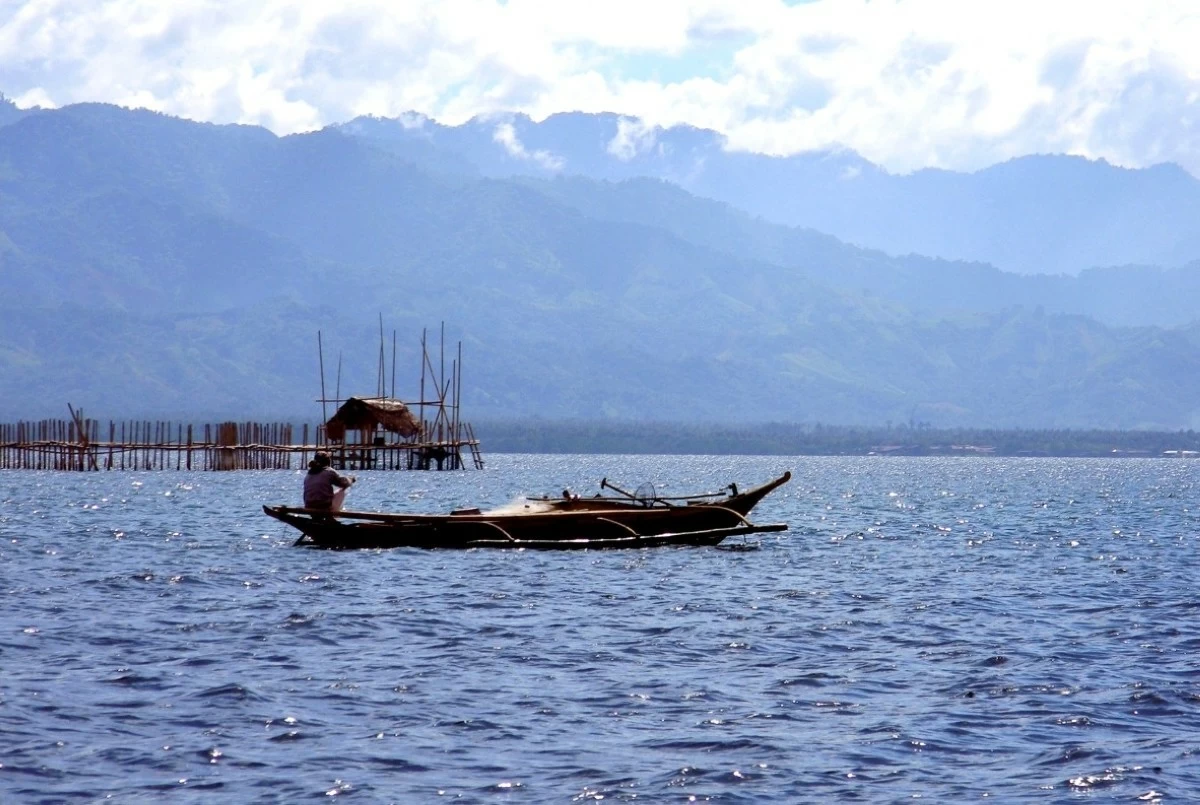
As ocean temperatures rise, fish move to cooler waters to survive.
El Niño disrupts marine ecosystems by diminishing upwelling, which decreases nutrient availability and results in a decline in fish populations, thereby impacting food security and fisheries. Coral reefs may also undergo bleaching due to rising water temperatures.
Brownouts during El Niño events are mainly attributed to the heightened demand for electricity, especially for air conditioning and other cooling appliances. During hot seasons, the demand for air conditioning surges significantly, causing an electricity shortage. Power plants find it challenging to meet this elevated demand, particularly when they are already functioning at full capacity.
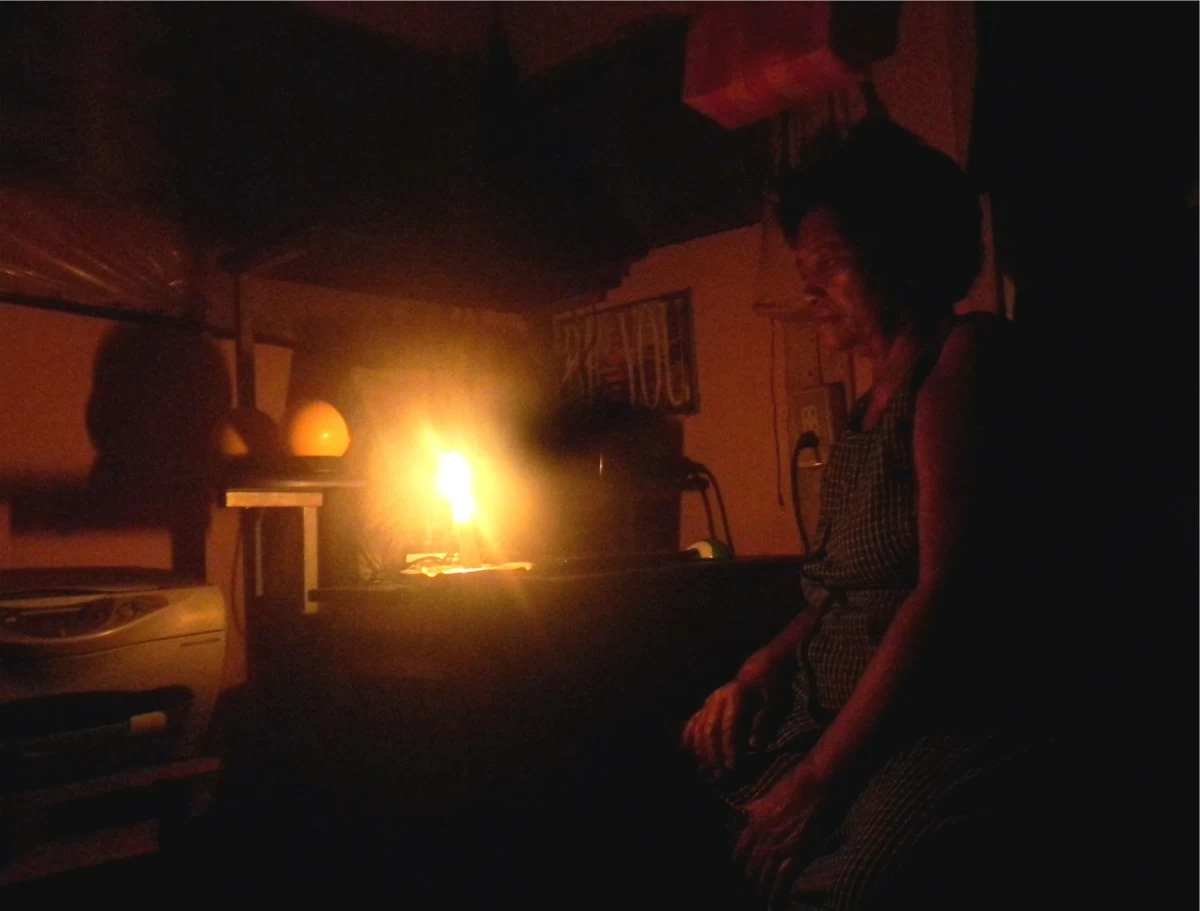
Brownouts would become the rule rather than the exception.
Every Filipino is advised to prepare for the impacts of El Niño. Just like past El Niño events, it, too, shall pass.
But when will the El Niño phenomenon end? Scientists say that when there is no longer enough warm water to sustain the cycle, it dissipates – and things eventually return to normal once again.