







Inside Chef Julien Laronde's opening menu for City of Dreams Manila
From pastry science to Filipino flavors, the veteran chef discusses building a five-star dining program for a 24-hour luxury hotel
By Jemimah Mapa
Published May 26, 2026 02:11 pm
|
Updated May 26, 2026 02:10 pm


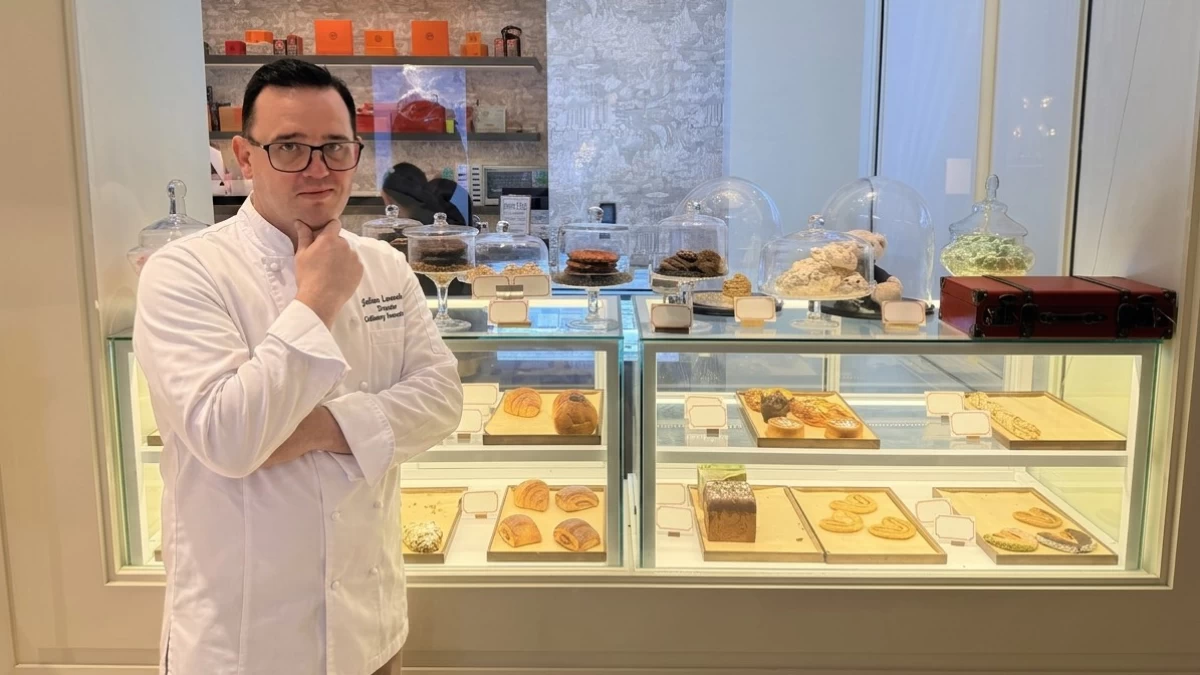
CHEF AT THE HELM Chef Julien Laronde, Director of Culinary Innovation, has nearly three decades of international culinary experience, having overseen large-scale culinary operations and developed menus for iconic establishments, such as the City of Dreams Manila. (Photo: Julien Laronde)
Preparing hearty meals, making appetizing food, and crafting dishes that appeal to taste — these are what most people commonly associate with the profession of a chef. However, behind every delectable dish, chefs also spend time planning menus, selecting high-quality ingredients, overseeing kitchen operations, and ensuring food safety standards are met. Chef Julien Laronde, director of culinary innovation, is one of the chefs in the industry who can attest to the challenging yet fulfilling nature of the profession.
Chef Julien is a prominent chef with 29 years of international experience in various aspects of the food service industry. As a corporate chef and culinary director, his work goes beyond cooking in the kitchen. It involves overseeing large-scale culinary operations, designing menus and food concepts, training and managing the culinary team, and leading pre-opening and large projects.
A skillset shaped by the world, brought to the Philippines
From one hotel to another, Chef Julien built his skills and experiences across the world, where he set top international standards. His experiences vary from being a director of operations to a culinary director, where he designs and implements a scalable kitchen production, develops a menu, manages an international team of chefs, and leads the refinement of the product range. He has also worked in several hotels in Jakarta, Dubai, Bahrain, Qatar, Manila, Beirut, and Switzerland, serving hundreds of guests daily.
During his project with the City of Dreams in Manila, Chef Julien spearheaded the team in crafting the menu for the opening of the hotel. One of the crowd-favorite dishes he made for The Red Ginger, a contemporary Southeast Asian restaurant in COD Manila, is The Peanut. It is made of red roasted peanuts, vanilla ice cream, lime meringue, and salted caramel peanut butter that offers a rich and crunchy treat.
In an interview, Chef Julien shared that being with the team has been difficult for him as an international chef, as it was a five-star hotel with a 24-hour operation, and they wanted to provide guests only the best. “It has been an amazing experience. The whole idea was to develop a product that can be produced in large quantities, enrich a very high quality for the customers, and create a menu that is open to respecting different cultures,” he shared.
He also explained that the collaboration with the team of Filipino chefs and culinary staff was challenging, but the team has been the most important tool in successfully developing the opening menu. “My local brigade’s cultural insights were vital. They provided the authentic, traditional baseline for beloved local delicacies like Leche Flan. My role was to take that authentic foundation and apply advanced, high-volume pastry science. I engineered the proprietary methodologies required to scale these delicate local recipes for a massive, 24-hour corporate operation, ensuring the team could serve for thousands of guests without ever losing their five-star artisanal quality,” he recalled.
Learning from his team while also sharing his expertise and working alongside them is what made the collaboration more successful. Chef Julien not only managed the team well, but he also led them by inspiring trust, encouraging collaboration, and bringing the best in each team member.
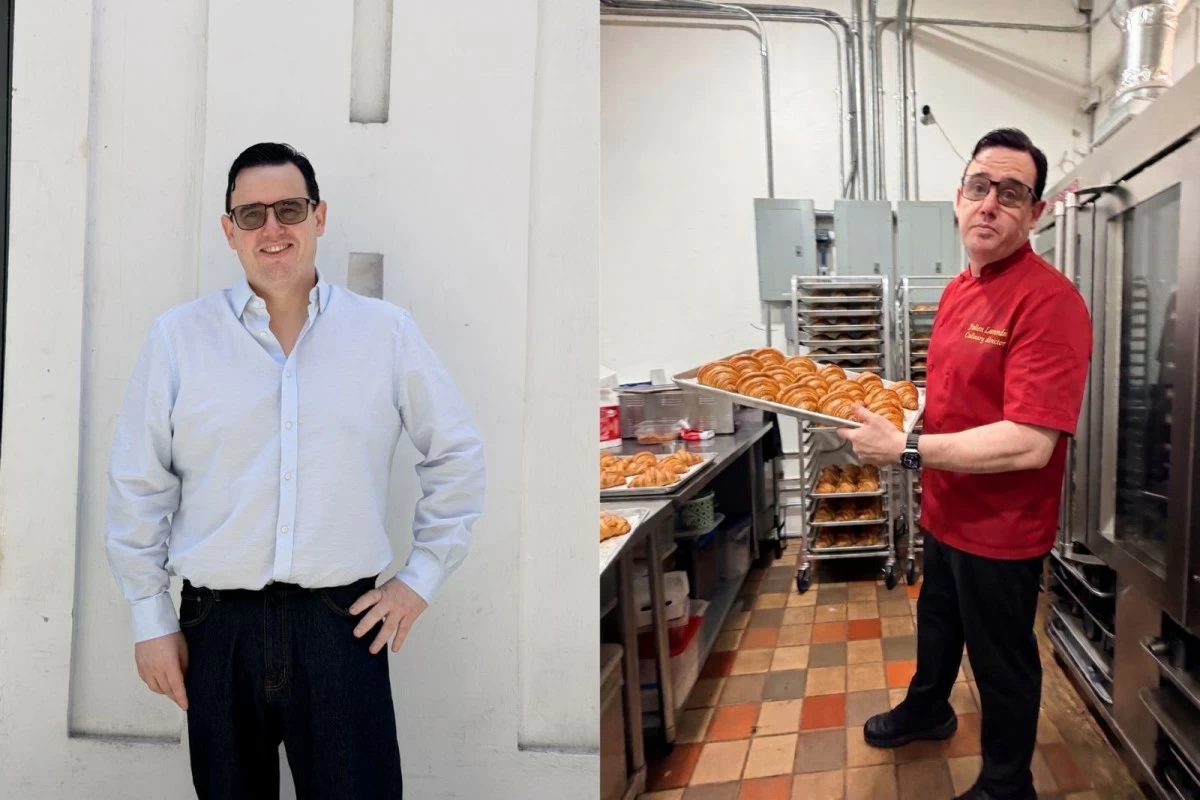
AT WORK IN THE KITCHEN Chef Julien Laronde believes that local cuisine should be experienced in a more elevated form, without compromising its authenticity. (Photo: Julien Laronde)
Championing local cuisine through global culinary standards
Despite having various international experiences, Chef Julien ensures to produce dishes and meals that still champion the local flavors, ingredients, and culinary identity. For him, it’s important to give the guests the best experience they can have during their stay, even for international guests. Along with his expertise in developing and refining a product range that adapts to the current market trends, Chef Julien focuses heavily on the ultimate guest experience. He not only elevates specific local cuisines, but he makes sure to showcase the absolute best in high-end bakery and pastry items. By curating a world-class selection of artisan baked goods, advanced dough formulations, and classic European dessert profiles, he provides international guests with the familiar, five-star luxury comforts they can expect.
“When you make your selection, you always need to have comfort dishes. Because some customers did not come to taste your local food, and while others may try, they don’t always enjoy it due to different preferences. When you have established their trust by providing them with the experience they will appreciate, then that’s the time that you can introduce the local delicacy and have them try it.”
For Chef Julien, knowing your customer and understanding the situation are essential principles when championing local cuisine and appealing to international audiences. This approach ensures that every dish is thoughtfully adapted to its context without compromising authenticity. By blending local flavors with international techniques, guests can have experiences that are both familiar and refined. It reflects a balance of adaptability, cultural respect, and consistent excellence across diverse dining environments.
Chef Julien’s expertise in the industry does not simply elevate the culinary standards of the Philippine local dishes; it also helps redefine how they are presented on a global scale, encouraging more people to experience the best of the Philippines. Through the global techniques and kitchen standards provided by Chef Julien, the familiar Filipino flavors are given greater consistency, balance, and precision, allowing local cuisine to be experienced in a more elevated form, without compromising its authenticity.