







Food manufacturers push science-based nutrition policies


The Philippine Chamber of Food Manufacturers Inc. (PCFMI) has urged regulators to adopt more science-based, practical, and consultative approaches in crafting food and nutrition policies as the government studies new rules that could reshape the local food manufacturing industry.
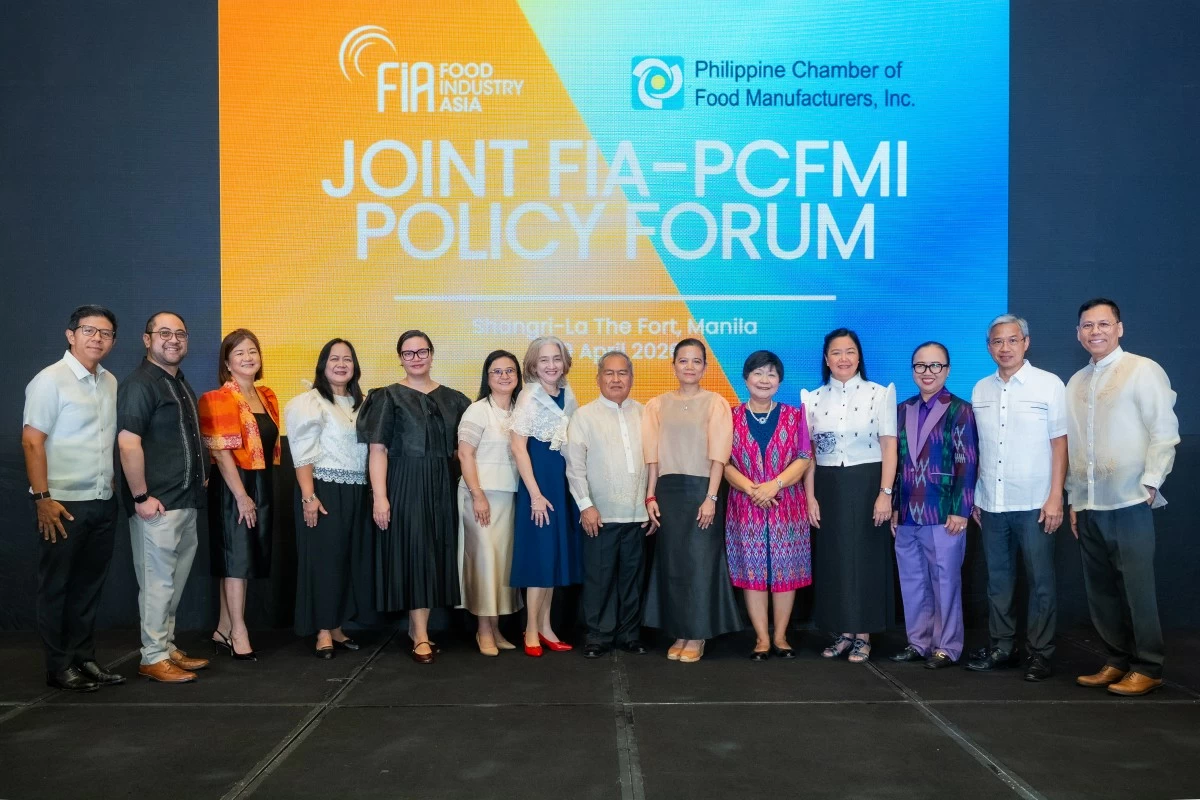

During PCFMI Food Summit 2026 held in partnership with Food Industry Asia (FIA) at Shangri-La The Fort, Manila, in Taguig City last month, industry officials, regulators, and technical experts discussed emerging regulations affecting the food sector, including nutrient profiling, front-of-pack labeling proposals, responsible marketing standards, food product registration, and local food ordinances.
PCFMI said the discussions highlighted the growing need for food regulations to be guided by scientific evidence, implementation feasibility, and stronger public-private sector consultation.
“The food industry is entering a period where nutrition, regulation, and food security are no longer separate conversations. They are deeply interconnected, and this means policymaking must also become more consultative, more science-based, and more grounded in the realities of the Philippine food system,” PCFMI president and chairperson Marites Directo said.
A major focus of the summit was the role of food reformulation and ingredient innovation in delivering healthier food options to consumers.
Technical experts during the summit said food manufacturers continue investing in nutrition innovation, although successful reformulation efforts require enabling standards, practical transition periods, and regulatory approaches that recognize scientific limitations.
The discussions also emphasized the importance of conducting careful technical evaluation and impact assessments before implementing food policy interventions.
PCFMI said this is especially relevant as the government continues studying the proposed Philippine nutrient profile model (PNPM), which may serve as the basis for future policies involving front-of-pack labeling, food marketing restrictions, and taxation measures.
“Frameworks such as the PNPM do not operate in isolation. They influence product reformulation, consumer communication, market access, and the future direction of innovation. This is why meaningful collaboration between regulators and private sector—and a clear understanding of implementation impact before policy adoption—are critical to getting policy right,” Directo added.
The summit also featured discussions involving the Food and Drug Administration (FDA), which highlighted the importance of evidence-based regulation and the need to fully understand regulatory implications before implementation.
Meanwhile, National Dairy Authority (NDA) Administrator Marcus Antonius Andaya reaffirmed the agency’s support for the dairy and food manufacturing sectors through responsive product registration mechanisms and continued engagement with industry stakeholders.
PCFMI also underscored the role of pre-packaged food in maintaining food safety, extending shelf life, improving accessibility, and ensuring reliable distribution, especially amid continuing concerns over supply disruptions and food affordability.
According to the food industry group, the convergence of evolving food and nutrition policies signals a critical period for the Philippine food manufacturing sector, where regulations should move beyond isolated interventions toward a more coherent framework that balances public health objectives and food security concerns.
PCFMI said it would continue working with government agencies, technical experts, and consumer groups in shaping food policies that are evidence-driven, practical, and responsive to the needs of Filipino consumers.