







Should we be worried about an Ebola outbreak?
What do we know about the viral disease?
Published May 25, 2026 07:28 am


At A Glance
- Ebola outbreaks are the stuff of nightmares, and it is one of the few diseases that Hollywood does not have to exaggerate very much to portray in all its hellish glory.
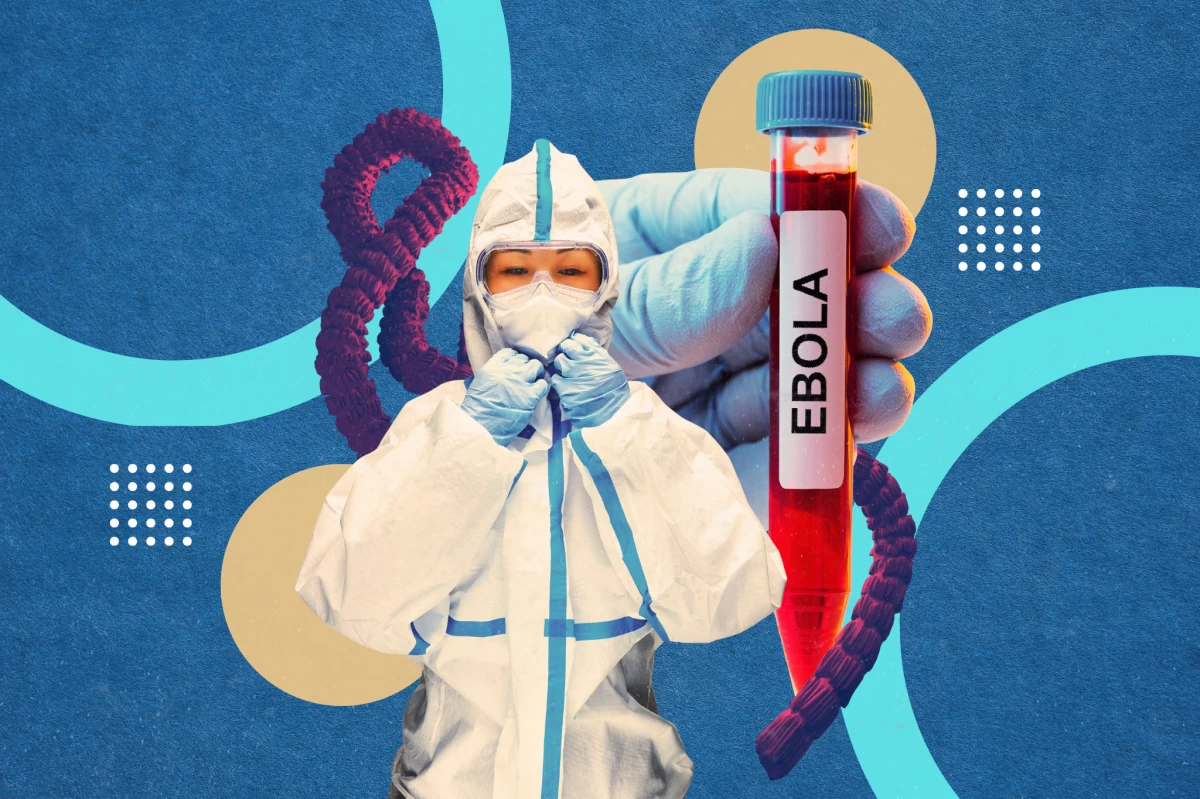
Last May 17, 2026, the World Health Organization Director General Tedros Ghebreyesus declared the ongoing epidemic of the Bundibugyo strain of the Ebola virus in the Democratic Republic of Congo a Public Health Emergency of International Concern (PHEIC). At the time of the declaration, eight cases had been confirmed by laboratory testing, along with 80 suspected deaths and 246 suspected cases. As of this writing, 600 suspected cases have been reported along with 139 suspected deaths in the Democratic Republic of Congo and neighboring Uganda. WHO emphasized that while the current outbreak is a PHEIC, it does not yet meet the criteria of a pandemic emergency.
If you ask infectious disease doctors to rank the different infections from the scariest to least scary, Ebola would be very near or at the top of that list. Ebola outbreaks are the stuff of nightmares, and it is one of the few diseases that Hollywood does not have to exaggerate very much to portray in all its hellish glory. People with severe Ebola usually vomit, cough, and poop blood, bleed internally, and die. They can develop a hemorrhagic rash and bleed into the whites of their eyes, resulting in very scary bloodshot eyes. It really can resemble a zombie apocalypse, except that these people are still alive, and the blood coming out of them can infect the next person. It is a truly horrible way to die.
Scary as it looks, there has never been an Ebola epidemic that killed millions of people on the scale of influenza or Covid-19. The worst Ebola outbreak ever was from 2013 to 2016 in West Africa, resulting in 11,323 deaths. There were several imported cases that made it to the US and Western Europe, but community transmission did not occur due to strong containment procedures. There are several reasons that Ebola has lower pandemic potential than influenza or SARS-CoV-2. Its high mortality can eliminate hosts before they can successfully infect enough people to sustain spread. It is mainly transmitted through infected body fluids and not through respiratory droplets like influenza or SARS-CoV-2, and so contact with a patient or contaminated items is required for infection to occur. Finally, symptomatic patients are the most contagious of all and can be quickly identified and isolated. However, as is the case with the unpredictability of infectious agents, it is best to always be prepared whenever an outbreak occurs.
The first recorded Ebola outbreaks occurred simultaneously in 1976 in South Sudan and the Democratic Republic of Congo. The village in the Democratic Republic of Congo where the outbreak occurred was near the Ebola River, and this was what gave the virus its name. There have been periodic outbreaks since then, with the last Ebola PHEIC declared in 2019 and ending in 2020.
Ebola is caused not by one virus, but by a family of viruses that are found in animal hosts. Of the six known ebolaviruses that have been discovered, four have been known to cause outbreaks in humans. There are four viruses: the Bundibugyo ebolavirus, the Sudan ebolavirus, the Taï Forest ebolavirus, and the Zaire ebolavirus. Two ebolaviruses are known to cause disease in other primates but not in humans. These are Reston ebolavirus and the Bombali ebolavirus.
The Reston ebolavirus is of interest to Filipinos. It has been found to be endemic to the Philippines and was first isolated from crab-eating macaques that were imported from Manila to a primate research laboratory in Reston, Virginia, in 1989. Fortunately, Reston ebolavirus does not cause disease in humans. There have been several outbreaks in monkey quarantine facilities in the US, but no symptomatic human cases have been described. There have been two reported Reston ebolavirus outbreaks among pigs in pig farms in the Philippines, in 2008 and 2015, resulting in mass culling of the exposed pigs. While some workers tested positive for antibodies against Reston ebolavirus, none developed symptoms. Reston ebolavirus is an area of active research in our country, and surveillance is ongoing since there is always potential for it to mutate, jump to humans, and cause disease.
The current Ebola outbreak has been found to be from the Bundibugyo strain of ebolavirus, which is relatively rare compared to the other strains. It seems to have originated from the Ituri province in the eastern Democratic Republic of Congo and crossed over to the capital Kinshasa, as well as the neighboring country of Uganda. The Uganda cases likely originated from travelers from the Democratic Republic of Congo. Despite this occurrence, the WHO does not recommend international travel or trade restrictions since these can have profound economic consequences. It instead recommends strengthening surveillance, preparedness, community engagement, and good public health communication. Meanwhile, the US has already enforced a 30-day restriction on the entry of non-US citizens who have traveled to Uganda, the Democratic Republic of Congo, and South Sudan in the last 21 days. Other countries have at least heightened their alert status, although it is unclear if any of them will initiate travel bans as well.
Diagnosis of Ebola virus disease (EVD) is based on exposure history and compatible symptoms. A complete blood count will show low platelets, elevated liver enzymes, and abnormal clotting parameters. Antibody testing and PCR on blood and other infected fluids are usually done with careful handling of the specimens. An antigen test, which gives results in 15 minutes, is also available and has been approved by the WHO.
There are no known effective antivirals for Bundibugyo ebolavirus. Two drugs, ansuvimab and a combination monoclonal antibody cocktail of atoltivimab/maftivimab/odesivimab (INMAZEB), have been shown to decrease mortality, especially if given early for treatment of Zaire ebolavirus. These drugs have received US FDA approval and are on the WHO list of essential medicines. However, there are no studies showing these drugs work on Bundibugyo. Treatment of EVD is otherwise supportive, with aggressive fluid administration to counteract severe fluid losses from vomiting and diarrhea. Blood products can also be given as needed. Mortality can range from 25 to 90 percent and averages out to 50 percent.
Three effective vaccines have been developed, but these are all for the Zaire ebolavirus. A Bundibugyo vaccine is being developed using the same techniques as that for the Zaire strain, but may take six to nine months to manufacture. In the meantime, the response in the affected countries is being augmented by the WHO along with increased surveillance efforts.
In 2014, over 100 Filipino peacekeepers who had been deployed in Liberia during an Ebola outbreak came home and were quarantined on Caballo Island in Manila Bay for 21 days. One soldier developed symptoms compatible with Ebola but ended up testing negative. We have never had an Ebola case in the Philippines aside from the Reston strain. We do, however, have institutional memory dealing with exposures, as well as the quarantine and isolation lessons we learned from the Covid-19 pandemic. While Ebola is scary, it is manageable if countries work together and do their part in keeping us all safe.