






 Business
Trade & Industry
Logistics, data centers anchor Philippine property resilience—APREA
Business
Trade & Industry
Logistics, data centers anchor Philippine property resilience—APREA
Logistics, data centers anchor Philippine property resilience—APREA


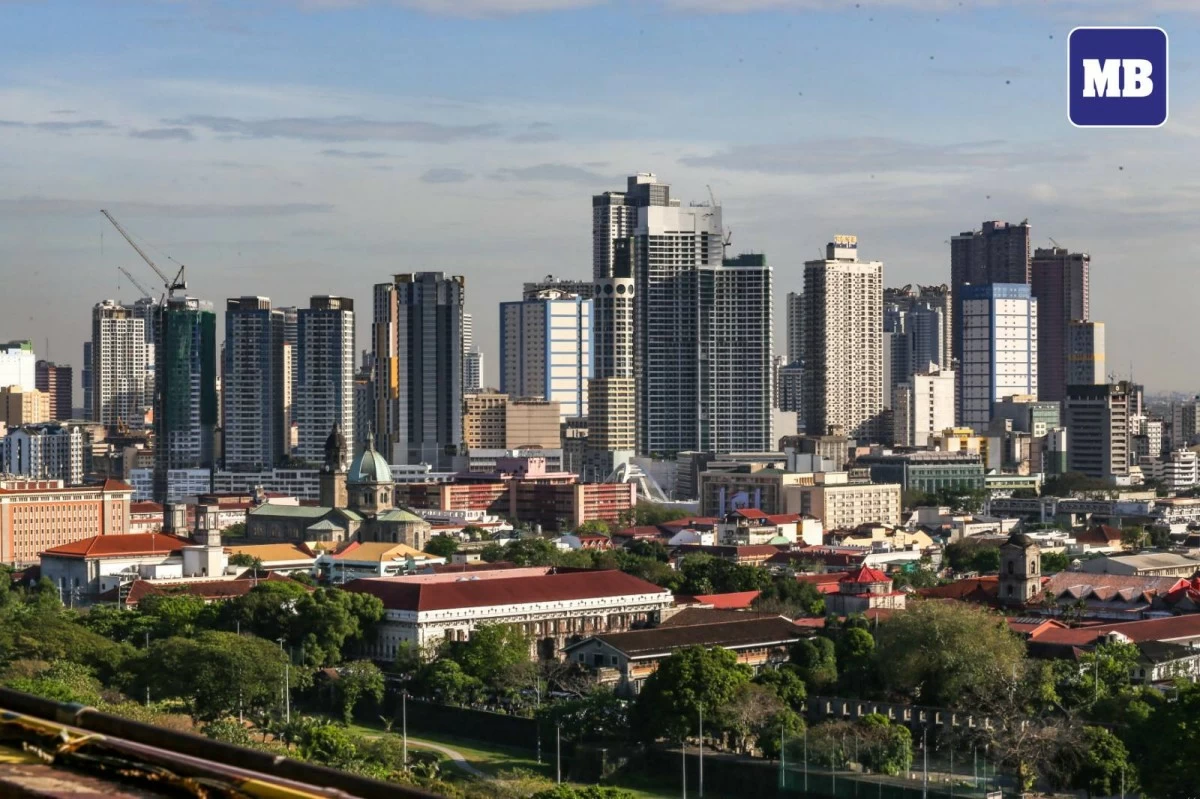
The Philippines’ property market is expected to remain resilient despite elevated inflation, geopolitical tensions, and high borrowing costs, with investors continuing to favor malls, logistics facilities, data centers, offices, and hotels that generate recurring income streams, according to Singapore-based Asia-Pacific Real Assets Association (APREA).
APREA’s latest TrendWatch report published on Monday, May 25, said Southeast Asia’s real estate markets are entering a “complex” but promising period as supply-chain diversification and digital infrastructure investments redirect capital flows across the region.
“Rather than focus on the disruption from the Middle East conflict, it’s important to understand the long-term structural shifts being driven by an increasingly multipolar and fragmented global environment,” Savills Southeast Asia chief executive officer (CEO) Chris Marriott said.
Marriott noted that the Philippines and Thailand face greater near-term exposure as net energy importers, while Indonesia and Vietnam continue benefiting from supply-chain diversification and capital reallocation.
Still, APREA said the Philippines continues to attract investor interest despite global volatility and inflationary pressures, with demand anchored by sectors supported by stable consumption patterns and recurring income.
“In today’s macro environment, sectors that offer recurring income, long-term visibility, and protection against volatility are the most attractive,” the report quoted RL Commercial REIT Inc. (RCR) President and CEO Jericho P. Go as saying.
“Across these sectors, long-term contracts and predictable cash flows are what make them attractive in uncertain markets,” Go added.
Go said mall assets remain attractive because of lease structures combining minimum base rents with percentage-of-sales upside, while logistics facilities benefit from long-term leases with built-in rental escalations that help hedge against inflation.
The report also noted that the luxury residential segment continues to outperform, with Manila ranking third in Knight Frank’s prime international residential index. Hospitality assets are likewise regaining momentum as international operators and global brands re-enter key destinations across the country.
Meanwhile, the office market remains tenant-led, with competitive rental rates helping sustain Manila’s position as one of the region’s more affordable office hubs.
The findings echoed earlier assessments by property consultancies Colliers as well as Cushman & Wakefield, which previously identified logistics, industrial, hospitality, and data center assets as among the Philippines’ more defensive and resilient real estate sectors amid geopolitical uncertainty and elevated interest rates.
Data centers were also identified as a growing investment theme in the Philippines.
According to the report, hyperscalers are increasingly partnering with local developers to establish facilities in the country, reflecting rising demand for digital infrastructure.
Santos Knight Frank chairman and CEO Rick Santos said real estate investment trusts (REITs) are also evolving through greater asset diversification while continuing to provide investors with relatively stable long-term returns.
While geopolitical tensions and higher energy prices continue to create pressure on inflation, construction costs, and foreign capital flows, Santos said the market’s underlying fundamentals remain intact.
“The current macro environment is effectively acting as a filter—separating sectors with structural demand from those still dependent on cyclical recovery,” Santos said. “What we’re seeing is a pause, not a retreat.”
The report added that financing conditions are expected to remain a major factor shaping investment activity across Southeast Asia this year as borrowing costs remain structurally elevated. However, historically conservative leverage levels across the region are expected to help cushion the impact of higher interest rates.