

ADVERTISEMENT

Ditta Sandico sheds her layers

The 'wrap artiste' on creating a signature style and the future of Filipino fashion

Published May 24, 2026 10:48 am
A great design often involves the right balance. A silhouette must be striking yet have the right proportions. A perfect mix of softness and structure creates both elegance and ease. But for a seasoned designer, the mark of good design isn’t just about something visual—it’s about how a piece can inspire, spark purpose, and change lives.
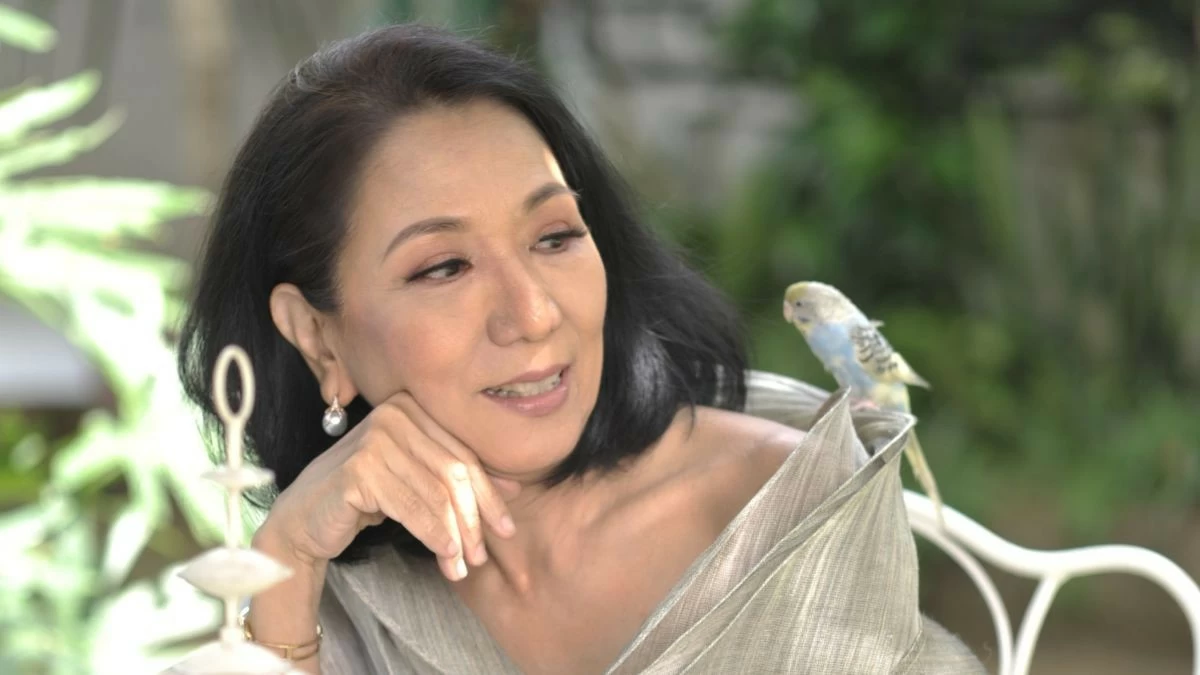
Ditta Sandico
Ditta Sandico
That is something Ditta Sandico has mastered throughout her career as a fashion designer: creating clothing that champions the hands that made it, the wearer, and the Philippines’ heritage. For many, her name has become synonymous with the vivid and whimsical forms she creates using banana-abaca (banaca) textile. But that is just one chapter of her story.
Last May 13 at the Yuchengco Museum in Makati City, the renowned international “wrap artiste” shared more of herself with the launch of “It’s A Wrap: Unravelling the Future of Fashion.” The book, written by Francine Medina Marquez, edited by Gayle Zialcita and published by Far Eastern University (FEU), chronicles her 40-year journey in the fashion industry, from discovering her signature style and working with indigenous communities to eventually bringing Filipino fashion to the international stage.
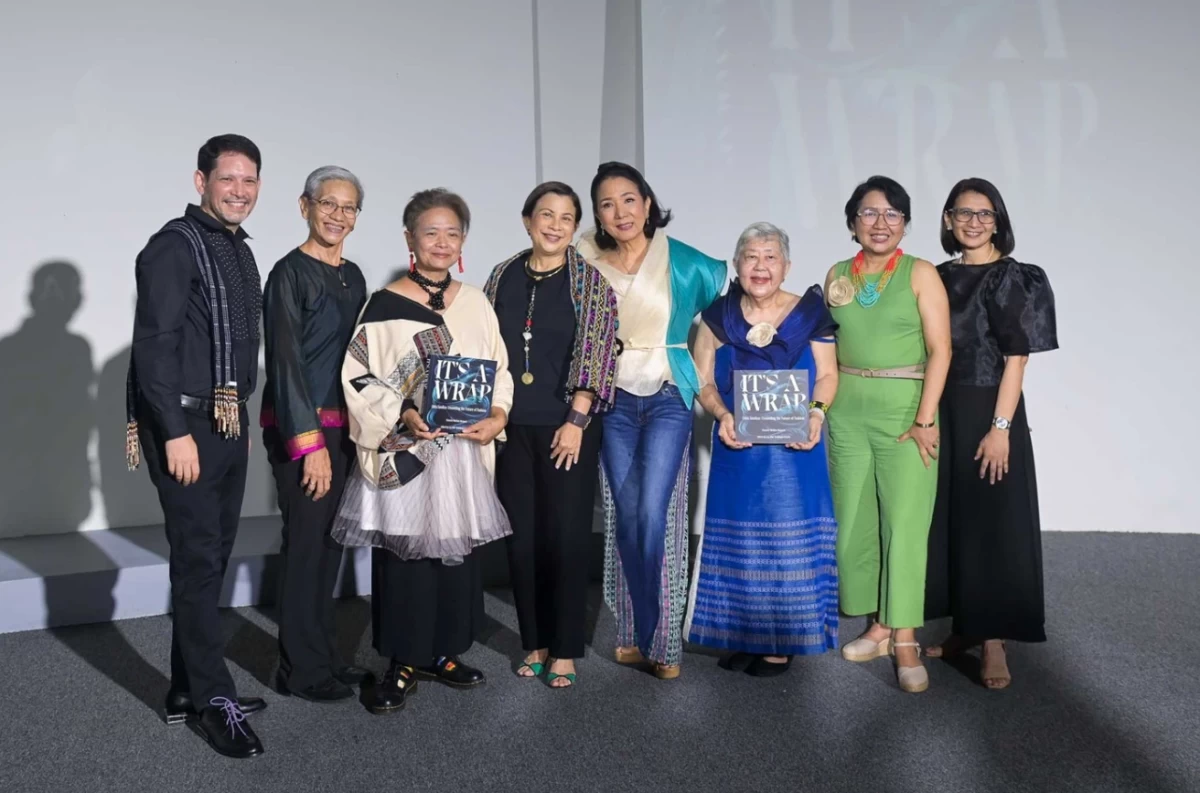
WEAVING LEGACY (From left) FEU Center for the Arts senior director Martin Lopez, Gwenn Galvez, Francine Medina Marquez, FEU trustee Gianna Montinola, Ditta Sandico, Gayle Zialcita, FEU vice president for Corporate Affairs Rowena Capulong Reyes, and FEU Publications manager Melany Caperal (Photo: FEU)
Life in chapters
During the launch, excerpts from the book and speeches by people close to Ditta marked different chapters of her life and career. These chapters were then translated into a fashion presentation featuring her works crafted from various Filipino textiles.
“Beyond promoting our designs, fashion shows serve as opportunities to raise awareness about the artistry and cultural heritage woven into every piece—to help people understand and appreciate the deeper meaning behind the clothes we make,” Ditta says.
“It’s A Wrap” documents Ditta’s dreams and how her vision helped local weaving communities transform their craft into sustainable social enterprises. She hopes that through her journey, a new generation of designers will be inspired to use their work to champion Philippine indigenous crafts.
Serving as an essential tool in broadening the understanding of Filipino weaves, the book also offers key lessons and best practices for budding designers committed to continuing the crusade of presenting the artistry of Philippine weavers and embroiderers to the world.

Signature and purpose
After four decades in the industry, Ditta does not consider personal fame or fortune her greatest achievement. Instead, she takes pride in having helped open doors for Philippine weaves to be seen and appreciated globally. Through her work, she has inspired a generation of Filipino creatives to take pride in their cultural heritage and practice sustainability by utilizing local materials in their designs.
When asked about developing a signature style, Ditta candidly expressed that it is no easy task, but rather a process shaped by intention.
“In my experience, it has taken so many years to find myself,” she tells Manila Bulletin Lifestyle. “It went through several fabrications. I started with abel Iloko, then Filipino linen, banaca, and now Mangyan weaves. It is important that we have our own branding, our own sense of self in our work, because it helps people recognize who we are.”
The book may be titled “It’s A Wrap,” but her work is far from over. To mark a new era for her brand, she also unveiled a new logo featuring two Ds forming the shape of a butterfly. “It signifies metamorphosis and freedom,” the designer muses.
As for the “future of fashion” in the book’s title, she leaves that in the hands of the next generation of Filipino designers.
“Definitely, it hasn’t ended here. I see the future in so many ways—from the next generations to come to the fabrics and weaves, and above all, in who we are trying to showcase,” Ditta muses. “We should be proud of who we are, not just in the local scene but also on the international stage.”
“It’s A Wrap” is available for purchase through Tams Bookstore at [email protected]. Scan the QR code to see Ditta’s creations in motion.

Related Tags

Luminaries fashion and beauty Ditta Sandico
ADVERTISEMENT
.most-popular .layout-ratio{ padding-bottom: 79.13%; } @media (min-width: 768px) and (max-width: 1024px) { .widget-title { font-size: 15px !important; } }

{{ articles_filter_1561_widget.title }}

.most-popular .layout-ratio{ padding-bottom: 79.13%; } @media (min-width: 768px) and (max-width: 1024px) { .widget-title { font-size: 15px !important; } }

{{ articles_filter_1562_widget.title }}

.most-popular .layout-ratio{ padding-bottom: 79.13%; } @media (min-width: 768px) and (max-width: 1024px) { .widget-title { font-size: 15px !important; } }

{{ articles_filter_1563_widget.title }}

{{ articles_filter_1564_widget.title }}

.mb-article-details { position: relative; } .mb-article-details .article-body-preview, .mb-article-details .article-body-summary{ font-size: 17px; line-height: 30px; font-family: "Libre Caslon Text", serif; color: #000; } .mb-article-details .article-body-preview iframe , .mb-article-details .article-body-summary iframe{ width: 100%; margin: auto; } .read-more-background { background: linear-gradient(180deg, color(display-p3 1.000 1.000 1.000 / 0) 13.75%, color(display-p3 1.000 1.000 1.000 / 0.8) 30.79%, color(display-p3 1.000 1.000 1.000) 72.5%); position: absolute; height: 200px; width: 100%; bottom: 0; display: flex; justify-content: center; align-items: center; padding: 0; } .read-more-background a{ color: #000; } .read-more-btn { padding: 17px 45px; font-family: Inter; font-weight: 700; font-size: 18px; line-height: 16px; text-align: center; vertical-align: middle; border: 1px solid black; background-color: white; } .hidden { display: none; }
function initializeAllSwipers() { // Get all hidden inputs with cms_article_id document.querySelectorAll('[id^="cms_article_id_"]').forEach(function (input) { const cmsArticleId = input.value; const articleSelector = '#article-' + cmsArticleId + ' .body_images'; const swiperElement = document.querySelector(articleSelector); if (swiperElement && !swiperElement.classList.contains('swiper-initialized')) { new Swiper(articleSelector, { loop: true, pagination: false, navigation: { nextEl: '#article-' + cmsArticleId + ' .swiper-button-next', prevEl: '#article-' + cmsArticleId + ' .swiper-button-prev', }, }); } }); } setTimeout(initializeAllSwipers, 3000); const intersectionObserver = new IntersectionObserver( (entries) => { entries.forEach((entry) => { if (entry.isIntersecting) { const newUrl = entry.target.getAttribute("data-url"); if (newUrl) { history.pushState(null, null, newUrl); let article = entry.target; // Extract metadata const author = article.querySelector('.author-section').textContent.replace('By', '').trim(); const section = article.querySelector('.section-info ').textContent.replace(' ', ' '); const title = article.querySelector('.article-title h1').textContent; // Parse URL for Chartbeat path format const parsedUrl = new URL(newUrl, window.location.origin); const cleanUrl = parsedUrl.host + parsedUrl.pathname; // Update Chartbeat configuration if (typeof window._sf_async_config !== 'undefined') { window._sf_async_config.path = cleanUrl; window._sf_async_config.sections = section; window._sf_async_config.authors = author; } // Track virtual page view with Chartbeat if (typeof pSUPERFLY !== 'undefined' && typeof pSUPERFLY.virtualPage === 'function') { try { pSUPERFLY.virtualPage({ path: cleanUrl, title: title, sections: section, authors: author }); } catch (error) { console.error('ping error', error); } } // Optional: Update document title if (title && title !== document.title) { document.title = title; } } } }); }, { threshold: 0.1 } ); function showArticleBody(button) { const article = button.closest("article"); const summary = article.querySelector(".article-body-summary"); const body = article.querySelector(".article-body-preview"); const readMoreSection = article.querySelector(".read-more-background"); // Hide summary and read-more section summary.style.display = "none"; readMoreSection.style.display = "none"; // Show the full article body body.classList.remove("hidden"); } document.addEventListener("DOMContentLoaded", () => { let loadCount = 0; // Track how many times articles are loaded const offset = [1, 2, 3, 4, 5, 6, 7, 8, 9, 10]; // Offset values const currentUrl = window.location.pathname.substring(1); let isLoading = false; // Prevent multiple calls if (!currentUrl) { console.log("Current URL is invalid."); return; } const sentinel = document.getElementById("load-more-sentinel"); if (!sentinel) { console.log("Sentinel element not found."); return; } function isSentinelVisible() { const rect = sentinel.getBoundingClientRect(); return ( rect.top < window.innerHeight && rect.bottom >= 0 ); } function onScroll() { if (isLoading) return; if (isSentinelVisible()) { if (loadCount >= offset.length) { console.log("Maximum load attempts reached."); window.removeEventListener("scroll", onScroll); return; } isLoading = true; const currentOffset = offset[loadCount]; window.loadMoreItems().then(() => { let article = document.querySelector('#widget_1690 > div:nth-last-of-type(2) article'); intersectionObserver.observe(article) loadCount++; }).catch(error => { console.error("Error loading more items:", error); }).finally(() => { isLoading = false; }); } } window.addEventListener("scroll", onScroll); });

Sign up by email to receive news.