







ICC allows Duterte to skip first status conference


At A Glance
- The ICC allowed former president Rodrigo Duterte to waive his appearance at the first status conference on May 27.
- Duterte told the court he fully trusts his legal team to handle procedural matters.
- The tribunal also set the agenda for the conference, including trial dates, witnesses, evidence, and possible additional incidents.
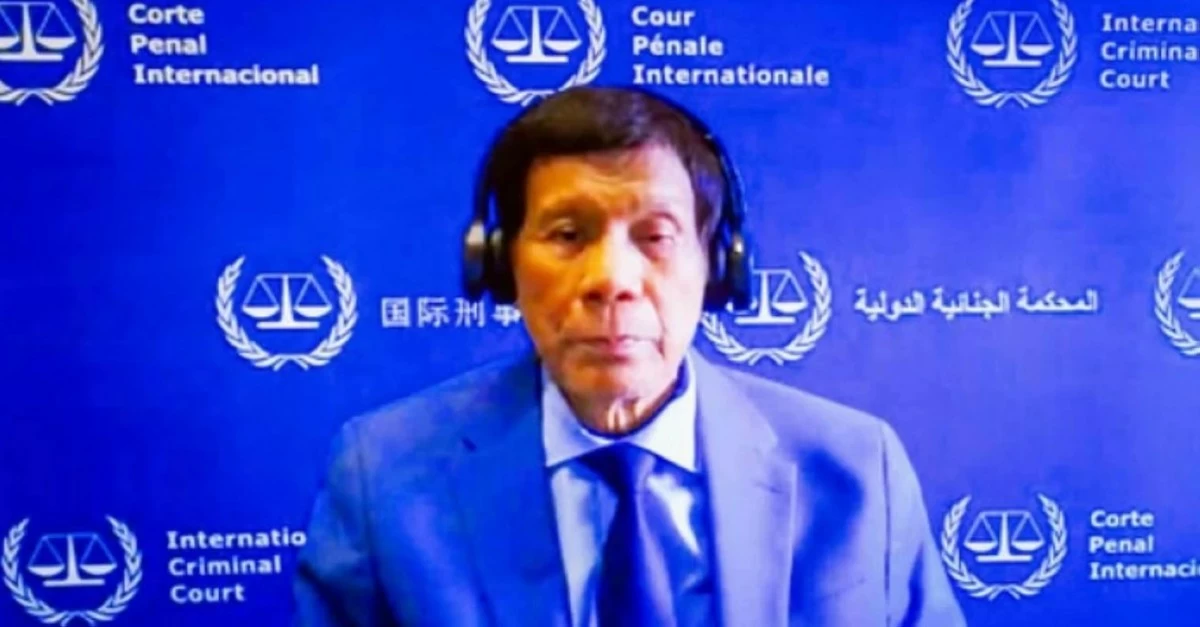
The International Criminal Court (ICC) has allowed former president Rodrigo Duterte to skip the first status conference in his case later this month after his defense team informed the tribunal that he wished to waive his right to appear.
In a seven-page order dated May 22, ICC Trial Chamber III granted the request of Duterte’s defense team to excuse the former president from attending the May 27 status conference in The Hague.
According to the court, Duterte “wishes to waive his right to appear before the Chamber on 27 May 2026 and fully trusts his legal team to address the procedural matters listed on the status conference agenda.”
The chamber said the defense argued that the mandatory requirement for an accused person to be present during proceedings applies only to the actual trial and not to status conferences, which are “essentially administrative in nature.”
The tribunal granted the request but ordered Duterte’s lawyers to submit by May 25 a written waiver personally signed by the former president.
New legal team
The order also formally noted Duterte’s change in legal representation following the withdrawal of his previous counsel earlier this month.
The chamber acknowledged the appointments of British barrister Peter Haynes as lead counsel and Kate Gibson as associate counsel for Duterte.
The judges said the new legal team had already been informed of all pending deadlines and had confirmed they would attend the first status conference.
Trial preparations
The ICC also released the agenda for the May 27 conference, which will focus on preparations leading to Duterte’s trial.
Among the matters to be discussed are the proposed commencement date of the trial, the volume of witnesses and evidence, expert witnesses, witness protection measures, disclosure obligations, and possible additional incidents that prosecutors may include in the case.
The chamber also scheduled discussions on agreed facts, interpretation and translation needs, victims’ participation, and motions that need to be resolved before the start of the trial.
The conference will be conducted publicly, although judges said portions may be held in private session if sensitive witness security matters arise.
Victims’ counsel request denied
Meanwhile, the chamber rejected a request by one of the victims’ legal representatives, lawyer Gilbert Andres, to participate remotely in the status conference.
The ICC said other members of the victims’ legal team would already be physically present during the proceedings and noted that technical limitations prevented the establishment of a secure remote connection for private sessions if needed.