







Should we be worried about the state of our nation?
Hope for the best, prepare for the worst
Published May 22, 2026 10:55 pm


At A Glance
- Despite these warning signs, public debate remains dominated by impeachment dramas, political rivalries, and corruption scandals.
The giant red “Lepanto” sign on the Makati skyline went dark soon after the Iran War began and oil prices surged. Now it is lit again, a quiet reminder that troubles pass, storms move on, and somehow, life endures.
For the most part, daily life still appears remarkably normal. Traffic remains punishing. Shopping malls are crowded. Air conditioners hum through humid afternoons and restless nights. Brownouts are rare, faucets continue to flow, supermarket shelves remain stocked, and offices open each morning as restaurants fill each evening. Families still celebrate birthdays and head to beach resorts on weekends. All seems well, business as usual.
Beneath the surface, however, economic pressure has been building steadily.
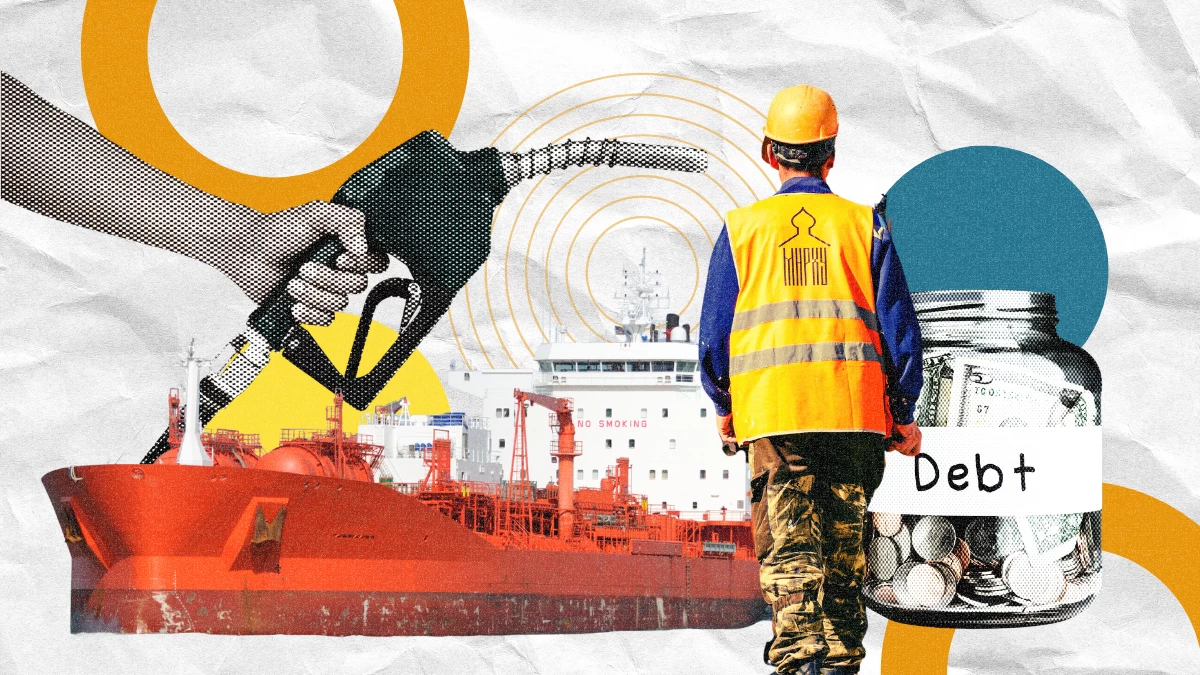
The Philippines depends heavily on imported oil. So far, we have managed by drawing on existing inventories and relying on shipments that were already in transit before the war began. But inventories are finite, and we have to ask, what happens when they run out?
Fuel prices rose sharply through March and April, increasing both transportation and household costs. Freight charges climbed, making agricultural produce from the provinces more expensive in urban markets. Prices occasionally ease, and the most affected receive government assistance, but the Iran War continues, the Strait of Hormuz remains blocked, and oil prices keep rising.
Meanwhile, the peso continues to weaken against the US dollar. From roughly ₱57.70 to the dollar in late February, the exchange rate has slipped to around ₱61.65. The peso is now worth less than two US cents.
This benefits OFWs, exporters of bananas, pineapples, semiconductors, and others who earn in dollars. Their foreign currency earnings now stretch further. For everyone else, however, the reverse is true. The same peso income buys less.
Unfortunately, the Philippines imports far more than fuel. Rice, sugar, fish, flour, fertilizer, medicine, and many other essentials become more expensive as the currency weakens.
We have been counting on OFW remittances, but these may become less dependable if the global slowdown deepens. Construction projects in some regions have slowed, while others have stopped altogether. Hotels, restaurants, and service industries in parts of the Middle East have begun reducing staff or cutting working hours.
Neither government nor private companies are exempt from these pressures. Those with foreign currency-denominated debt must now earn more pesos to pay interest and principal obligations. At the same time, consumers have less purchasing power, meaning businesses can expect weaker revenues. The government faces the same problem as the tax base narrows while demands for subsidies and operating costs increase.
Adding to the challenge, the US is expected to keep interest rates elevated in its effort to control inflation. Higher American interest rates tend to pull capital away from emerging economies, placing additional pressure on weaker currencies while pushing domestic borrowing costs higher.
The squeeze tightens gradually but unmistakably: Government deficits widen, causing domestic interest rates to rise, businesses postpone expansion plans, consumers spend more cautiously, and economic growth begins to slow.
On the positive side, the Philippines could become more attractive to foreign investors seeking lower operating costs, although investments on the scale required are not likely to arrive quickly enough to offset immediate economic strain.
Options are limited in the immediate term. Friendly countries help during earthquakes and typhoons, but otherwise, we are largely on our own. Energy conservation will become inevitable as costs rise and supplies tighten. Reduced air-conditioning, less travel, and more employees working from home are only to be expected.
Home gardening, modest as it may seem, can still help supplement food supplies. It may seem excessive to compare the present situation with the Japanese Occupation, yet in 1944, my own family grew camote, peanuts, and vegetables in our small Manila yard. In uncertain times, even simple forms of self-reliance matter.
Over the medium and long term, the country’s greatest opportunities may lie in agriculture and energy.
The Philippines is blessed with arable land, adequate rainfall, and a year-round growing season. Institutions such as UP Los Baños were once so respected that neighboring countries looked to them for education and guidance.
Today, however, Vietnam and Thailand have become major suppliers of rice and agricultural products, even to the Philippines itself. The reasons are well known: fragmented land ownership, the conversion of irrigated farmland into subdivisions and commercial developments, inadequate agricultural financing, pricing policies that favor urban consumers over rural producers, and decades of inconsistent government support.
Energy presents a similar paradox. The Philippines possesses substantial geothermal, hydroelectric, wind, and solar resources. Yet for years, renewable energy was often treated as a costly and unreliable alternative to imported oil. Recent events have underscored a hard reality. Energy independence is vital.
Geopolitics, always delicate, has become especially tricky. The US remains a treaty ally and a longstanding military partner, with access to various Philippine facilities. Yet our exports have not been spared from higher US tariffs.
Meanwhile, China continues asserting expansive claims westward in the West Philippine Sea and eastward toward Benham Rise. The country faces a formidable challenge: preserving sovereignty and national security without becoming trapped between competing superpowers.
Despite these warning signs, public debate remains dominated by impeachment dramas, political rivalries, and corruption scandals. Economic resilience ultimately depends on ordinary people retaining purchasing power and having access to essential goods and services at manageable prices. These require jobs that produce food, shelter, clothing, and other basics, infrastructure that improves productivity, and long-term planning that extends far beyond the next election cycle.
Urban renewal projects modeled after Singapore’s long-term housing strategies deserve serious study. So do integrated flood-control and watershed rehabilitation programs; reforestation using native hardwoods that improve the environment and water supply while eventually yielding valuable timber; mangrove restoration and fisheries development; and modern public transportation systems designed for the commuting majority rather than the car-owning minority.
The Sierra Madre protection bills filed in Congress by Messrs. Erwin Tulfo, Juan Fidel Nograles, and Faustino Dy are similarly far-sighted measures.
Land policy also deserves reconsideration. Leasehold systems for foreign investors, rather than outright land ownership, could encourage investment while ensuring that Filipinos retain land ownership.
For now, life seems normal. Bright lights may dim, but we still find our way. Prices rise, but we manage. We are ever the optimists, confident that conditions will improve. Patience, adaptability, and resilience remain among our greatest strengths.
Even so, warning signs continue to accumulate: geopolitical tensions, unstable energy supplies, a weakening currency, uncertain labor markets abroad, intensifying climate risks, and forecasts of a severe El Niño.
Prayer helps, and faith sustains. Let’s hope for the best while keeping in mind what ancient wisdom reminds us: the gods help those who help themselves.
Comments are cordially invited, addressed to [email protected].