







Philippine hog supply plunges to lowest level since 1994
Published May 22, 2026 03:11 pm


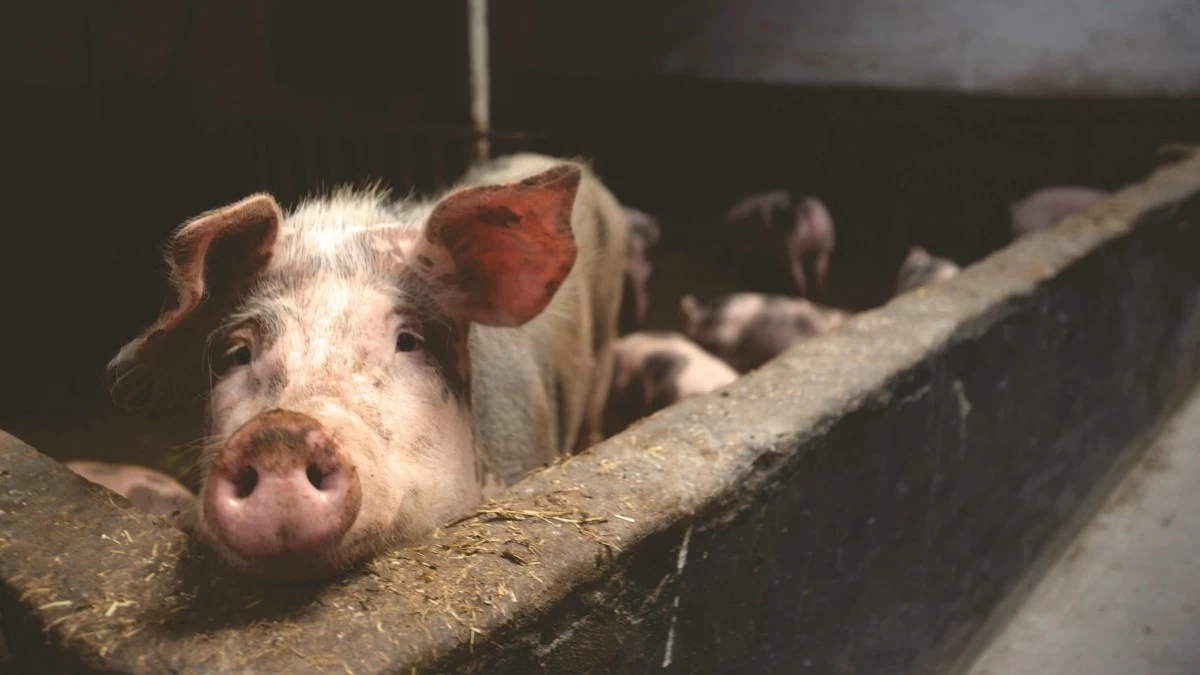
The Philippines’ swine population contracted by 1.5 percent in the first quarter to reach its lowest level since 1994, as the local hog sector continues to reel from the impact of African swine fever (ASF).
Preliminary data from the Philippine Statistics Authority (PSA) showed that the country’s hog inventory declined to 8.70 million heads from January to March, down from 8.84 million heads in the same period last year.
The latest figure is the lowest domestic swine population recorded in a first quarter since 1994, when the inventory stood at 8.46 million heads, according to historical data from the PSA.
During the first three months of the year, the swine population remained concentrated in smallhold farms, which accounted for 6.83 million heads, or 78.5 percent of the total.
Meanwhile, the inventory in commercial farms contributed 20.3 percent, or 1.76 million heads—a 24.5-percent decline from the 2.33 million heads recorded in the first quarter of 2025. The inventory in semi-commercial farms dropped by more than half, falling to 104,042 heads from the previous year’s 243,036 heads.
By region, Calabarzon recorded the highest hog population at 1.15 million heads, largely unchanged from last year’s tally. This was followed by Central Luzon with 1.05 million heads and the Bicol Region with 696,303 heads. Combined, these three regions accounted for 33.3 percent of the country’s total swine population during the period.
PSA data showed that Northern Mindanao registered the sharpest decline in the first quarter, with its hog inventory dropping 22.5 percent to 618,698 heads from 798,677 heads. Mimaropa also saw its swine population fall by 12.1 percent to 554,079 heads, while Negros Island’s inventory plunged 10.8 percent to 630,782 heads.
The local hog sector has been working to restore the country’s swine population to its pre-ASF level of around 13 million heads. The Department of Agriculture (DA) previously announced it will soon implement a ₱1.6-billion swine repopulation program, aiming for a target of 9.79 million heads by the end of the year, up from 8.79 million heads at the close of 2025. In the meantime, the Philippines has been relying on imported pork products to bridge the gap between domestic production and the rising demand of a growing population.
Despite the lower inventory, the local sector posted a 6.4-percent increase in total hog production during the first quarter, reaching 428,923 metric tons (MT) on a liveweight basis, up from 403,193 MT in the same period in 2025.
Calabarzon was the leading producer during the reference period, contributing 67,872 MT or 15.8 percent of the total. Northern Mindanao ranked second with 60,796 MT, followed by Central Luzon with 52,065 MT and Central Visayas with 35,218 MT.
According to the PSA, the average farmgate price of hogs for slaughter stood at ₱176.03 per kilo on a liveweight basis in the first quarter. This represents a 16.1-percent decrease from the ₱209.83 per kilo recorded in the same period last year.