

ADVERTISEMENT

PH records 4,633 new HIV cases in Q1 2026; NCR logs highest infections

Published May 22, 2026 06:58 pm

At A Glance

  • In its latest 'HIV & AIDS Surveillance of the Philippines' report, the DOH said that of the total newly-reported cases, 4,381 or 95 percent involved males, while 252 or five percent involved females.
(MB FILE PHOTO)
(MB FILE PHOTO)
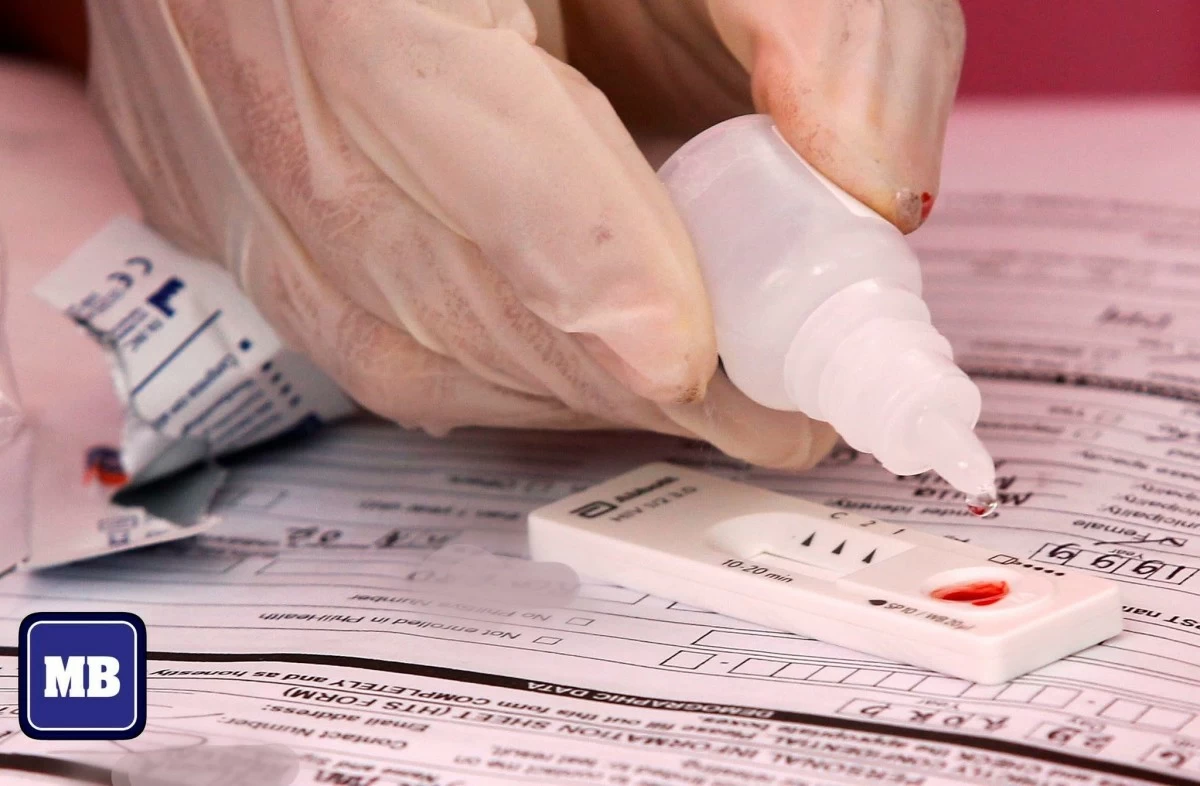
The Philippines recorded 4,633 newly-confirmed human immunodeficiency virus (HIV) cases from January to March 2026, with the National Capital Region (NCR) accounting for the highest number of infections, the Department of Health-Epidemiology Bureau (DOH-EB) said.
In its latest ‘HIV & AIDS Surveillance of the Philippines’ report, the DOH said that of the total newly-reported cases, 4,381 or 95 percent involved males, while 252 or five percent involved females.
The report showed that individuals aged 25 to 34 comprised the largest affected age group at 46 percent, followed by those aged 15 to 24 at 31 percent, 35 to 49 years old at 18 percent, and those aged 50 years old and above at three percent.
The DOH said the average number of HIV cases recorded daily during the first quarter stood at 51.
Meanwhile, 1,104 or 24 percent of newly-confirmed HIV cases already had advanced HIV disease at the time they were diagnosed.
Data also showed that NCR logged the highest number of newly-diagnosed HIV cases with 989 or 21 percent of the total cases nationwide.
It was followed by CALABARZON (Region 4A) with 808 cases or 17 percent, Central Luzon (Region 3) with 551 cases or 12 percent, Soccsksargen (Region 12) with 277 cases or six percent, and Davao Region (Region 11) with 263 cases or six percent.
Cumulatively, the Philippines has recorded 168,079 confirmed HIV cases since the first reported HIV infection in the country in 1984.
Of the total cumulative cases, 158,670 or 94 percent were males, while 9,399 or six percent were females.
Likewise, the DOH observed that HIV cases in the country have increasingly affected younger individuals over the years.
“Diagnosed cases are getting younger as predominant age group shifted to 25-34 years old starting 2006, and the proportion of cases among 15-24 age group has reached 30% as of 2025,” the report stated.
Meanwhile, the report showed that there are currently 108,367 people living with HIV (PLHIV) enrolled in the government’s free antiretroviral therapy (ART) program.

Related Tags

Philippines records 4633 new HIV cases Q1 2026 first quarter NCR logs highest infections DOH
ADVERTISEMENT
.most-popular .layout-ratio{ padding-bottom: 79.13%; } @media (min-width: 768px) and (max-width: 1024px) { .widget-title { font-size: 15px !important; } }

{{ articles_filter_1561_widget.title }}

.most-popular .layout-ratio{ padding-bottom: 79.13%; } @media (min-width: 768px) and (max-width: 1024px) { .widget-title { font-size: 15px !important; } }

{{ articles_filter_1562_widget.title }}

.most-popular .layout-ratio{ padding-bottom: 79.13%; } @media (min-width: 768px) and (max-width: 1024px) { .widget-title { font-size: 15px !important; } }

{{ articles_filter_1563_widget.title }}

{{ articles_filter_1564_widget.title }}

.mb-article-details { position: relative; } .mb-article-details .article-body-preview, .mb-article-details .article-body-summary{ font-size: 17px; line-height: 30px; font-family: "Libre Caslon Text", serif; color: #000; } .mb-article-details .article-body-preview iframe , .mb-article-details .article-body-summary iframe{ width: 100%; margin: auto; } .read-more-background { background: linear-gradient(180deg, color(display-p3 1.000 1.000 1.000 / 0) 13.75%, color(display-p3 1.000 1.000 1.000 / 0.8) 30.79%, color(display-p3 1.000 1.000 1.000) 72.5%); position: absolute; height: 200px; width: 100%; bottom: 0; display: flex; justify-content: center; align-items: center; padding: 0; } .read-more-background a{ color: #000; } .read-more-btn { padding: 17px 45px; font-family: Inter; font-weight: 700; font-size: 18px; line-height: 16px; text-align: center; vertical-align: middle; border: 1px solid black; background-color: white; } .hidden { display: none; }
function initializeAllSwipers() { // Get all hidden inputs with cms_article_id document.querySelectorAll('[id^="cms_article_id_"]').forEach(function (input) { const cmsArticleId = input.value; const articleSelector = '#article-' + cmsArticleId + ' .body_images'; const swiperElement = document.querySelector(articleSelector); if (swiperElement && !swiperElement.classList.contains('swiper-initialized')) { new Swiper(articleSelector, { loop: true, pagination: false, navigation: { nextEl: '#article-' + cmsArticleId + ' .swiper-button-next', prevEl: '#article-' + cmsArticleId + ' .swiper-button-prev', }, }); } }); } setTimeout(initializeAllSwipers, 3000); const intersectionObserver = new IntersectionObserver( (entries) => { entries.forEach((entry) => { if (entry.isIntersecting) { const newUrl = entry.target.getAttribute("data-url"); if (newUrl) { history.pushState(null, null, newUrl); let article = entry.target; // Extract metadata const author = article.querySelector('.author-section').textContent.replace('By', '').trim(); const section = article.querySelector('.section-info ').textContent.replace(' ', ' '); const title = article.querySelector('.article-title h1').textContent; // Parse URL for Chartbeat path format const parsedUrl = new URL(newUrl, window.location.origin); const cleanUrl = parsedUrl.host + parsedUrl.pathname; // Update Chartbeat configuration if (typeof window._sf_async_config !== 'undefined') { window._sf_async_config.path = cleanUrl; window._sf_async_config.sections = section; window._sf_async_config.authors = author; } // Track virtual page view with Chartbeat if (typeof pSUPERFLY !== 'undefined' && typeof pSUPERFLY.virtualPage === 'function') { try { pSUPERFLY.virtualPage({ path: cleanUrl, title: title, sections: section, authors: author }); } catch (error) { console.error('ping error', error); } } // Optional: Update document title if (title && title !== document.title) { document.title = title; } } } }); }, { threshold: 0.1 } ); function showArticleBody(button) { const article = button.closest("article"); const summary = article.querySelector(".article-body-summary"); const body = article.querySelector(".article-body-preview"); const readMoreSection = article.querySelector(".read-more-background"); // Hide summary and read-more section summary.style.display = "none"; readMoreSection.style.display = "none"; // Show the full article body body.classList.remove("hidden"); } document.addEventListener("DOMContentLoaded", () => { let loadCount = 0; // Track how many times articles are loaded const offset = [1, 2, 3, 4, 5, 6, 7, 8, 9, 10]; // Offset values const currentUrl = window.location.pathname.substring(1); let isLoading = false; // Prevent multiple calls if (!currentUrl) { console.log("Current URL is invalid."); return; } const sentinel = document.getElementById("load-more-sentinel"); if (!sentinel) { console.log("Sentinel element not found."); return; } function isSentinelVisible() { const rect = sentinel.getBoundingClientRect(); return ( rect.top < window.innerHeight && rect.bottom >= 0 ); } function onScroll() { if (isLoading) return; if (isSentinelVisible()) { if (loadCount >= offset.length) { console.log("Maximum load attempts reached."); window.removeEventListener("scroll", onScroll); return; } isLoading = true; const currentOffset = offset[loadCount]; window.loadMoreItems().then(() => { let article = document.querySelector('#widget_1690 > div:nth-last-of-type(2) article'); intersectionObserver.observe(article) loadCount++; }).catch(error => { console.error("Error loading more items:", error); }).finally(() => { isLoading = false; }); } } window.addEventListener("scroll", onScroll); });

Sign up by email to receive news.