

ADVERTISEMENT

Middle-class Filipinos may also avail of crisis assistance, not just the poor — DSWD

Published May 22, 2026 10:10 am

At A Glance

  • The Assistance to Individuals in Crisis Situation (AICS) program serves as the DSWD's social safety net, providing immediate assistance for medical, burial, transportation, and other emergency-related expenses to individuals and families in crisis situations.
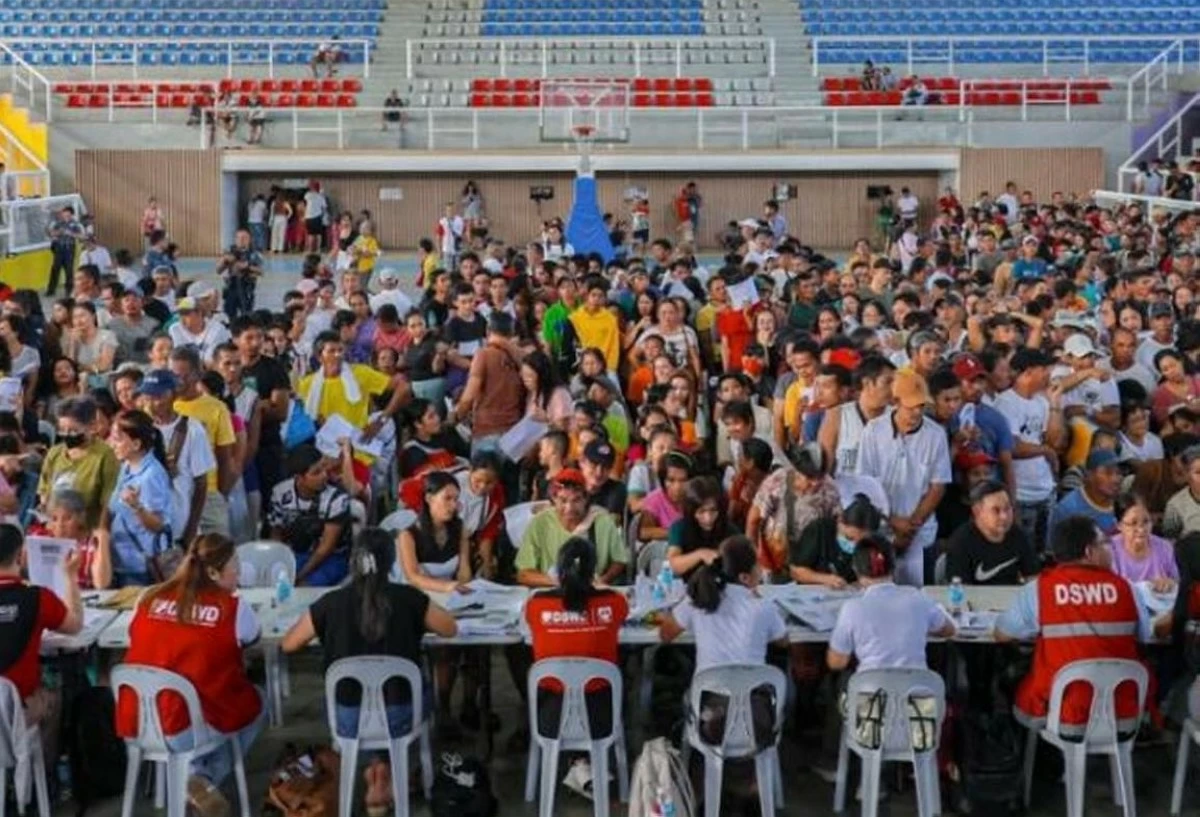
DSWD photo
DSWD photo
The Department of Social Welfare and Development (DSWD) reiterated that its Assistance to Individuals in Crisis Situation (AICS) program is not exclusively for the poor, saying middle-class Filipinos struggling with emergencies and unexpected financial burdens may also seek government assistance.
DSWD Crisis Intervention Program Director Edwin Morata said the program is designed to respond to individuals and families affected by sudden financial shocks such as medical emergencies, disasters, and other unforeseen crises, regardless of income level.
“Hindi po talaga pangmahirap lang ang Assistance to Individuals in Crisis Situation (AICs is not only for the poor),” Morata said during a media forum on Thursday, May 21.
“Hindi pinipili ng shocks kung ikaw ay mayaman o mahirap, may trabaho o wala, kung ikaw ay nasa middle class o ikaw ay low-income earner o minimum wage. Maaaring disaster, lahat tayo ay apektado (Shocks do not choose whether you are rich or poor, employed or unemployed, whether you are middle class or a low-income earner or minimum wage worker. During disasters, all of us are affected),” he added.
Morata said assistance is extended when a family’s financial capacity is no longer enough to cover urgent and unplanned needs.
“Kapag may pangangailangan na hindi napaghandaan ng isang tao o pamilya, ‘yung pinansyal na kapasidad nila na tugunan ‘yung pangangailangan, kaya may ganito tayong programa. Ito ay binubuksan para sa lahat (When there is a need that a person or family was not prepared for, and their financial capacity is not enough to meet that need, that is why this program exists. It is open to everyone),” he said.
DSWD said AICS clients currently undergo three steps in the application process: queuing, assessment and interview, and release of assistance.
Applicants are required to present a valid identification card of the claimant, along with a medical certificate, medical abstract, or certification from a psychiatrist or psychologist, depending on the nature of the request.
The agency said supporting documents vary based on the type of assistance being sought.
For laboratory or diagnostic procedures, as well as requests for medical implants or assistive devices, applicants must submit a laboratory or diagnostic request together with a price quotation.
Patients undergoing therapy or other special treatment are required to present a doctor’s order or treatment protocol with a corresponding price quotation.
For medicine assistance, a prescription is required, while those seeking help for hospital bills must submit a statement of account.
Morata said DSWD continues to refine and update AICS guidelines to better respond to the evolving needs of clients, particularly for medical and emergency-related assistance.
As of April, the DSWD reported that most of the aid was disbursed for medical assistance (₱316 million), followed by food assistance (₱22 million) and funeral support (₱8 million).
The AICS program serves as the agency’s social safety net, providing immediate assistance for medical, burial, transportation, and other emergency-related expenses to individuals and families in crisis situations.

Related Tags

DSWD AICS ASSISTANCE TO INDIVIDUALS IN CRISIS SITUATION
ADVERTISEMENT
.most-popular .layout-ratio{ padding-bottom: 79.13%; } @media (min-width: 768px) and (max-width: 1024px) { .widget-title { font-size: 15px !important; } }

{{ articles_filter_1561_widget.title }}

.most-popular .layout-ratio{ padding-bottom: 79.13%; } @media (min-width: 768px) and (max-width: 1024px) { .widget-title { font-size: 15px !important; } }

{{ articles_filter_1562_widget.title }}

.most-popular .layout-ratio{ padding-bottom: 79.13%; } @media (min-width: 768px) and (max-width: 1024px) { .widget-title { font-size: 15px !important; } }

{{ articles_filter_1563_widget.title }}

{{ articles_filter_1564_widget.title }}

.mb-article-details { position: relative; } .mb-article-details .article-body-preview, .mb-article-details .article-body-summary{ font-size: 17px; line-height: 30px; font-family: "Libre Caslon Text", serif; color: #000; } .mb-article-details .article-body-preview iframe , .mb-article-details .article-body-summary iframe{ width: 100%; margin: auto; } .read-more-background { background: linear-gradient(180deg, color(display-p3 1.000 1.000 1.000 / 0) 13.75%, color(display-p3 1.000 1.000 1.000 / 0.8) 30.79%, color(display-p3 1.000 1.000 1.000) 72.5%); position: absolute; height: 200px; width: 100%; bottom: 0; display: flex; justify-content: center; align-items: center; padding: 0; } .read-more-background a{ color: #000; } .read-more-btn { padding: 17px 45px; font-family: Inter; font-weight: 700; font-size: 18px; line-height: 16px; text-align: center; vertical-align: middle; border: 1px solid black; background-color: white; } .hidden { display: none; }
function initializeAllSwipers() { // Get all hidden inputs with cms_article_id document.querySelectorAll('[id^="cms_article_id_"]').forEach(function (input) { const cmsArticleId = input.value; const articleSelector = '#article-' + cmsArticleId + ' .body_images'; const swiperElement = document.querySelector(articleSelector); if (swiperElement && !swiperElement.classList.contains('swiper-initialized')) { new Swiper(articleSelector, { loop: true, pagination: false, navigation: { nextEl: '#article-' + cmsArticleId + ' .swiper-button-next', prevEl: '#article-' + cmsArticleId + ' .swiper-button-prev', }, }); } }); } setTimeout(initializeAllSwipers, 3000); const intersectionObserver = new IntersectionObserver( (entries) => { entries.forEach((entry) => { if (entry.isIntersecting) { const newUrl = entry.target.getAttribute("data-url"); if (newUrl) { history.pushState(null, null, newUrl); let article = entry.target; // Extract metadata const author = article.querySelector('.author-section').textContent.replace('By', '').trim(); const section = article.querySelector('.section-info ').textContent.replace(' ', ' '); const title = article.querySelector('.article-title h1').textContent; // Parse URL for Chartbeat path format const parsedUrl = new URL(newUrl, window.location.origin); const cleanUrl = parsedUrl.host + parsedUrl.pathname; // Update Chartbeat configuration if (typeof window._sf_async_config !== 'undefined') { window._sf_async_config.path = cleanUrl; window._sf_async_config.sections = section; window._sf_async_config.authors = author; } // Track virtual page view with Chartbeat if (typeof pSUPERFLY !== 'undefined' && typeof pSUPERFLY.virtualPage === 'function') { try { pSUPERFLY.virtualPage({ path: cleanUrl, title: title, sections: section, authors: author }); } catch (error) { console.error('ping error', error); } } // Optional: Update document title if (title && title !== document.title) { document.title = title; } } } }); }, { threshold: 0.1 } ); function showArticleBody(button) { const article = button.closest("article"); const summary = article.querySelector(".article-body-summary"); const body = article.querySelector(".article-body-preview"); const readMoreSection = article.querySelector(".read-more-background"); // Hide summary and read-more section summary.style.display = "none"; readMoreSection.style.display = "none"; // Show the full article body body.classList.remove("hidden"); } document.addEventListener("DOMContentLoaded", () => { let loadCount = 0; // Track how many times articles are loaded const offset = [1, 2, 3, 4, 5, 6, 7, 8, 9, 10]; // Offset values const currentUrl = window.location.pathname.substring(1); let isLoading = false; // Prevent multiple calls if (!currentUrl) { console.log("Current URL is invalid."); return; } const sentinel = document.getElementById("load-more-sentinel"); if (!sentinel) { console.log("Sentinel element not found."); return; } function isSentinelVisible() { const rect = sentinel.getBoundingClientRect(); return ( rect.top < window.innerHeight && rect.bottom >= 0 ); } function onScroll() { if (isLoading) return; if (isSentinelVisible()) { if (loadCount >= offset.length) { console.log("Maximum load attempts reached."); window.removeEventListener("scroll", onScroll); return; } isLoading = true; const currentOffset = offset[loadCount]; window.loadMoreItems().then(() => { let article = document.querySelector('#widget_1690 > div:nth-last-of-type(2) article'); intersectionObserver.observe(article) loadCount++; }).catch(error => { console.error("Error loading more items:", error); }).finally(() => { isLoading = false; }); } } window.addEventListener("scroll", onScroll); });

Sign up by email to receive news.