

ADVERTISEMENT

How looking up helps us look within

How noctourism is helping people find calm in a warming world

Published May 22, 2026 06:51 am  |  Updated May 21, 2026 07:57 pm
The cosmos has long sparked human curiosity. Few experiences invite us to reflect on the vastness of the universe—and the gift of life itself—quite like standing under a canopy of stars. As global temperatures rise, more people are turning to the night sky for adventure, healing, and reflection.
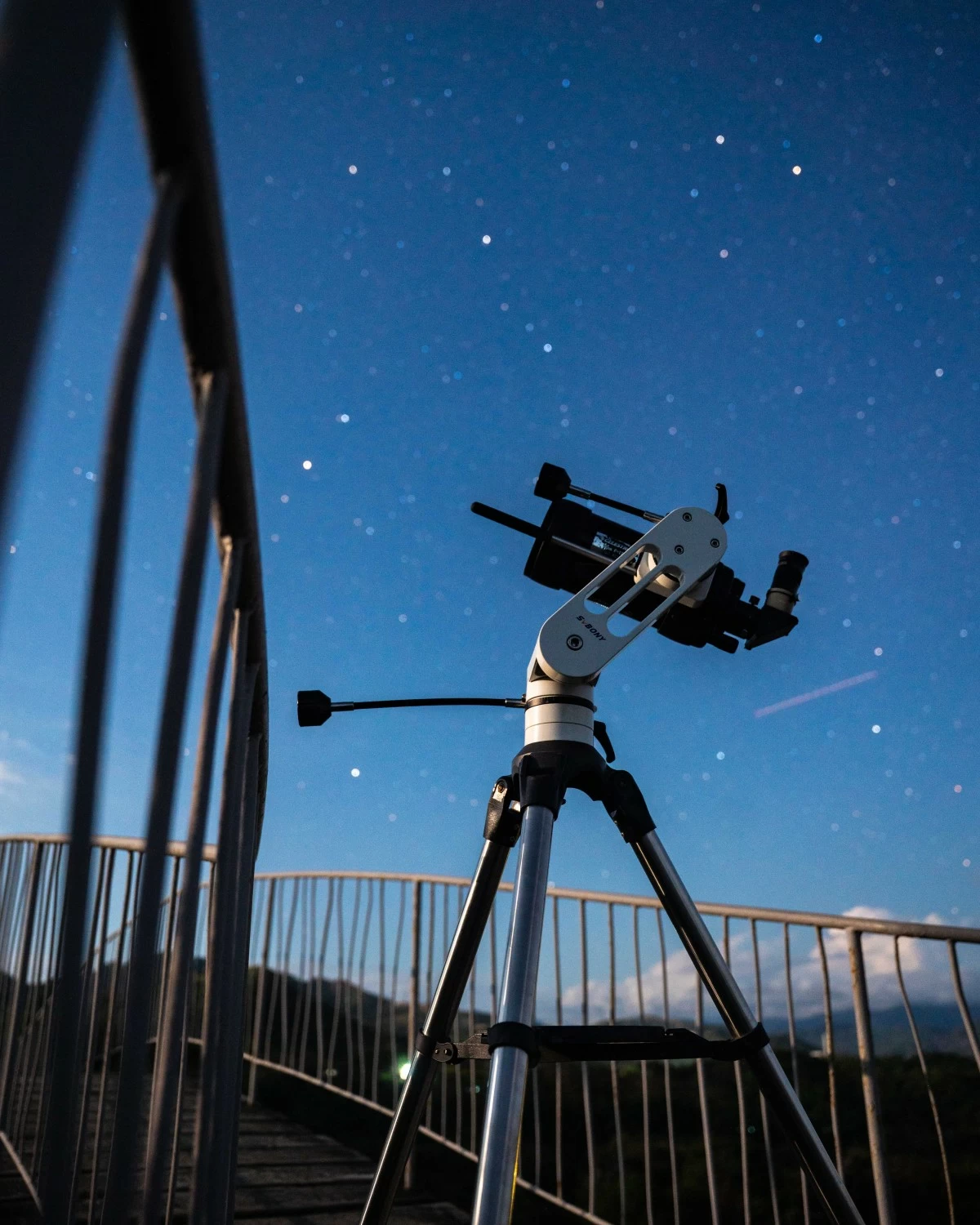
Stargazers learn about the night sky from astronomy experts.
(Image by Renz Perez/MGFI)
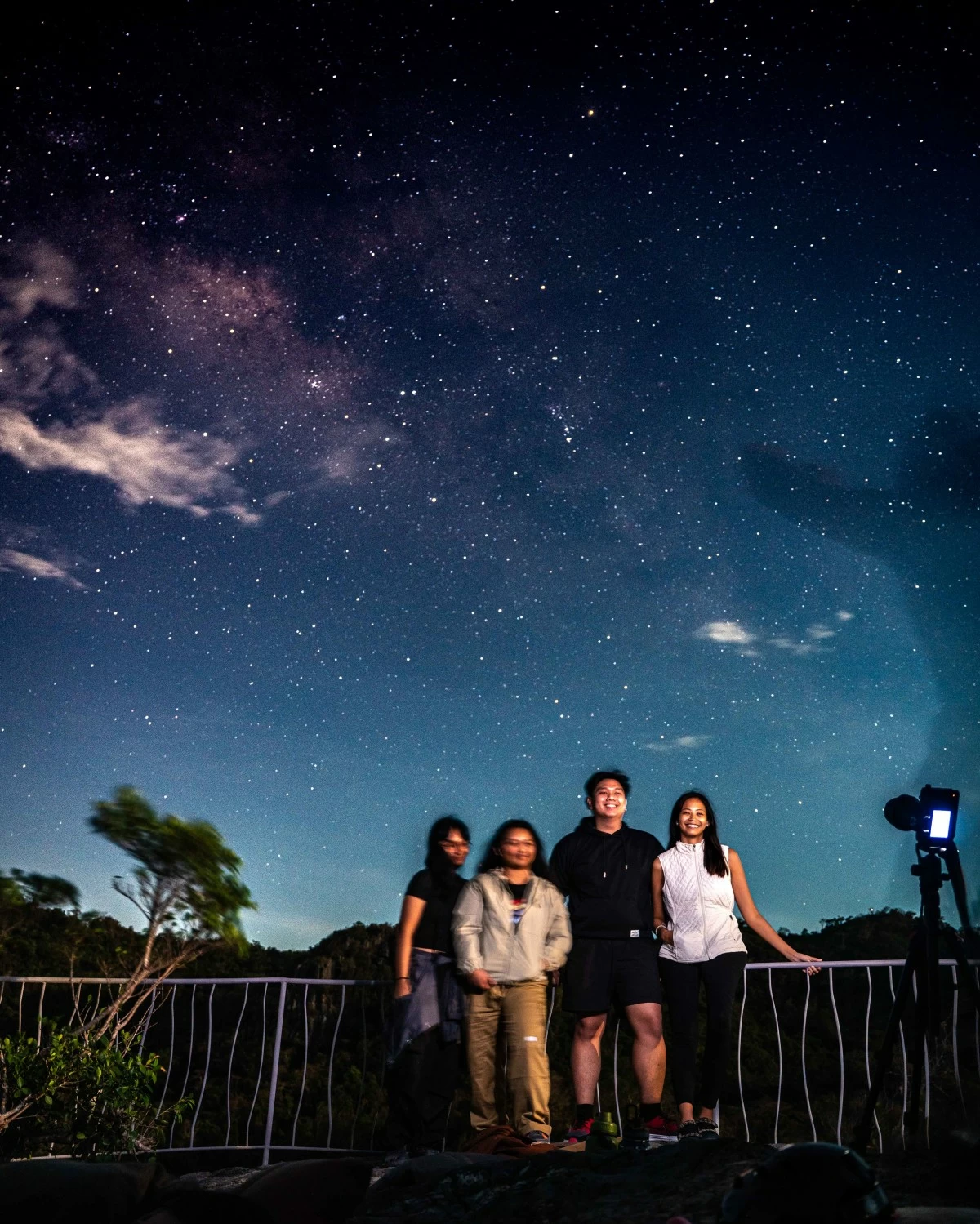
Stargazers learn about the night sky from astronomy experts. (Image by Renz Perez/MGFI)
Stargazers learn about the night sky from astronomy experts.
(Image by Renz Perez/MGFI)
Stargazers learn about the night sky from astronomy experts. (Image by Renz Perez/MGFI)
The Rise of Noctourism
This yearning now has a name: noctourism — travel centered on after-dark experiences. According to a Booking.com survey of 27,000 travelers across 33 countries, nearly two in three respondents (62 percent) said they were considering holidays built around nighttime activities such as stargazing and constellation tracking. Luxury tour operator Wayfairer Travel reported nocturnal excursions increased by 25 percent in 2024, with millennial demand rising by as much as 40 percent. Countries from Norway to New Zealand are capitalizing on darkness through aurora safaris, glass igloos, night markets, and newly designated dark sky sanctuaries.
Timing travels around the night sky is not just smart tourism amid a climate crisis. For many, it is becoming a health decision.
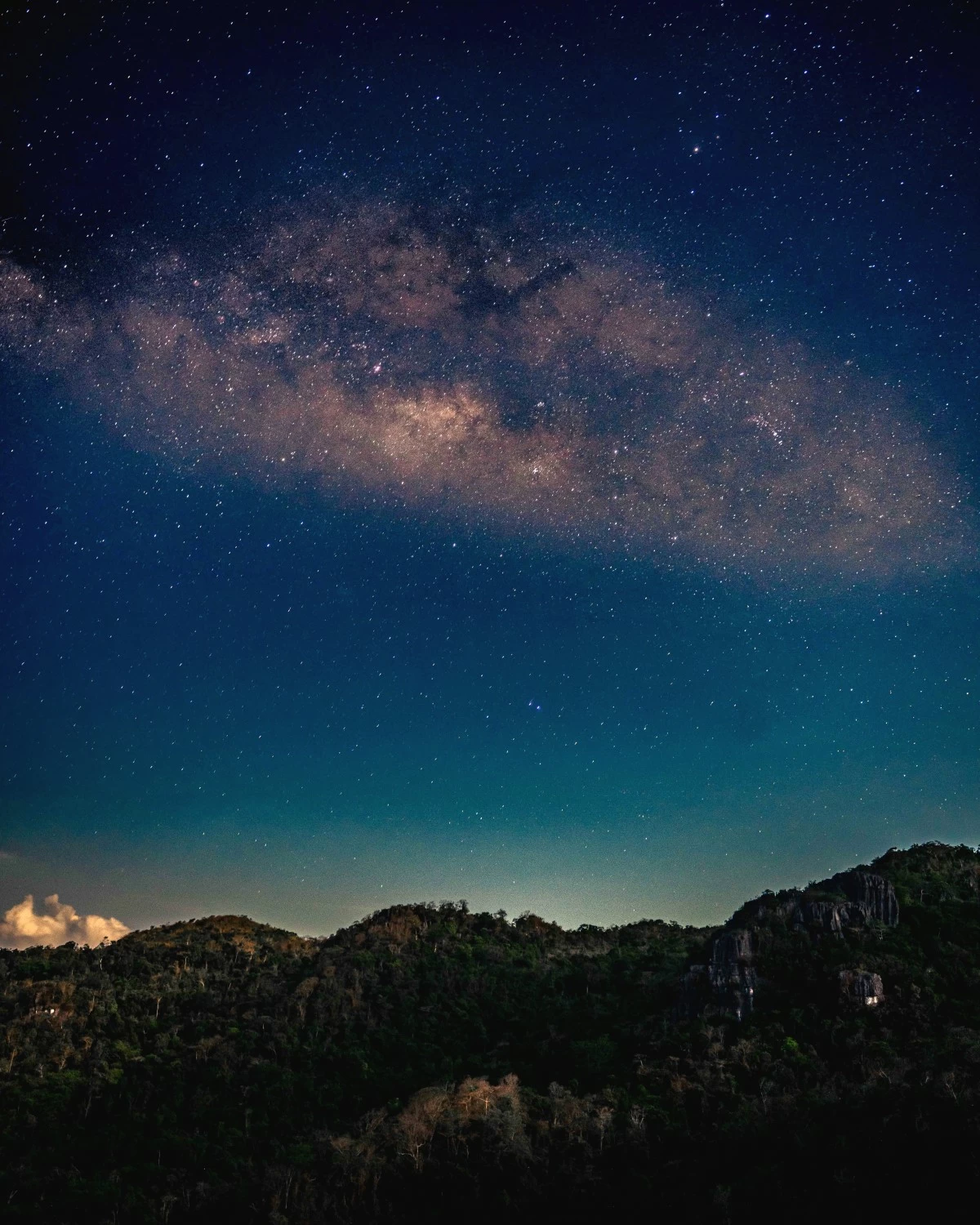
Dark skies require protection from light pollution.
(Image by Renz Perez/MGFI)
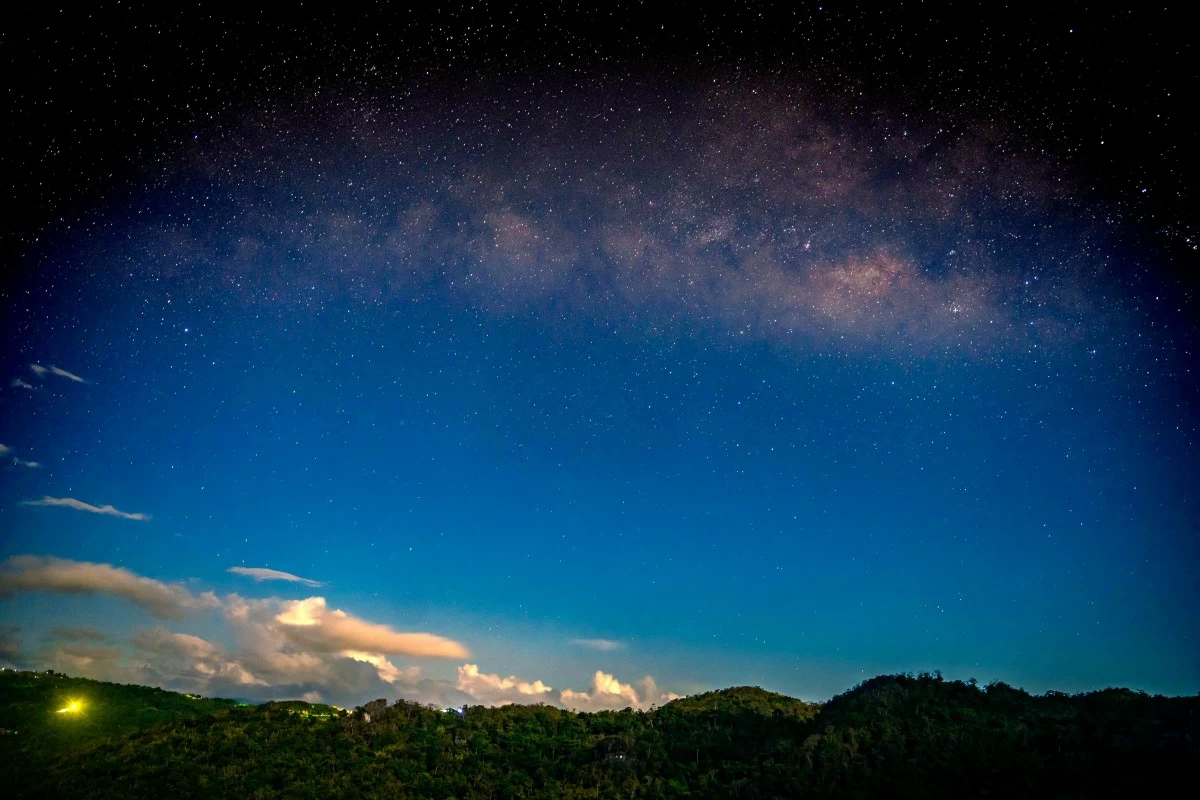
Dark skies require protection from light pollution. (Image by Renz Perez/MGFI)
Dark skies require protection from light pollution.
(Image by Renz Perez/MGFI)
Dark skies require protection from light pollution. (Image by Renz Perez/MGFI)
Dark skies require protection from light pollution.
(Image by Renz Perez/MGFI)
Dark skies require protection from light pollution. (Image by Renz Perez/MGFI)
Astronomy for Sustainable Development
The International Astronomical Union's Office of Astronomy for Development (OAD) holds a clear philosophy: astronomy for development is about people, not stars. Since 2013, the OAD has funded more than 200 projects in 112 countries, touching at least 13 of the 17 United Nations Sustainable Development Goals by using the wonder of astronomy to promote education, mental health, and environmental stewardship.
Research from Stellenbosch University, conducted with the OAD, found that within 24 hours of a stargazing session, participants reported reduced anxiety and improved mood. "The cosmic element—the vastness, the awe—creates a shift that's distinct," said project lead Prof. Lynn Hendricks. "It doesn't just calm people; it changes how they think about their place in the world."
Growing global evidence supports this finding: awe-filled experiences activate brain regions tied to emotional regulation, reduce cortisol levels, and restore a sense of calm. The night sky, the research team believes, offers a uniquely powerful version of this effect.
The OAD points to two reasons for this. First, the night sky exemplifies what psychologists call "soft fascination"—an effortless, restorative attention that replenishes mental clarity without demanding effort. Second, the OAD is deliberately harnessing what NASA astronauts describe as the “Overview Effect,” a profound cognitive shift triggered by seeing Earth against the cosmos. By guiding ordinary people to gaze at the same universe, the OAD hopes to replicate that shift by eliciting tranquility, gratitude, and a shared sense of humanity. For communities facing climate anxiety and social stress, a clear night sky may be more than beautiful. It may be therapeutic.
Astronomy also teaches people to see what is being lost. Light pollution—the excessive and misdirected use of artificial light at night—disrupts the entire web of life that evolved under natural darkness. Nocturnal insects, frogs, migratory birds, fireflies, and bats all suffer measurable harm. In the Philippines, UP Diliman has documented how even distant urban light spill disrupts the sleep cycles, reproduction, and hunting behaviors of local nocturnal species.
Celestial Nights Returns
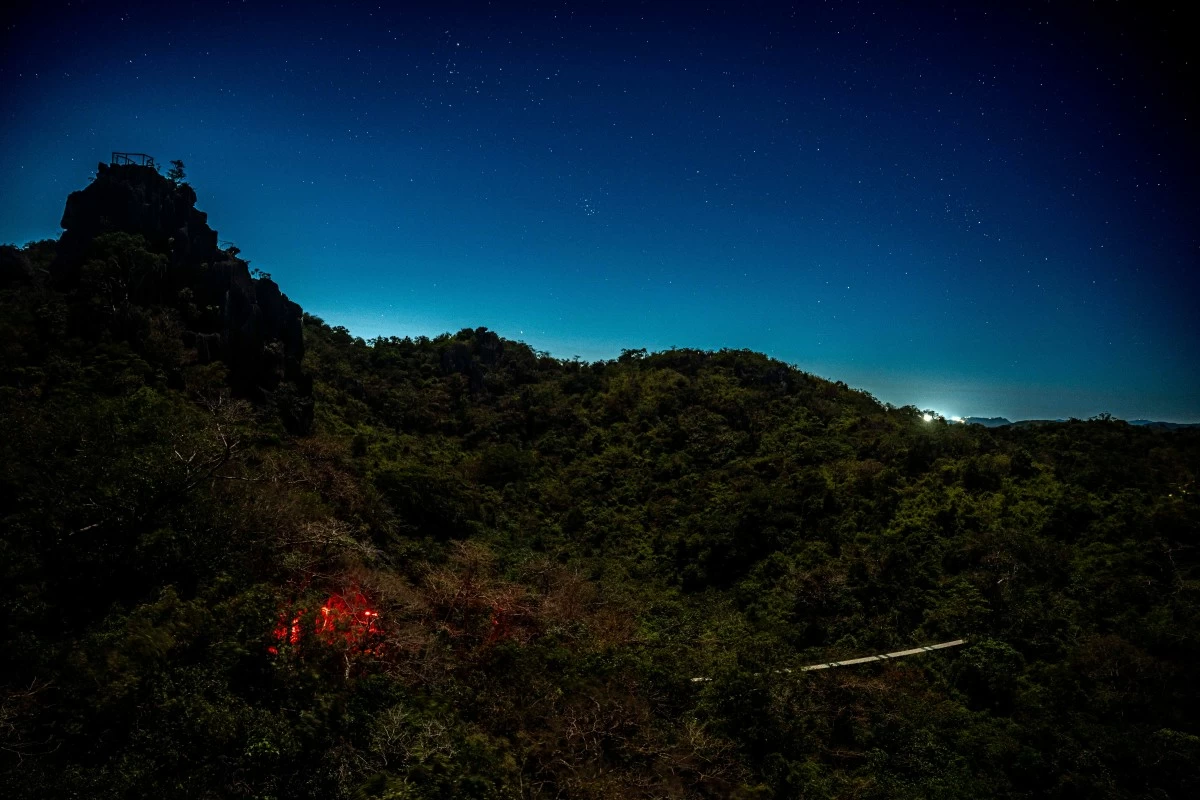
Masungi Georeserve in Baras, Rizal, brought these lessons to life through Celestial Nights, a partnership with the Philippine Astronomical Society that ran from December 2025 until the third week of May 2026. Guests trekked by red light to limestone peaks, shared hot chocolate and bibingka under the stars, and listened to experts narrate the cosmos.
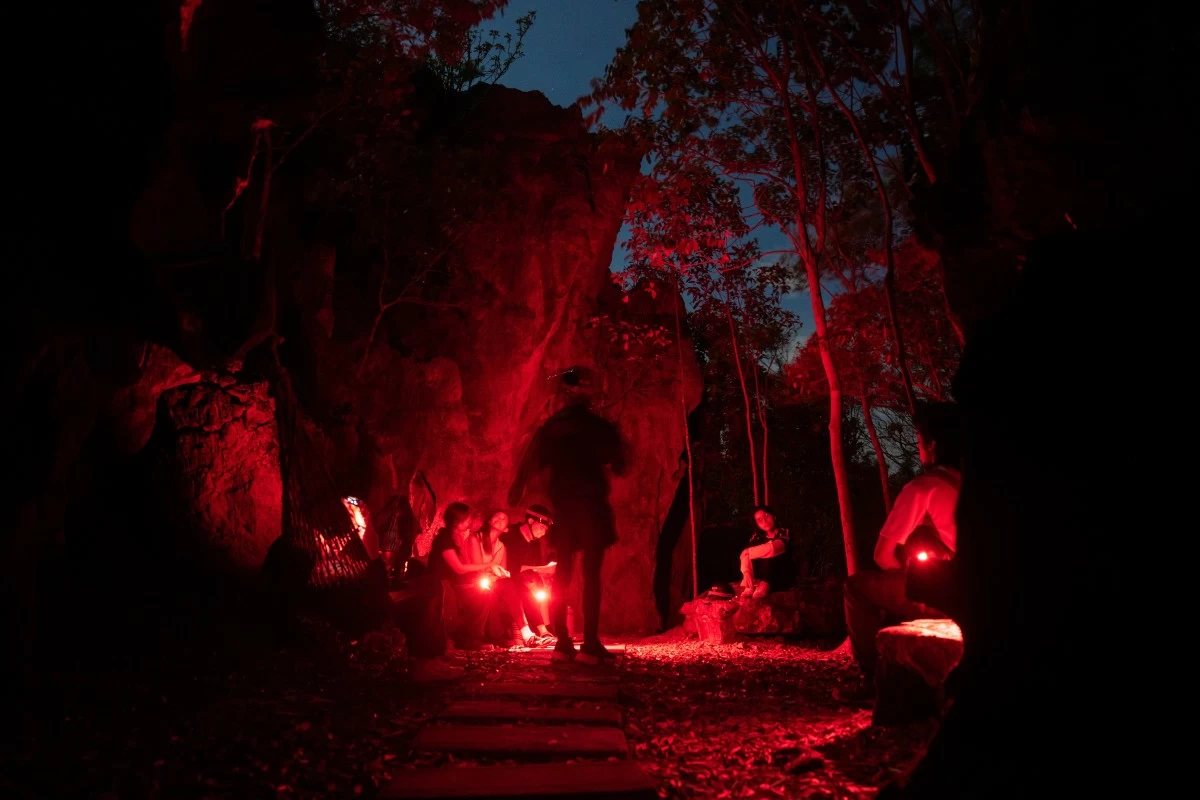
Red light is used to explore the forest in the dark. 
(Image by Renz Perez/MGFI)
Red light is used to explore the forest in the dark. (Image by Renz Perez/MGFI)
But from those peaks, something troubling is visible: construction lights and industrial activity are encroaching on once-dark horizons, threatening both the skies and the wildlife that depend on them.
Celestial Nights returns this December, hoping to inspire not only future stargazers but also future guardians of the country’s remaining wild spaces.

Related Tags

Office of Astronomy for Development (OAD) Masungi Georeserve Noctourism
ADVERTISEMENT
.most-popular .layout-ratio{ padding-bottom: 79.13%; } @media (min-width: 768px) and (max-width: 1024px) { .widget-title { font-size: 15px !important; } }

{{ articles_filter_1561_widget.title }}

.most-popular .layout-ratio{ padding-bottom: 79.13%; } @media (min-width: 768px) and (max-width: 1024px) { .widget-title { font-size: 15px !important; } }

{{ articles_filter_1562_widget.title }}

.most-popular .layout-ratio{ padding-bottom: 79.13%; } @media (min-width: 768px) and (max-width: 1024px) { .widget-title { font-size: 15px !important; } }

{{ articles_filter_1563_widget.title }}

{{ articles_filter_1564_widget.title }}

.mb-article-details { position: relative; } .mb-article-details .article-body-preview, .mb-article-details .article-body-summary{ font-size: 17px; line-height: 30px; font-family: "Libre Caslon Text", serif; color: #000; } .mb-article-details .article-body-preview iframe , .mb-article-details .article-body-summary iframe{ width: 100%; margin: auto; } .read-more-background { background: linear-gradient(180deg, color(display-p3 1.000 1.000 1.000 / 0) 13.75%, color(display-p3 1.000 1.000 1.000 / 0.8) 30.79%, color(display-p3 1.000 1.000 1.000) 72.5%); position: absolute; height: 200px; width: 100%; bottom: 0; display: flex; justify-content: center; align-items: center; padding: 0; } .read-more-background a{ color: #000; } .read-more-btn { padding: 17px 45px; font-family: Inter; font-weight: 700; font-size: 18px; line-height: 16px; text-align: center; vertical-align: middle; border: 1px solid black; background-color: white; } .hidden { display: none; }
function initializeAllSwipers() { // Get all hidden inputs with cms_article_id document.querySelectorAll('[id^="cms_article_id_"]').forEach(function (input) { const cmsArticleId = input.value; const articleSelector = '#article-' + cmsArticleId + ' .body_images'; const swiperElement = document.querySelector(articleSelector); if (swiperElement && !swiperElement.classList.contains('swiper-initialized')) { new Swiper(articleSelector, { loop: true, pagination: false, navigation: { nextEl: '#article-' + cmsArticleId + ' .swiper-button-next', prevEl: '#article-' + cmsArticleId + ' .swiper-button-prev', }, }); } }); } setTimeout(initializeAllSwipers, 3000); const intersectionObserver = new IntersectionObserver( (entries) => { entries.forEach((entry) => { if (entry.isIntersecting) { const newUrl = entry.target.getAttribute("data-url"); if (newUrl) { history.pushState(null, null, newUrl); let article = entry.target; // Extract metadata const author = article.querySelector('.author-section').textContent.replace('By', '').trim(); const section = article.querySelector('.section-info ').textContent.replace(' ', ' '); const title = article.querySelector('.article-title h1').textContent; // Parse URL for Chartbeat path format const parsedUrl = new URL(newUrl, window.location.origin); const cleanUrl = parsedUrl.host + parsedUrl.pathname; // Update Chartbeat configuration if (typeof window._sf_async_config !== 'undefined') { window._sf_async_config.path = cleanUrl; window._sf_async_config.sections = section; window._sf_async_config.authors = author; } // Track virtual page view with Chartbeat if (typeof pSUPERFLY !== 'undefined' && typeof pSUPERFLY.virtualPage === 'function') { try { pSUPERFLY.virtualPage({ path: cleanUrl, title: title, sections: section, authors: author }); } catch (error) { console.error('ping error', error); } } // Optional: Update document title if (title && title !== document.title) { document.title = title; } } } }); }, { threshold: 0.1 } ); function showArticleBody(button) { const article = button.closest("article"); const summary = article.querySelector(".article-body-summary"); const body = article.querySelector(".article-body-preview"); const readMoreSection = article.querySelector(".read-more-background"); // Hide summary and read-more section summary.style.display = "none"; readMoreSection.style.display = "none"; // Show the full article body body.classList.remove("hidden"); } document.addEventListener("DOMContentLoaded", () => { let loadCount = 0; // Track how many times articles are loaded const offset = [1, 2, 3, 4, 5, 6, 7, 8, 9, 10]; // Offset values const currentUrl = window.location.pathname.substring(1); let isLoading = false; // Prevent multiple calls if (!currentUrl) { console.log("Current URL is invalid."); return; } const sentinel = document.getElementById("load-more-sentinel"); if (!sentinel) { console.log("Sentinel element not found."); return; } function isSentinelVisible() { const rect = sentinel.getBoundingClientRect(); return ( rect.top < window.innerHeight && rect.bottom >= 0 ); } function onScroll() { if (isLoading) return; if (isSentinelVisible()) { if (loadCount >= offset.length) { console.log("Maximum load attempts reached."); window.removeEventListener("scroll", onScroll); return; } isLoading = true; const currentOffset = offset[loadCount]; window.loadMoreItems().then(() => { let article = document.querySelector('#widget_1690 > div:nth-last-of-type(2) article'); intersectionObserver.observe(article) loadCount++; }).catch(error => { console.error("Error loading more items:", error); }).finally(() => { isLoading = false; }); } } window.addEventListener("scroll", onScroll); });

Sign up by email to receive news.