






Manila Bulletin
 Lifestyle
Fashion and Beauty
How Clinique de Paris is turning Manila into a global hair restoration destination
Lifestyle
Fashion and Beauty
How Clinique de Paris is turning Manila into a global hair restoration destination
Lifestyle
Fashion and Beauty
How Clinique de Paris is turning Manila into a global hair restoration destination
How Clinique de Paris is turning Manila into a global hair restoration destination
Clinique de Paris opens its doors for an exclusive look inside its flagship clinic, ranked No. 3 among DHI clinics worldwide
Published May 22, 2026 04:18 am


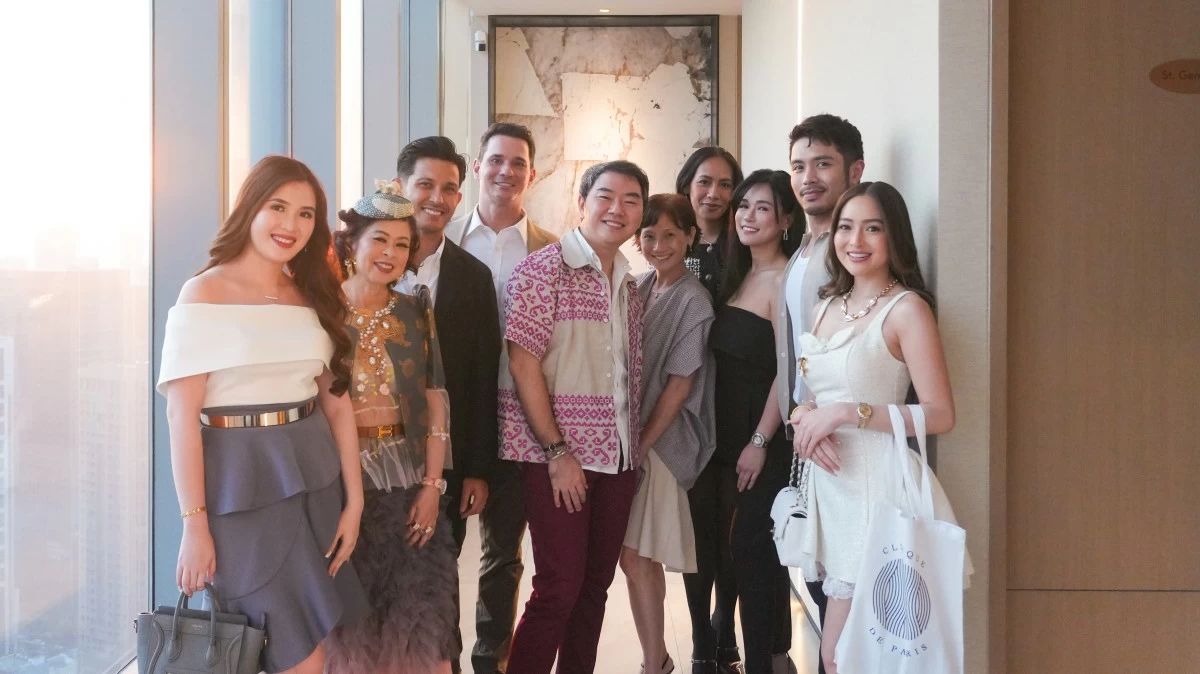
Clinique de Paris' “Art of Restoration” event
As part of its celebration of more than a decade of combining French technology with Filipino medical expertise in hair restoration and aesthetics, Clinique de Paris hosted an exclusive event titled “Art of Restoration” at its flagship clinic in the penthouse of Alveo Financial Tower.
The event highlighted the clinic’s continued commitment to delivering world-class hair restoration and aesthetic solutions in the Philippines. It also showcased how Clinique de Paris has established itself as a global benchmark by integrating advanced European technology, internationally recognised clinical protocols, and the precision and warmth of Filipino medical professionals.
Clinique de Paris, the Philippines’ sole DHI-certified hair restoration centre and currently ranked #3 globally among 75 certified clinics worldwide, welcomed media, lifestyle personalities, and industry figures for an afternoon that blended scientific rigour with Filipino hospitality.
Building a global standard in Manila
The event began with welcoming remarks from Ludovic Branellec, Founder and Managing Director of Clinique de Paris, who recounted the personal story behind the clinic and the vision that continues to shape its expansion. With Co-owner and Medical Director Dr. Rafael Fortus, the clinic was established on the clear belief that Filipinos should not need to travel abroad to access world-class medical care. Instead, the Philippines itself could become a destination for it.
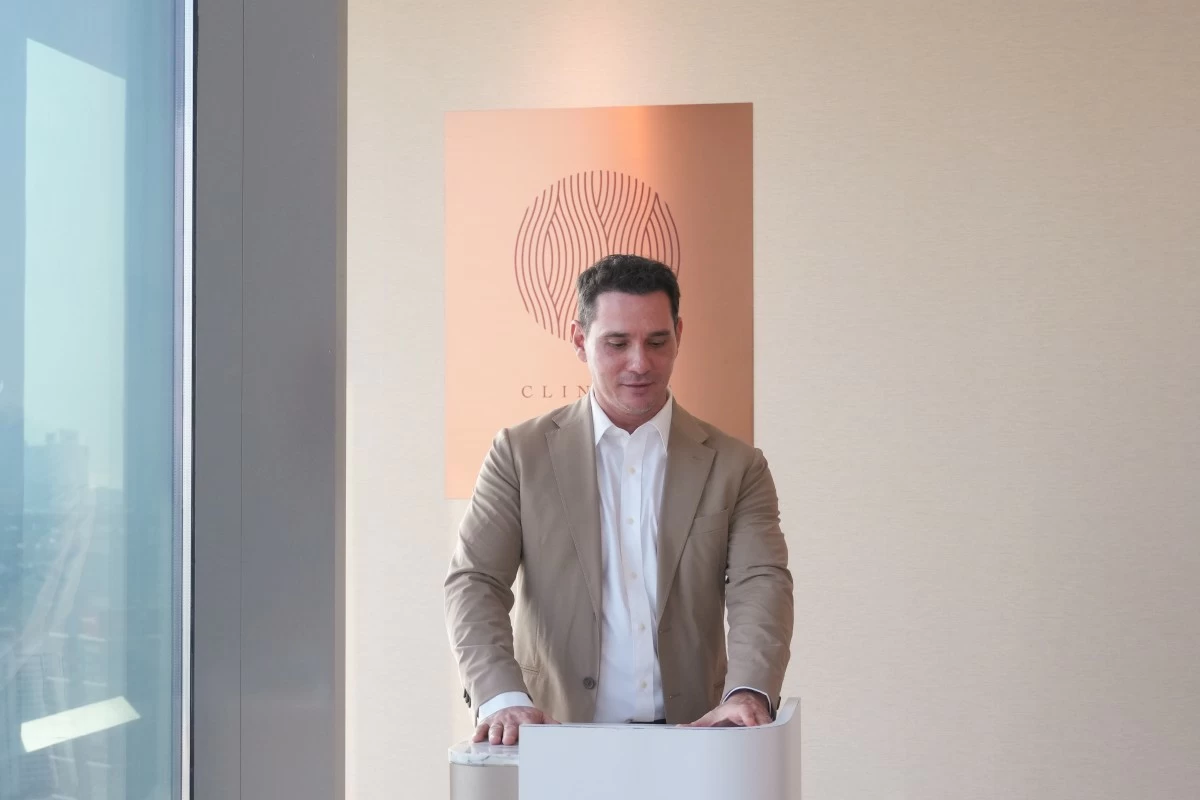
Ludovic Branellec, founder and managing director of Clinique de Paris
“Clinique de Paris was born from a very personal French-Filipino story,” Branellec said. “When my partner, Dr. Rafael Fortus, and I founded Clinique de Paris, we had a clear vision: to create a clinic that didn't ask Filipinos to look abroad for world-class care, but instead brought those international standards here, and made the Philippines itself a destination. We work with French medical technology, follow Australian clinical protocols, and combine that with the precision and warmth that Filipino medical professionals are genuinely exceptional at. The result is a standard of care that holds its own anywhere in the world.”
What began as an ambitious vision has since attracted patients from Singapore, Australia, the Middle East, and other parts of the world. For Branellec, this growing international patient base is more than a milestone—it is evidence that the Philippines can compete on a global stage when advanced technology, rigorous protocols, and exceptional medical talent come together. Carrying the name “Clinique de Paris,” he noted, is not simply a branding decision, but a commitment to uphold the highest standards of care every day.
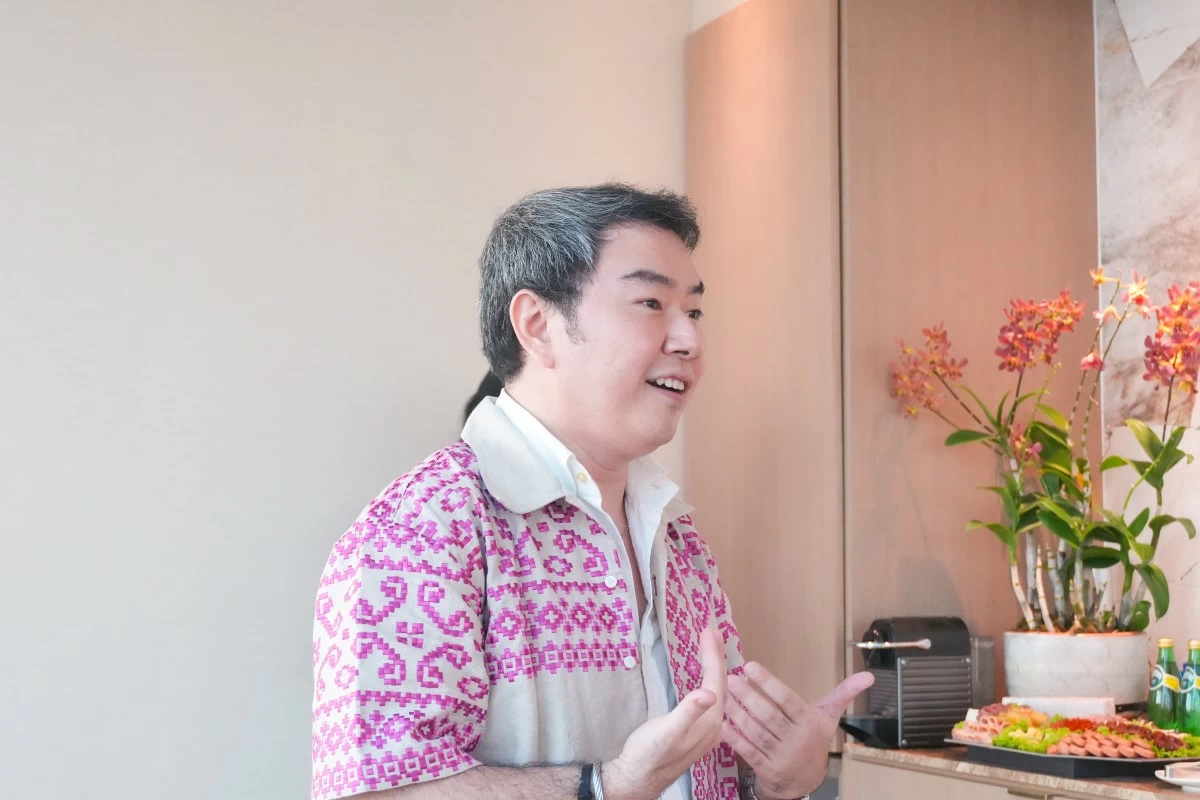
Tedrick Yau
The event was hosted by lifestyle writer and PR strategist Tedrick Yau, whose participation added both professional insight and personal testimony to the program. A two-time DHI transplant patient at Clinique de Paris, Yau has openly shared how the procedure restored not only his hairline but also his confidence. His story set the tone for an event that was as focused on breaking stigma around hair loss as it was on celebrating medical achievement.
The art and science of precision hair restoration
Exploring the cultural and historical significance of hair as a symbol of strength, identity, and self-assurance, from Dr. Fortus’ perspective, he framed hair restoration as a deeply restorative process rather than a purely cosmetic one.
“When we restore a hairline, we aren’t just moving follicles; we are restoring that lost sense of strength and confidence,” he said. “Our goal is to bring back your full potential without changing your identity. We don’t just fix hair—we restore the ‘you’ that is ready to lead, create, and succeed.”
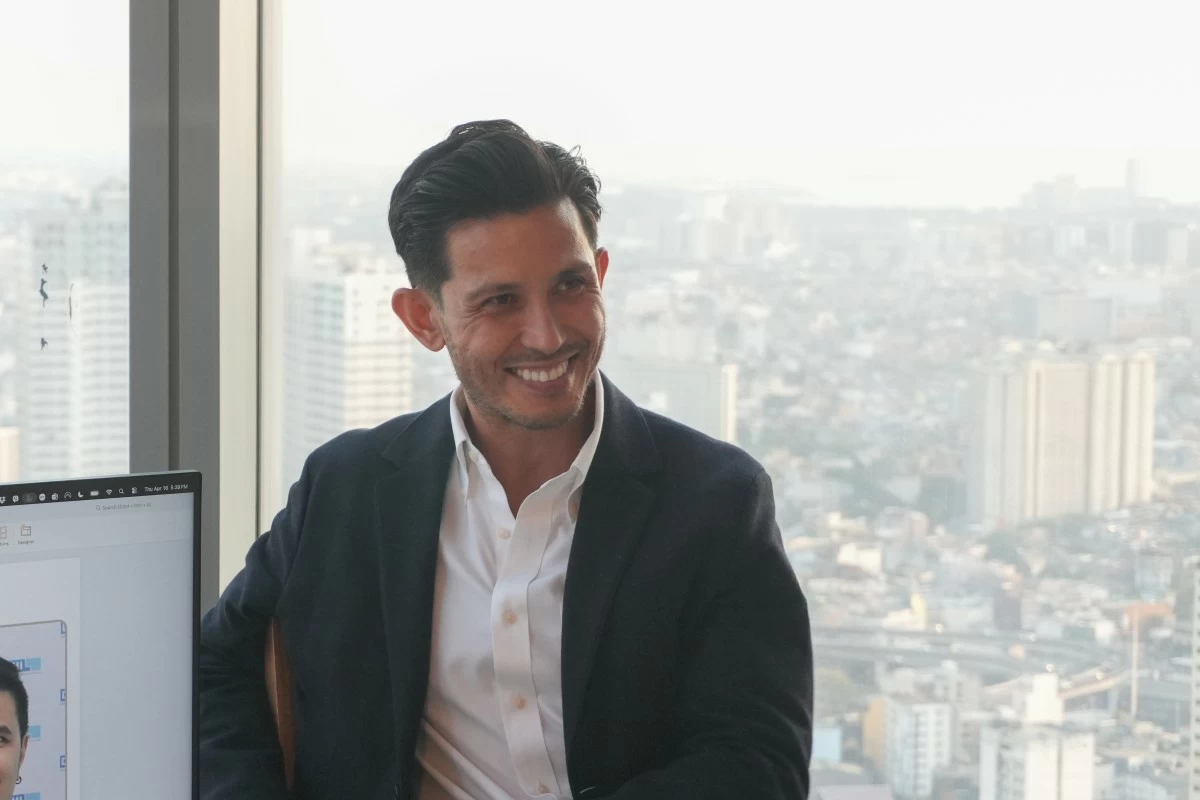
Clinique de Paris co-owner and medical director, Dr. Rafael Fortus
He then introduced the scientific principles that underpin the clinic’s work, describing what he calls a “Tapestry of Precision”—an approach that combines clinical accuracy with artistic design to produce natural-looking results.
“In the world of clinical science, strength is often measured by length and density,” Dr. Fortus explained. “At Clinique de Paris, we use the science and artistry of France and Europe to ensure that every graft is placed with mathematical precision. This ‘Tapestry of Precision’ allows us to restore the hairline so seamlessly that it appears as though it was never gone.”
Following this conceptual introduction, he presented the clinical performance standards that have earned Clinique de Paris international recognition. Of the 75 DHI-certified clinics worldwide, the brand remains the only one in the Philippines and currently holds the third-highest global ranking.
One of the most compelling figures highlighted during the presentation was the clinic’s procedural capacity. While a typical DHI surgeon extracts and implants between 3,000 and 4,000 hairs per session, Clinique de Paris’ Filipino physicians—trained under French-led protocols—are able to perform procedures involving up to 10,000 hairs in a single session without compromising graft survival. This benchmark reflects years of intensive training, technical discipline, and continuous refinement.
Dr. Fortus emphasized that the clinic’s expertise extends far beyond the operating room. Its approach includes early diagnosis, preventive treatment, and long-term maintenance, allowing patients to address hair loss proactively and preserve results over time.
“Our mission isn’t just to transplant; it’s to preserve,” he said. “We catch hair loss early, treat it scientifically, and restore it artistically.”
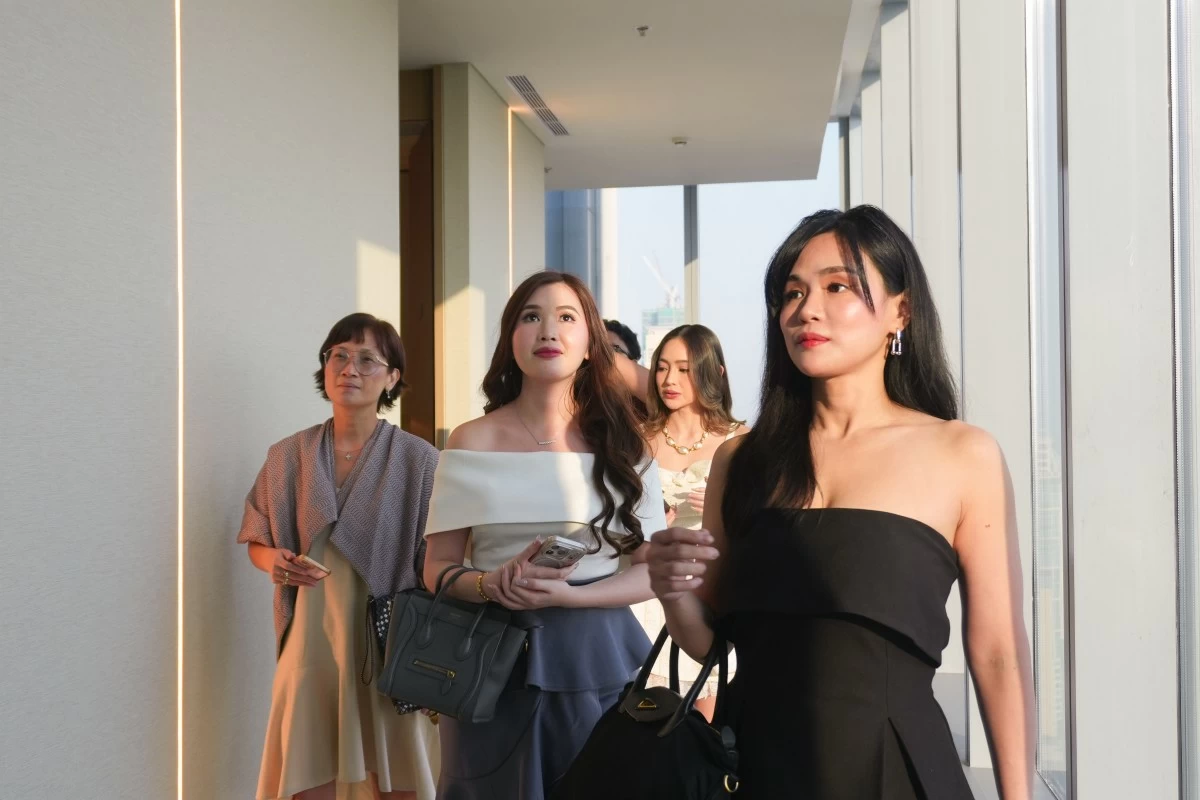
Guests exploring Clinique de Paris
A look inside Manila’s most exclusive hair restoration flagship
As the final highlight of the “Art of Restoration” event, guests were invited on an exclusive tour of the penthouse headquarters of Clinique de Paris at Alveo Financial Tower. Only the second time the clinic has opened its full facility to media and special guests, the experience offered a rare behind-the-scenes look at one of the country’s most advanced destinations for hair restoration.
The tour revealed a thoughtfully designed space where luxury and medical innovation coexist. In the private consultation suites, doctors use facial symmetry analysis and digital mapping to create hairlines tailored to each individual. In the treatment rooms, precision-engineered spaces support the high-volume procedures that have earned the clinic global recognition. Guests also had the opportunity to see the patented DHI micro-implanters that make possible the clinic’s signature no-scalpel, no-stitch, and no-scarring approach.
Set high above the Makati skyline, the penthouse itself reflects the clinic’s philosophy: refined, meticulous, and quietly world-class. Every detail, from the interiors to the technology, is designed to make patients feel both cared for and confident in the process.
As the sun set over the city, one impression lingered: Clinique de Paris is more than a clinic. It is where European innovation meets Filipino excellence, transforming Manila into a destination for those seeking to restore not just their hair, but their confidence as well.
Ready to begin your own restoration journey? Visit Clinique de Paris to learn more about its world-class hair restoration solutions, or book a personalized consultation at its flagship penthouse clinic in Alveo Financial Tower.