







Fuel prices set to jump again next week
Published May 22, 2026 11:35 am
|
Updated May 22, 2026 01:36 pm


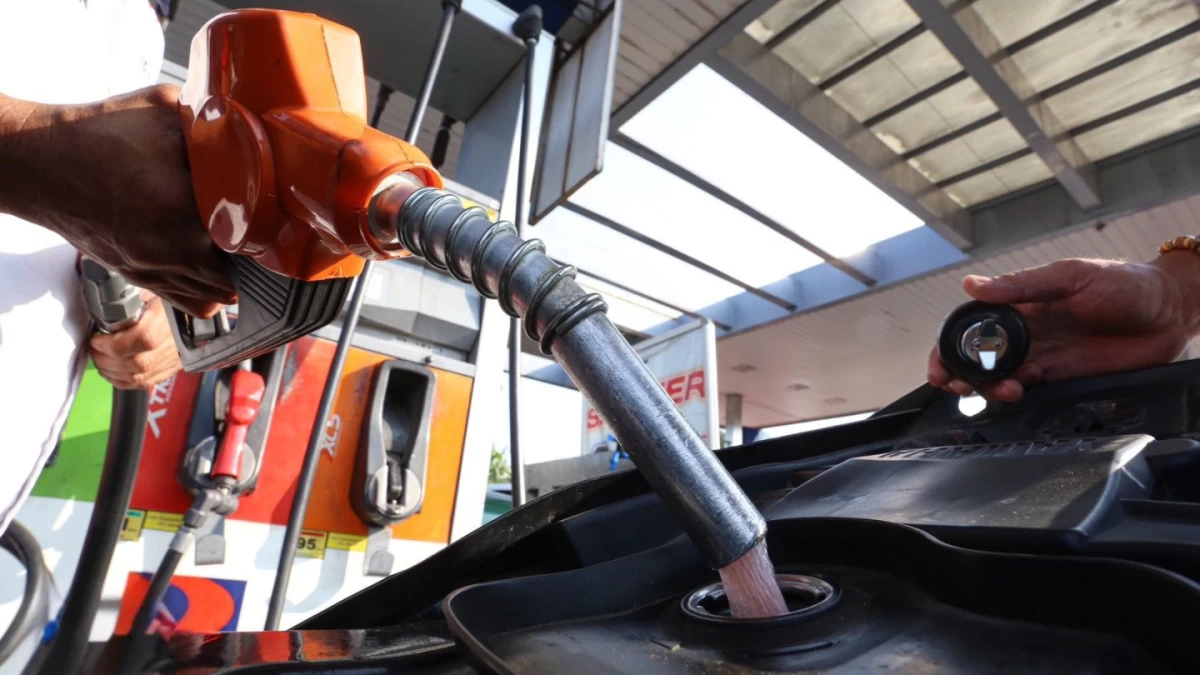
A motorcycle rider refuels at a station in Quezon City on Tuesday, April 21, following a significant rollback in fuel prices. Oil companies implemented a major price cut this week, ₱24.94 per liter decrease for diesel, while gasoline and kerosene prices were slashed by ₱3.41 and ₱2.00, respectively.
(Photo by Santi San Juan I MB)
Motorists face another round of fuel price increases next week, driven by persistent global supply disruptions and accelerating summer demand from the United States (US).
Based on the first four days of trading under the Mean of Platts Singapore benchmark, retail diesel prices are projected to rise by ₱1 to ₱1.3 per liter. Gasoline prices are also expected to increase by ₱1.2 to ₱1.5 per liter.
If realized, the upward adjustment could push gasoline pump prices closer to the ₱100-per-liter threshold in parts of the country, building on last week’s average of approximately ₱92 per liter.
Local oil companies are scheduled to announce the final adjustments on Monday, May 25, with the changes taking effect the following day.
According to an industry expert, regional diesel prices are being supported by higher crude costs as Asian refiners grapple with ongoing feedstock procurement challenges. Concurrently, the global gasoline market remains tight.
Supplies from Asia are increasingly being diverted to other regions to compensate for lower production in Europe and to meet peak summer driving demand in the US.
While international oil markets remain highly volatile, the impending domestic price increases have been somewhat tempered by recent diplomatic efforts. Crude and refined product benchmarks eased late in the week following positive signals that Middle East peace negotiations may be entering their final stages. Market anxiety was further alleviated after a potential US military strike was called off, reversing an earlier spike driven by fears of a major escalation.
Additional factors mitigating the steeper price surge include limited shipping disruptions through the critical Strait of Hormuz and the extension of a sanction waiver on Russian oil exports. Despite these temporary reprieves, energy analysts warn that ongoing geopolitical uncertainties in the Middle East will likely sustain market volatility.
The Department of Energy assured consumers that the country's domestic fuel inventories remain stable, with approximately 46 days of overall available oil supply.
The agency noted that this volume represents a comfortable buffer, and the government has no immediate plans to arrange emergency procurements.