







Beyond the pitch: How Lenovo is powering the future of FIFA World Cup 2026
Published May 22, 2026 01:16 pm



The world is preparing for what could become the biggest and most technologically advanced FIFA World Cup in history.
But beyond the goals, rivalries, roaring stadiums, and billions expected to tune in globally, another force is quietly reshaping the game behind the scenes: artificial intelligence.
Global technology giant Lenovo has officially stepped into football’s biggest stage as FIFA’s Official Technology Partner for the FIFA World Cup 2026™ and FIFA Women’s World Cup 2027™: a collaboration that signals how modern sports are becoming increasingly powered by data, connectivity, and immersive digital experiences.
Having had the opportunity to observe major sporting events and international competitions through the years, one thing becomes increasingly clear: the future of sports no longer relies on athletic performance alone. Technology now plays an equally pivotal role in how tournaments are organized, experienced, consumed, and remembered. That is precisely what makes the Lenovo and FIFA partnership particularly significant.
The FIFA World Cup 2026™ itself already represents a historic turning point for football.
For the first time, the tournament will feature 48 national teams across Canada, Mexico, and the United States, making it the largest FIFA World Cup ever staged. But while fans will witness the expanded tournament on the pitch, Lenovo’s role will largely shape what happens behind it.
According to Lenovo’s official case study and announcements, the company will provide FIFA with AI-powered infrastructure, smart devices, servers, tablets, Motorola smartphones, and intelligent operational systems designed to support tournament logistics, broadcasts, analytics, officiating technologies, and fan engagement.
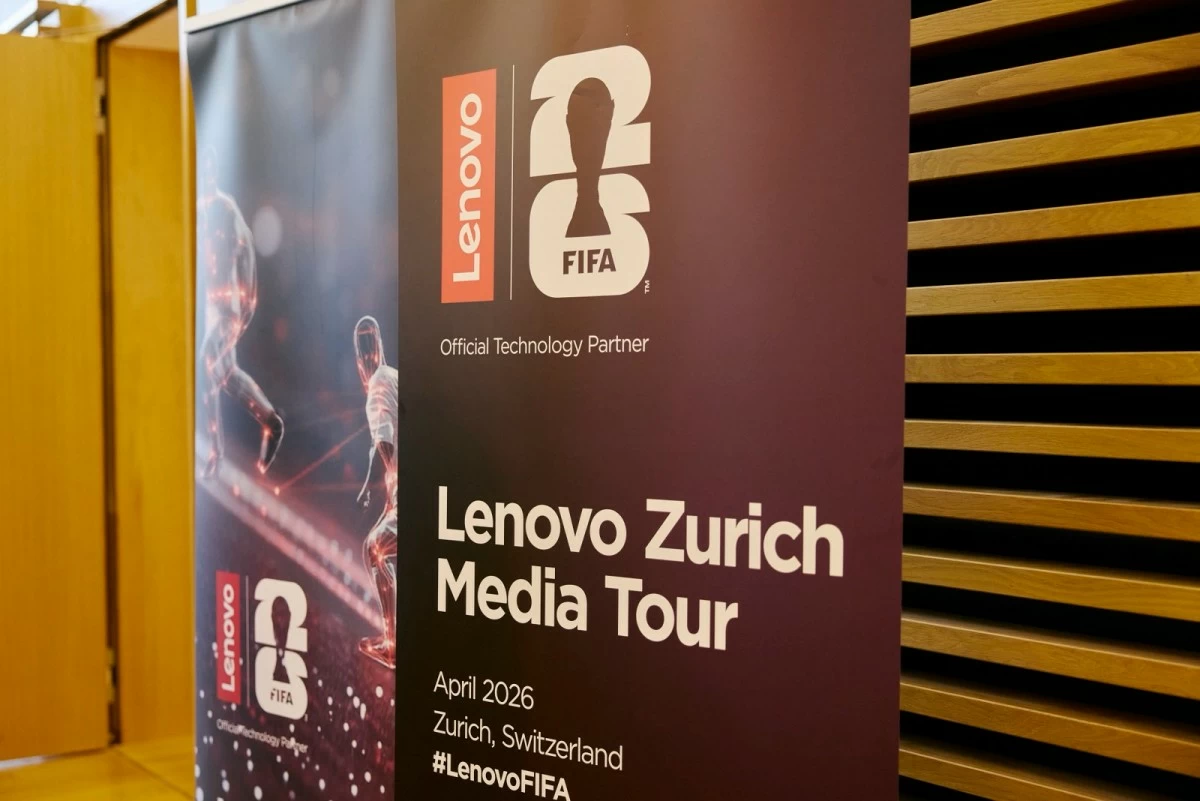
In many ways, the partnership reflects how elite sporting events are rapidly evolving into sophisticated digital ecosystems.
Today’s global tournaments are no longer powered solely by stadium operations and broadcasting teams. They now depend heavily on artificial intelligence, real-time analytics, cloud computing, digital asset management, and high-speed connectivity capable of operating seamlessly across multiple countries and venues simultaneously.
One of the most ambitious innovations expected at the FIFA World Cup 2026™ is “Football AI Pro” — a generative AI-powered platform developed to support all 48 participating nations with tactical analysis and performance insights.
The platform reportedly analyzes massive amounts of match data and allows teams to generate insights using natural language prompts, almost like interacting with a football-focused AI assistant.
What makes this particularly compelling is its potential to democratize access to elite football analytics.
Historically, only football powerhouses with enormous budgets had access to advanced data and tactical infrastructures. AI tools like Football AI Pro could potentially narrow that gap by giving smaller nations and developing football programs access to sophisticated match intelligence previously available only to elite federations.
Lenovo is also introducing AI-enabled 3D player avatars that could transform how VAR decisions are visualized during broadcasts. Ahead of the tournament, players will reportedly undergo advanced body scans to generate highly accurate digital models used for semi-automated offside technology and replay systems.
The innovation aims to make controversial officiating decisions easier for fans to understand while improving the precision of player tracking systems.
Another planned feature is the enhanced “Referee View,” which uses AI-powered image stabilization technology to provide viewers with immersive perspectives directly from officials during live matches.
For audiences, this signals a broader shift in how football will be consumed moving forward.
Younger fans today experience sports differently from previous generations. They seek instant highlights, interactive storytelling, behind-the-scenes access, vertical content, and more immersive digital engagement. Smartphones and digital platforms are no longer secondary tools during sporting events. For many fans, they are now the primary gateway to the game itself.
That changing behavior explains why FIFA’s partnership with Lenovo extends beyond operational support.
The collaboration also centers heavily on fan experience.
Lenovo’s AI-driven technologies are expected to enhance global broadcasts, improve real-time content delivery, personalize viewing experiences, and help create more interactive engagement for audiences both inside stadiums and across digital platforms worldwide.
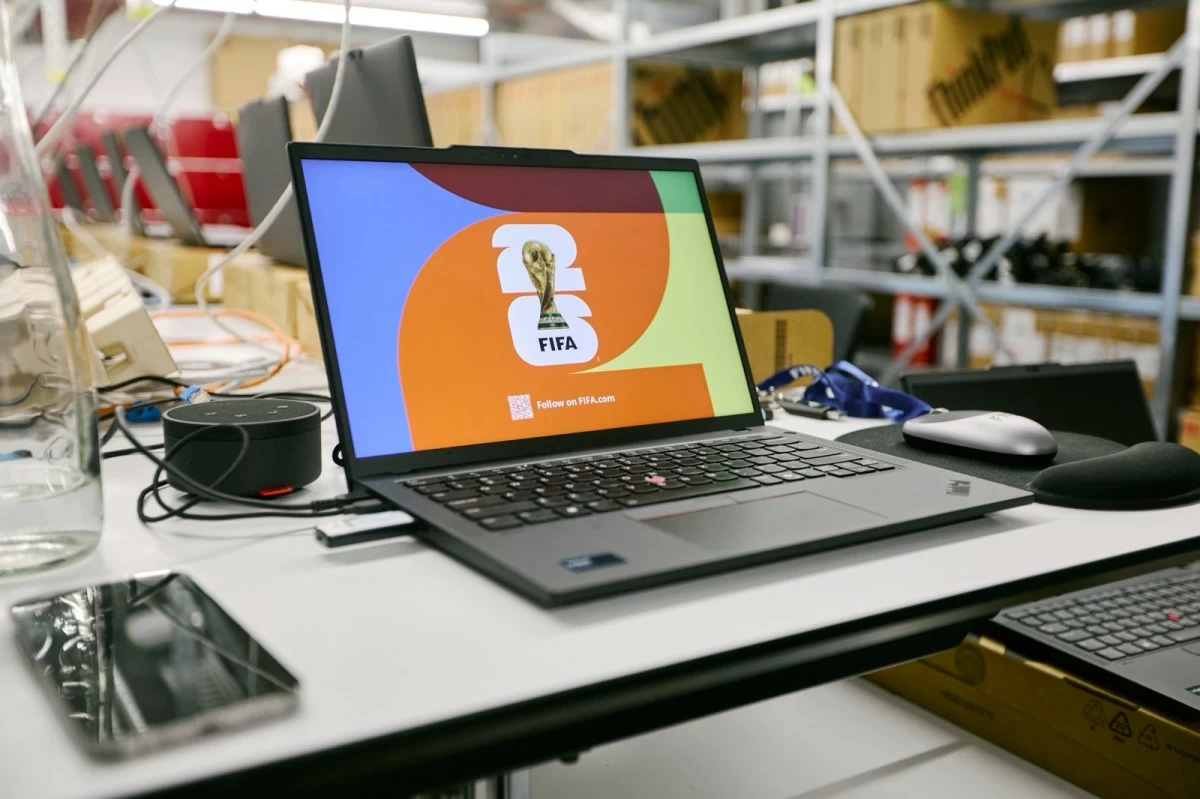
FIFA President Gianni Infantino previously emphasized that data and technology will help the organization better understand supporters and create “unparalleled and unforgettable fan experiences” during the upcoming tournaments.
Meanwhile, Lenovo Chairman and CEO Yuanqing Yang described the collaboration as an opportunity to “empower the sport” through AI innovation.
The scale of the undertaking is equally staggering.
Reports suggest that more than 30,000 devices may be deployed across multiple host nations during the tournament — forming one of the most complex technological infrastructures ever assembled for a sporting event.
Yet beyond the hardware and AI systems, the partnership ultimately reflects something much larger.
Football has always been considered the world’s game because of its ability to connect people across cultures, languages, and borders. But in today’s digital era, connection is no longer measured solely through stadium attendance or television ratings. It is now defined by how seamlessly billions of fans can experience the same moment in real time — whether through mobile devices, streaming platforms, social media, or AI-enhanced broadcasts.
That is where Lenovo’s role becomes particularly relevant.
The company is no longer positioning itself merely as a device manufacturer. Increasingly, it is presenting itself as a technology ecosystem builder capable of powering global experiences at scale.
And perhaps that is what makes this partnership compelling.
Because while football will always revolve around what happens on the pitch, tournaments of this magnitude are increasingly shaped by it too — through innovation, connectivity, storytelling, and the ability to bring the world closer to the game.
For Lenovo, the FIFA World Cup 2026™ offers a global stage to demonstrate what AI-powered technology can truly look like in action.
For FIFA, it marks another step toward modernizing football for a new generation.
And for fans worldwide, it signals that the future of football may not only be faster and smarter but far more immersive than ever before.