

ADVERTISEMENT

Road safety awareness for children program takes off

Published May 21, 2026 12:03 am  |  Updated May 20, 2026 04:37 pm
DRIVING THOUGHTS
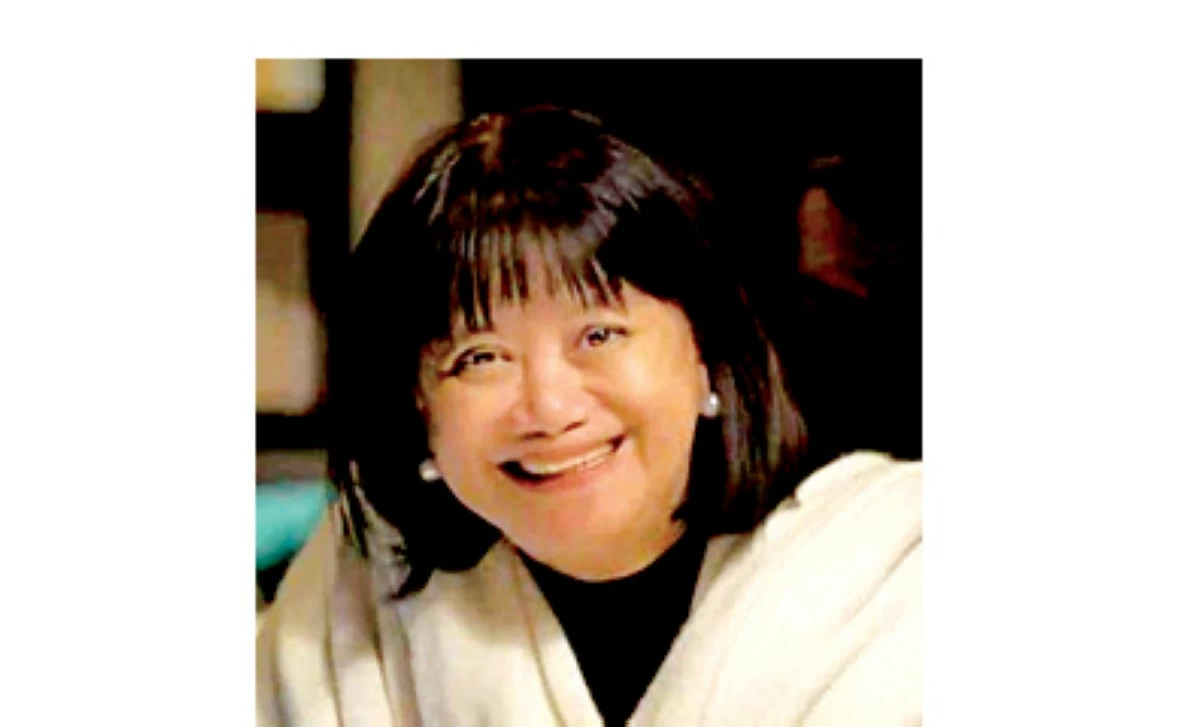
In 2004, the Society of Philippine Motoring Journalists (SPMJ) embarked on an ambitious project — to educate children on the value of road safety awareness. Even with a limited budget and volunteer status, Butch Gamboa, then president of SPMJ, led the group in pursuing the project.
That effort gave birth to the “Early Warning” teaching module, developed by the UP National Center for Transportation Studies Foundation Inc. The module was designed to introduce children to the basics of road safety and responsible behavior on the streets.
Two teaching modules were completed — one for Grade 6 students and another for high school seniors. Training sessions were conducted to become a lesson plan for teachers. The modules were distributed to participating schools in workshops held by SPMJ, with special seminars conducted by project volunteers.
Several vehicle manufacturers supported the project by funding workshops for teachers in public schools located near their dealerships.
Yesterday, 22 years after the SPMJ initiative, a road safety forum featuring module-based lectures was held at the training center of the Pedro Guevara Memorial National High School in Santa Cruz, Laguna.
The event, organized by the Chamber of Automotive Manufacturers of the Philippines, Inc. (CAMPI), with support from the Department of Transportation (DOTr), and local government units, highlighted the continuing need to promote road safety education among Filipino children. CAMPI is led by Jose Maria Atienza.
According to the World Health Organization, road traffic injuries remain one of the leading causes of death worldwide among children and young adults aged five to 29. The WHO also emphasizes that “vulnerable road users” — pedestrians, cyclists, motorcyclists, and commuters who are most exposed on roads — account for more than half of all global road traffic deaths.
In countries like the Philippines, where motorcycles dominate many roads and sidewalks are often inadequate or unsafe, children are among the most vulnerable road users. They walk to school, cross busy highways, ride motorcycles with adults, or wait beside congested roads with little protection.
The WHO stresses that road safety is not only about enforcing traffic laws but also about creating safer systems: lower speed limits near schools, protected pedestrian crossings, bicycle lanes, proper lighting, visible traffic signs, and safer public transportation.
This is why programs such as the SPMJ initiative remain relevant today. Road safety awareness should begin early. Children who understand traffic rules and safe behavior become more alert pedestrians, future drivers, and responsible commuters.
I was part of the SPMJ program decades ago, and I am proud to have been invited by CAMPI to join their recent project. With me as trainers yesterday were Johannes Chua and Lawrence Dy, both advocates of road safety. Both have experienced thousands of kilometers of road travel and have gathered much information on safe and unsafe road behavior on local roads. Their experience and commitment underscored how education remains one of the strongest tools for preventing road crashes.
The importance of road safety was also confirmed by the presence of the participants — teachers from Sta. Cruz district, led by Public School District Supervisor Dr. Eva Marie Cambe.
The holding of the workshop in Sta. Cruz, Laguna, was made possible by the strong support of Mayor Benjo Agarao, who, like us in SPMJ, believes in the vital role of road safety awareness in children.
Road safety education may not immediately grab headlines the way major infrastructure projects do. Yet its impact can last for generations. A child taught to cross properly, wear a helmet, respect traffic signs, and understand the dangers of reckless driving may one day save not only his or her own life, but the lives of others as well.
The roads belong to everyone — motorists, cyclists, commuters, and especially children, who deserve to travel safely to school and back home. Building that culture of safety begins not only with laws and enforcement, but with education, awareness, and community participation.
And perhaps that is the most important lesson of all: road safety is everybody’s responsibility. (Email: [email protected])

Related Tags

DRIVING THOUGHTS PINKY CONCHA COLMENARES
ADVERTISEMENT
.most-popular .layout-ratio{ padding-bottom: 79.13%; } @media (min-width: 768px) and (max-width: 1024px) { .widget-title { font-size: 15px !important; } }

{{ articles_filter_1561_widget.title }}

.most-popular .layout-ratio{ padding-bottom: 79.13%; } @media (min-width: 768px) and (max-width: 1024px) { .widget-title { font-size: 15px !important; } }

{{ articles_filter_1562_widget.title }}

.most-popular .layout-ratio{ padding-bottom: 79.13%; } @media (min-width: 768px) and (max-width: 1024px) { .widget-title { font-size: 15px !important; } }

{{ articles_filter_1563_widget.title }}

{{ articles_filter_1564_widget.title }}

.mb-article-details { position: relative; } .mb-article-details .article-body-preview, .mb-article-details .article-body-summary{ font-size: 17px; line-height: 30px; font-family: "Libre Caslon Text", serif; color: #000; } .mb-article-details .article-body-preview iframe , .mb-article-details .article-body-summary iframe{ width: 100%; margin: auto; } .read-more-background { background: linear-gradient(180deg, color(display-p3 1.000 1.000 1.000 / 0) 13.75%, color(display-p3 1.000 1.000 1.000 / 0.8) 30.79%, color(display-p3 1.000 1.000 1.000) 72.5%); position: absolute; height: 200px; width: 100%; bottom: 0; display: flex; justify-content: center; align-items: center; padding: 0; } .read-more-background a{ color: #000; } .read-more-btn { padding: 17px 45px; font-family: Inter; font-weight: 700; font-size: 18px; line-height: 16px; text-align: center; vertical-align: middle; border: 1px solid black; background-color: white; } .hidden { display: none; }
function initializeAllSwipers() { // Get all hidden inputs with cms_article_id document.querySelectorAll('[id^="cms_article_id_"]').forEach(function (input) { const cmsArticleId = input.value; const articleSelector = '#article-' + cmsArticleId + ' .body_images'; const swiperElement = document.querySelector(articleSelector); if (swiperElement && !swiperElement.classList.contains('swiper-initialized')) { new Swiper(articleSelector, { loop: true, pagination: false, navigation: { nextEl: '#article-' + cmsArticleId + ' .swiper-button-next', prevEl: '#article-' + cmsArticleId + ' .swiper-button-prev', }, }); } }); } setTimeout(initializeAllSwipers, 3000); const intersectionObserver = new IntersectionObserver( (entries) => { entries.forEach((entry) => { if (entry.isIntersecting) { const newUrl = entry.target.getAttribute("data-url"); if (newUrl) { history.pushState(null, null, newUrl); let article = entry.target; // Extract metadata const author = article.querySelector('.author-section').textContent.replace('By', '').trim(); const section = article.querySelector('.section-info ').textContent.replace(' ', ' '); const title = article.querySelector('.article-title h1').textContent; // Parse URL for Chartbeat path format const parsedUrl = new URL(newUrl, window.location.origin); const cleanUrl = parsedUrl.host + parsedUrl.pathname; // Update Chartbeat configuration if (typeof window._sf_async_config !== 'undefined') { window._sf_async_config.path = cleanUrl; window._sf_async_config.sections = section; window._sf_async_config.authors = author; } // Track virtual page view with Chartbeat if (typeof pSUPERFLY !== 'undefined' && typeof pSUPERFLY.virtualPage === 'function') { try { pSUPERFLY.virtualPage({ path: cleanUrl, title: title, sections: section, authors: author }); } catch (error) { console.error('ping error', error); } } // Optional: Update document title if (title && title !== document.title) { document.title = title; } } } }); }, { threshold: 0.1 } ); function showArticleBody(button) { const article = button.closest("article"); const summary = article.querySelector(".article-body-summary"); const body = article.querySelector(".article-body-preview"); const readMoreSection = article.querySelector(".read-more-background"); // Hide summary and read-more section summary.style.display = "none"; readMoreSection.style.display = "none"; // Show the full article body body.classList.remove("hidden"); } document.addEventListener("DOMContentLoaded", () => { let loadCount = 0; // Track how many times articles are loaded const offset = [1, 2, 3, 4, 5, 6, 7, 8, 9, 10]; // Offset values const currentUrl = window.location.pathname.substring(1); let isLoading = false; // Prevent multiple calls if (!currentUrl) { console.log("Current URL is invalid."); return; } const sentinel = document.getElementById("load-more-sentinel"); if (!sentinel) { console.log("Sentinel element not found."); return; } function isSentinelVisible() { const rect = sentinel.getBoundingClientRect(); return ( rect.top < window.innerHeight && rect.bottom >= 0 ); } function onScroll() { if (isLoading) return; if (isSentinelVisible()) { if (loadCount >= offset.length) { console.log("Maximum load attempts reached."); window.removeEventListener("scroll", onScroll); return; } isLoading = true; const currentOffset = offset[loadCount]; window.loadMoreItems().then(() => { let article = document.querySelector('#widget_1690 > div:nth-last-of-type(2) article'); intersectionObserver.observe(article) loadCount++; }).catch(error => { console.error("Error loading more items:", error); }).finally(() => { isLoading = false; }); } } window.addEventListener("scroll", onScroll); });

Sign up by email to receive news.