






Manila Bulletin
 Philippines
National
Key revisions made to KALINGA bill as final House passage nears
Philippines
National
Key revisions made to KALINGA bill as final House passage nears
Philippines
National
Key revisions made to KALINGA bill as final House passage nears
Key revisions made to KALINGA bill as final House passage nears
Published May 21, 2026 03:14 pm


At A Glance
- Arthur Yap secured amendments to HB No. 9305, ensuring direct consumer relief such as P500 ayuda distributed through electricity bills and suspension of VAT and excise taxes on petroleum during crises.
- The KALINGA Act also provides financial support for agricultural workers and cooperatives, reinforcing food security amid economic and energy disruptions.
- The bill passed on second reading in the House, setting up final approval next week, with Yap urging swift passage to institutionalize proactive safeguards against external shocks.
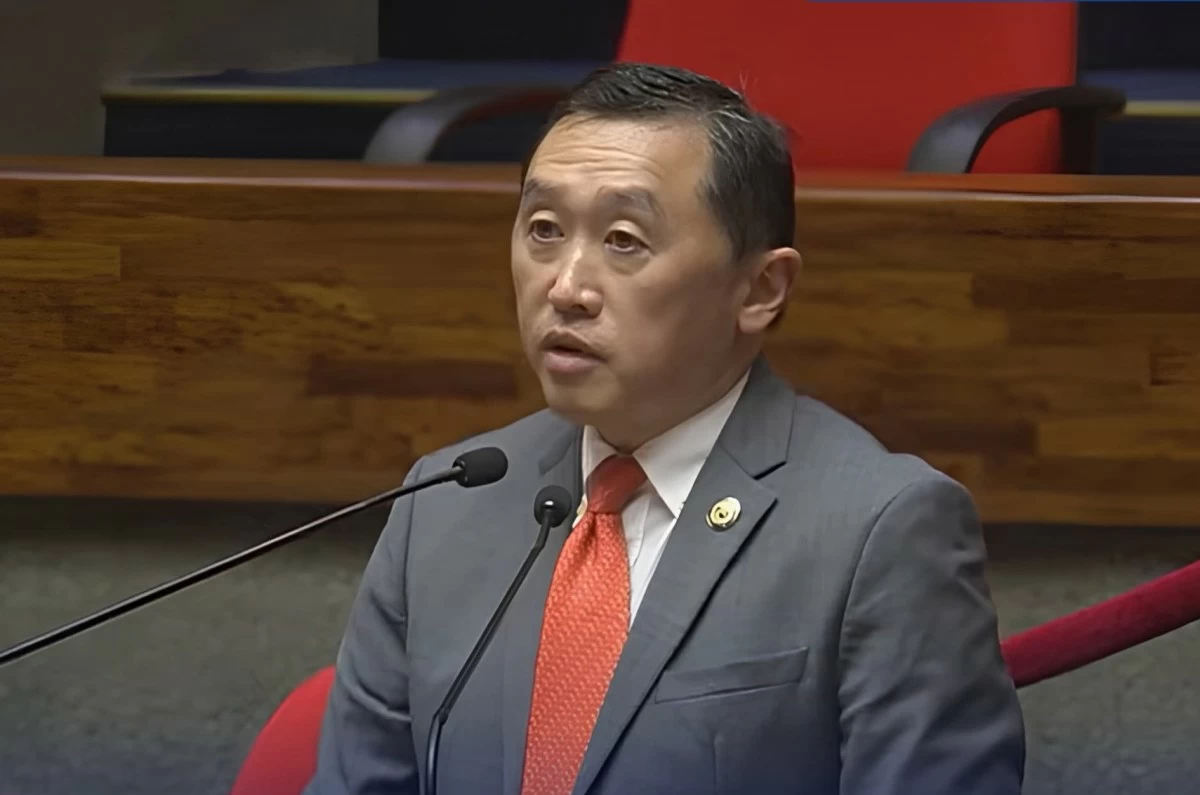
Murang Kuryente Party-list Rep. Arthur Yap (Facebook)
Murang Kuryente Party-list Rep. Arthur Yap played a key role in strengthening the proposed KALINGA Act on Wednesday, May 20 by ensuring the inclusion of concrete, consumer-focused interventions aimed at delivering immediate relief to Filipinos.
The KALINGA Act--a pet measure of the House leadership-- was up for second-reading approval during plenary session Wednesday when Yap stood up to propose individual ammendments.
Among the key provisions carried into the House Bill (HB) No. 9305 due to Yap's intervention is the direct distribution of P500 in ayuda to qualified beneficiaries through their electric bills—a targeted and efficient mechanism to ease the burden of rising energy costs on households.
The measure likewise mandates the suspension of value-added tax (VAT) and excise taxes on petroleum products during periods of crisis--a long-demanded reform that directly addresses price volatility and protects consumers from sudden fuel price spikes.
In addition, the bill provides dedicated financial support for agricultural workers and cooperatives, recognizing the critical role of the agriculture sector in ensuring food security amid economic and energy disruptions.
“This is not just a policy framework—it is a direct intervention to protect Filipino families from the cascading effects of global crises,” Yap said. “We made sure the bill delivers real, immediate relief where it matters most: in electricity costs, fuel prices, and food production.”
KALINGA stands for “Komprehensibong Alalay sa Livelihood, Inflation, Negosyo at Goods Assistance”.
Wednesday's second-reading aprpoval of HB No. 9305 sets up the measure for third and final reading next week.
Yap, a former Department of Agriculture (DA) secretary, emphasized that the passage of the bill at second reading signals growing consensus in Congress that government must move beyond reactive measures and adopt a proactive, institutionalized approach to crisis response.
“For too long, Filipinos have been left exposed to external shocks. The KALINGA Bill changes that by putting in place automatic, responsive safeguards that activate when the country needs them most,” he added.
The lawmaker urged swift passage on third reading, as he stressed that delays would mean prolonging the vulnerability of millions of Filipinos to economic and energy instability.