ADVERTISEMENT

Celebrating World Day for Cultural Diversity

Published May 21, 2026 06:31 am
Image from pexels.com
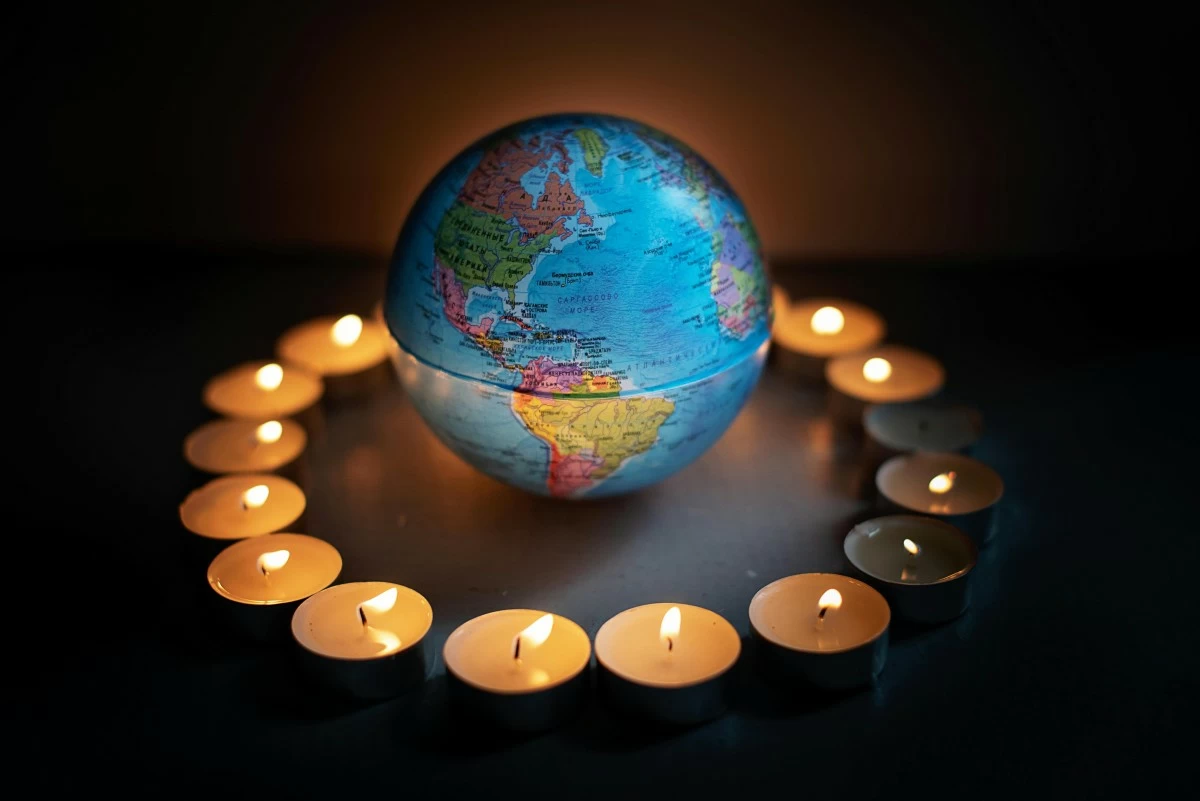
May 21 marks the World Day for Cultural Diversity and Dialogue, an observance that highlights the importance of intercultural dialogue, inclusion, and the preservation of cultural heritage in an increasingly interconnected world.
This year’s observance underscores UNESCO’s continuing call to strengthen peace and sustainable development through cultural understanding and cooperation. The celebration continues to emphasize the role of cultural diversity in building “intellectual and moral solidarity among humankind,” a message repeatedly highlighted by UNESCO.
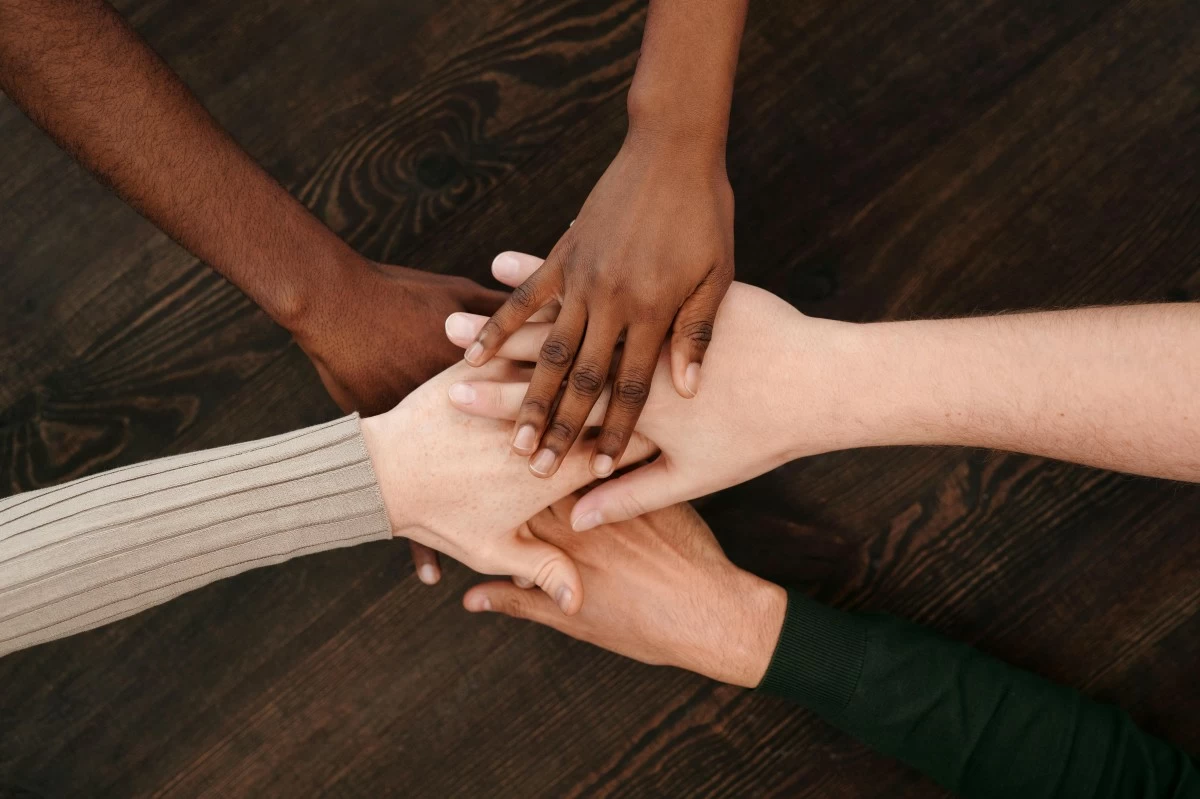
Image from pexels.com
Established by the United Nations in 2002 following UNESCO’s adoption of the Universal Declaration on Cultural Diversity in 2001, the annual observance seeks to encourage nations to value differences in language, traditions, beliefs, and identities rather than allow these differences to become sources of conflict. According to the United Nations, cultural diversity is essential not only for social harmony but also for economic growth and sustainable development. UNESCO data show that the global cultural and creative sector provides millions of jobs worldwide and contributes significantly to the global economy. The organization also warns that weakening intercultural dialogue can contribute to social tensions and conflict.
In the Philippines, the observance carries special significance for a nation rich in indigenous heritage and ethnolinguistic diversity. Across the archipelago, many indigenous communities continue to preserve traditions that reflect centuries of history, artistry, and environmental knowledge.
Among the country’s most recognized indigenous groups are the Ifugao of Northern Luzon, known worldwide for the Banaue Rice Terraces. Carved into the mountains by hand thousands of years ago, the terraces symbolize both cultural ingenuity and harmony with nature. The Ifugao also preserve the Hudhud chants, oral traditions recognized by UNESCO as part of humanity’s intangible cultural heritage.
In Mindanao, the T'boli continue the centuries-old tradition of weaving t’nalak, a sacred cloth made from abaca fibers and inspired by dream patterns. Their colorful beadwork, music, and craftsmanship remain enduring symbols of Mindanao’s indigenous artistry.
The Aeta communities, regarded as among the country’s earliest inhabitants, continue to practice traditional hunting, herbal medicine, and environmental stewardship rooted in deep ancestral knowledge. Meanwhile, the Maranao people preserve the Darangen epic chant and the intricate okir woodcarving tradition, both recognized for their cultural importance.
Cultural advocates say the observance is especially meaningful today as modernization and globalization threaten many indigenous languages and traditions. For many communities, preserving culture is not simply about protecting the past but ensuring that future generations remain connected to their identity and heritage.
As we celebrate this year’s World Day for Cultural Diversity, the message remains clear: diversity is not a barrier to unity but a bridge toward peace, cooperation, and mutual respect among nations and peoples.
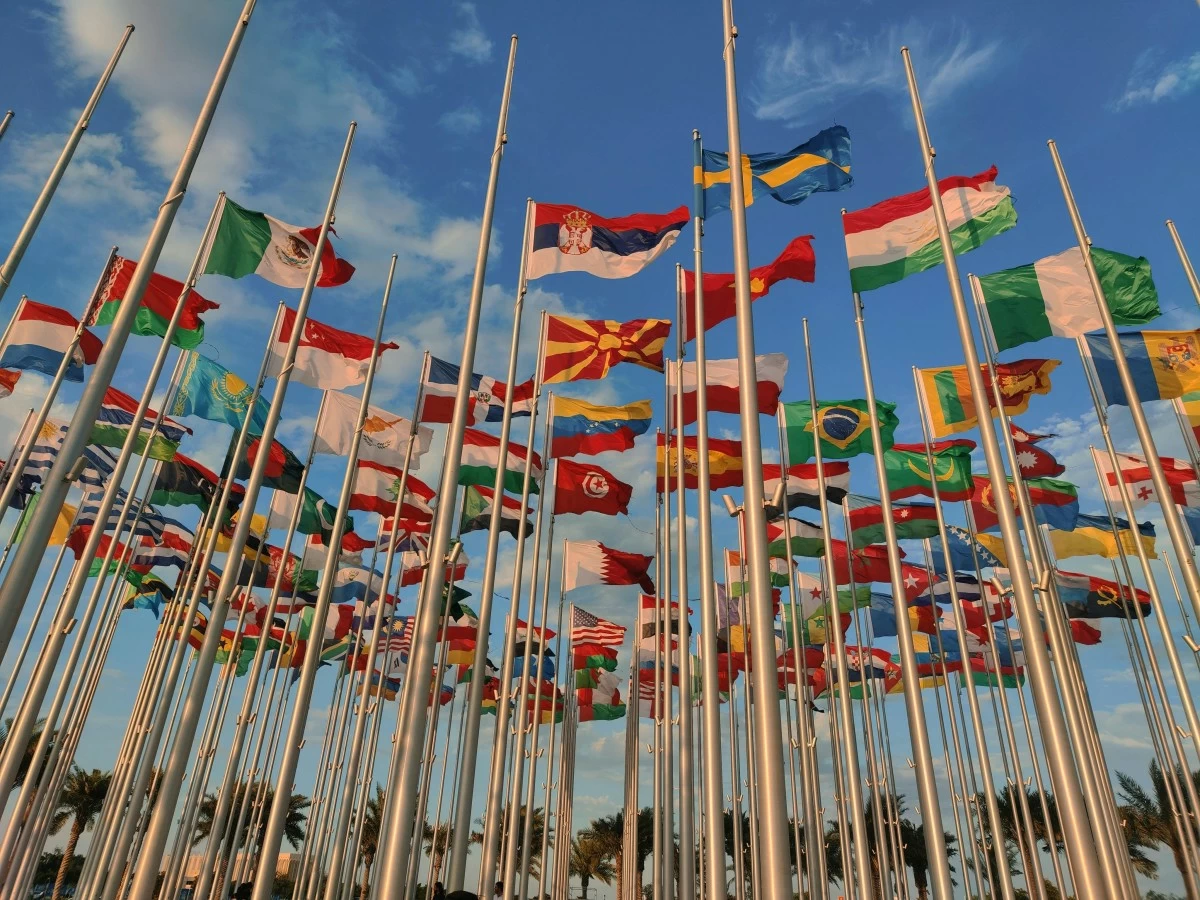
Image from pexels.com

Related Tags

UNESCO World Day for Cultural Diversity and Dialogue
ADVERTISEMENT
.most-popular .layout-ratio{ padding-bottom: 79.13%; } @media (min-width: 768px) and (max-width: 1024px) { .widget-title { font-size: 15px !important; } }

{{ articles_filter_1561_widget.title }}

.most-popular .layout-ratio{ padding-bottom: 79.13%; } @media (min-width: 768px) and (max-width: 1024px) { .widget-title { font-size: 15px !important; } }

{{ articles_filter_1562_widget.title }}

.most-popular .layout-ratio{ padding-bottom: 79.13%; } @media (min-width: 768px) and (max-width: 1024px) { .widget-title { font-size: 15px !important; } }

{{ articles_filter_1563_widget.title }}

{{ articles_filter_1564_widget.title }}

.mb-article-details { position: relative; } .mb-article-details .article-body-preview, .mb-article-details .article-body-summary{ font-size: 17px; line-height: 30px; font-family: "Libre Caslon Text", serif; color: #000; } .mb-article-details .article-body-preview iframe , .mb-article-details .article-body-summary iframe{ width: 100%; margin: auto; } .read-more-background { background: linear-gradient(180deg, color(display-p3 1.000 1.000 1.000 / 0) 13.75%, color(display-p3 1.000 1.000 1.000 / 0.8) 30.79%, color(display-p3 1.000 1.000 1.000) 72.5%); position: absolute; height: 200px; width: 100%; bottom: 0; display: flex; justify-content: center; align-items: center; padding: 0; } .read-more-background a{ color: #000; } .read-more-btn { padding: 17px 45px; font-family: Inter; font-weight: 700; font-size: 18px; line-height: 16px; text-align: center; vertical-align: middle; border: 1px solid black; background-color: white; } .hidden { display: none; }
function initializeAllSwipers() { // Get all hidden inputs with cms_article_id document.querySelectorAll('[id^="cms_article_id_"]').forEach(function (input) { const cmsArticleId = input.value; const articleSelector = '#article-' + cmsArticleId + ' .body_images'; const swiperElement = document.querySelector(articleSelector); if (swiperElement && !swiperElement.classList.contains('swiper-initialized')) { new Swiper(articleSelector, { loop: true, pagination: false, navigation: { nextEl: '#article-' + cmsArticleId + ' .swiper-button-next', prevEl: '#article-' + cmsArticleId + ' .swiper-button-prev', }, }); } }); } setTimeout(initializeAllSwipers, 3000); const intersectionObserver = new IntersectionObserver( (entries) => { entries.forEach((entry) => { if (entry.isIntersecting) { const newUrl = entry.target.getAttribute("data-url"); if (newUrl) { history.pushState(null, null, newUrl); let article = entry.target; // Extract metadata const author = article.querySelector('.author-section').textContent.replace('By', '').trim(); const section = article.querySelector('.section-info ').textContent.replace(' ', ' '); const title = article.querySelector('.article-title h1').textContent; // Parse URL for Chartbeat path format const parsedUrl = new URL(newUrl, window.location.origin); const cleanUrl = parsedUrl.host + parsedUrl.pathname; // Update Chartbeat configuration if (typeof window._sf_async_config !== 'undefined') { window._sf_async_config.path = cleanUrl; window._sf_async_config.sections = section; window._sf_async_config.authors = author; } // Track virtual page view with Chartbeat if (typeof pSUPERFLY !== 'undefined' && typeof pSUPERFLY.virtualPage === 'function') { try { pSUPERFLY.virtualPage({ path: cleanUrl, title: title, sections: section, authors: author }); } catch (error) { console.error('ping error', error); } } // Optional: Update document title if (title && title !== document.title) { document.title = title; } } } }); }, { threshold: 0.1 } ); function showArticleBody(button) { const article = button.closest("article"); const summary = article.querySelector(".article-body-summary"); const body = article.querySelector(".article-body-preview"); const readMoreSection = article.querySelector(".read-more-background"); // Hide summary and read-more section summary.style.display = "none"; readMoreSection.style.display = "none"; // Show the full article body body.classList.remove("hidden"); } document.addEventListener("DOMContentLoaded", () => { let loadCount = 0; // Track how many times articles are loaded const offset = [1, 2, 3, 4, 5, 6, 7, 8, 9, 10]; // Offset values const currentUrl = window.location.pathname.substring(1); let isLoading = false; // Prevent multiple calls if (!currentUrl) { console.log("Current URL is invalid."); return; } const sentinel = document.getElementById("load-more-sentinel"); if (!sentinel) { console.log("Sentinel element not found."); return; } function isSentinelVisible() { const rect = sentinel.getBoundingClientRect(); return ( rect.top < window.innerHeight && rect.bottom >= 0 ); } function onScroll() { if (isLoading) return; if (isSentinelVisible()) { if (loadCount >= offset.length) { console.log("Maximum load attempts reached."); window.removeEventListener("scroll", onScroll); return; } isLoading = true; const currentOffset = offset[loadCount]; window.loadMoreItems().then(() => { let article = document.querySelector('#widget_1690 > div:nth-last-of-type(2) article'); intersectionObserver.observe(article) loadCount++; }).catch(error => { console.error("Error loading more items:", error); }).finally(() => { isLoading = false; }); } } window.addEventListener("scroll", onScroll); });

Sign up by email to receive news.