BIBATAWA keeps tribal heritage alive in Davao
Published May 21, 2026 11:39 am
|
Updated May 21, 2026 04:44 pm


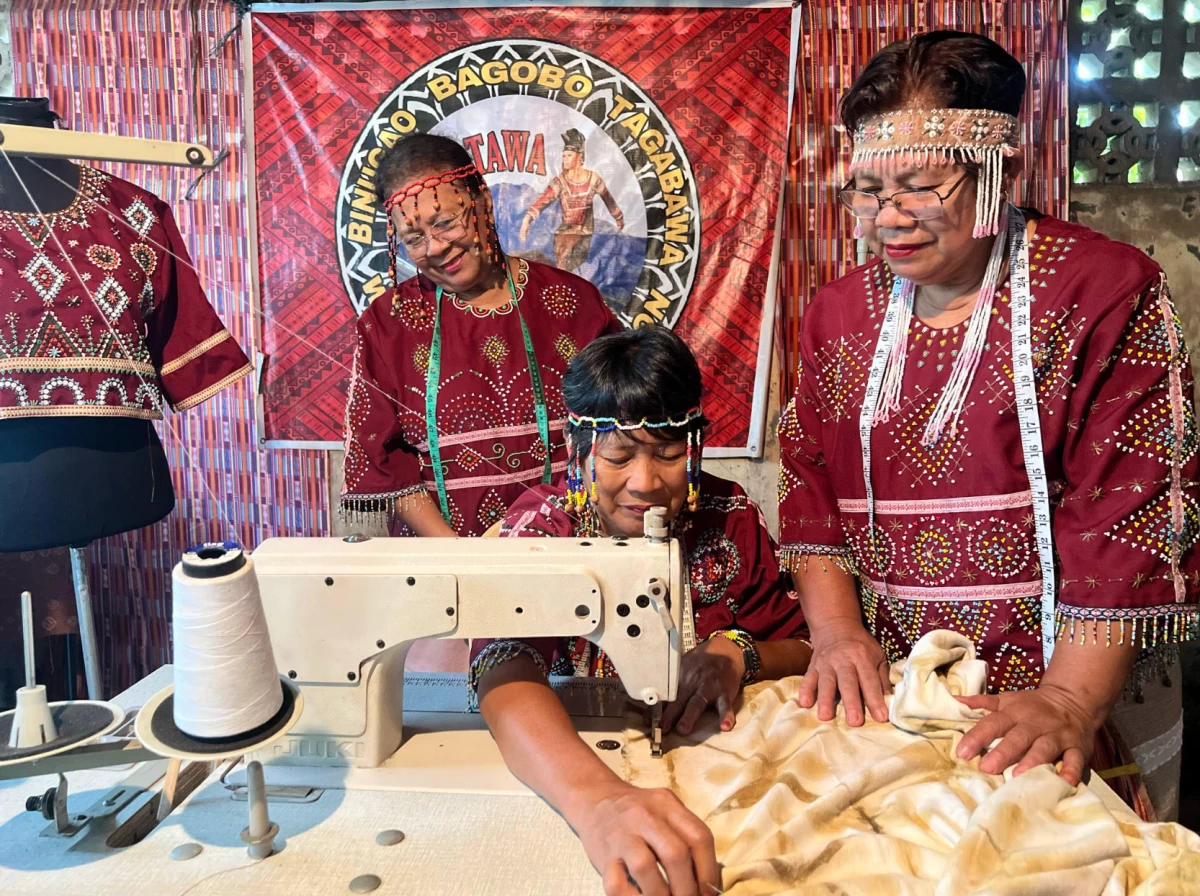
Opportunity comes to life as members of the Binugao Bagobo Tagabawa Women’s Association work on their sewing projects, thanks to the support of various organizations, including AboitizPower subsidiary Therma South, Inc., which extended a ₱230,000 contribution to strengthen the group’s livelihood initiatives.
DAVAO CITY – Inside a small tribal hub in Barangay Binugao, Toril District, sewing and handloom machines hum steadily as the women of the Binugao Bagobo-Tagabawa Women’s Association (BIBATAWA) work side by side. Scattered across their tables are colorful fabrics, beads, and threads. For them, these are not just materials, but expressions of identity, heritage, and a culture that continues to endure.
For Mervin To-Ong, the creative director of BIBATAWA, every finished garment reflects the pride and resilience of his people. He carries a deep sense of responsibility, not only to preserve tradition, but to ensure it continues to grow in a changing world.
“Gusto namo nga tangkilikon sa kadaghanan ang originally-made products nga gihagoan gayud pag-ayo sa tribu,” Mervin shared. (We want people to appreciate our products, which are made with a lot of effort and care by our tribe.)
Their handwoven textiles, rooted in the rich history of the Bagobo-Tagabawa tribe, have begun to reach wider audiences. But their journey has not been easy. In the early days, sustaining their craft meant overcoming financial challenges, often relying on Mervin’s own savings to keep production going.
“Pamilyado naman halos manghahabi namo, naa silay ginasuportahan. ” Mervin explained. (Most of our weavers already have families to support).
“Dili lang sila basta nagatahi or weave, mga ginikanan sila, mga breadwinner nga naay responsibilidad nga ginakarga.” (They are parents, breadwinners, and providers who carry the weight of their families’ daily needs).
A turning point came through collaboration with the Department of Science and Technology–Philippine Textile Research Institute (DOST-PTRI), which introduced technology transfers and alternative dyeing methods under the Grassroots Innovation for Inclusive Development (GRIND) program. With this, BIBATAWA began exploring new techniques while staying rooted in their traditions.
By 2023, handloom machines were introduced, enabling the weaving of tropical fabrics such as cotton, pineapple, and abaca into more diverse and contemporary designs. Yet even with these innovations, the community remained intentional in preserving the essence of their identity.
“Although these handloom machines are an innovation, we make sure our traditional designs are still present in the fabrics we weave,” Mervin explained. “We collaborated with our IP leaders on how to do it properly.”
Support also came through skills training from the Technical Education and Skills Development Authority (TESDA), strengthening the capabilities of the weavers. Alongside this, their neighbor in Barangay Binugao, AboitizPower’s Therma South, Inc. (TSI), donated P230,000 and continues to work with the community as a partner in both development and cultural preservation.
As a baseload power provider in Mindanao, TSI helps provide the island’s electricity needs that power homes and local enterprises. This role connects directly to how communities like Binugao grow, where access to power supports livelihoods such as weaving, sewing, and other small industries that sustain families.
Beyond energy, TSI has supported BIBATAWA by providing tools and materials that allow the community to strengthen and expand their craft. In November 2023, the company provided sewing machines, fabrics, beads, and other tools, followed by the inauguration and turnover of a Handloom Weaving Innovation Center in September 2025.
“We wanted to promote the textiles woven here in Davao City, and with this support, we can make it happen,” Mervin emphasized.
“Therma South is proud to support the Indigenous Peoples of Barangay Binugao just like BIBATAWA. By helping them grow their livelihood, we believe we are contributing to Davao’s overall progress,” said AboitizPower Transition Business Group AVP for Corporate Services Atty. Alona Suzell Ruyeras-Borromeo.
Through their work, BIBATAWA has helped elevate the recognition of Davao’s handwoven textiles. Their efforts contributed to a city resolution officially designating their weaving hub as the first of its kind in the Philippines, a milestone shaped by both tradition and collective support.
“This is a huge milestone for us. It’s a proud moment for our community,” Mervin said. “Our traditional textile is now on the map, and we are proud to promote ‘Matanab’, a Bagobo-Tagabawa dialect that means Karangal-rangal.”
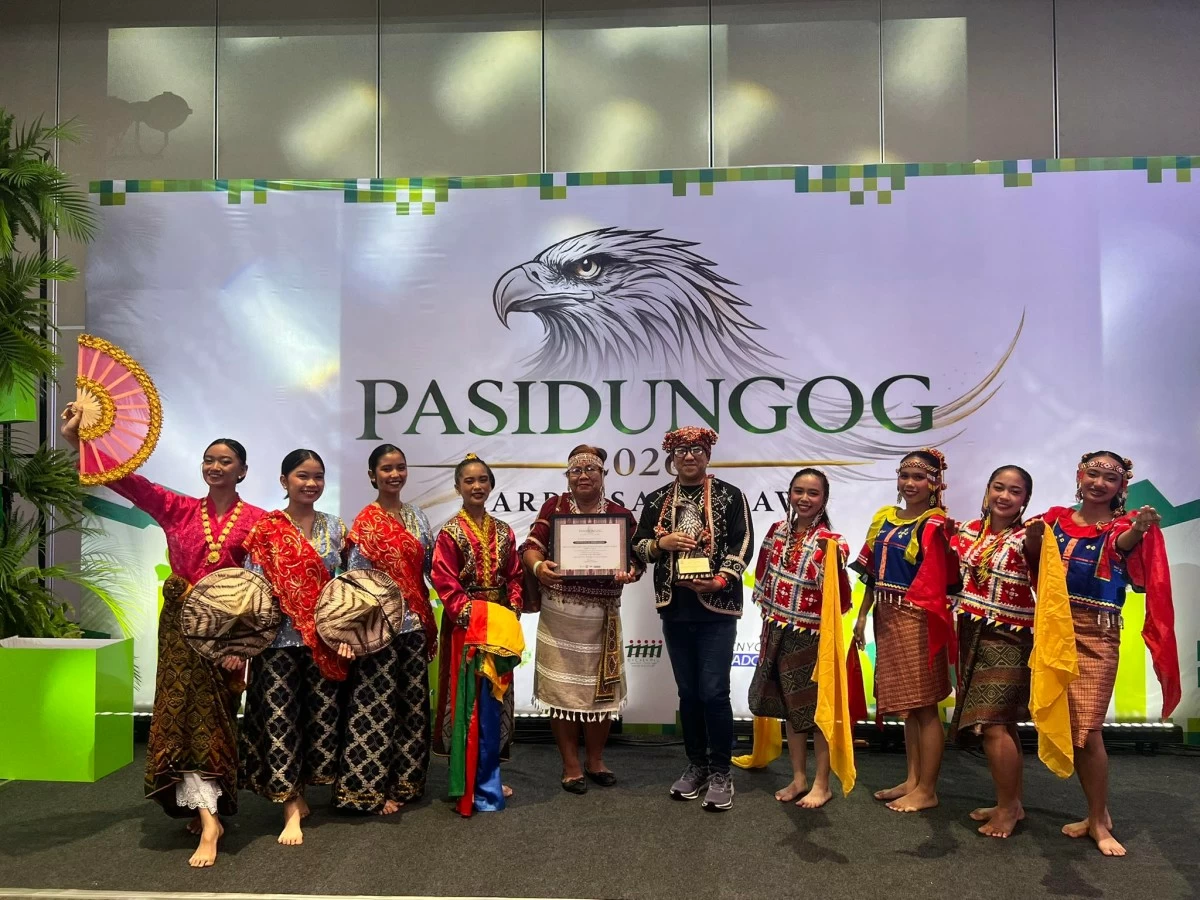
Recognition followed, including awards from the first Philippine Handloom Weaving Festival in Ilocos Norte and honors at Pasidungog: Garbo sa Dabaw 2026. Yet for the community, these are not endpoints, but markers of a continuing journey.
“Each piece we create brings us closer to a brighter future for the Binugao Bagobo-Tagabawa community,” Mervin said.
In every thread they weave, the past and the future come together, shaped by culture, strengthened by community, and supported by partnerships that help carry both forward.