






Manila Bulletin
 Philippines
National
Sandro Marcos bill to make mental healthcare accessible to poor Pinoys
Philippines
National
Sandro Marcos bill to make mental healthcare accessible to poor Pinoys
Philippines
National
Sandro Marcos bill to make mental healthcare accessible to poor Pinoys
Sandro Marcos bill to make mental healthcare accessible to poor Pinoys
Published May 20, 2026 03:39 pm


At A Glance
- Rep. Sandro Marcos files HB No. 9327 to establish a Mental Health Voucher System under PhilHealth, making consultations, therapy, and medication accessible to low- and middle-income Filipinos.
- The bill expands coverage of the Mental Health Act by creating tiered benefit packages, offering subsidies for psychiatric consultations, therapy sessions, and medications based on severity of conditions.
- Marcos emphasizes that untreated mental health problems affect families, schools, workplaces, and communities, and the measure creates a dedicated fund pool to ensure equitable access to care.
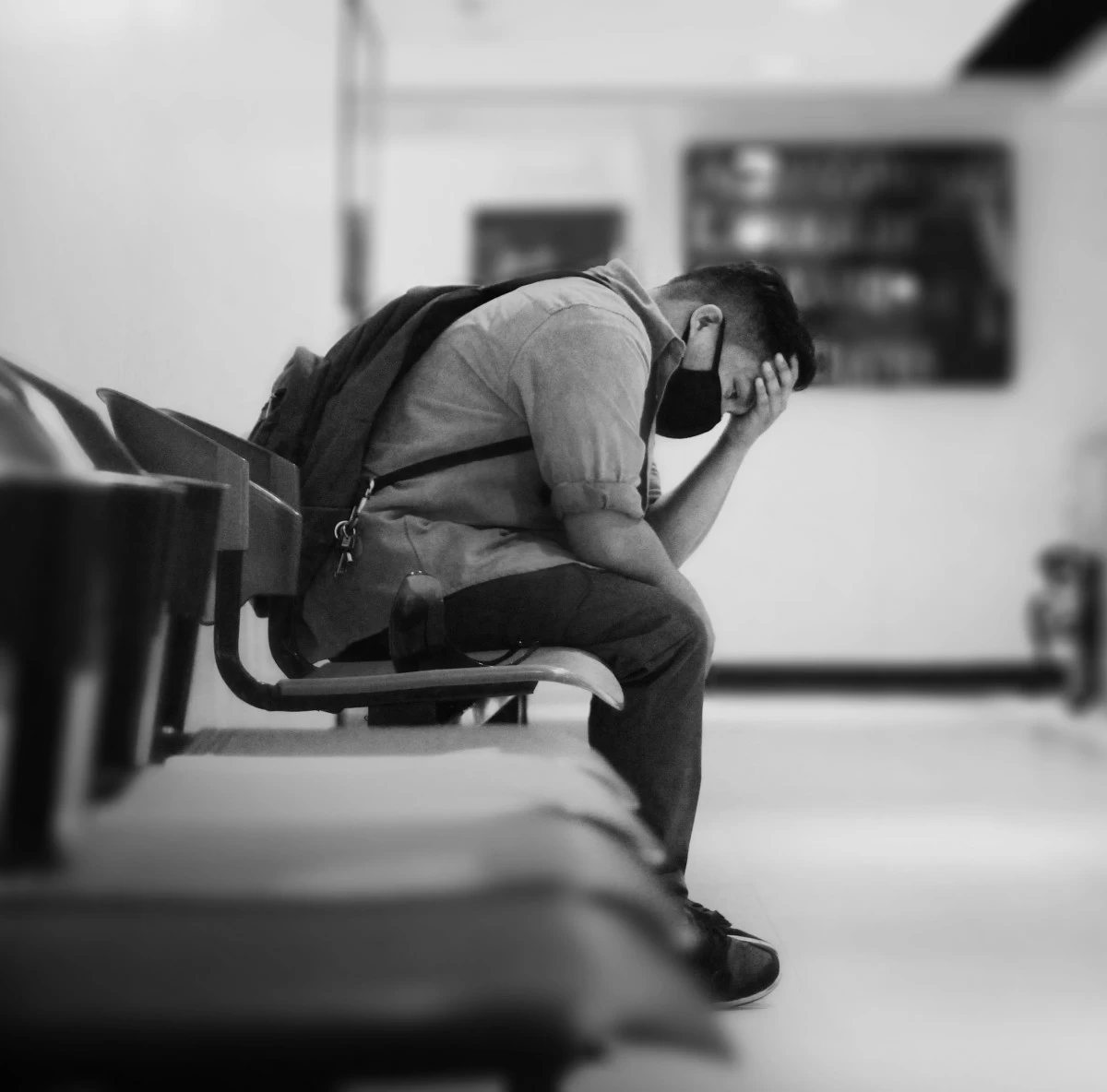
(Unsplash)
Low- and middle-income Filipinos deserve mental healthcare, too.
With this in mind, House Majority Leader Ilocos Norte 1st district Rep. Sandro Marcos filed a bill establishing a Mental Health Voucher System under the Philippine Health Insurance Corporation (PhilHealth) in order to help lesser fortunate Filipinos access consultations, therapy, medication, and other mental health services without being halted by financial considerations.
Rep. Marcos says the proposed Mental Health Voucher Act--embodied in House Bill (HB) No. 9327--is meant to turn mental health care from an aspiration into an actual service that ordinary families can afford.
The move is consistent with President Marcos' push for more accessible health care, as well as House Speaker Faustino “Bojie” Dy III’s commitment to legislation that responds to the daily burdens of Filipino households.
“Mental healthcare should not be a privilege available only to those who can pay for it out of pocket,” Rep. Marcos stated.
“Under the leadership of President Ferdinand ‘Bongbong’ Marcos Jr. and Speaker Bojie Dy, we want a system where a struggling student, a parent under pressure or a worker quietly carrying anxiety or depression can seek help before the crisis becomes unbearable,” said the presidential son.
HB No. 9327, authored by Marcos, seeks to expand mental health coverage under the PhilHealth by creating a voucher system that would provide eligible PhilHealth members and their qualified dependents with pre-approved subsidies for mental health services and medications.
It builds on Republic Act (RA) No. 11036, or the Mental Health Act, by creating a direct financing mechanism for care, especially for Filipinos whose treatment is delayed, interrupted or never started because consultations, therapy and medicines are too expensive.
Under the proposed Mental Health Voucher System, PhilHealth would issue non-transferable mental health vouchers to qualified beneficiaries, with each voucher representing a pre-approved financial subsidy that may be used only for covered services from accredited mental health providers.
Eligible beneficiaries would include registered PhilHealth members and qualified dependents who have been clinically diagnosed with a mental health condition by a licensed physician.
The bill requires a mental health assessment certificate, issued by a psychiatrist affiliated with an accredited government hospital under the Department of Health, stating the diagnosis, recommended treatment plan, required services and prescribed medications.
PhilHealth would also be required to create a streamlined and accessible application system, including digital or electronic platforms, for receiving, verifying and evaluating applications.
Once approved, the voucher would indicate the applicable benefit package, authorized services and validity period, and would be valid for at least six months but not more than 12 months, renewable yearly upon re-evaluation and submission of an updated assessment certificate.
The bill provides for tiered mental health benefit packages, including a basic package for outpatient and early-stage interventions, a standard package for moderate conditions and a comprehensive package for severe or chronic mental health conditions.
The basic package would cover at least six (6) to ten (10) psychiatric consultations per year, at least six (6) therapy sessions and a monthly medication subsidy, while the standard package would cover at least ten (10) to fifteen (15) psychiatric consultations, at least twelve (12) therapy sessions, expanded medication coverage and access to psychological testing and diagnostics.
The comprehensive package would provide psychiatric consultations, the number of which shall be determined by PhilHealth, at least twenty (20) therapy sessions, full or substantially expanded medication support, rehabilitation and other necessary mental health services.
Marcos said the bill recognizes that mental health struggles affect not only the patient, but also the family, school, workplace and community around them.
“Kapag hindi naaagapan ang mental health problem, buong pamilya ang apektado, pati pag-aaral, trabaho at kabuhayan,” Marcos said.
(If mental health problems are not addressed, the whole family is affected, as well as schooling, work, and livelihood.)
“This bill gives people a practical way to seek help, and it reflects the belief of President Marcos and Speaker Dy that health care must meet Filipinos where they are, especially those who suffer quietly because they cannot afford treatment.”
The measure also creates a dedicated Mental Health Fund Pool within PhilHealth to finance the benefits, services and administrative requirements of the voucher system, with funding from PhilHealth, annual appropriations under the General Appropriations Act and other lawful sources, including sin tax allocations and earmarked health revenues.
PhilHealth would serve as the lead implementing agency, while the Department of Health and the National Mental Health Council would help set clinical standards, accredit providers, integrate data systems, monitor service delivery and evaluate program outcomes.