ADVERTISEMENT

How Ferragamo's Vara continues to define modern femininity

Published May 20, 2026 09:27 am
There is an undeniable intention when women design for fellow women. No tricks, gimmicks, or bells and whistles required—just their needs translated into designs that can endure through every season, style shift, and stage in life. That sense of simplicity can be seen in one of Ferragamo’s iconic designs: the Vara.
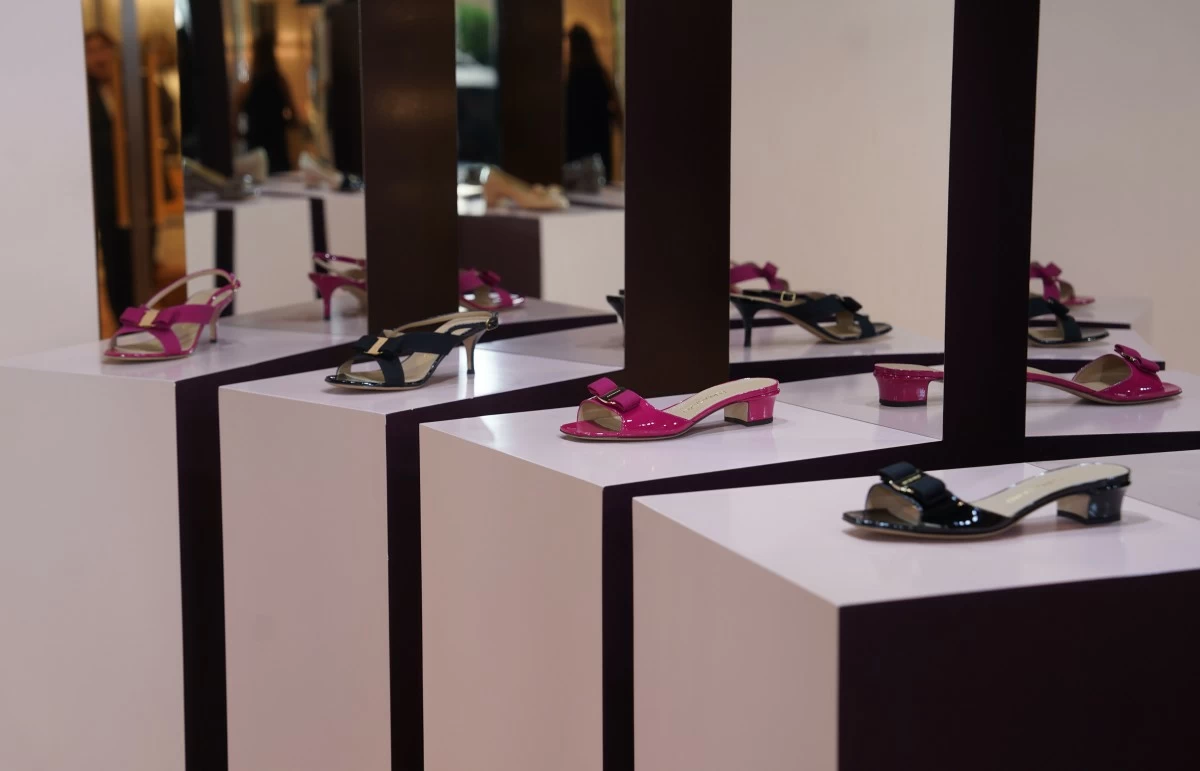
A glimpse of the Ferragamo installation at Greenbelt 4 (Photos: Ferragamo)
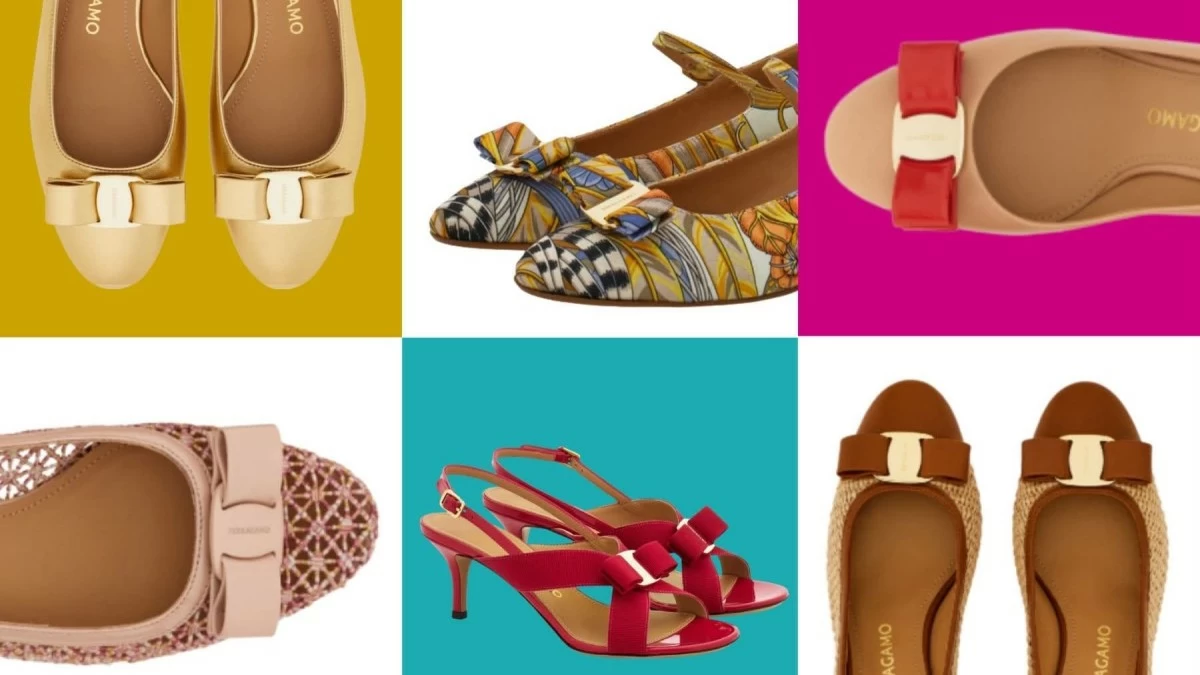
Designed in 1978, the Vara shoe was the product of the creative mind of Fiamma Ferragamo, the eldest daughter of Wanda and Salvatore Ferragamo. The shoe features a rounded toe and a low block heel silhouette. As a finishing touch, a grosgrain bow was added on top, like a gift to the modern woman.
It seemed like an interesting idea, and the shoe was handed to a pattern maker with instructions to recreate the bow using the same leather as the upper. The message, however, was misunderstood, and the bow remained in grosgrain. It eventually became one of the Italian luxury brand’s most cherished emblems.
“When it came out, there was the need for a style that was both casual and elegant,” Fiamma recalled in an interview. “The designers worked on a shape that had already been tested for several seasons, known for its comfort, with a low heel and rounded toe.”
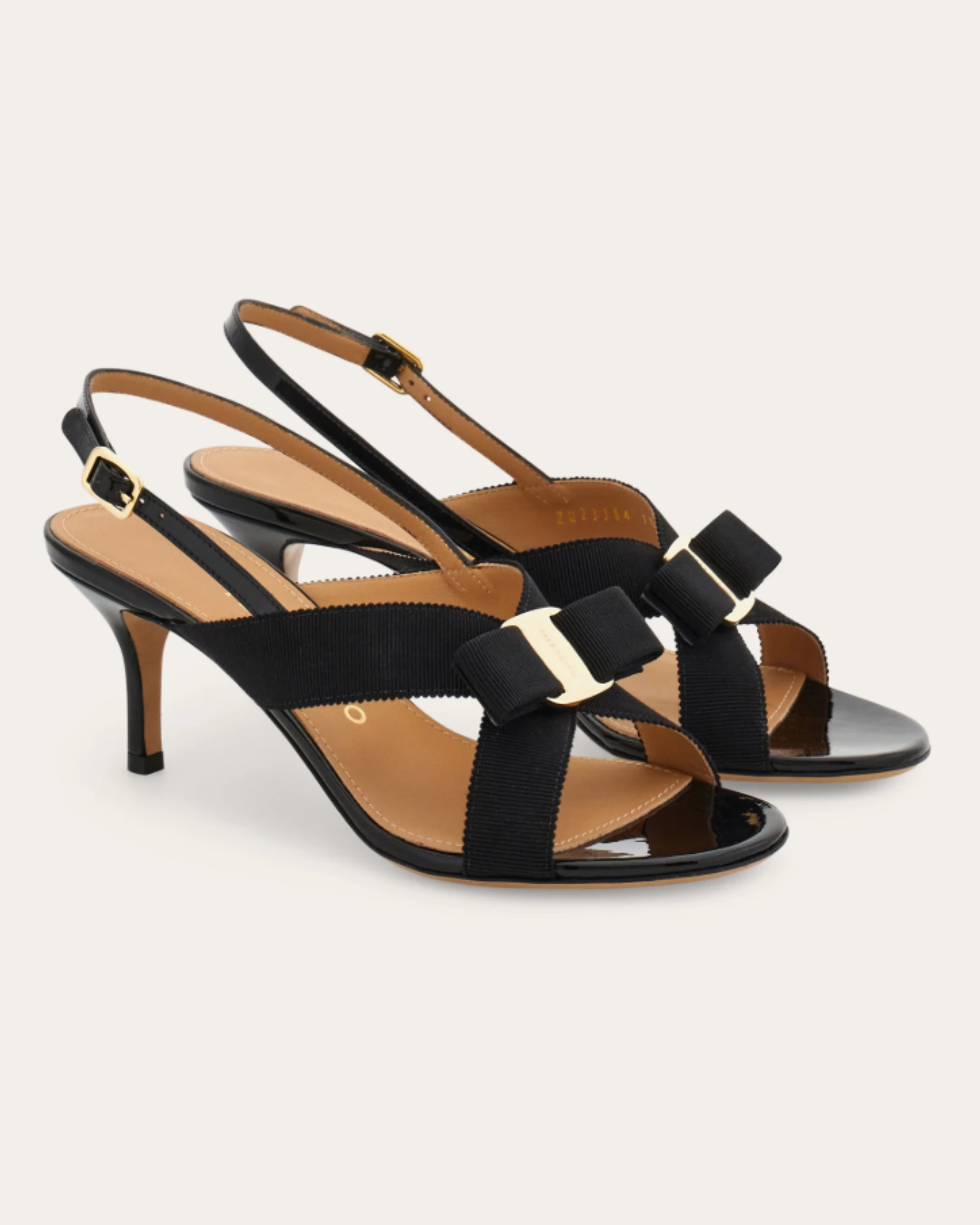
Rima
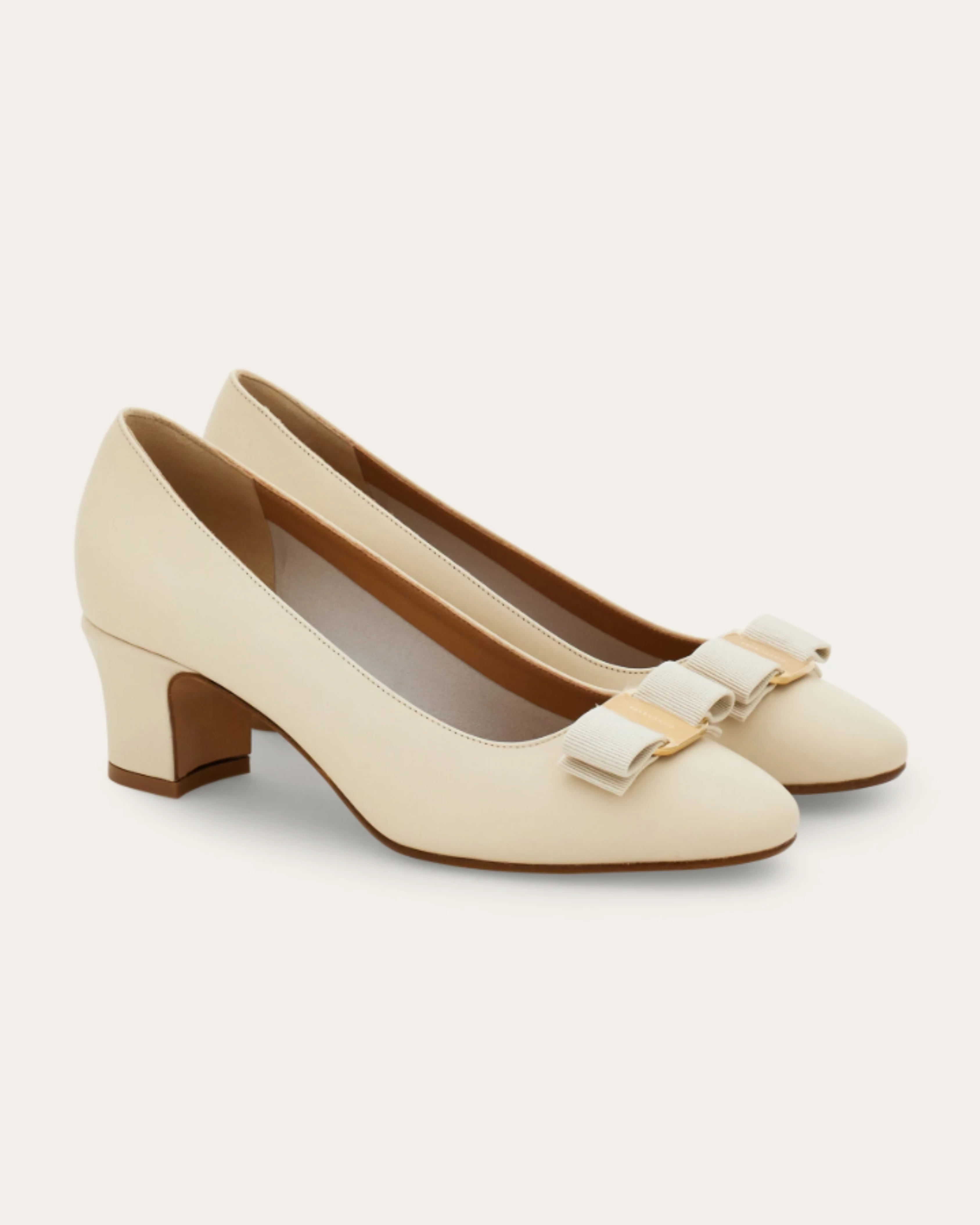
Rima
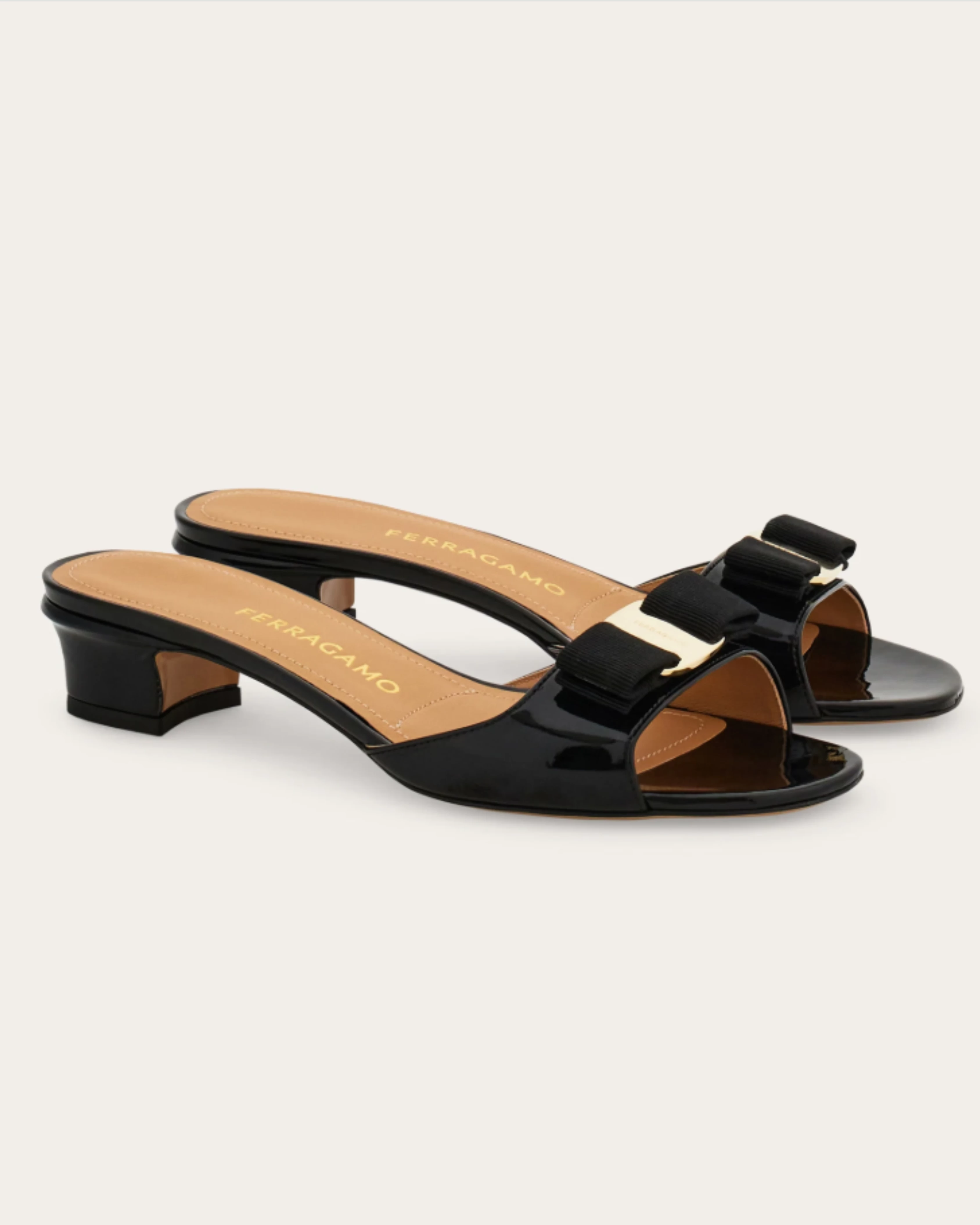
Vara 55
Vara 55
Vanilla
Vanilla
Not only did the pair answer women’s need for shoes that are comfortable and refined, they also symbolize the emancipation of active women who shape their lives with passion and boldness, recognizing what they wear as an extension of their personality.
Now, the iconic bow can be seen across a variety of the maison’s products, from handbags and hair accessories to knitwear and fragrances. But for many fashion savants, the shoes are still the first thing that comes to mind when it comes to this beloved emblem.
Today, 48 years since the Vara was launched, Ferragamo once again puts the spotlight on its hallmark design through an elegant installation. Located at Greenbelt 4 in Makati City, the Vara installation features modern iterations of the beloved shoe. The design has taken on new silhouettes and colors, but the bow—and what the shoes stand for—remains the same: a symbol of style, versatility, and modern femininity.

The installation presents Vara pairs from Ferragamo’s Spring-Summer 2026 offerings. It includes the Vara 55, an elegant block-heeled pump; the curved-heeled Rima slingbacks; and the glossy Vanilla, which comes in a striking shade of pink. These pieces reflect the evolving spirit of Vara, created with today’s confident and multifaceted woman in mind.
Scan the QR code to get a glimpse of the installation.

Related Tags

fashion and beauty shoes Ferragamo
ADVERTISEMENT
.most-popular .layout-ratio{ padding-bottom: 79.13%; } @media (min-width: 768px) and (max-width: 1024px) { .widget-title { font-size: 15px !important; } }

{{ articles_filter_1561_widget.title }}

.most-popular .layout-ratio{ padding-bottom: 79.13%; } @media (min-width: 768px) and (max-width: 1024px) { .widget-title { font-size: 15px !important; } }

{{ articles_filter_1562_widget.title }}

.most-popular .layout-ratio{ padding-bottom: 79.13%; } @media (min-width: 768px) and (max-width: 1024px) { .widget-title { font-size: 15px !important; } }

{{ articles_filter_1563_widget.title }}

{{ articles_filter_1564_widget.title }}

.mb-article-details { position: relative; } .mb-article-details .article-body-preview, .mb-article-details .article-body-summary{ font-size: 17px; line-height: 30px; font-family: "Libre Caslon Text", serif; color: #000; } .mb-article-details .article-body-preview iframe , .mb-article-details .article-body-summary iframe{ width: 100%; margin: auto; } .read-more-background { background: linear-gradient(180deg, color(display-p3 1.000 1.000 1.000 / 0) 13.75%, color(display-p3 1.000 1.000 1.000 / 0.8) 30.79%, color(display-p3 1.000 1.000 1.000) 72.5%); position: absolute; height: 200px; width: 100%; bottom: 0; display: flex; justify-content: center; align-items: center; padding: 0; } .read-more-background a{ color: #000; } .read-more-btn { padding: 17px 45px; font-family: Inter; font-weight: 700; font-size: 18px; line-height: 16px; text-align: center; vertical-align: middle; border: 1px solid black; background-color: white; } .hidden { display: none; }
function initializeAllSwipers() { // Get all hidden inputs with cms_article_id document.querySelectorAll('[id^="cms_article_id_"]').forEach(function (input) { const cmsArticleId = input.value; const articleSelector = '#article-' + cmsArticleId + ' .body_images'; const swiperElement = document.querySelector(articleSelector); if (swiperElement && !swiperElement.classList.contains('swiper-initialized')) { new Swiper(articleSelector, { loop: true, pagination: false, navigation: { nextEl: '#article-' + cmsArticleId + ' .swiper-button-next', prevEl: '#article-' + cmsArticleId + ' .swiper-button-prev', }, }); } }); } setTimeout(initializeAllSwipers, 3000); const intersectionObserver = new IntersectionObserver( (entries) => { entries.forEach((entry) => { if (entry.isIntersecting) { const newUrl = entry.target.getAttribute("data-url"); if (newUrl) { history.pushState(null, null, newUrl); let article = entry.target; // Extract metadata const author = article.querySelector('.author-section').textContent.replace('By', '').trim(); const section = article.querySelector('.section-info ').textContent.replace(' ', ' '); const title = article.querySelector('.article-title h1').textContent; // Parse URL for Chartbeat path format const parsedUrl = new URL(newUrl, window.location.origin); const cleanUrl = parsedUrl.host + parsedUrl.pathname; // Update Chartbeat configuration if (typeof window._sf_async_config !== 'undefined') { window._sf_async_config.path = cleanUrl; window._sf_async_config.sections = section; window._sf_async_config.authors = author; } // Track virtual page view with Chartbeat if (typeof pSUPERFLY !== 'undefined' && typeof pSUPERFLY.virtualPage === 'function') { try { pSUPERFLY.virtualPage({ path: cleanUrl, title: title, sections: section, authors: author }); } catch (error) { console.error('ping error', error); } } // Optional: Update document title if (title && title !== document.title) { document.title = title; } } } }); }, { threshold: 0.1 } ); function showArticleBody(button) { const article = button.closest("article"); const summary = article.querySelector(".article-body-summary"); const body = article.querySelector(".article-body-preview"); const readMoreSection = article.querySelector(".read-more-background"); // Hide summary and read-more section summary.style.display = "none"; readMoreSection.style.display = "none"; // Show the full article body body.classList.remove("hidden"); } document.addEventListener("DOMContentLoaded", () => { let loadCount = 0; // Track how many times articles are loaded const offset = [1, 2, 3, 4, 5, 6, 7, 8, 9, 10]; // Offset values const currentUrl = window.location.pathname.substring(1); let isLoading = false; // Prevent multiple calls if (!currentUrl) { console.log("Current URL is invalid."); return; } const sentinel = document.getElementById("load-more-sentinel"); if (!sentinel) { console.log("Sentinel element not found."); return; } function isSentinelVisible() { const rect = sentinel.getBoundingClientRect(); return ( rect.top < window.innerHeight && rect.bottom >= 0 ); } function onScroll() { if (isLoading) return; if (isSentinelVisible()) { if (loadCount >= offset.length) { console.log("Maximum load attempts reached."); window.removeEventListener("scroll", onScroll); return; } isLoading = true; const currentOffset = offset[loadCount]; window.loadMoreItems().then(() => { let article = document.querySelector('#widget_1690 > div:nth-last-of-type(2) article'); intersectionObserver.observe(article) loadCount++; }).catch(error => { console.error("Error loading more items:", error); }).finally(() => { isLoading = false; }); } } window.addEventListener("scroll", onScroll); });

Sign up by email to receive news.