






 Business
Trade & Industry
China's pork import ban seen having no impact on Philippine trade
Business
Trade & Industry
China's pork import ban seen having no impact on Philippine trade
China's pork import ban seen having no impact on Philippine trade


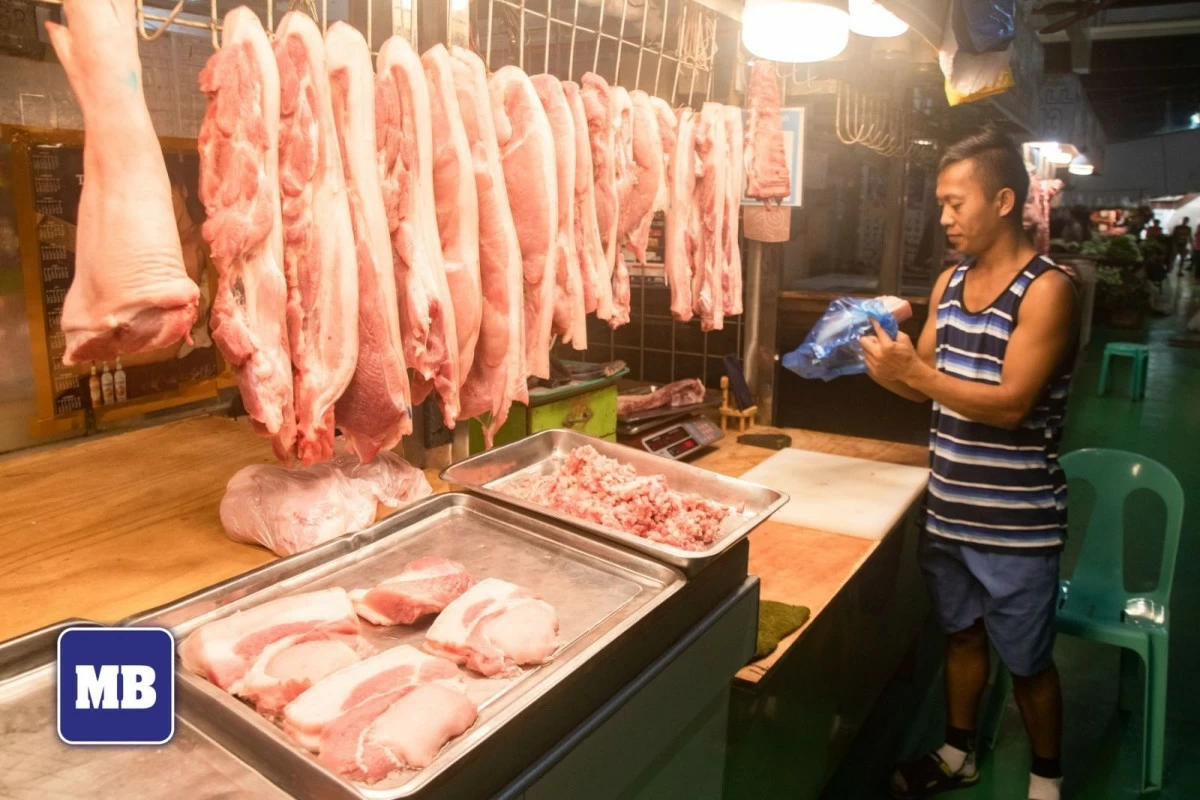
The Bureau of Animal Industry (BAI) expects the country’s trade performance to remain unchanged despite China’s move to ban the entry of locally produced pigs, wild boar, and related swine products due to swine fever.
At present, BAI said the Philippines does not export any of the commodities that China imposed trade restrictions on.
BAI said this means the prohibition will have “no immediate impact on [the country’s] current trade performance.”
In a May 14 statement, the General Administration of Customs of China said it is banning the importation of live pigs, wild boar, and related swine products from the Philippines in a bid to protect its livestock sector from the impact of swine fever.
BAI said the swine fever in question covers both classical swine fever (CSF) and African swine fever (ASF).
CSF, otherwise known as hog cholera, is a long-managed disease in the Philippines that is controlled through sustained vaccination programs, surveillance, and established farm biosecurity protocols.
Meanwhile, ASF is a fatal disease that has significantly affected local swine production, which the government aims to counter through biosecurity measures and strict movement controls, among other initiatives.
BAI said it considers Beijing’s move to ban swine imports from Manila part of a “mutual understanding” in the global fight against animal diseases.
“Both the Philippines and China share a profound commitment to biosecurity and other control measures, and are actively striving to eliminate devastating swine diseases within our respective borders to protect the global agricultural supply chain,” the bureau said.
“The fight against ASF and CSF is a shared global responsibility,” it added.
For its part, the Department of Agriculture (DA) has been issuing similar import restrictions on swine products from countries with existing cases of animal diseases to curb their spread into the domestic livestock sector.
BAI said this is on top of disease control efforts aligned with the standards of the World Organization for Animal Health (WOAH) to ensure that the country moves closer to the eradication of ASF and CSF.
“We look forward to a future where successful disease management paves the way for safe, robust, and mutually beneficial livestock trade,” it said.