







Why understanding your inner emotions is important
Homer Panganiban shares how to control your feelings
Published May 19, 2026 01:53 am


At A Glance
- Chronic, unprocessed stress shortens telomeres, the caps on our chromosomes that mark cellular age.
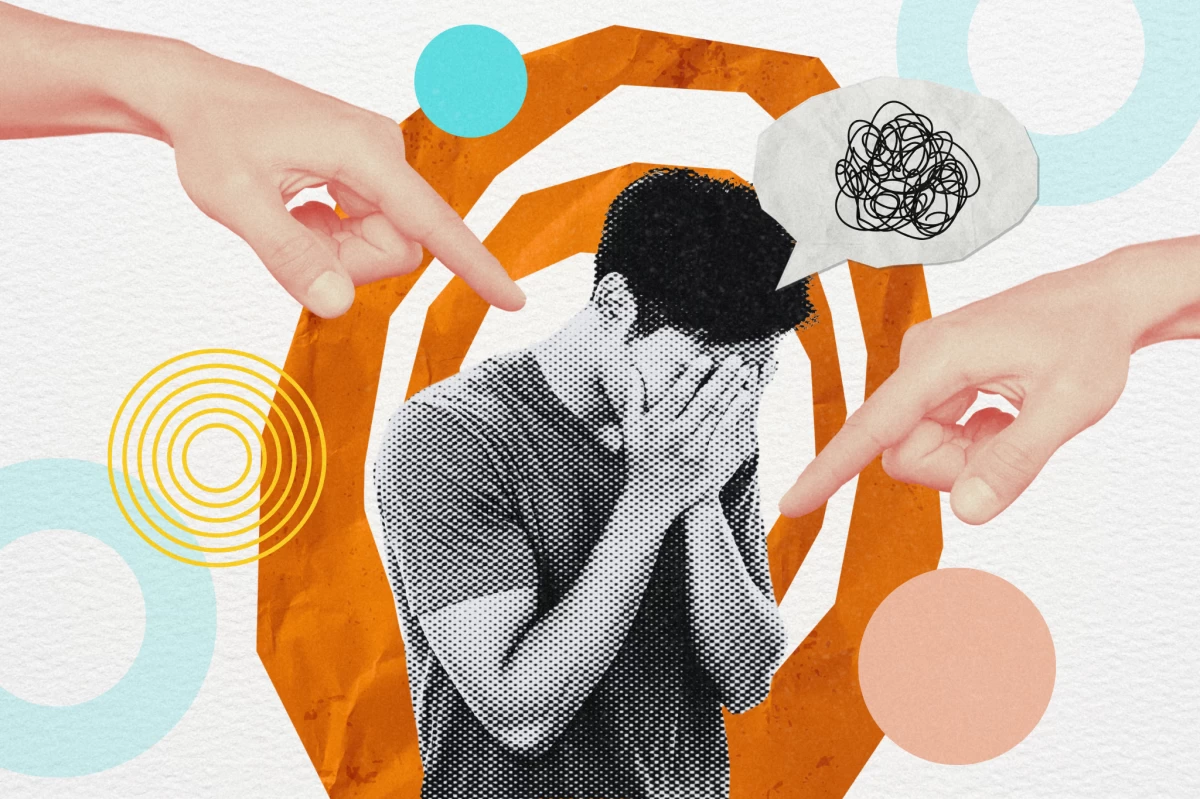
I have been thinking lately about a session I attended led by Homer Panganiban, founder of Lifesmith Inc. and its Emotional Literacy Program. Homer is a creative agency founder who, somewhere along the way, decided the most useful thing he could teach people was how to read what is actually happening underneath.
He defines emotional literacy simply: noticing what you’re feeling, understanding why it’s showing up, listening to what it needs. Not fixing. Not suppressing.
“When you don’t listen to your emotions,” he says, “they get louder. And they show up bigger, worse, uglier.”
His central practice is so small it almost sounds like nothing. Instead of “I am afraid,” try, “I am noticing fear.” Instead of “I am angry,” try “I am noticing anger.” Uy, ito’y nararamdaman ko. Pansinin lang (Hey, this is what I’m feeling. Take notice). That one word, noticing, is the entire shift. You are still present. You are still feeling. But you are no longer being swept away by it. What creates problems, Homer reminds us, isn’t the emotion itself. It is what we do automatically in reaction to it.
He calls the space this creates the gap. Between the signal and the response, there is always a small, almost invisible pause. Hunger is a signal. Eating is the response. But in between, there is a question we usually skip, do I eat now? Am I fasting? What does my body actually need? The same applies to every emotion. Fear is a signal. Anger is a signal. Guilt is a signal. Emotional literacy isn’t about removing the signal. It’s about finding the gap and choosing.

Homer Panganiban, Lifesmith Inc. founder (Photo: LinkedIn)
What I love about Homer’s framework is that he refuses to call any emotion bad. He maps 12 of them across seven stages, each with its own job. Fear is a protector, its invitation is to pause and assess. Anger is a boundary keeper, its invitation is clarity about what was crossed. Disgust is a values guardian, its invitation is honesty about what you will not compromise on. Sadness is the honorer, and here Homer says something that has stayed with me: you cannot grieve what didn’t matter. Sadness, in that sense, is also a measure of love.
Shame and guilt, he warns, are often confused but very different. Guilt says I did something wrong and points toward repair. Shame says something harder: I am wrong. Not what I did. Who I am. Knowing which one you are in changes everything about how you respond. Envy, the most uncomfortable of them all, becomes a compass, that quiet sting when someone has what you want, pointing not to them, but to something you haven’t yet given yourself permission to want.
Then comes ennui, the flatness that arrives when nothing is obviously wrong, but nothing is quite right either. We call it laziness. We fill it with busyness, with scrolling. Homer says it is something else. An intelligence, signaling that something in your life has outgrown its meaning. Curiosity and hope follow, future-oriented and quiet. You don’t need to know where curiosity lands, he says. You just need to follow it one step. And finally, joy and love. Not rewards. Not destinations. Ways of being that become available when the other emotions have been heard.
I will tell you, as a physician trained in preventive medicine, that none of this is soft. Research from UCLA has shown that simply labeling an emotion reduces activity in the amygdale, the brain’s alarm system, and engages the prefrontal cortex, where calmer choices live. Cardiologists have known for years that people who habitually suppress anger carry higher rates of cardiac events. Chronic, unprocessed stress shortens telomeres, the caps on our chromosomes that mark cellular age. The body keeps a quiet ledger of everything we refuse to feel.
This is where the Filipino in me hesitates. We come from a culture that has built its identity around endurance. Tiis (Endure). Laban lang (Keep fighting). Bahala na (Come what may). Resilience is real, and it has carried us through typhoons and dictatorships and a pandemic that tested every family I know. But anyone who works in medicine here will tell you it has a shadow side. Hiya (Shyness) keeps people from naming what hurts. Pakikisama (Getting along with others) makes us swallow what we would rather say. ”’Wag ka umiyak (Don’t cry)” gets passed from lola to anak (grandma to child) until a generation forgets it ever had permission. We are not weak. We are simply under-resourced in the vocabulary of feeling.
A column cannot replace therapy, and emotional literacy will not undo grief or trauma or clinical depression. If you are struggling, please talk to a professional. But Homer’s invitation is small enough that anyone can take it. The next time you feel that tightness in your chest before sleep, or the heaviness that has no name, try his question. What am I feeling right now? Not to fix it. Just to notice it. Place a hand over your heart. Breathe in for four, hold gently for two, exhale slowly for six. That long exhale calms the vagus nerve. Your body has known how to settle itself all along.
We spend so much on what we can see, the serums, the lasers, the supplements. I am, professionally, a fan of all of these. But the most preventive thing I can recommend, the one with no side effects and no waiting list, is this: become fluent in the language your emotions are already speaking.
Awareness, Homer says, is always available. Pause. Breathe. Ask gently. What am I feeling right now? That question, asked with kindness, is where everything begins.