







How can we avoid another pandemic?
Will hantavirus surpass Covid-19?
Published May 19, 2026 01:46 am


At A Glance
- Some models estimate the risk of a crossover event with the potential for a Covid-19 magnitude pandemic is two to three percent annually, or 25 percent in the next 10 years.
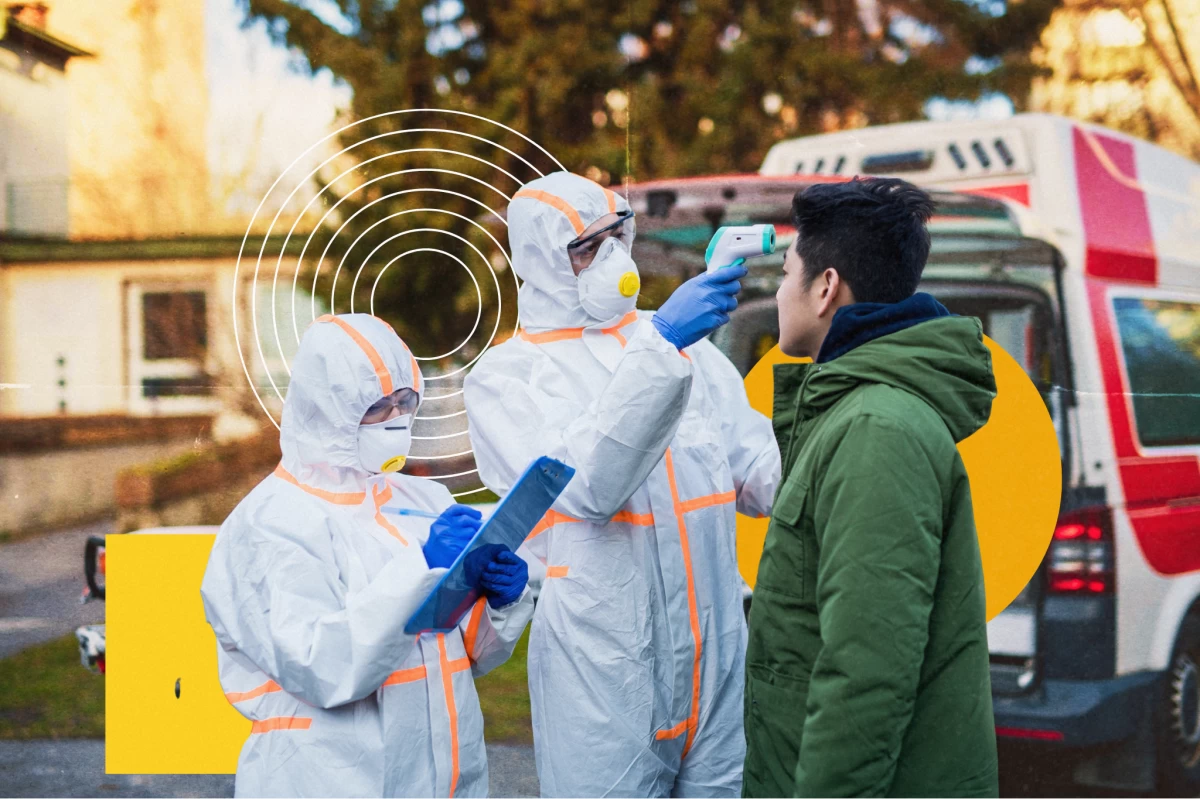
The recent Andes hantavirus outbreak on the cruise ship MV Hondius highlighted the unpredictable nature of infectious diseases in the modern age. While sensationalist social media posts were declaring the outbreak a prelude to the next pandemic, the World Health Organization has reassured a worried public still reeling from Covid-19 that the Andes hantavirus has low pandemic potential. What exactly does this mean, and what can we do to avoid the next pandemic?
A pandemic is defined by the World Health Organization (WHO) as the worldwide spread of a new disease. WHO doesn’t actually declare a pandemic but instead uses the more formal term Public Health Event of International Concern (PHEIC). This designates an infectious disease outbreak as an emergency and legally binds member states to respond accordingly. Not all pandemics are declared PHEICs, and not all PHEICs are pandemics. For instance, the 2009 H1N1 and Covid-19 were declared PHEICs and are considered pandemics, but the two Mpox PHEICs from 2022 and 2024 are not. The HIV and AIDS pandemic is still ongoing, but it was not declared a PHEIC since the term was only conceptualized in 2005. Inasmuch as there is no single accepted scientific definition of a pandemic, the term is used colloquially to refer to an infectious disease that suddenly appears and spreads globally.
Two major factors have exponentially increased the risk of pandemic events in the modern age: the unprecedented degree of encroachment of human settlements into wilderness areas teeming with zoonotic viruses, and the ability of humans to travel quickly to all parts of the world.
The Covid-19 pandemic showed us what can happen when a highly contagious virus, for which very little immunity is present in human populations, finds the correct conditions for spread. SARS-CoV-2, the causative agent of Covid-19, was initially transmitted by bats to other animal hosts, which then transmitted the virus to humans. Genomic analysis shows there were at least two crossover events that occurred in the seafood market in Wuhan. Curiously, there has been at least one reverse crossover event where humans infected minks in the Netherlands that triggered an epidemic among the animal hosts. There have also been numerous reverse zoonotic events from humans to domestic pets, zoo animals, and free-ranging white-tailed deer. This shows how some viruses can easily spread between animals and humans and vice versa, and can potentially serve as recurrent sources of infection if not properly monitored.
Aside from Covid-19, the last widely acknowledged pandemic was the 2009 H1N1 swine flu pandemic, which originated from a novel influenza virus that came from pigs. Pigs are natural mixing vessels for influenza viruses since they possess the correct set of receptors for both human and avian influenza viruses. This enables more pathogenic and immune-evasive avian influenza genes to cross over to less deadly human-adapted influenza viruses. Because of the proximity of pigs to humans, most scientists expected the next pandemic after influenza A(H1N1)pdm09 (the scientific designation of the virus that caused the 2009 influenza pandemic) to be another novel influenza strain. Unfortunately, it turned out to be Covid-19. Another influenza pandemic can happen at any time, and surveillance of highly pathogenic avian influenza strains with the potential to jump to humans is ongoing. Fortunately, we have many tools for treatment and prevention of influenza should this occur, and there is a wealth of experience in formulating effective vaccines quickly.
The HIV and AIDS pandemic, despite not being declared a PHEIC, has already killed more than 37 million people. HIV originated from apes and monkeys, with at least five different crossover transmission events occurring in the 20th century. These crossover events were likely from bloodborne transmission in human hunters who butchered ape and monkey carcasses in the field and inadvertently inoculated themselves with the precursor virus from open wounds and cuts. Despite major advances in HIV treatment that nearly restore life expectancy, more than 600,000 people continue to die from HIV every year. The unprecedented genetic diversity and propensity of HIV for mutation and recombination remain a clear and present threat through the potential to develop multidrug resistance and more aggressive viruses.
What do the pandemics of SARS-CoV-2, influenza A(H1N1)pdm09, and HIV have in common? They are all zoonotic infections that then spread to humans. While SARS-CoV-2 and influenza A(H1N1)pdm09 are respiratory viruses, HIV is a sexually transmitted and bloodborne virus. HIV and SARS-CoV-2 were a result of humans encroaching on wildlife territories, while influenza A/(H1N1)pdm09 was a result of a triple reassortment of genetic material, a recombination of avian, human influenza, and swine strains resulting in efficient human-to-human transmission.
What about hantavirus? Hantavirus refers to a family of viruses that are mostly zoonotic infections acquired from inhalation of infected aerosolized rodent droppings, saliva, and urine. Only one strain of hantavirus, Andes (ANDV), has been documented to have human-to-human transmission. The current ANDV outbreak likely started from exposure to rodents in South America since the ship stopped in Argentina, Chile, and Uruguay, where ANDV outbreaks have occurred in the past. It is unclear if the confirmed cases were all acquired at the same time with variable timing in disease manifestation, or if true human-to-human transmission did occur. If there was human-to-human transmission, it seems to require close and prolonged contact. However, three people have died, and two are in serious condition out of the 11 infections, which is consistent with the high mortality of this strain. As the WHO has observed, ANDV has a low pandemic potential since it is not efficiently transmitted between humans, it has a long incubation period, which allows for contact tracing, and it has a short duration of infectivity. Therefore, it is unlikely that the next pandemic or PHEIC will be from a hantavirus outbreak.
What about future outbreaks? As more encroachment into wild areas occurs, in addition to climate change, which can accelerate the risks of transmission, some models estimate the risk of a crossover event with the potential for a Covid-19 magnitude pandemic is two to three percent annually, or 25 percent in the next 10 years. Alarming as these numbers seem, we are not helpless. The Covid-19 pandemic taught us a lot of lessons, including the ability to make an effective vaccine in less than a year. Governments should still invest in pandemic preparedness and minimize the risk of zoonotic crossover events through good policies and strict enforcement of these rules. It is the choices that we make now that will determine how well we do when, not if, the next pandemic arrives.